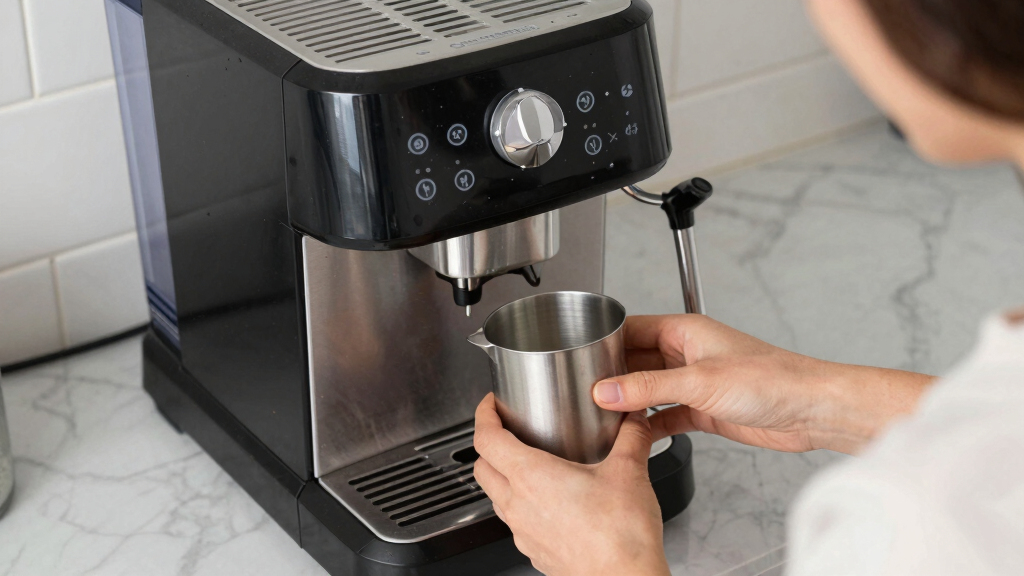
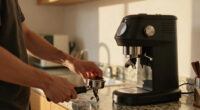
When searching for the best super automatic espresso machine with milk system cleaning, you’re looking for a model that combines convenience, quality, and easy maintenance. The De’Longhi Rivelia stands out as the overall top choice for its reliable cleaning system and consistent espresso quality. For those focused on value, the Philips 2300 Series offers excellent performance at a more accessible price, while the De’Longhi Dinamica Plus caters to users wanting advanced features and customization. The main challenge in this category is balancing cleaning ease with machine longevity and espresso quality. Keep reading for a detailed breakdown of each model and how to choose the right one for your home setup.

Get kitchen gear delivered free with Prime
- Fast, free delivery on millions of items
- Prime Video, Amazon Music and more included
- Member-only deals all year
Complete the kit


Key Takeaways
- Top picks excel in automatic milk system cleaning, reducing daily maintenance effort.
- Higher-end models generally offer more thorough cleaning cycles and better build quality.
- Price often correlates with cleaning features—more expensive machines tend to have more advanced systems.
- Ease of use and maintenance significantly impact long-term satisfaction, especially for daily users.
- Tradeoffs involve balancing cleaning automation with machine complexity and upfront cost.
| De’Longhi Rivelia Automatic Espresso Machine, Milk Frother, Black |  | Best Overall for Versatility and Customization | Bean Hoppers: 2 x 8.8 oz | Grinder Settings: 13 | Frothing System: LatteCrema Hot System | VIEW LATEST PRICE | See Our Full Breakdown |
| Philips 2300 Series Fully Automatic Espresso Machine with LatteGo Milk System |  | Best Value with Quick Milk Cleaning and App Support | Presets: 4 | Milk System: LatteGo | Filter: AquaClean | VIEW LATEST PRICE | See Our Full Breakdown |
| Cafe Bueno Super Automatic Espresso Machine for Home – Coffee Machine with Grinder & Milk Frother |  | Best for Barista-Quality Customization at Home | Coffee Maker Type: Espresso Machine | Operation Mode: Fully Automatic | Wattage: 1350 watts | VIEW LATEST PRICE | See Our Full Breakdown |
| Philips 5500 Series Fully Automatic Espresso Machine with LatteGo Milk System | 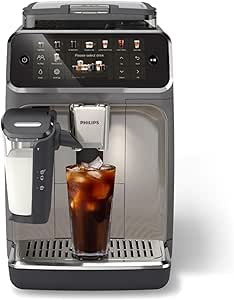 | Best for Extensive Drink Variety and Quiet Operation | Presets: 20 | Milk System: LatteGo | Brewing Speed: 3 seconds | VIEW LATEST PRICE | See Our Full Breakdown |
| De’Longhi Dinamica Plus Fully Automatic Espresso Machine |  | Best for Customization and Multiple User Profiles | Brew Types: Espresso, Latte, Cappuccino, Flat White, Iced Coffee, Regular Coffee | User Profiles: Up to 4 | Display: 3.5-inch TFT full-touch screen | VIEW LATEST PRICE | See Our Full Breakdown |
| Fully Automatic Espresso Machine with Milk Frother & Grinder |  | Best for Customization and All-in-One Convenience | Grind Settings: 15 | Pressure: 20 bar | Water Tank Capacity: 1.5L | VIEW LATEST PRICE | See Our Full Breakdown |
| Philips 3300 Series Fully Automatic Espresso Machine with LatteGo Milk System |  | Best for Quick, Hygienic Milk Cleaning and Ease of Use | Presets: 6 | Milk System: LatteGo | Display: Full color | VIEW LATEST PRICE | See Our Full Breakdown |
More Details on Our Top Picks
De’Longhi Rivelia Automatic Espresso Machine, Milk Frother, Black
The De’Longhi Rivelia stands out for its comprehensive features, combining dual bean hoppers and a customizable interface with an automatic milk frother that includes an auto-clean function. Compared with the Philips 2300 Series, it offers more drink options and personalization, making it ideal for users who want variety. However, its complexity might overwhelm beginners, and the higher price can be a barrier. This machine is suited for dedicated home baristas who value control and customization over simplicity.
Pros:- One-touch operation for a wide variety of coffee drinks
- Dual bean hoppers for switching between flavors easily
- Automatic milk frother with auto-cleaning ensures minimal fuss
Cons:- Can be complex for beginners due to extensive features
- Higher purchase cost compared to simpler models
Best for: Coffee enthusiasts who enjoy experimenting with different drinks and flavors at home
Not ideal for: Casual users or those new to espresso machines who prefer straightforward operation without many settings
- Bean Hoppers:2 x 8.8 oz
- Grinder Settings:13
- Frothing System:LatteCrema Hot System
- Color:Black
Our verdict“This pick is best for users seeking a versatile, feature-rich machine that handles complex drink preparations with ease.”
Philips 2300 Series Fully Automatic Espresso Machine with LatteGo Milk System
The Philips 2300 Series offers a compelling balance of ease of use and customization, featuring the LatteGo milk system that simplifies frothing and cleaning. Its four presets and app connectivity make it ideal for tech-savvy users who want personalized drinks without fuss. Compared to the De’Longhi Dinamica Plus, it is more user-friendly and requires less maintenance, though its fewer beverage options may disappoint those seeking extensive customization. It’s well-suited for busy households that want quick, quality coffee with minimal effort.
Pros:- Easy one-touch operation with customizable options
- Fast, simple milk frothing using LatteGo system
- Reduced maintenance with AquaClean filter technology
Cons:- Higher initial investment compared to basic models
- Limited to a maximum of 5,000 cups before needing filter replacement
- Some users may find the initial setup slightly complex
Best for: Home users who prioritize convenience, quick cleaning, and smartphone integration
Not ideal for: Coffee purists seeking extensive drink profiles or those on a tight budget
- Presets:4
- Milk System:LatteGo
- Filter:AquaClean
- App Compatibility:HomeID app
Our verdict“This machine is ideal for those who want reliable, quick, and easy coffee customization with minimal maintenance.”
Cafe Bueno Super Automatic Espresso Machine for Home – Coffee Machine with Grinder & Milk Frother
The Cafe Bueno delivers barista-level beverages with a built-in grinder, touchscreen interface, and automatic cleaning. It surpasses many competitors like the Philips 2300 Series in customization depth, thanks to its large touchscreen and adjustable settings. Its main tradeoff is its energy use and learning curve—complex features require some familiarity with espresso machines. This model fits well for home baristas who want professional-grade control without leaving their kitchen.
Pros:- Produces high-quality, customizable coffee beverages
- Includes automatic cleaning and maintenance notifications
- Touchscreen interface simplifies operation and customization
Cons:- Designed for moderate use, not high-volume commercial needs
- Wattage of 1350W may lead to higher energy consumption
Best for: Coffee lovers who want to fine-tune every aspect of their drinks and enjoy a touchscreen interface
Not ideal for: Casual drinkers or those with limited kitchen space due to its size and complexity
- Coffee Maker Type:Espresso Machine
- Operation Mode:Fully Automatic
- Wattage:1350 watts
- Human Interface Input:Touchscreen
Our verdict“Best suited for users who desire professional-level control and customization in a home machine.”
Philips 5500 Series Fully Automatic Espresso Machine with LatteGo Milk System
The Philips 5500 Series offers an impressive array of 20 presets, catering to a wide range of coffee preferences. Its LatteGo system makes frothing quick and cleaning straightforward, while the quiet brewing technology appeals to early risers or those sensitive to noise. Compared to the De’Longhi Rivelia, it provides more preset options and quieter operation, but at a higher cost. This machine is perfect for households that want a broad selection without sacrificing peace and simplicity.
Pros:- Extensive preset options for diverse drinks
- Easy-to-clean LatteGo milk system
- Quiet, fast brewing technology
Cons:- Higher initial price point
- Requires regular descaling and maintenance
- Limited to coffee and espresso drinks, no other beverages
Best for: Families or individuals seeking a variety of coffee styles with minimal noise and quick cleanup
Not ideal for: Budget-conscious buyers or those who primarily drink standard espresso with minimal customization
- Presets:20
- Milk System:LatteGo
- Brewing Speed:3 seconds
- Profiles:4 customizable profiles
Our verdict“Ideal for users who want a versatile, quiet machine capable of handling many coffee styles effortlessly.”
De’Longhi Dinamica Plus Fully Automatic Espresso Machine
The Dinamica Plus excels with its ability to support up to 4 user profiles, offering over 24 recipes and a full-color 3.5-inch touch display. Its built-in grinder with 13 settings ensures fresh grounds, and the advanced frothing system supports various milk alternatives. Compared with the Philips 5500, it provides more personalized profiles and a broader recipe selection, though its setup can be complex and pricey. This machine makes sense for households where multiple users want personalized drinks with minimal effort.
Pros:- Supports up to 4 user profiles for personalized drinks
- Built-in grinder provides fresh grounds each brew
- Full-color touch display for easy navigation and customization
Cons:- Setup process can be complicated for some users
- High price point may be prohibitive for budget-conscious buyers
Best for: Families or shared households needing multiple custom profiles and a wide array of recipes
Not ideal for: Single-user households or those seeking a simpler, more straightforward machine
- Brew Types:Espresso, Latte, Cappuccino, Flat White, Iced Coffee, Regular Coffee
- User Profiles:Up to 4
- Display:3.5-inch TFT full-touch screen
- Grinder:Built-in conical burr, 13 settings
Our verdict“Best for households with multiple coffee drinkers who want tailored, diverse options at home.”
Fully Automatic Espresso Machine with Milk Frother & Grinder
This machine stands out for its combination of a built-in grinder, customizable settings, and a responsive touchscreen, making it ideal for coffee enthusiasts who want control over every variable. Unlike the Philips 3300 Series, which simplifies operation with preset drink options, this model offers 15 grind levels and a 20-bar pressure system that can be fine-tuned for richer flavors. The automatic milk frother creates velvety foam, but the machine’s size and complexity may overwhelm beginners or those with limited counter space. Its self-cleaning system is a major plus, reducing maintenance time, though the higher price point might be a barrier for budget-conscious buyers. Overall, this pick makes the most sense for those who value depth of control and daily customization over simplicity or compactness.
Pros:- 15 adjustable grind settings for tailored flavor profiles
- Automatic milk frother produces rich, velvety foam
- Built-in grinder with large capacity for daily use
- Self-cleaning system reduces maintenance effort
Cons:- Complex interface may intimidate beginners
- Large footprint requires ample counter space
- Price may be high for some buyers
Best for: Coffee lovers who want a fully personalized espresso experience with automatic cleaning features and enjoy customizing their brews.
Not ideal for: Casual users or those with limited kitchen space who prefer a straightforward, compact machine with minimal setup.
- Grind Settings:15
- Pressure:20 bar
- Water Tank Capacity:1.5L
- Bean Hopper Capacity:200g
Our verdict“This machine is best suited for experienced coffee enthusiasts seeking deep customization and automatic cleaning, despite its size and complexity.”
Philips 3300 Series Fully Automatic Espresso Machine with LatteGo Milk System
Compared to the more customizable Fully Automatic Espresso Machine with Milk Frother & Grinder, the Philips 3300 Series emphasizes simplicity and hygiene with its proprietary LatteGo milk system. This setup allows for quick, one-touch cleaning, making it ideal for busy households that prioritize hygiene and low maintenance. While the machine offers six preset beverages with adjustable strength and volume, it doesn’t provide the extensive grind customization of the other model, which might disappoint serious coffee connoisseurs. The AquaClean filter also minimizes descaling, saving costs over time, but the upfront expense and regular filter replacements could be less appealing to budget-conscious buyers. This pick is perfect for users who prefer a straightforward, low-fuss experience with excellent milk hygiene.
Pros:- Quick, hygienic cleaning with LatteGo system
- Full color display for easy operation
- AquaClean filter reduces descaling needs up to 5,000 cups
- Six preset beverages with adjustable settings
Cons:- Limited beverage customization beyond presets
- Higher initial price compared to simpler models
- Requires regular filter replacements for optimal performance
Best for: Home users who want a reliable, easy-to-maintain machine with quick cleaning and consistent milk frothing for everyday beverages.
Not ideal for: Coffee purists or enthusiasts seeking extensive customization and grinding options, or those on a tight budget due to higher initial costs.
- Presets:6
- Milk System:LatteGo
- Display:Full color
- Filter:AquaClean
- Maintenance:No descaling needed for up to 5,000 cups
Our verdict“This machine is ideal for users who prioritize easy cleaning, consistent milk frothing, and straightforward operation over extensive customization.”

How We Picked
These products were selected based on their ability to deliver consistent espresso quality while simplifying milk system cleaning routines. We prioritized models with automated cleaning cycles, user-friendly interfaces, and durable build quality. Performance, ease of maintenance, and value for money were key factors, along with customer reviews and reliability reports. The ranking reflects a balance between cleaning effectiveness, overall usability, and price, ensuring options for different user needs and budgets.Factors to Consider When Choosing Best Super Automatic Espresso Machine With Milk System Cleaning
Choosing the best super automatic espresso machine with milk system cleaning involves understanding several key factors. Beyond just cleaning features, consider how the machine fits your daily routine, the quality of the espresso, and ongoing maintenance costs. A well-chosen model can save time, improve beverage quality, and extend the machine’s lifespan. Here are the most important aspects to keep in mind:Cleaning Automation and Maintenance Ease
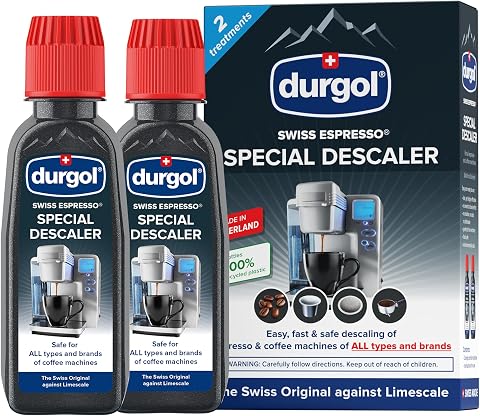
Look for machines with fully automated cleaning cycles that activate after each use or at scheduled intervals. This feature reduces manual effort and ensures hygiene without extra steps. However, some models may require compatible cleaning tablets or special solutions, adding to ongoing costs. Consider whether the machine’s cleaning system is straightforward to operate and whether it requires frequent descaling, especially if you have hard water. Investing in a machine with self-cleaning functions can significantly cut down maintenance time and prolong its lifespan.
Espresso and Milk Quality
While cleaning features are vital, they shouldn’t compromise beverage quality. High-end models with integrated milk systems often deliver richer, creamier froth, but some cheaper options may struggle with consistency. Check for features like adjustable brewing parameters and temperature control, which influence espresso flavor. The milk system’s cleaning cycle should be thorough enough to prevent residue buildup that affects taste or hygiene. A machine that balances quality with ease of cleaning is ideal for daily use.
Ease of Use and User Interface
An intuitive interface with clear prompts can make a big difference, especially for beginners. Touchscreens or simple button controls that clearly indicate cleaning cycles and maintenance alerts help prevent neglecting necessary upkeep. Consider whether the machine has features like one-touch beverages, customizable profiles, or programmable cleaning schedules. These add convenience but can also increase complexity, so think about your comfort level with technology when selecting a model.
Build Quality and Durability
Machines with sturdy construction and quality materials tend to last longer and withstand frequent cleaning cycles better. Cheaper models may have plastic components that degrade faster or become more difficult to clean over time. Look for brands with a reputation for reliability and read user reviews about long-term performance. Investing in a slightly more expensive but robust machine can pay off through fewer repairs and consistent performance.
Cost and Value
Price varies widely depending on features, build quality, and brand reputation. While high-end models offer advanced cleaning and customization, they come with a premium price tag. Conversely, budget options might lack automatic cleaning or have less effective systems, leading to more manual effort. Consider your budget and how much you’re willing to spend on ongoing maintenance. Sometimes, paying more upfront results in lower maintenance costs and better performance over time.
Frequently Asked Questions
How often do I need to run cleaning cycles on these machines?
Most super automatic espresso machines with milk system cleaning should perform a cleaning cycle after every use involving milk, or at least daily for heavy users. Some models automatically schedule these cleanings, while others require manual initiation. It’s important to follow the manufacturer’s recommendations to prevent residue buildup, which can affect both taste and hygiene. Regular cleaning not only maintains performance but also extends the machine’s lifespan.
Can I use regular dish soap to clean the milk system?
Using dish soap is generally not recommended for cleaning milk systems in these machines, as it can leave residues that affect taste and may damage internal components. Most models come with dedicated cleaning tablets or solutions designed specifically for their systems. These products are formulated to remove milk fats and residues safely. Always follow the manufacturer’s cleaning instructions to ensure the longevity and proper functioning of your machine.
Are automatic cleaning systems reliable over many years?
Automatic cleaning systems in reputable brands are designed to last for the lifetime of the machine if properly maintained. However, their effectiveness depends on consistent use and following cleaning schedules. Cheaper models or poorly maintained machines may experience malfunctions or less thorough cleaning over time. Regular descaling and using the recommended cleaning products are key to keeping these systems reliable in the long run.
Is it worth paying extra for a machine with automated cleaning?
Investing in a machine with automated cleaning features generally pays off in reduced daily effort and better hygiene, especially if you use milk frequently. While it might increase the upfront cost, it can save time and prevent potential damage from residue buildup. For busy households or those who prefer convenience, this feature often outweighs the additional expense. For infrequent users, manual cleaning might suffice, but automation remains a valuable convenience feature.
How do I choose between a machine with a built-in grinder versus a separate grinder?
Machines with built-in grinders offer a more streamlined setup and are easier to maintain, but they may limit customization and replacement options. Separate grinders often provide better grind consistency and more control over settings, which can improve espresso quality. When selecting, consider how much control you want over your coffee and whether you prefer a compact all-in-one machine or a modular setup for better performance and easier maintenance. Both options can be suitable depending on your priorities and space constraints.
Conclusion
For most home users seeking a blend of convenience and quality, the De’Longhi Rivelia emerges as the best overall choice, thanks to its reliable cleaning system and consistent performance. Those on a tighter budget should consider the Philips 2300 Series, which balances affordability with effective cleaning. If you’re after advanced features and customization, the De’Longhi Dinamica Plus offers a premium experience, albeit at a higher price. Beginners or casual coffee drinkers will find the simpler models with automatic cleaning easiest, while enthusiasts who prioritize long-term durability might prefer models with more robust build quality. Ultimately, your decision should align with your daily routine, budget, and cleaning preferences, ensuring you enjoy great espresso with minimal hassle.
Fall Picks
fall essentials
As an affiliate, we earn on qualifying purchases.