To improve the taste and health benefits of your RO water, you should remineralize it by adding essential minerals like calcium and magnesium. Simple methods include using mineral drops, sea salt, or mineral-rich stones, and regularly testing the pH to keep it balanced. Avoid overdoing it and always check mineral levels for a consistent, safe result. Keep exploring for effective tips to easily achieve better-tasting, healthier water at home.
Key Takeaways
- Use mineral drops, Himalayan salt, or mineral-rich stones to easily add essential minerals back into RO water.
- Regularly test pH and mineral levels to ensure proper balance and prevent over- or under-mineralization.
- Mix additives thoroughly and adjust pH to stay within the optimal range of 7.4 to 8.0 for better taste.
- Incorporate simple DIY methods like a pinch of sea salt for a quick, natural remineralization boost.
- Avoid excessive minerals to prevent bitterness and maintain a clean, refreshing taste in your water.
How Can You Tell If Your RO Water Needs Remineralization?
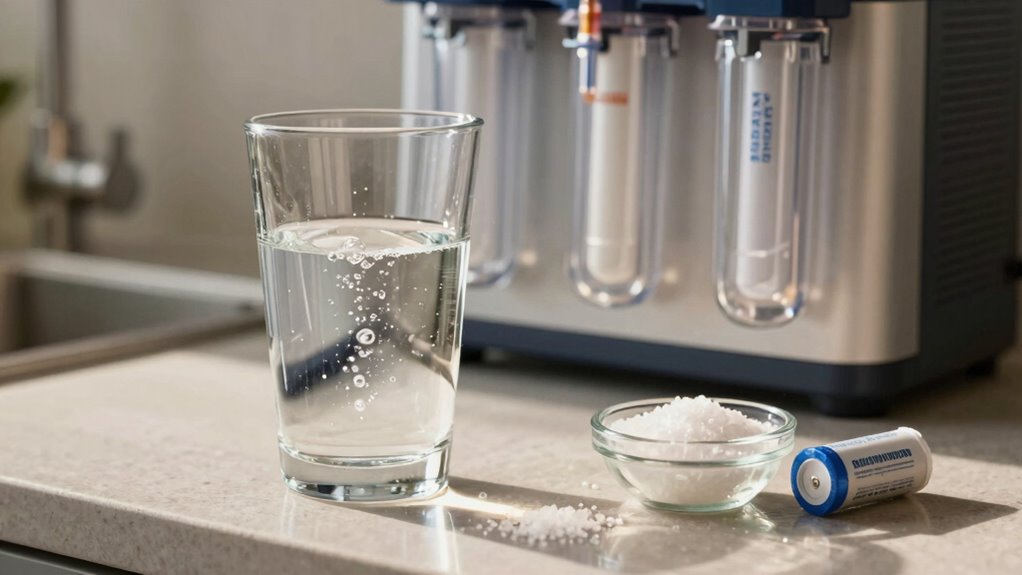
Since reverse osmosis (RO) water is highly purified, it often lacks essential minerals, which can impact taste and health. One way to tell if your RO water needs remineralization is by checking its pH balance. Pure RO water tends to have a slightly acidic pH, usually below 7, which isn’t ideal for regular consumption. You can also test the mineral content using a TDS (total dissolved solids) meter; low readings indicate a lack of minerals. If your water has a low pH and minimal mineral content, it’s a sign that remineralization is necessary. Without these minerals, your water may taste flat or bland, and consuming it regularly could impact your health. Regular testing helps you catch when your water needs that mineral boost. Proper testing methods are essential for ensuring your water’s mineral balance and safety, especially since mineral composition greatly influences water quality. Additionally, monitoring pH levels can help you maintain optimal mineral levels for better taste and health benefits. Being aware of water chemistry factors enables more precise adjustments to improve overall water quality.
A simple water remineralizer can effectively restore essential minerals and improve both taste and health benefits.
Why Is Remineralizing RO Water Important for Taste and Health?
Remineralizing your RO water boosts its mineral content, making it taste better and more natural. It also supports your hydration and overall health by providing essential nutrients. Without minerals, water can taste flat and may not be as beneficial for your well-being. Incorporating expertise spans various architectural needs can ensure your water system is tailored to your specific requirements for optimal quality. Proper water treatment techniques can further enhance the safety and taste of your drinking water, ensuring it meets your health standards. Additionally, implementing energy-efficient solutions can help reduce the environmental impact of your water purification system. Ensuring effective filtration methods can optimize mineral retention while removing impurities, leading to better-tasting water.
Enhances Mineral Content
Adding minerals back into RO water enhances its taste and offers health benefits, making it more enjoyable and nutritious to drink. When you remineralize, you restore essential elements that influence water pH and mineral balance, which are crucial for your well-being. Proper mineral levels help maintain a stable water pH, preventing it from becoming too acidic or alkaline. Additionally, understanding the regulatory environment surrounding water quality in your region can help ensure your remineralization process complies with local standards. Being aware of local water regulations can also guide you in selecting appropriate mineral additives and methods. Here are three key points to consider:
- Restoring minerals like calcium and magnesium improves the water’s flavor and makes it more palatable.
- Maintaining mineral balance supports ideal hydration and bodily functions.
- Proper mineral levels contribute to better water pH, ensuring your water is safe and healthy to consume. Ensuring compliance with local regulations can also help you avoid potential legal issues related to water quality standards. Additionally, using quality mineral sources ensures that the minerals added are safe and effective for remineralization. Incorporating proper remineralization techniques can further optimize the benefits for taste and health.
Improves Water Flavor
When minerals like calcium and magnesium are restored to RO water, its taste becomes noticeably better and more natural. These minerals help balance the pH level, preventing the water from becoming too sour or flat. A proper pH balance enhances the overall flavor, making it more appealing and invigorating. Additionally, mineral absorption improves, allowing your body to effectively utilize these nutrients. Without minerals, water can taste bland or metallic, discouraging you from drinking enough throughout the day. Remineralizing ensures that your water isn’t just clean but also flavorful and balanced. This process elevates your drinking experience, making every sip enjoyable while supporting your body’s mineral needs. Ultimately, remineralized water offers a richer, more satisfying taste that encourages hydration.
Supports Hydration and Health
Since minerals like calcium and magnesium are essential for your body’s functions, restoring them to RO water directly supports your hydration and overall health. Proper mineral levels help maintain a healthy pH balance, which is crucial for water purity and your body’s internal environment. Remineralized water not only quenches your thirst better but also provides vital nutrients your body needs. Additionally, understanding layer concepts can help optimize the remineralization process for better results. Employing efficient cleaning equipment can ensure the purity and mineral content of your water are preserved during the remineralization process. Regular testing for mineral levels can help monitor mineral levels and maintain water quality effectively, which aligns with the importance of curiosity in seeking optimal health solutions.
What Are the Best Ways to Remineralize Your RO Water?
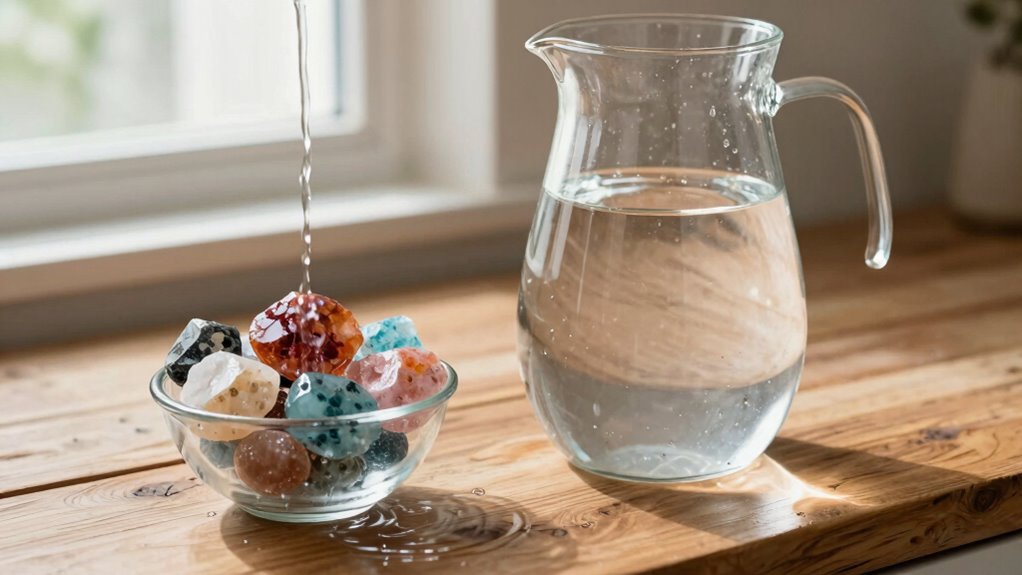
To remineralize your RO water effectively, you need to select the right mineral additives and apply proper techniques. There are various options like mineral drops or powders that can restore essential nutrients. Understanding how to use these methods guarantees your water tastes good and stays healthy to drink. Additionally, being aware of global intelligence and espionage can help you stay informed about emerging water treatment technologies worldwide. Staying updated on culinary science can also provide insights into innovative methods for enhancing water quality and flavor. For example, some modern pinball machines incorporate advanced technology and design, which can inspire new approaches to water remineralization. Moreover, researching new product innovations in water treatment can help you discover the most effective and safe remineralization solutions. Being familiar with water chemistry is crucial to accurately assess mineral needs and achieve optimal results.
Mineral Additive Options
Choosing the right mineral additive is essential for effectively remineralizing your RO water. You want to focus on options that support proper pH adjustment and mineral balancing, ensuring your water tastes better and stays healthy. Here are three top mineral additive options:
- Calcite – Naturally raises pH and adds calcium, aiding in mineral balancing.
- Magnesium sulfate – Provides magnesium, which enhances taste and supports pH stability.
- Mineral drops – Convenient blends of essential minerals, customizable for your needs.
These choices help fine-tune your water’s mineral content, improving taste and ensuring safe, balanced hydration. Always consider your specific mineral needs and pH goals when selecting additives to get the best results.
Proper Remineralization Techniques
Remineralizing your RO water effectively depends on selecting the right techniques that restore essential minerals while maintaining proper pH levels. The key is to use pH adjustment methods that prevent water from becoming too acidic. Start with high-quality remineralization solutions, such as mineral drops or specific blends designed for RO systems. These solutions provide a balanced mix of calcium, magnesium, and other vital minerals. After adding minerals, check your water’s pH and adjust if necessary to keep it within the ideal range of 7.4 to 8.0. Proper technique involves mixing your remineralization solutions thoroughly and testing regularly to ensure consistent mineral content and pH balance. This approach guarantees better taste, safety, and mineral content in your purified water.
How Do You Choose the Right Remineralization Method for Your Water?
Selecting the right remineralization method depends on your specific water quality needs and the type of RO system you’re using. To guarantee optimal pH balancing and mineral stability, consider these factors:
Choosing the right remineralization method ensures balanced pH and mineral stability tailored to your water and system needs.
- Water Composition: Test your water to identify mineral deficiencies or excesses, guiding you toward appropriate remineralizers.
- Remineralizer Type: Choose between mineral cartridges, natural additives, or blends based on your taste preferences and mineral content goals.
- System Compatibility: guarantee the method integrates seamlessly with your system, maintaining consistent mineral levels without disrupting pH balance.
How Can You Remineralize Your RO Water at Home (DIY Tips)?
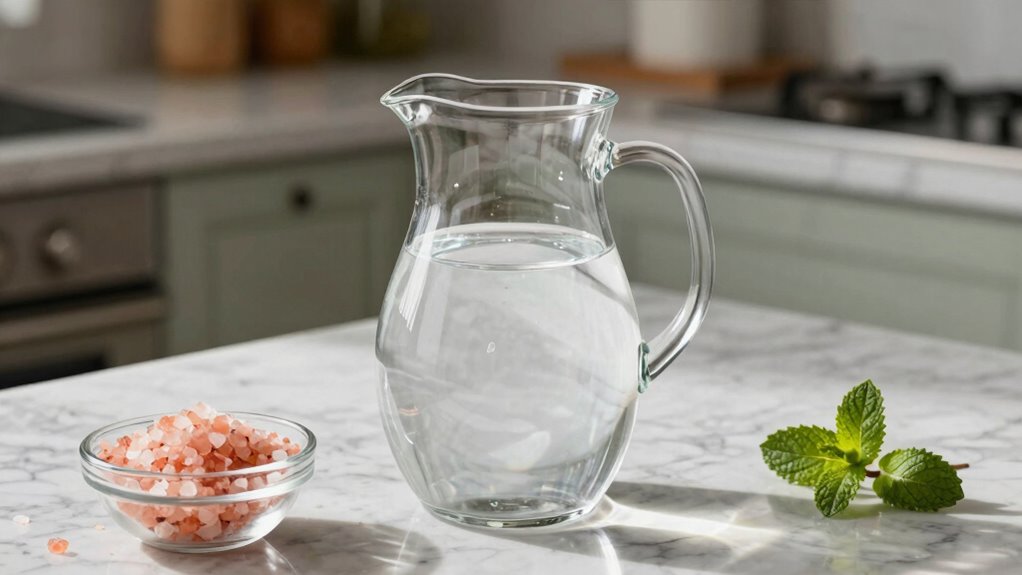
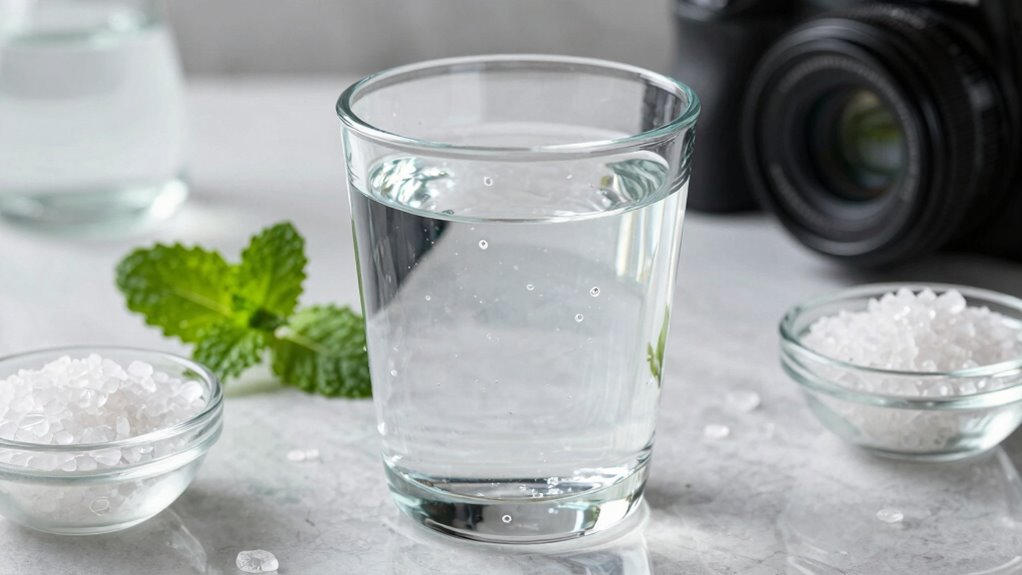
Replenishing minerals in your RO water at home is straightforward with simple DIY methods. To achieve proper pH balancing and mineral supplementation, start by adding a pinch of Himalayan or sea salt, which supplies essential minerals naturally. You can also mix in a commercial mineral drops formulated for drinking water, ensuring you follow the recommended dosage. Another option is using mineral-rich stones or mineral cartridges designed for water filtration systems. These methods help restore the natural mineral content, improving taste and health benefits. Regularly testing your water’s pH level can guide adjustments, ensuring your remineralization process is effective. By incorporating these easy tips, you’ll enjoy well-balanced, better-tasting water with prime mineral content right at home.
What Common Mistakes Should You Avoid When Remineralizing RO Water?
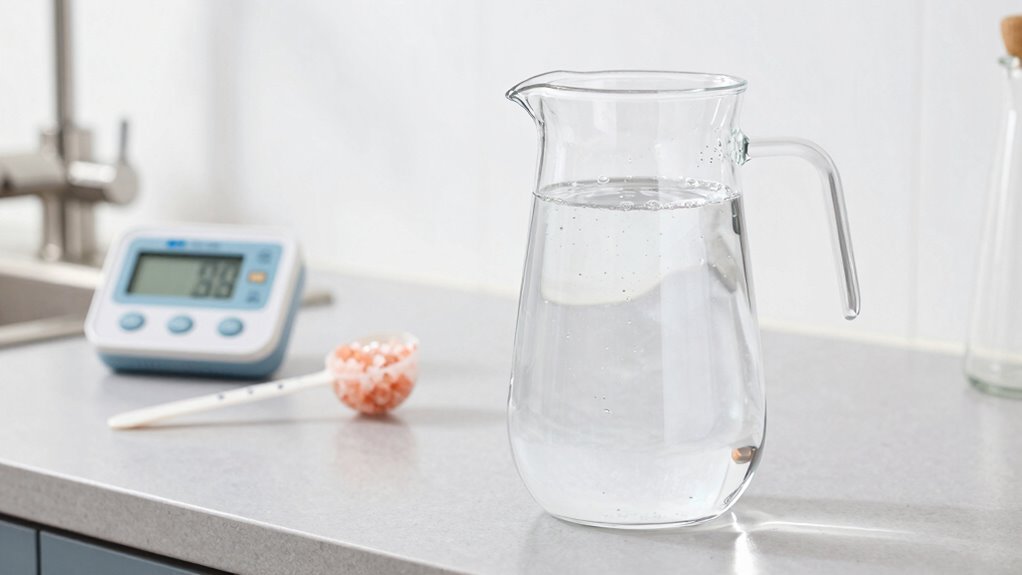
While it’s tempting to add minerals freely, one common mistake is overdoing it, which can disrupt the pH balance and cause unpleasant tastes or health issues. To avoid this, keep these points in mind:
- Don’t ignore mineral deficiency—adding too little leaves your water lacking essential nutrients.
- Avoid excessive mineral amounts—over-mineralizing can make water bitter and unpalatable.
- Monitor pH levels regularly—incorrect pH can harm your health and reduce water quality.
Getting these right ensures your remineralized water maintains a healthy pH balance and provides necessary minerals without compromising taste or safety. Being cautious helps you enjoy better-tasting water while supporting your health.
What Are the Benefits of Drinking Remineralized Water Beyond Better Flavor?
Remineralized water offers benefits that go beyond just improving taste. It helps maintain your body’s pH balance, preventing issues caused by overly acidic or alkaline water. Proper mineral levels support your overall health and help your body absorb essential nutrients more effectively. Drinking remineralized water can also promote better hydration, as minerals like calcium and magnesium enhance water’s bioavailability. This ensures your cells stay hydrated and functioning at their best. Additionally, maintaining the right mineral content in your water can reduce the risk of mineral deficiencies over time. By choosing remineralized water, you’re not just enjoying better flavor—you’re supporting your body’s natural processes and promoting long-term well-being through improved mineral absorption and balanced pH levels.
Frequently Asked Questions
How Often Should I Remineralize My RO Water?
You should remineralize your RO water about every 1 to 2 days, depending on your usage. Regular remineralization helps maintain the pH balance and guarantees you get essential minerals for proper mineral absorption. If your water tastes flat or your health feels impacted, it’s a sign to remineralize more frequently. Consistent addition of minerals supports ideal taste, health, and overall water quality.
Can Remineralized Water Impact My Health Long-Term?
Re-mineralizing your water can benefit your health long-term by enhancing mineral absorption, which supports bone strength and overall wellness. The added minerals, like calcium and magnesium, provide essential nutrients your body needs daily. Properly mineralized water can improve hydration and may reduce the risk of deficiencies. Just make certain you use safe, balanced mineral levels to maximize health benefits without overdoing it, helping you enjoy better-tasting, healthier water every day.
Are There Natural Mineral Sources Suitable for Home Remineralization?
Yes, there are natural mineral sources suitable for home remineralization, which can enhance your water taste. You can use mineral drops, sea salt, or crushed mineral-rich rocks like coral or limestone. These natural minerals dissolve easily, adding essential nutrients and improving flavor. Using these sources guarantees your remineralized water remains healthy, tasty, and balanced, making it a simple, effective way to enjoy better-tasting, mineral-rich water at home.
How Does Mineral Content Affect Water pH Levels?
Mineral content substantially affects water pH levels by influencing pH stability and mineral solubility. When you add minerals like calcium or magnesium, they help maintain a steady pH, preventing acidity or alkalinity swings. Higher mineral levels increase mineral solubility, making water less likely to become corrosive or scale-prone. So, balancing mineral content guarantees your water stays at a suitable pH, improving taste and reducing potential pipe or appliance issues.
Is Commercial Remineralization Equipment Cost-Effective for Daily Use?
Commercial remineralization equipment can be a worthwhile investment, but it’s not always cost-effective for daily use. Think of it as buying a luxury car—you pay more upfront, but the equipment’s durability ensures long-term savings. When considering cost comparison, weigh the initial expense against ongoing filter replacements and maintenance. If you need consistent, high-quality remineralized water, investing in durable equipment makes sense, but for occasional use, simpler methods might be more budget-friendly.
Conclusion
Remineralizing your RO water isn’t just about improving taste; it’s about enhancing health, ensuring safety, and enjoying peace of mind. By recognizing when your water needs minerals, choosing the right method, and avoiding common mistakes, you take control of your hydration. Remineralization is simple, effective, and essential. So, embrace the process, enjoy better flavor, better health, and better water—because your well-being deserves nothing less.