
TL;DR

Get kitchen gear delivered free — and shop member deals
- Fast, free delivery on millions of items
- Access to Prime Big Deal Days deals on October 6–7
- Prime Video, Amazon Music and more included
Search and media attention is rising around compact coffee makers that can brew both Keurig-style K-Cup pods and Nespresso-style espresso capsules in one machine. The formats have long been incompatible, so a dual-format machine would solve a real convenience problem. The specific trigger for the current spike in interest is unconfirmed.
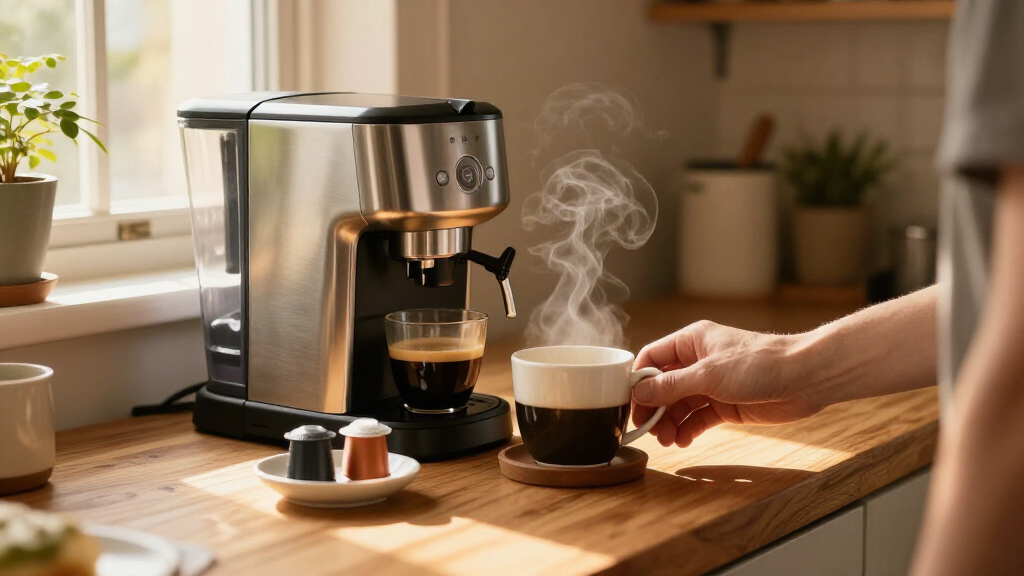
Online interest is surging in dual-format coffee makers — compact countertop machines billed as combining a Keurig-style single-cup brewer and a Nespresso-style espresso capsule system in one device. The current wave of attention, surfacing through syndicated lifestyle and shopping coverage, has no confirmed product launch, company announcement, or review event behind it that this report could verify. What is confirmed is the underlying problem such machines address: the two dominant single-serve pod systems have long used incompatible capsules.
The topic attracting attention is straightforward: a single appliance that accepts both K-Cup pods, the larger-format cups used for drip-style brewed coffee popularized by Keurig in North America, and Nespresso-compatible capsules, the smaller capsules used for concentrated espresso shots and lungos. For workplaces, single-format brewers remain the norm — see our roundup of the best Keurig coffee makers for offices. Machines marketed with this dual capability typically feature two separate brewing mechanisms or an adapter system, allowing one device to serve households where some drinkers want an 8- or 12-ounce mug of coffee and others want an espresso-based drink — a niche Keurig models built for iced coffee have also tried to fill.
What is firmly established is the market context. Keurig and Nespresso built their businesses on proprietary, mutually incompatible pod formats, which has meant that households wanting both regular brewed coffee and espresso have generally needed two machines — occupying counter space and doubling maintenance. Third-party capsule makers have produced cross-compatible or refillable alternatives for years, and several appliance brands have previously released dual-brew or multi-capsule machines, so the category itself is not new — a contrast to the single-format focus of picks like the top Keurig brewers for office use.
What is not confirmed is the specific product or event driving the current spike. The item circulating is a shopping-recommendation-style headline circulating via RSS syndication under a food category. No manufacturer, model name, pricing, availability, or independent performance data has been verified for the particular device referenced in that coverage. Readers should treat the “brilliant” framing as promotional language from the original outlet, not an independently tested verdict.
Why Dual-Pod Machines Draw Shopper Interest
The appeal is largely practical. Single-serve pod coffee remains one of the most popular home brewing methods, and the Keurig-versus-Nespresso split is a common household friction point: one machine brews large cups of regular coffee, the other pulls espresso, and the pods do not interchange. A compact dual-format machine promises to replace two appliances with one, saving counter space — a recurring selling point in small kitchens, offices, and dorms.
There are also cost and waste considerations. Households locked into one pod ecosystem often pay premium prices for proprietary capsules, and running two machines doubles energy and descaling upkeep. Multi-format machines, particularly those accepting third-party or refillable pods, can widen purchasing options. On the other hand, dual-brew designs carry trade-offs reviewers frequently cite in this category: more complex cleaning routines, larger water-reservoir compromises, and uneven quality between the two brewing modes. Whether the machine currently drawing attention avoids those pitfalls cannot be judged without independent testing.
How the Two Pod Systems Diverged
Keurig, launched in the 1990s and popularized in North America in the 2000s, built its platform around the K-Cup — a plastic cup sized for drip-strength coffee in mug volumes. Nespresso, created by Nestlé in 1986 and stronger in Europe, standardized small aluminum capsules designed for high-pressure espresso extraction. The two systems use different capsule shapes, volumes, and brewing pressures, which is why they have never been cross-compatible and why dual machines need two distinct brewing paths.
Hybrid brewers are an established niche: several manufacturers have offered machines that brew both ground coffee and K-Cups, or that accept multiple capsule standards, and adapter accessories have circulated for years. The current coverage spike fits a familiar pattern in shopping media, where a single widely syndicated recommendation article can generate a burst of search interest regardless of whether the product itself is new.
“This Brilliant Coffee Maker Is Like Having a Keurig AND Nespresso In One Compact”
— The circulating headline (unverified shopping coverage)
What the Current Coverage Doesn’t Verify
The trigger for the spike remains unconfirmed. It is not clear whether interest stems from a new product release, a price drop, a viral review, or simply recycled syndicated content. No manufacturer statement, launch date, specification sheet, or hands-on evaluation has been verified for the referenced machine. Claims that it performs as well as dedicated Keurig or Nespresso units are, at this stage, marketing language without independent substantiation. Readers considering a purchase should wait for named models and tested reviews before treating the headline’s promise as established fact.
How to Vet a Dual-Format Brewer
Watch for independent reviews from established testing outlets naming the specific model, its capsule compatibility (including whether it accepts third-party pods), brewing pressure for the espresso side, and reservoir capacity. Verified pricing and availability from the manufacturer or major retailers would confirm whether a genuine product launch underlies the coverage. Buyers should also check warranty terms and pod-availability in their region, since multi-format machines sometimes carry more restricted capsule compatibility than marketing implies.
Key Questions
Can one coffee maker really use both Keurig and Nespresso pods?
Yes in principle — such machines exist and use two separate brewing mechanisms or adapters, because the two pod formats differ in size, volume, and brewing pressure. Whether the specific machine currently in coverage works well is unverified.
Is the product in the circulating headline confirmed?
No. The item is syndicated shopping coverage; no manufacturer, model name, price, or independent test results have been verified. Treat it as a trend signal, not a confirmed launch.
Why are Keurig and Nespresso pods incompatible?
They were designed for different drinks: K-Cups brew large drip-style cups, while Nespresso capsules are built for high-pressure espresso. The capsule shapes and machine mechanisms differ entirely.
Are dual-pod machines a new category?
No. Multi-format and dual-brew machines, along with adapters and refillable pods, have been sold for years. The current attention is a spike in coverage, not necessarily a new product type.
Source: rss
Fall Picks
fall essentials
As an affiliate, we earn on qualifying purchases.