
To avoid common plumb-in mistakes that risk backflow and water contamination, make certain you install proper backflow prevention devices on all outdoor and cross-connection points. Regularly inspect and maintain these devices, and never bypass or ignore faulty parts. Proper system design, including correct installation and understanding of pressure dynamics, is essential. Taking these steps helps keep your water safe. If you want to learn how to spot issues and protect your water supply, stay informed on best practices.
Key Takeaways
- Properly install and regularly test backflow prevention devices to prevent contaminated water from siphoning into the clean supply.
- Avoid connecting hoses directly to non-potable sources or using unprotected hoses that can create cross connections.
- Ensure correct system layout with no direct links between potable water lines and irrigation or industrial sources.
- Maintain adequate pressure and elevate hoses or irrigation systems to prevent reverse flow during pressure drops.
- Follow local plumbing codes and schedule routine inspections to identify and fix potential backflow hazards proactively.

Watts LF009 Series 1-1/2" Lead-Free Copper Silicon Alloy Reduced Pressure Zone Backflow Preventer Assembly, Bronze Strainer, Quarter Turn Shutoff, Flood Sensor with SentryPlus Alert, Modular Design
- Backflow Prevention: Protects against cross-connection hazards
- Durable Construction: Lead-free copper silicon alloy body
- Comprehensive Components: Bronze strainer and quarter turn shutoff
As an affiliate, we earn on qualifying purchases.
As an affiliate, we earn on qualifying purchases.
What Is Backflow and Why Is It a Water Safety Concern?
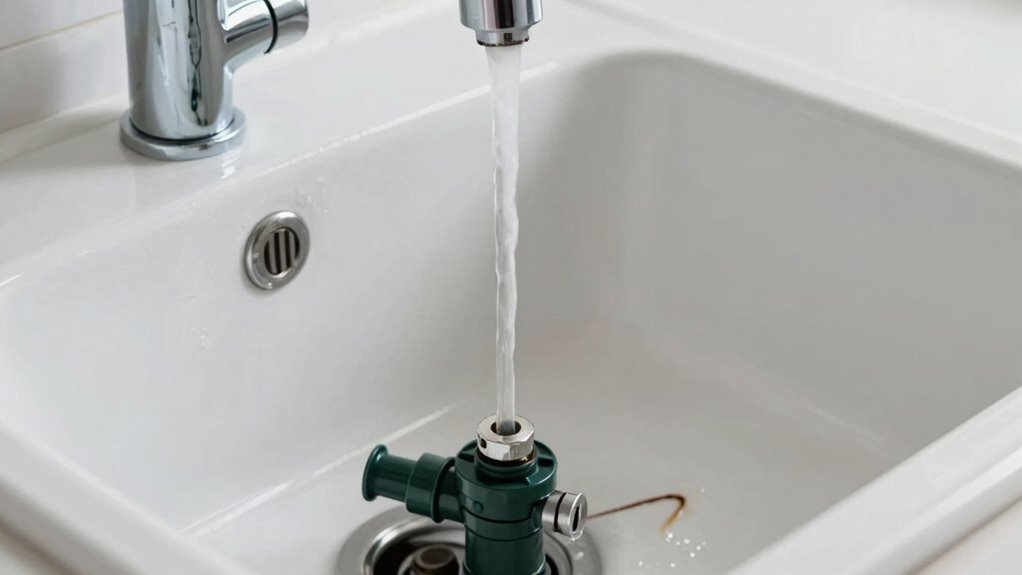
Backflow occurs when contaminated water flows backward into the clean water supply, posing a serious health risk. This usually happens because of cross connection hazards—situations where potable water is linked to non-potable sources, like irrigation systems or industrial processes. When pressure drops, these connections allow pollutants, bacteria,, or chemicals to siphon back into your drinking water. The contamination risks are significant; consuming tainted water can lead to illness or infection. Understanding how backflow occurs helps you recognize the importance of proper plumbing safeguards. Without proper prevention, even minor pressure fluctuations can cause contaminated water to enter your clean water supply, creating a dangerous situation. Implementing backflow prevention devices is crucial for maintaining safe, healthy water in your home. Protecting against backflow is essential for maintaining safe, healthy water in your home. Innovative European Cloud Servers promote sustainable and secure solutions that can help monitor and manage water safety infrastructure more effectively. Additionally, regular maintenance and testing of plumbing systems can further reduce the risk of backflow incidents. Being aware of pressure fluctuations and how they influence backflow incidents can help homeowners take proactive measures to safeguard their water quality.

2 Pack Brass 3/4" Inch GHT Hose Bibb Backflow Preventer Vacuum Breaker
- Package Includes: 2 Vacuum Breakers, Washers, Tape
- Size and Compatibility: 3/4 inch female to male threaded
- Maximum Pressure: 125 psi
As an affiliate, we earn on qualifying purchases.
As an affiliate, we earn on qualifying purchases.
What Causes Backflow in Residential Plumbing?
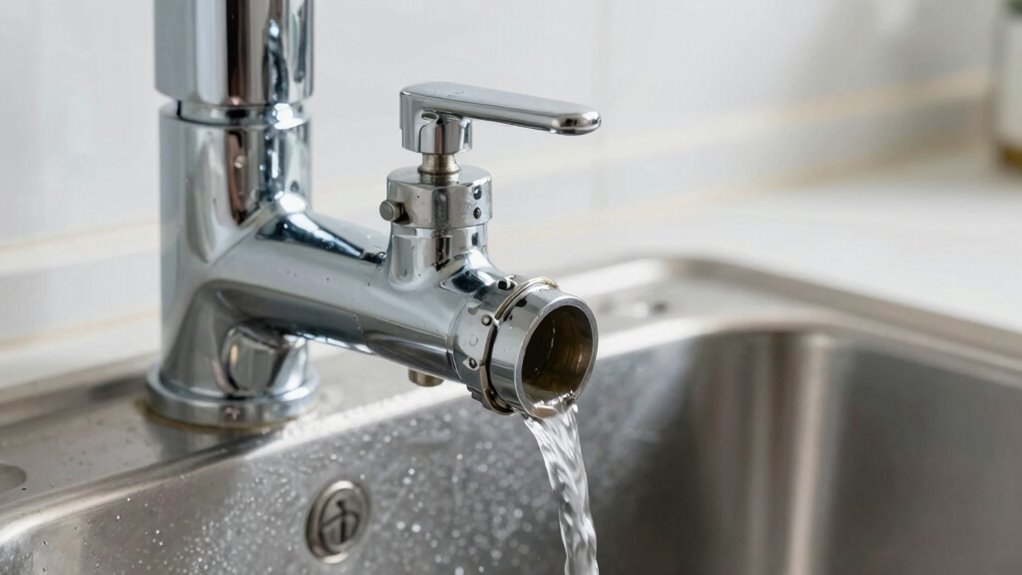
Various factors in residential plumbing systems can cause backflow, especially when pressure conditions change unexpectedly. Cross connection hazards are a common culprit, where potable water lines connect to non-potable sources like irrigation systems or water tanks. When pressure drops in the supply line, contaminated water can be sucked back into your clean water supply. Improper plumbing practices that ignore plumbing code compliance also increase backflow risk. For example, installing hoses without backflow preventers or connecting wastewater lines improperly can create pathways for backflow. Sudden pressure fluctuations from firefighting, main line repairs, or high-demand appliances can trigger backflow events. Understanding these causes helps you recognize the importance of proper installation and maintenance to protect your water supply from contamination. Proper plumbing installation and regular maintenance are essential in preventing backflow incidents. Additionally, being aware of pressure management techniques can help mitigate sudden pressure changes that lead to backflow occurrences. Implementing pressure regulation devices can further reduce the likelihood of backflow caused by pressure surges. Properly designed and maintained systems, including backflow prevention devices, are crucial for safeguarding your water quality.

CARBO Instruments 2-1/2" Water Pressure Test Gauge, 0-200 PSI, Red Max Pointer, 3/4" Female Hose Thread, Rust-Free Corrosion-Resistant Case, Brass Connector, for Home, Garden, RV, Indoor/Outdoor
- Dual-Scale with Peak Memory: Measures 0-200 PSI with peak tracking
- Corrosion-Resistant Construction: Rust-proof plastic case and brass connector
- Leak-Proof and Weather-Resistant: Includes Teflon tape, rubber seal, anti-fog lens
As an affiliate, we earn on qualifying purchases.
As an affiliate, we earn on qualifying purchases.
How Do Backflow Prevention Devices Protect Your Water Supply?
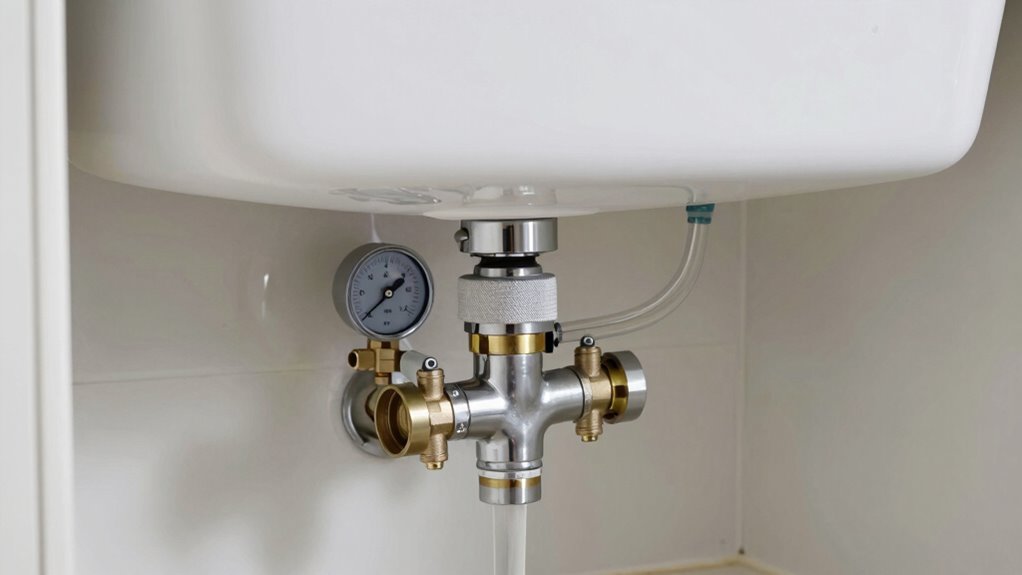
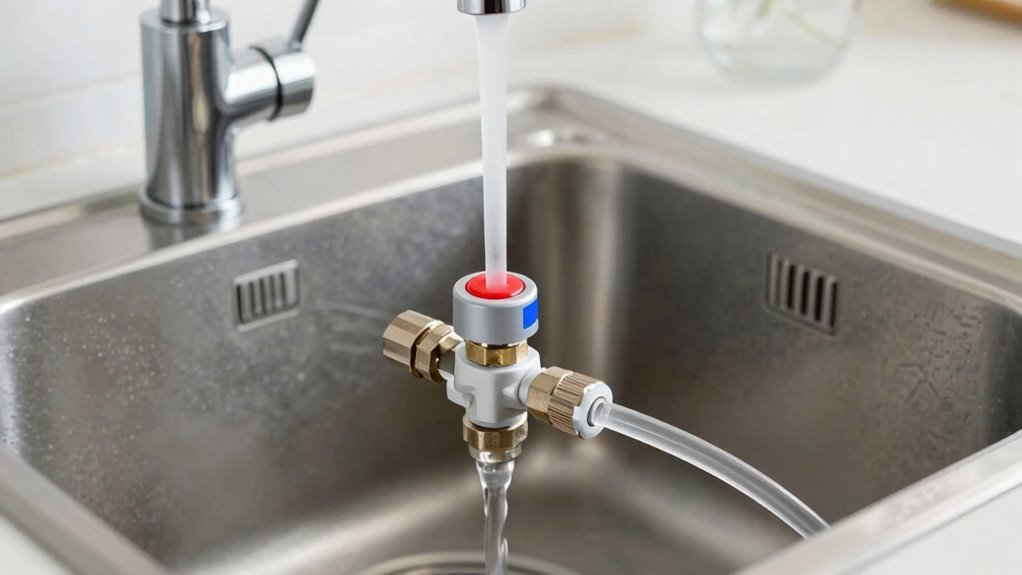
Backflow prevention devices act as critical safeguards that stop contaminated water from flowing back into your clean supply. They protect against irrigation contamination, sump pump issues, and other sources of backflow. Here’s how they work:
Backflow prevention devices stop contaminated water from flowing back into your clean supply, safeguarding your water quality.
- They create a physical barrier, such as a check valve, preventing reverse flow.
- They automatically shut off water flow when backflow is detected.
- They are installed at key points like irrigation lines or sump pumps to stop contaminated water.
- Regular testing and maintenance guarantee they function properly, preventing costly water contamination.
- Understanding affiliate disclosure and proper installation practices can ensure optimal device performance and transparency. Additionally, choosing the correct type of backflow prevention device for your specific application is essential to maintain water safety effectively. Proper installation practices also help ensure these devices operate as intended and prevent potential failures. Familiarity with auditory processing techniques can further support ongoing education about water safety measures and device maintenance. Being aware of water safety regulations can also help ensure compliance and proper device usage.

Mid-West 845-5 5-Valve Backflow Test Kit, 18-1/2" Length x 9" Width x 9-3/4" Height
- Designed for Backflow Testing: Specifically for backflow prevention assemblies
- Brass Needle Valves: Soft-seated, replaceable valve seats
- Filtered Protection: Includes 90 micron filters to prevent clogging
As an affiliate, we earn on qualifying purchases.
As an affiliate, we earn on qualifying purchases.
How Can You Detect Backflow Problems at Home?
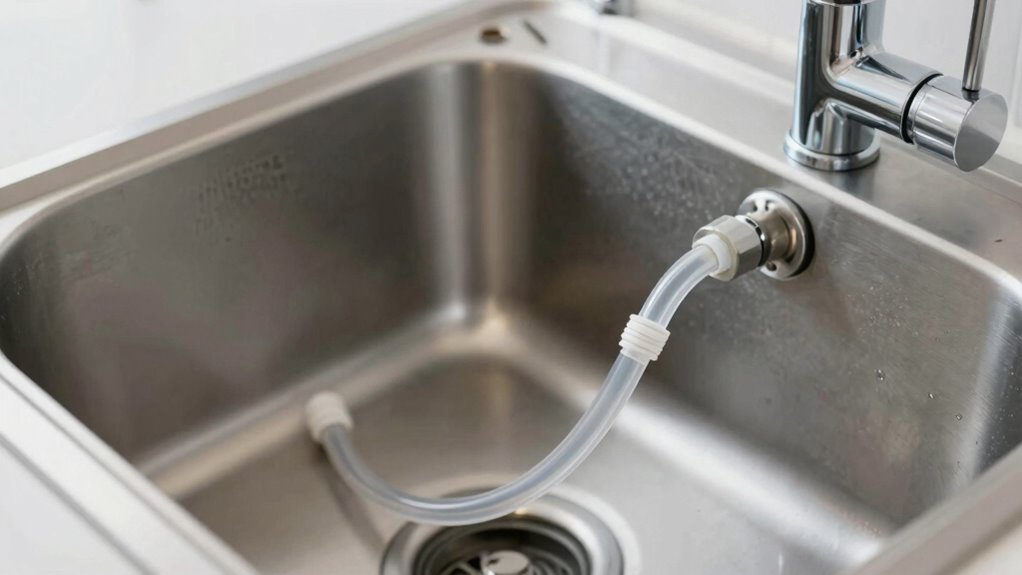
Since backflow prevention devices are designed to catch problems early, it’s important to know how to recognize signs of backflow issues in your home. One clue is an unusual taste or odor in your tap water, which may indicate contaminated water entering your system. If you notice water backing up into your garden hoses or irrigation system, it could signal a backflow problem. Look for unexplained water pooling or a sudden decrease in water pressure. Keep an eye on your outdoor hoses and irrigation setup—any water flowing back into these systems should raise concern. Regular inspections of your backflow prevention devices and monitoring for water irregularities help you catch issues early before they compromise your home’s water safety. Additionally, understanding the types of backflow prevention devices and ensuring they are properly maintained can significantly reduce the risk of contamination. Proper installation practices are essential for effective backflow prevention and ongoing water safety. For instance, selecting the appropriate device for your specific plumbing configuration can greatly enhance protection. Being aware of supportive maintenance practices can further help prevent backflow complications and ensure your water system remains safe. Incorporating water safety education into your routine can also empower you to detect and address issues promptly.
Easy Steps to Prevent Backflow in Your Plumbing System
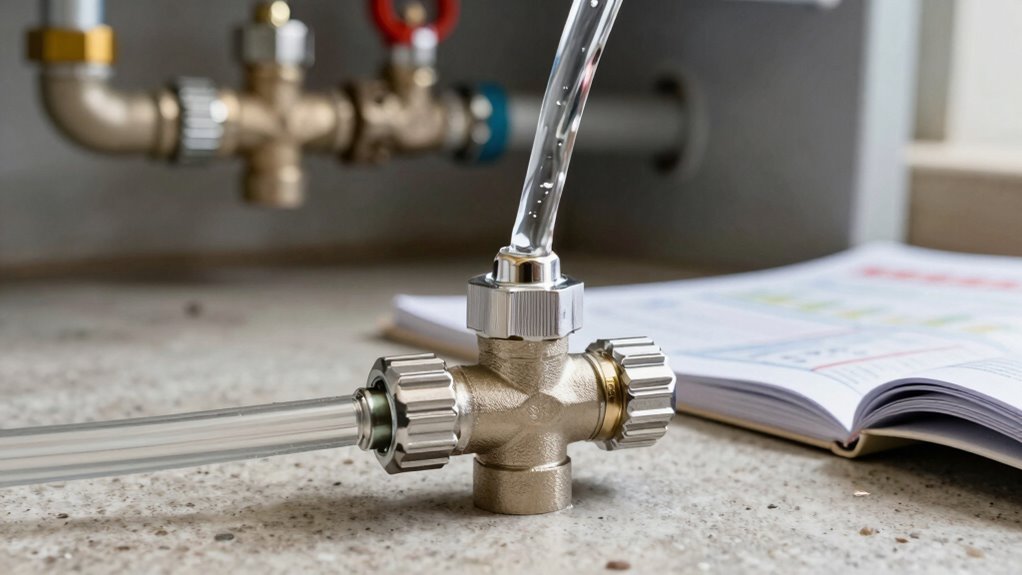
To effectively prevent backflow from occurring in your plumbing system, start by installing approved backflow prevention devices on all fixtures that connect to outdoor water sources or irrigation systems. Regular plumbing maintenance ensures these devices function properly, safeguarding water quality. To keep your system protected, follow these steps:
Install approved backflow preventers and perform regular maintenance to protect water quality.
- Schedule routine inspections of backflow preventers to catch potential issues early.
- Replace worn or faulty devices immediately to maintain water safety.
- Keep irrigation systems and hoses elevated to prevent siphoning.
- Stay informed about local codes and regulations for backflow prevention requirements.
- Consider implementing backup water safety measures such as additional valves or filtration systems to further enhance system protection and prevent contamination. Proper installation and maintenance of these devices are essential for ongoing safety, and utilizing certified backflow preventers can significantly reduce risks. Regular testing procedures are also recommended to verify the effectiveness of your backflow preventers. Additionally, understanding Free Floating principles can help optimize your system’s design to prevent unintended water flow issues.
Frequently Asked Questions
Can Backflow Occur in Municipal Water Supplies?
Yes, backflow can occur in municipal water supplies if cross connection hazards exist. If you don’t prevent cross connections, contaminated water can siphon back into the system, risking health. To avoid plumbing code violations, guarantee proper backflow prevention devices are installed and maintained. Regular inspections help identify potential hazards early, keeping your water supply safe and compliant with local regulations.
Are There Different Types of Backflow Prevention Devices?
Imagine a protective shield around your water system, preventing unwanted contamination. Yes, there are different types of devices, such as check valves, pressure vacuum breakers, and reduced pressure zone assemblies, each designed for specific risks. Proper installation standards guarantee these devices work effectively. You need to select the right type based on your setup and follow installation guidelines carefully to keep your water safe from backflow.
How Often Should Backflow Prevention Devices Be Inspected?
You should inspect your backflow prevention device at least once a year to guarantee proper device maintenance. An annual inspection schedule helps catch any issues early, preventing potential water contamination. Regular inspections allow you to verify that the device functions correctly and remains in good condition. If your water system has specific requirements, follow local regulations or consult a professional to determine if more frequent inspections are necessary.
What Are the Signs of a Backflow Incident?
Imagine your water suddenly tasting strange or smelling foul—that’s a sign of a backflow incident. Cross connection hazards can cause contaminated water to flow back into your supply, risking water contamination. You might notice discolored water, a sudden drop in water pressure, or unusual odors. Stay alert for these signs, as they indicate potential backflow, and act quickly to prevent health risks from polluted water entering your home.
Does Backflow Pose Health Risks Beyond Water Contamination?
Backflow can pose serious health hazards beyond just water contamination, as it may introduce harmful bacteria or chemicals into your drinking water. You’re at risk if backflow occurs, which makes contamination prevention vital. To stay safe, ensure proper backflow prevention devices are installed and maintained regularly. This way, you protect yourself and your family from potential health hazards caused by contaminated water.
Conclusion
To keep your water safe, don’t overlook backflow prevention. For example, imagine a homeowner who ignored a faulty check valve, leading contaminated water to flow back into their tap. Preventing backflow is simple—install proper devices and stay vigilant. Regular checks can save you from costly repairs and health risks. Take action today to protect your family’s water supply and enjoy peace of mind knowing your plumbing is safe.