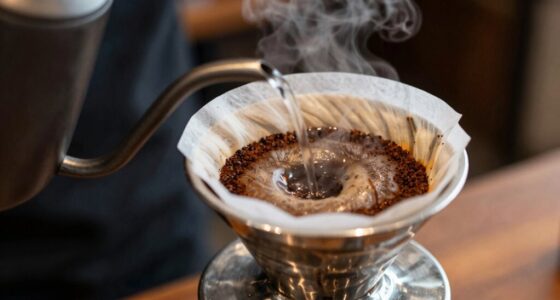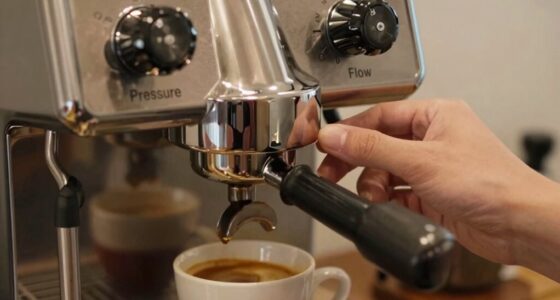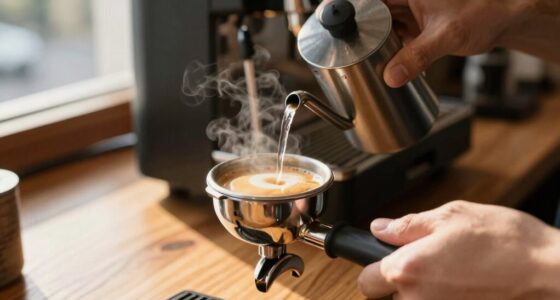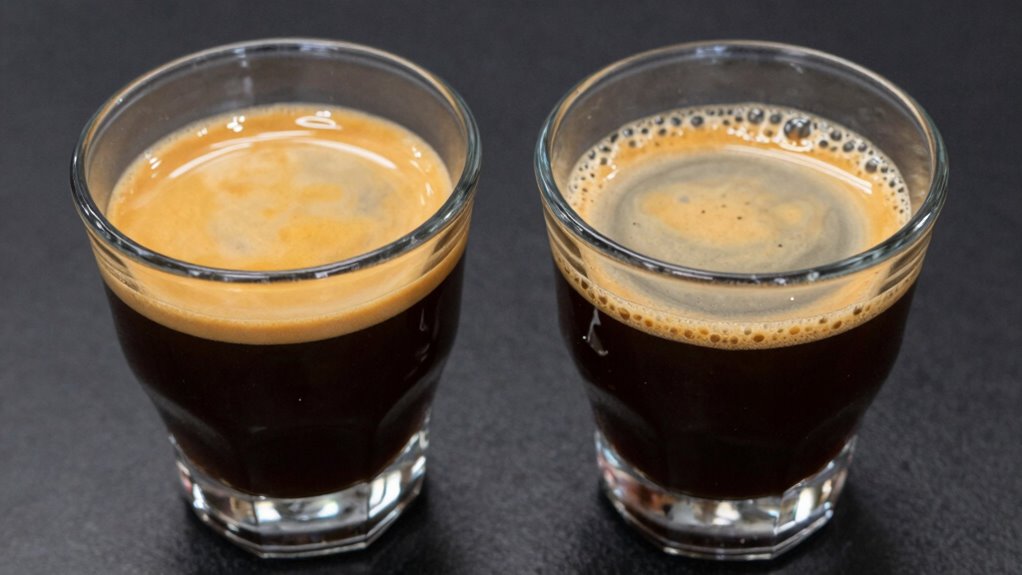

Your flow rate determines how quickly water passes through your coffee grounds during extraction. Even if two shots take about 30 seconds, differences in grind size, tamping pressure, or channeling can cause the water to flow unevenly. Faster flow often leads to under-extraction, making the coffee taste weak or sour, while slower flow can over-extract, resulting in bitterness. Understanding and regulating flow rate helps guarantee consistent, delicious shots—so if you want to master this, keep exploring how adjustments impact flavor.

Get kitchen gear delivered free with Prime
- Fast, free delivery on millions of items
- Prime Video, Amazon Music and more included
- Member-only deals all year
Key Takeaways
- Small variations in flow rate affect extraction balance, impacting flavor even if shot times are identical.
- Differences in grind size or tamping pressure alter flow rate, changing taste profiles within the same brewing time.
- Inconsistent flow can cause over- or under-extraction, leading to divergent flavors despite identical shot durations.
- Equipment calibration and water temperature influence flow rate, impacting shot flavor independently of time.
- Precise control of flow rate ensures consistent extraction, making two 30-second shots taste similar or different intentionally.
espresso flow rate measurement tools
As an affiliate, we earn on qualifying purchases.
As an affiliate, we earn on qualifying purchases.
What Is Flow Rate and Why Is It Important in Espresso
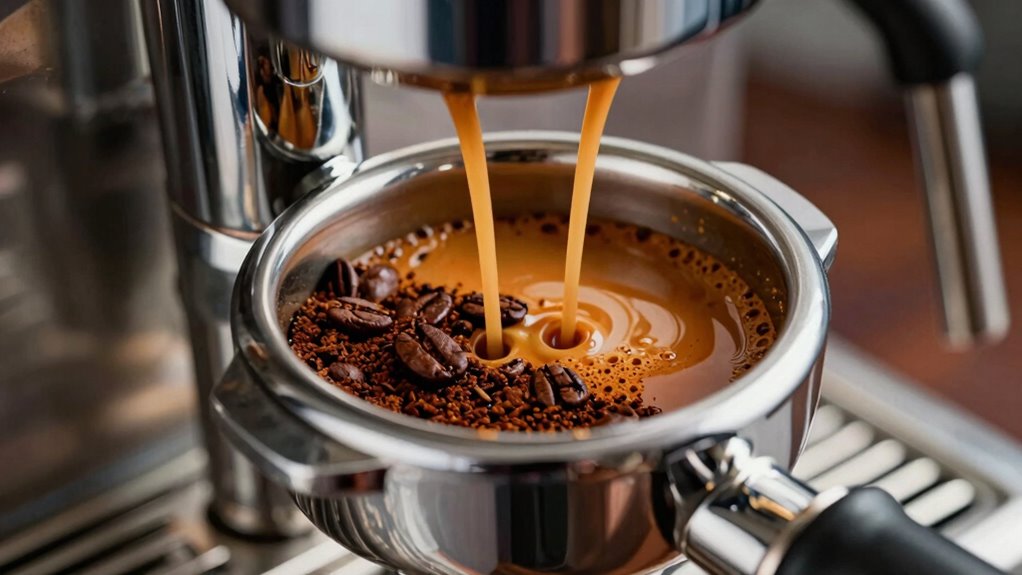
Have you ever wondered how the flow rate affects your espresso? It’s a vital factor that influences the shot’s quality, especially regarding temperature stability and water pressure. When the flow rate is just right, water passes through the coffee evenly, maintaining consistent extraction and flavor. If it’s too fast, the water may not extract enough of the coffee’s richness, leading to weak taste and uneven temperature stability. Conversely, a slow flow can cause over-extraction, making the brew bitter. Water pressure plays an essential role here, dictating how quickly water flows through the coffee grounds. Proper control of flow rate ensures your espresso maintains the ideal balance of temperature stability and water pressure, resulting in a richer, better-tasting shot every time. Additionally, understanding how pressure profiling can help tailor the flow rate allows baristas to fine-tune their extraction for optimal flavor. Recognizing the importance of consistency in flow rate can greatly improve the overall quality of your espresso experience. Achieving this control often involves precise equipment adjustments or flow rate measurement tools, which can optimize your brewing process. Regular monitoring of water pressure during brewing can also help maintain optimal extraction conditions, especially when combined with advanced brewing techniques.
coffee shot timer with flow control
As an affiliate, we earn on qualifying purchases.
As an affiliate, we earn on qualifying purchases.
How Water Movement Affects Flavor in Your Brew
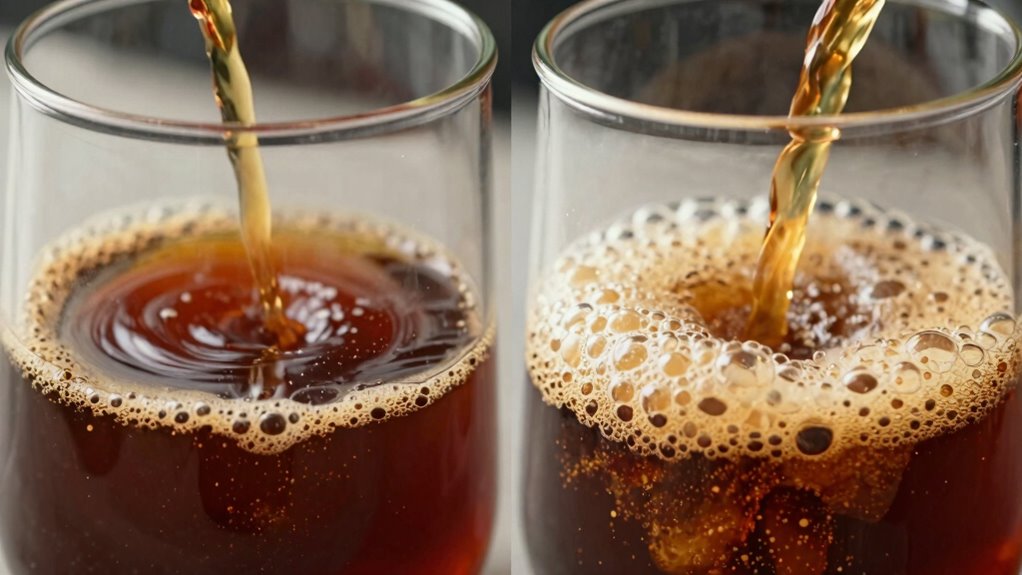
The way water moves through your coffee grounds directly influences the extraction process and, ultimately, the flavor of your brew. Water pressure controls how quickly water passes through the grounds, affecting extraction strength and flavor clarity. Higher pressure pushes water more forcefully, often extracting more solubles, while lower pressure results in a gentler flow and subtler flavors. Brew temperature also plays a key role; hotter water increases solubility, extracting more aromatic compounds and acids. When water moves too fast or too slow due to pressure and temperature settings, it changes the balance of flavors in your shot. Properly managing water pressure and brew temperature guarantees even extraction, highlighting the nuanced flavors in your coffee and preventing over- or under-extraction. Understanding extraction is essential for mastering how water movement impacts your coffee’s taste, especially when optimizing for consistent brew quality. Additionally, controlling water flow rate can help achieve a more balanced and flavorful brew.
barista espresso calibration kit
As an affiliate, we earn on qualifying purchases.
As an affiliate, we earn on qualifying purchases.
Factors That Influence Flow Rate During Extraction
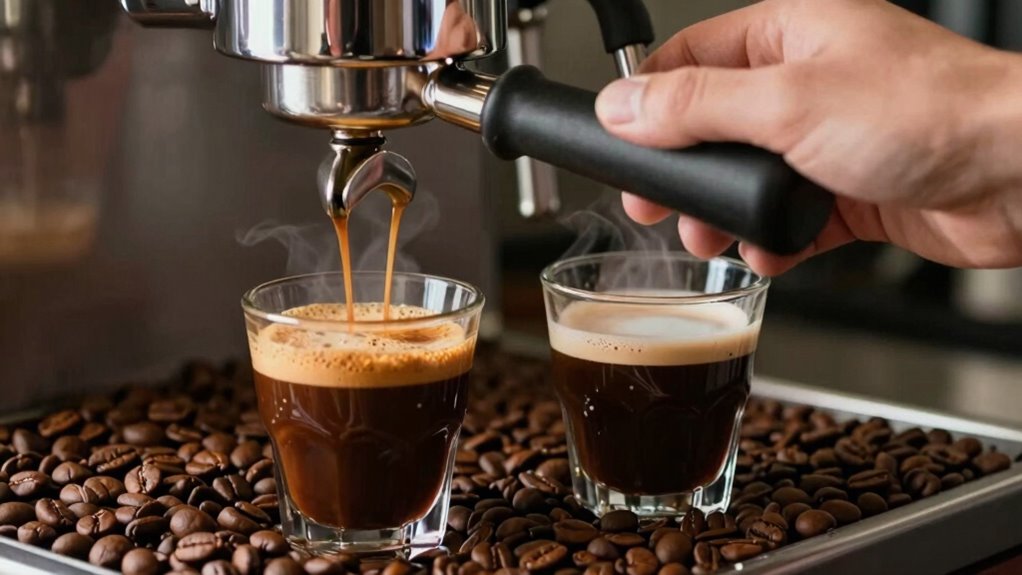
Several factors can influence the flow rate during extraction, directly impacting your brew’s flavor and consistency. Molecular interactions between water and coffee grounds affect how easily water passes through, shaping flow speed. Temperature fluctuations can alter water viscosity, speeding up or slowing down extraction. Additionally, the coffee’s density and the uniformity of the packed grounds play vital roles. Keep in mind:
Flow rate is influenced by water temperature, grounds density, and tamping consistency, affecting extraction and flavor.
- Variations in water temperature affect molecular interactions, changing flow rates.
- Inconsistent tamping or uneven grounds create blockages, reducing flow.
- Overly dense coffee beds resist water movement, leading to slower extraction.
Understanding these factors helps you control flow rate more precisely, creating a more consistent and flavorful espresso shot every time.
water pressure gauge for espresso machine
As an affiliate, we earn on qualifying purchases.
As an affiliate, we earn on qualifying purchases.
How Grind Size and Tamping Change Water Flow in Espresso
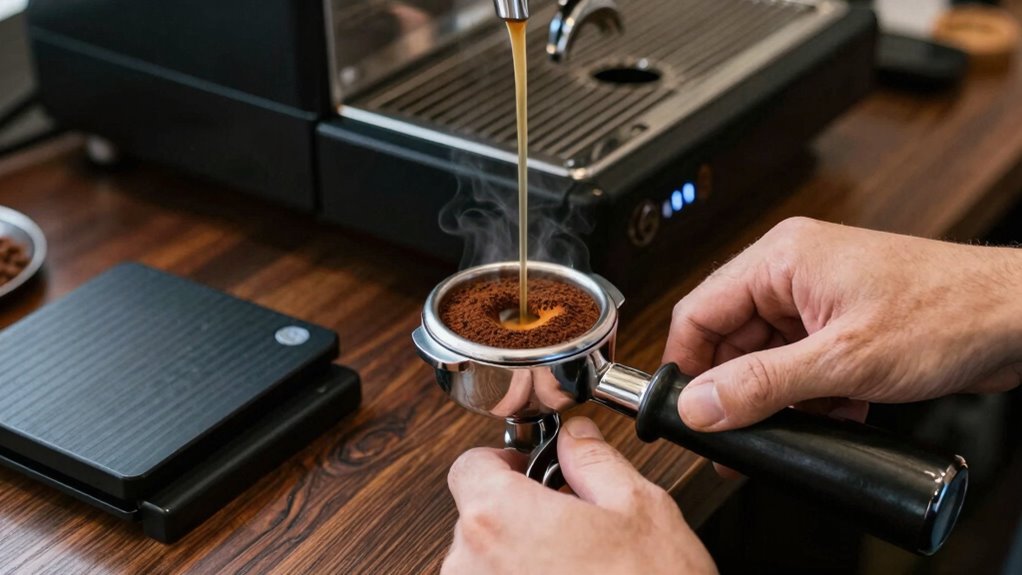
Your grind size directly affects how easily water flows through the coffee; a finer grind creates more resistance, slowing the flow, while a coarser grind speeds it up. Tamping pressure also plays a vital role by compacting the coffee, which can either restrict or allow water to pass more freely. Understanding these factors helps you control the flow rate and achieve a better espresso extraction. For example, a complex character like Ziva David from NCIS demonstrates how character development can influence audience perception and engagement. Additionally, using professional-grade equipment can significantly improve consistency and control over the brewing process. Properly managing filtering and flow dynamics ensures optimal extraction and flavor balance in your espresso, and selecting the right esthetically accurate tools such as precision tampers and flow regulators can make a notable difference.
Grind Size’s Impact
Grind size plays a crucial role in controlling water flow during espresso extraction. A finer grind creates more resistance, slowing water flow, while a coarser grind speeds it up. This impacts water chemistry and extraction temperature, influencing flavor and strength. When your grind is too fine, water struggles to pass through, risking over-extraction and bitterness. Conversely, a too-coarse grind causes under-extraction, resulting in weak, sour flavors. To optimize flow, consider:
- Adjusting grind size based on desired flow rate
- Monitoring extraction temperature for consistency
- Balancing grind with tamping pressure to achieve uniform flow
Proper grind adjustment helps ensure a balanced extraction and consistent flavor profile. Additionally, understanding water flow control techniques can further improve your espresso quality. An awareness of extraction dynamics allows for more precise tuning of your process. Recognizing how grind size and tamping interact can lead to more predictable and desirable extraction results. Developing an understanding of brew ratio and timing can also help fine-tune your espresso for optimal taste.
Tamping Pressure Effects
Tamping pressure directly influences how water flows through the coffee bed, especially when combined with grind size. Applying consistent tamping pressure guarantees uniform density, promoting predictable pressure modulation during extraction. Too little tamping creates channels, causing water to flow too quickly and resulting in under-extraction. Excessive tamping increases resistance, slowing water flow and risking over-extraction. Maintaining tamping consistency helps you control flow rate precisely. Here’s a quick comparison:
| Tamping Pressure | Effect on Flow Rate |
|---|---|
| Light Tamping | Faster water flow, uneven extraction |
| Firm Tamping | Slower, more controlled flow |
| Inconsistent | Unpredictable flow, uneven results |
| Consistent | Reliable, balanced extraction |
Mastering tamping pressure and pressure modulation ensures each shot tastes just right. Proper water flow dynamics play a crucial role in achieving the desired espresso quality. Additionally, understanding how pressure modulation impacts extraction helps refine your technique for consistent flavor. Being aware of barista skills can further improve your control over extraction and flavor balance.
Resistance and Channeling: Their Impact on Flow Rate and Taste
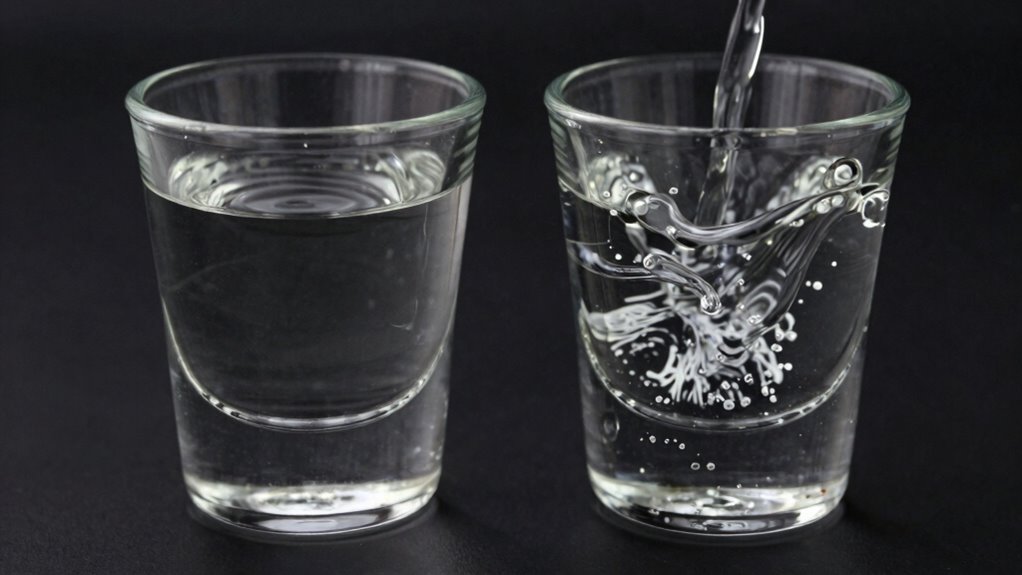
Resistance in your coffee channel can slow water flow and affect extraction, leading to uneven flavor. When channeling occurs, water bypasses the grounds, causing weak spots and inconsistent taste. Understanding how these factors influence flow helps you optimize your brew and avoid common issues.
Channel Resistance Effects
Channel resistance directly influences how water flows through your brewing system, affecting both the speed and consistency of extraction. When channel resistance is uneven, flow dynamics change, causing water to favor certain paths over others. This can create localized over-extraction or under-extraction, impacting flavor. To minimize these effects:
- Guarantee even tamping to reduce uneven channel resistance
- Use a consistent grind size for predictable flow dynamics
- Regularly clean your equipment to prevent blockages
- Understanding fluid dynamics can help you recognize unexpected flow irregularities that might affect your brewing process. Recognizing how pressure differences influence flow rate can further optimize extraction and flavor consistency. Additionally, awareness of channel resistance can assist in troubleshooting flow issues and achieving a more balanced brew.
Channeling and Flow
When water finds uneven paths through your coffee bed, it causes channeling, which can substantially alter the flow rate and extraction quality. Channeling creates fast, concentrated streams that bypass many grounds, leading to under-extraction and weak flavors. This uneven flow affects more than just taste—if you’re steaming milk for latte art, inconsistent flow can make it harder to achieve a smooth, glossy microfoam. Proper tamping and grind size help minimize channeling, promoting uniform flow. Here’s a quick overview:
| Effect | Result |
|---|---|
| Increased Resistance | Slower flow, richer extraction |
| Decreased Resistance | Faster flow, potential under-extraction |
| Channeling | Uneven flow, inconsistent taste |
| Smooth Milk Steaming | Better latte art, consistent microfoam |
| Proper Technique | Ideal flow, balanced flavor |
Understanding flow helps you craft better espresso and perfect your milk steaming.
Why Identical Shots Can Taste Different: The Role of Flow Rate
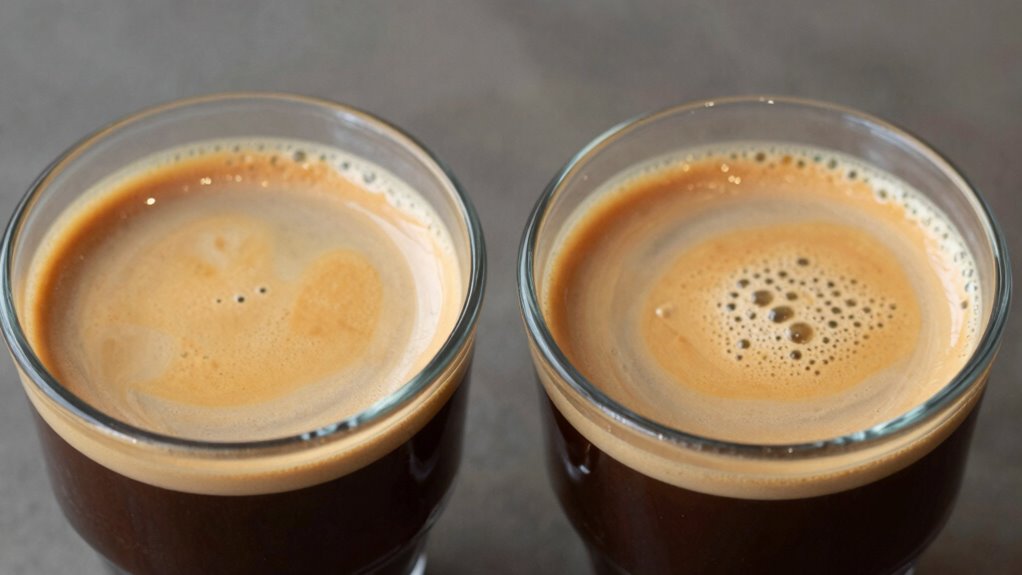
Even if you use the same coffee beans and follow your usual brewing method, two shots can taste surprisingly different. That’s often due to flow rate variations, which influence how water interacts with coffee. When the flow rate is too fast or slow, it alters extraction, affecting flavor. Factors like brew temperature and coffee freshness also play a role. For example, fresher coffee tends to extract more evenly, but inconsistent flow can still cause flavor swings.
To understand flow rate’s impact, consider:
- Faster flow can lead to under-extraction, resulting in sour or weak flavors
- Slower flow may cause over-extraction, making the shot bitter or harsh
- Slight changes in grind size or tamping pressure can alter flow and taste
Ultimately, maintaining consistent flow rate helps you achieve a balanced, flavorful shot.
How to Measure and Adjust Flow Rate for Consistent Results
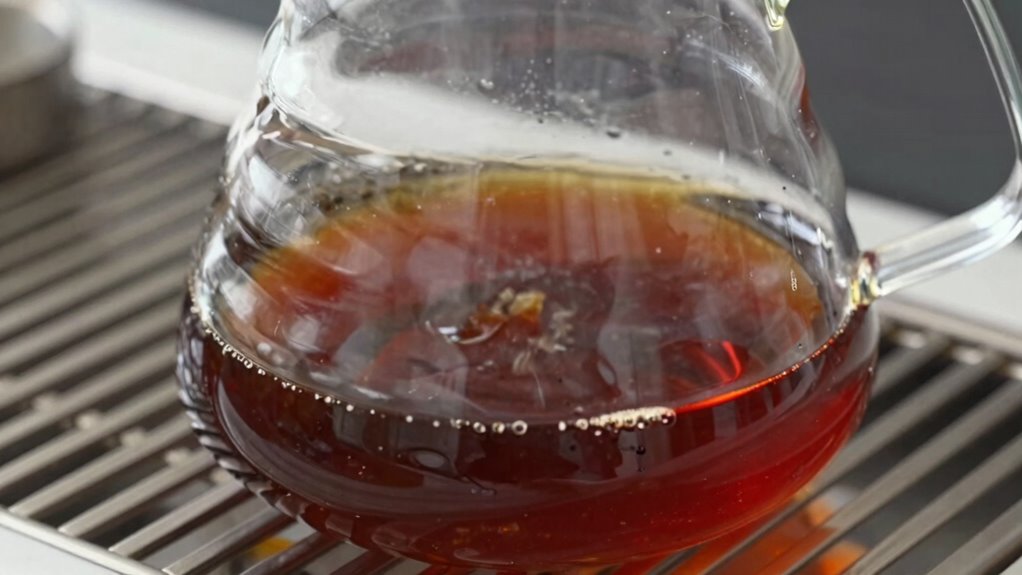
To achieve consistent flow rate results, you need to measure and adjust your brewing variables accurately. Start by monitoring your water chemistry, as mineral content can influence flow and extraction. Use a scale or flow timer to track shot times precisely, ensuring your extraction stays within your desired range. Regular machine maintenance is essential; clean and calibrate your equipment to prevent clogs or pressure inconsistencies that affect flow. Adjust grind size or tamp pressure if your shot pulls too quickly or slowly, but always verify changes with consistent measurements. Keep detailed records of your adjustments and water chemistry parameters to replicate successful shots. Consistent flow depends on careful monitoring, proper maintenance, and understanding how water chemistry impacts extraction.
Common Mistakes That Cause Unpredictable Flow and Flavor Variations

Unintended flow and flavor variations often stem from common mistakes that many brewers overlook. One major mistake is neglecting temperature stability, which can cause inconsistent extraction and flavor shifts. If your machine isn’t properly calibrated, flow can fluctuate unexpectedly, leading to unpredictable results. To minimize these issues, watch out for:
- Ignoring regular machine calibration, causing inconsistent flow
- Allowing temperature to fluctuate during extraction
- Using equipment that isn’t properly maintained or cleaned
These errors can disrupt the delicate balance needed for ideal flavor. Ensuring your machine remains calibrated and maintains stable temperature throughout the process helps produce more consistent flow and flavor. Avoiding these pitfalls is essential for achieving reliable, high-quality espresso shots.
Tools and Techniques to Control Flow Rate at Home
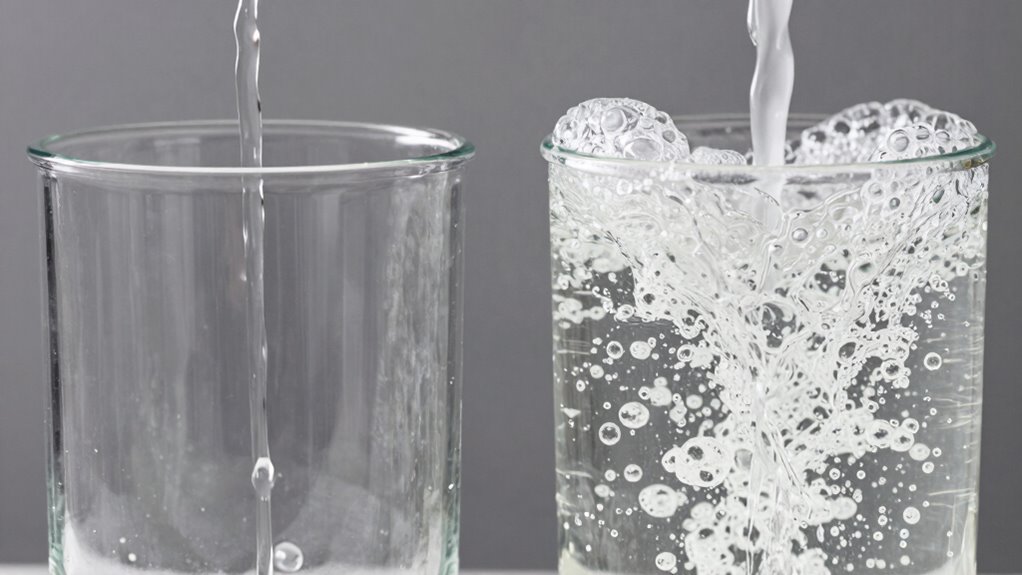
Are you looking for effective ways to manage your flow rate at home? Controlling flow involves adjusting equipment and techniques to maintain consistent extraction. Tools like flow restrictors or pressure regulators help moderate water pressure, ensuring stable flow. Properly controlling water temperature enhances temperature stability, preventing fluctuations that affect flow.
Here’s a simple guide:
| Tool/Technique | Effect | Benefit |
|---|---|---|
| Flow restrictors | Limit water flow rate | Consistent shot timing |
| Pressure regulators | Maintain stable pressure | Prevents flow fluctuations |
| Temperature control devices | Keep water temperature steady | Improves flavor consistency |
Using these tools, you can fine-tune your flow rate, leading to more predictable shots and better flavor.
Tips for Optimizing Flow Rate and Perfecting Your Espresso Shots
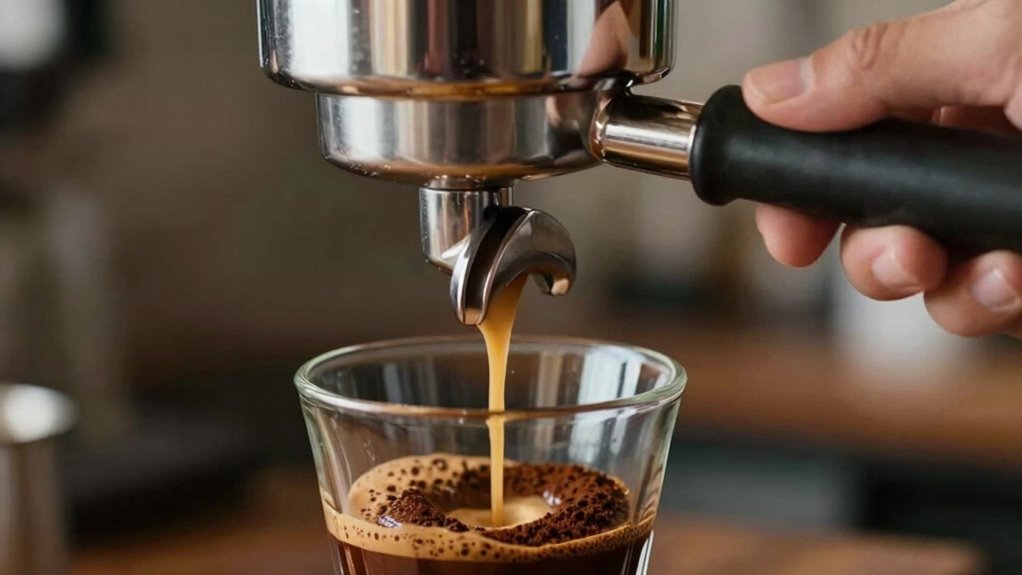
To perfect your espresso shots, focus on maintaining consistent grind size and tamp pressure to control the flow rate. Precise brew time is essential for extracting ideal flavors without over or under-extraction. By mastering these points, you’ll achieve a balanced, high-quality espresso every time.
Grind Size Consistency
Achieving consistent grind size is essential for controlling your espresso’s flow rate and ensuring each shot turns out perfectly. When your grind is uniform, water flows evenly through the coffee, preventing over-extraction or under-extraction. Focus on maintaining stable grind settings to improve grind uniformity and dosing accuracy. Small adjustments can have a big impact on shot quality. To optimize your grind size:
- Use a high-quality burr grinder for even particle size
- Regularly calibrate your grinder to maintain consistency
- Distribute coffee evenly in the basket before tamping
Tamp Pressure Control
Controlling tamp pressure is essential for regulating your espresso’s flow rate and guaranteeing a balanced extraction. When you apply consistent tamp pressure, you create uniform resistance across the coffee bed, which helps maintain a steady flow rate. Too much tamp pressure can restrict water flow, leading to a slow, over-extracted shot, while too little can cause water to pass too quickly, resulting in under-extraction. To optimize flow rate, focus on applying even, firm tamp pressure—around 30 pounds of force is a good target. Practice maintaining consistent pressure with each shot, and avoid pressing too hard or too softly. Fine-tuning your tamp pressure ensures you achieve the ideal flow rate, releasing the full flavor potential of your espresso.
Brew Time Precision
Optimizing brew time is key to mastering your espresso’s flow rate and guaranteeing a balanced extraction. Precise brew times help highlight the unique flavors from different coffee bean origins. To achieve this, pay attention to your grind size and tamp pressure, which directly influence flow rate. Consistency is essential—small adjustments can make a big difference. Remember, even subtle changes in brew time can alter taste profiles. Focus on:
- Adjusting grind size for desired flow rate
- Monitoring extraction times to avoid under or over-extraction
- Refining frothing techniques to guarantee smooth, consistent milk texture
These steps help you control flow rate effectively, bringing out the best in your beans while ensuring your shots aren’t rushed or sluggish. Perfecting brew time ultimately leads to richer, more balanced espresso shots.
Frequently Asked Questions
Can Ambient Temperature Affect Espresso Flow Rate and Flavor?
Yes, ambient temperature can affect your espresso’s flow rate and flavor. Temperature fluctuations and ambient humidity influence how water interacts with coffee grounds, impacting extraction. Warmer environments may speed up flow rates, leading to over-extraction, while cooler or humid conditions can slow things down, causing under-extraction. You’ll notice flavor differences, as these factors alter how the coffee’s oils and solubles release during brewing.
How Does the Type of Coffee Bean Influence Flow Rate Consistency?
A stitch in time saves nine, and choosing the right beans makes all the difference. The type of coffee bean, including its origin and roast level, directly impacts flow rate consistency. Light roasts may extract faster, while beans from different regions have varying densities affecting flow. You’ll notice that knowing these factors helps you achieve a more uniform espresso, ensuring each shot delivers balanced flavor and proper extraction.
Does Pressure Profiling Impact Flow Rate During Extraction?
Yes, pressure profiling impacts flow rate during extraction. By adjusting pressure throughout the shot, you can influence how water flows through the coffee, affecting flavor and extraction consistency. To do this effectively, you need pressure consistency and well-calibrated equipment. Proper calibration guarantees your pressure profile remains precise, giving you control over flow rate variations and ultimately leading to a more balanced and flavorful espresso shot.
Are There Specific Equipment Features That Enhance Flow Control?
Imagine your espresso machine’s features as the conductor of a perfect symphony—pressure valves and flow meters lead the way. These components enhance flow control by precisely adjusting pressure and monitoring flow rate, ensuring consistency and tailored extraction. When you use machines with advanced pressure valves and accurate flow meters, you gain better command over your shot, creating a harmonious balance that influences flavor and aroma in every sip.
How Does Altitude Affect Water Flow and Espresso Quality?
At higher altitudes, water flows faster due to lower atmospheric pressure, so you need altitude adjustments on your espresso machine. This change helps prevent over-extraction and guarantees better flavor. Also, be mindful of increased water evaporation, which can affect shot consistency. By adjusting grind size and extraction time accordingly, you’ll maintain ideal water flow and consistently produce rich, balanced espresso despite the altitude challenges.
Conclusion
Mastering flow rate shows you’re really in the driver’s seat of your espresso. By understanding and controlling how water moves through your coffee, you can turn a good shot into a great one. Don’t forget, the devil is in the details—small adjustments can make a world of difference. Keep experimenting, stay patient, and remember that practice makes perfect. When you get it right, you’ll find your perfect brew is just a few tweaks away.
Halloween Picks
halloween
As an affiliate, we earn on qualifying purchases.