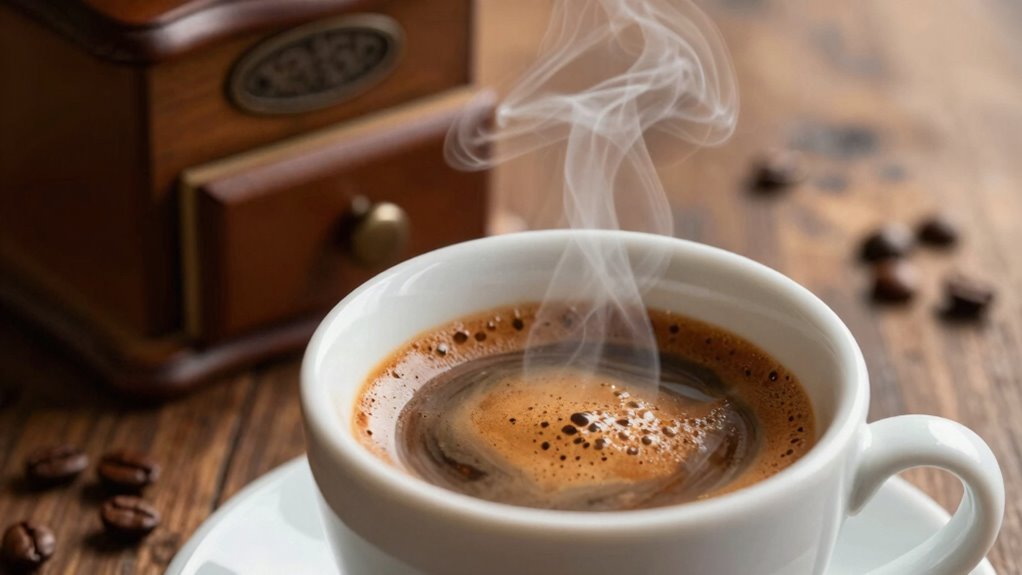

Focusing only on roast level, especially aiming for darker espresso roasts, can give you a misleading sense of quality and hide a coffee’s true flavors. It’s easy to assume that darker means better or bolder, but that often masks delicate fruit, floral, or nuanced notes. Instead, paying attention to roast profiles allows you to reveal a coffee’s full potential, balancing boldness with complexity. Keep exploring; you’ll discover how understanding roast profiles can transform your espresso experience.

Get kitchen gear delivered free — and shop member deals
- Fast, free delivery on millions of items
- Access to Prime Big Deal Days deals on October 6–7
- Prime Video, Amazon Music and more included
Key Takeaways
- Focusing solely on roast darkness can lead to inconsistent espresso results and masking of subtle flavor nuances.
- Roast profile, not just darkness, determines how coffee flavors develop and extract during brewing.
- Emphasizing darker roasts for espresso often overlooks the importance of balanced profiles for clarity and complexity.
- Confusing advice stems from equating roast level directly with quality, ignoring profile and bean origin.
- Understanding and customizing roast profiles allows for more precise, flavorful, and consistent espresso extraction.
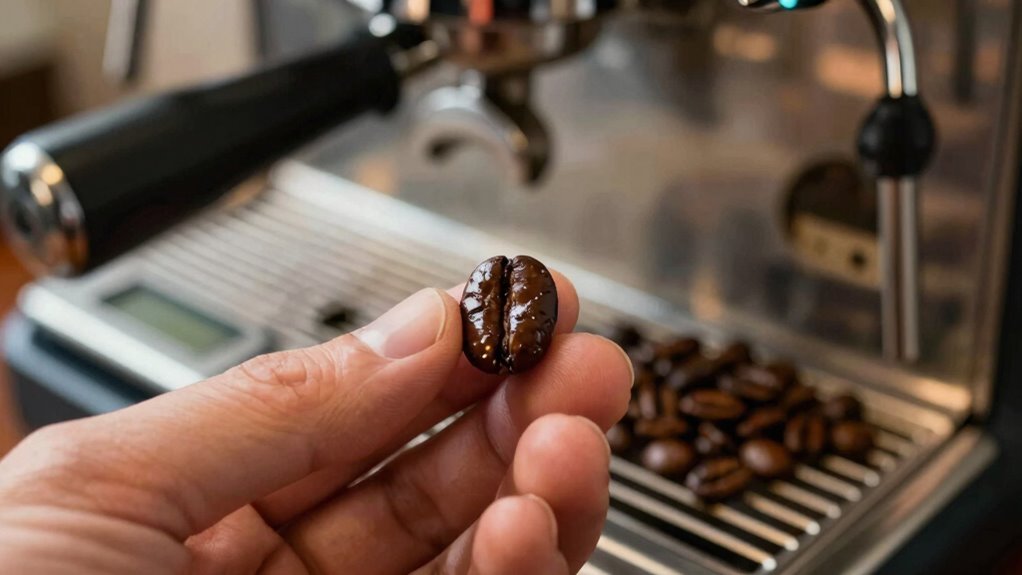
Many coffee drinkers fall into the trap of obsessing over roast levels, believing that darker roasts always mean better flavor. It’s a common misconception fueled by marketing and tradition, but the truth is, roast level alone doesn’t determine a coffee’s quality or flavor consistency. The real key lies in understanding the roast profile—the specific combination of roasting time and temperature that shapes a coffee’s unique characteristics. When you focus solely on darkness, you risk overlooking how a well-crafted roast profile can bring out the coffee’s inherent flavors and maintain consistency from batch to batch.
Focusing solely on roast darkness overlooks how a tailored roast profile reveals a coffee’s true flavors and consistency.
A roast profile is like a recipe, carefully designed to highlight certain notes while controlling bitterness and acidity. It’s not just about reaching a certain color or internal temperature; it’s about how the beans are roasted through each stage. This process influences flavor complexity, body, and aroma. When you understand and select a roast profile suited for a specific bean, you’re more likely to achieve flavor consistency, no matter whether it’s light, medium, or dark. Consistency becomes critical if you’re brewing regularly or aiming for a specific flavor profile, since a consistent roast profile ensures predictable results.
Many baristas and roasters recommend paying attention to the roast profile rather than just the darkness level. A well-designed profile preserves brighter, more nuanced flavors in lighter roasts or enhances depth and richness in darker ones. If you chase after the darkest roast, you might mask delicate fruit or floral notes that could shine through in a lighter roast. Conversely, a carefully balanced dark roast can deliver bold, smoky flavors without sacrificing profile complexity. The key is to match the roast profile to the bean’s origin and your preferred brewing method. Additionally, understanding roast profiles can help you better appreciate the nuances of different coffees and tailor your brewing techniques accordingly. Recognizing how roast levels influence extraction and flavor development allows for more intentional brewing decisions.
Furthermore, the roast profile also determines how different brewing methods will extract and showcase the coffee’s flavors, making it essential to consider when selecting your brewing technique. When you recognize that roast level isn’t the sole indicator of flavor quality, you open yourself up to a broader universe of well-crafted coffees. Instead of chasing darker roasts for flavor, focus on finding a profile that’s tailored to the beans and your taste preferences. That way, you’ll enjoy a more consistent, flavorful experience every time you brew.
As an affiliate, we earn on qualifying purchases.
Frequently Asked Questions
How Does Roast Level Affect Espresso Flavor Profiles?
Roast level directly influences your espresso’s flavor profile, affecting flavor complexity and bean longevity. Lighter roasts preserve more of the beans’ original nuances, resulting in brighter, more complex flavors. Darker roasts develop deeper, bolder tastes but can diminish bean longevity, leading to quicker staling. By understanding these effects, you can choose the right roast level to balance desired flavor complexity with freshness, ensuring a better espresso experience.
What Are Common Misconceptions About Light vs. Dark Roasts?
You might think light roasts are always more complex and dark roasts bolder, but that’s a misconception. For example, a barista might assume a dark roast always has a richer flavor, ignoring that grain maturity impacts flavor balance. Light roasts can be balanced and nuanced if roasted to perfection, while dark roasts may taste overly bitter if overdone. The key is focusing on flavor harmony rather than roast color alone.
Can Roast Level Influence Extraction Time?
Yes, roast level influences extraction time because darker roasts tend to have lower coffee bean density, which allows water to flow more easily during brewing. Additionally, brew temperature plays a role; higher temperatures can compensate for the density differences, speeding up extraction. So, if you’re brewing dark or light roasts, adjust your brew temperature accordingly to guarantee proper extraction time and flavor balance.
Is There a Perfect Roast Level for All Espresso Machines?
There isn’t a perfect roast level for all espresso machines because coffee bean genetics and roasting equipment choices vary widely. You should experiment with different roast levels to see what complements your machine’s brewing style. Lighter roasts highlight acidity and complex flavors, while darker roasts enhance body and richness. Adjust based on your beans’ genetics and your equipment’s capabilities to find the ideal roast level for your perfect shot.
How Do Roast Levels Impact Espresso Crema Quality?
Roast levels greatly influence espresso crema quality; darker roasts often produce richer, thicker crema, while lighter roasts tend to have a lighter, more delicate crema. Your bean density and grind size play key roles—denser beans need a finer grind, impacting extraction. A proper roast enhances crema by balancing solubility and pressure, so adjusting grind accordingly helps you achieve that ideal, velvety crema regardless of roast level.
As an affiliate, we earn on qualifying purchases.
Conclusion
As you sip your espresso, remember the roast level is just one brushstroke on a larger canvas. Don’t get lost in the haze of confusing advice—trust your palate and experiment. Picture a warm, inviting coffee shop, where each cup tells a story beyond roast charts. When you embrace the nuances, every sip becomes a journey, revealing flavors that dance and linger, guiding you toward a truly personalized coffee experience.
As an affiliate, we earn on qualifying purchases.
As an affiliate, we earn on qualifying purchases.
Fall Picks
fall essentials
As an affiliate, we earn on qualifying purchases.