
TL;DR

Get kitchen gear delivered free — and shop member deals
- Fast, free delivery on millions of items
- Access to Prime Big Deal Days deals on October 6–7
- Prime Video, Amazon Music and more included
The USDA has issued a health alert over contaminated chicken products sold in nine states. The alert involves potential bacterial contamination, prompting recalls and safety warnings. No reports of illness have yet been confirmed.
The U.S. Department of Agriculture (USDA) has issued a health alert concerning certain chicken products sold in nine states, citing potential bacterial contamination. This alert comes as a precaution to protect consumers and prevent foodborne illnesses. The alert is significant because it involves widely available poultry products, which are a staple in many households.
The USDA’s Food Safety and Inspection Service (FSIS) announced today that specific batches of chicken sold in Alabama, Georgia, Florida, South Carolina, North Carolina, Tennessee, Kentucky, Mississippi, and Arkansas may be contaminated with bacteria, including Salmonella or Campylobacter. The affected products were distributed to various retail outlets and are identifiable by specific lot codes and packaging dates listed on the USDA website.
According to the USDA, no illnesses have been reported so far, but the agency recommends that consumers check their chicken products and discard or return any that match the affected lot codes. The recall involves both raw chicken parts and whole chickens, with the potential for bacterial presence that could cause food poisoning if consumed improperly cooked or raw.
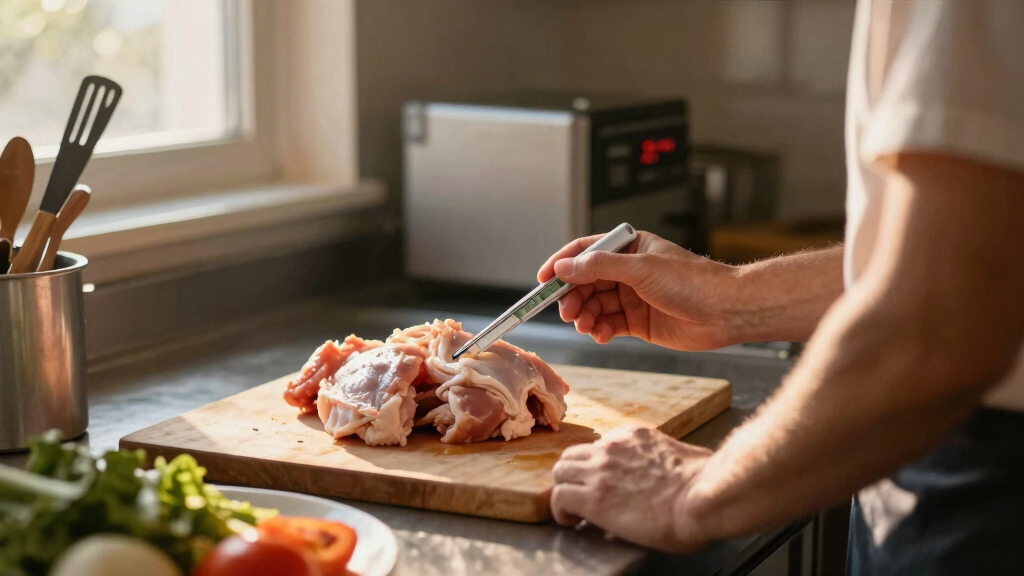
The alert was issued after routine testing by the USDA detected pathogens in certain batches, prompting the agency to notify retailers and consumers. The USDA emphasized that proper cooking to an internal temperature of 165°F (74°C) kills bacteria, but warned consumers to handle raw poultry with care to avoid cross-contamination.
Why This Chicken Alert Is Important for Consumers
This alert is significant because it involves common chicken products sold across multiple states, raising concerns about food safety and public health. Contaminated poultry can cause serious illnesses, especially in vulnerable populations such as children, the elderly, and immunocompromised individuals. The recall underscores the importance of proper handling and cooking of raw poultry and highlights ongoing efforts by the USDA to monitor food safety.
While no illnesses have been reported yet, the potential presence of bacteria like Salmonella or Campylobacter poses a risk if contaminated chicken is consumed without adequate cooking. The alert also serves as a reminder for consumers to stay vigilant and check product labels before purchase or consumption.
As an affiliate, we earn on qualifying purchases.
Background on USDA Food Safety Alerts and Recent Incidents
The USDA regularly conducts testing and inspections to identify contaminated food products and prevent outbreaks. In recent years, there have been multiple recalls related to poultry contaminated with bacteria, prompting increased scrutiny of supply chains and processing facilities. This alert follows previous efforts to improve food safety standards and reduce bacterial contamination in poultry products.
Historically, Salmonella and Campylobacter are among the leading causes of foodborne illnesses linked to raw chicken. The USDA’s ongoing surveillance aims to minimize these risks, but contamination can still occur during processing or distribution. The current alert reflects the USDA’s proactive approach to safeguarding public health by issuing recalls before illnesses occur.
“Consumers should check their chicken products and discard any that match the affected lot codes. Proper cooking kills bacteria but handling raw poultry carefully is essential.”
— USDA Food Safety and Inspection Service
As an affiliate, we earn on qualifying purchases.
Unconfirmed Reports of Illness and Scope of Contamination
It is not yet clear how widespread the contamination is beyond the identified batches or whether any illnesses have resulted from consuming affected products. The USDA has not confirmed any cases of foodborne illness linked to this alert, and investigations are ongoing to determine the full scope of the issue.
As an affiliate, we earn on qualifying purchases.
Next Steps for Consumers and Retailers After the Alert
Consumers who purchased chicken matching the affected lot codes are advised to discard or return the products to the point of purchase. Retailers are instructed to remove the implicated batches from shelves and cooperate with USDA investigations. The USDA will continue monitoring the situation and provide updates as new information becomes available. Consumers should also stay informed through official USDA notices and check product labels carefully.
kitchen gloves for handling raw poultry
As an affiliate, we earn on qualifying purchases.
As an affiliate, we earn on qualifying purchases.
Key Questions
Which chicken products are affected by the USDA alert?
The alert covers specific batches of raw chicken products, including chicken parts and whole chickens, identified by particular lot codes and packaging dates listed on the USDA website.
Are there any reported cases of illness from this contamination?
No, there have been no confirmed reports of foodborne illness linked to these products so far, but the USDA recommends caution.
How can I tell if my chicken is part of the recall?
Check the lot codes and packaging dates on your chicken products against the information provided by the USDA. If they match, discard or return the product.
What safety precautions should I take when handling raw chicken?
Handle raw chicken carefully, wash hands thoroughly after touching raw poultry, avoid cross-contamination, and cook chicken to an internal temperature of 165°F (74°C).
Source: google-trends
Fall Picks
fall essentials
As an affiliate, we earn on qualifying purchases.





![Dove Mangiare A Milano: Le Nuove Aperture [In Aggiornamento]](https://ashgrind.com/wp-content/uploads/2026/09/dove-mangiare-a-milano-le-nuove-aperture-in-aggiornamento-featured-260x140.jpg)