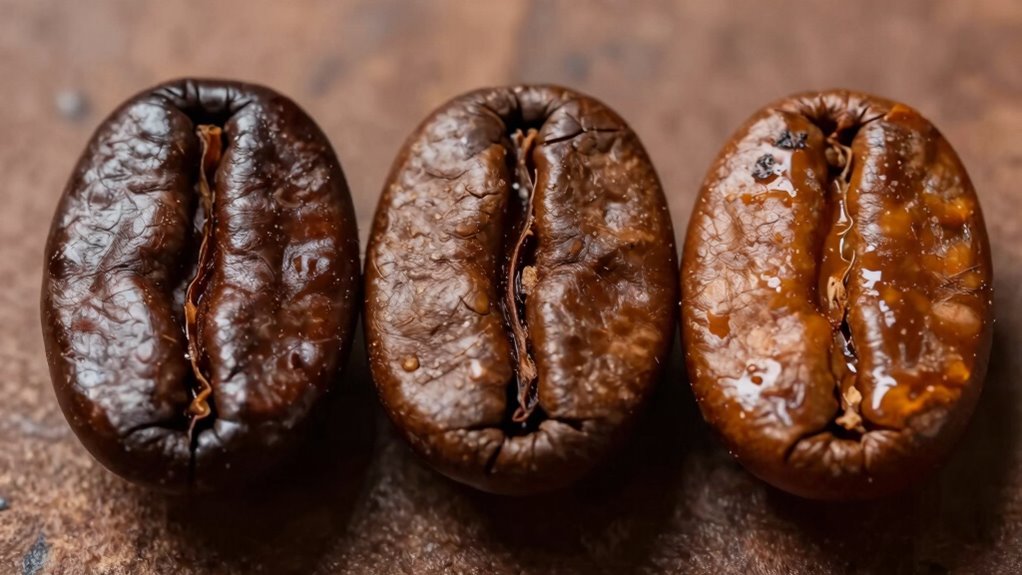

Understanding how washed, natural, and honey processes impact espresso dial-in helps you optimize extraction and flavor. Washed beans offer bright, clean, and citrusy notes, making them easier to dial in for clarity. Natural and honey processes bring more fruitiness, body, and complexity, which can make precise adjustments trickier. By adjusting grind size, temperature, and brew time based on the process, you can craft a balanced shot. Continue exploring these differences to master your perfect brew.

Get kitchen gear delivered free — and shop member deals
- Fast, free delivery on millions of items
- Access to Prime Big Deal Days deals on October 6–7
- Prime Video, Amazon Music and more included
Key Takeaways
- Processing methods affect bean flavor profiles, influencing how they behave during extraction and dial-in for espresso.
- Washed coffees tend to be cleaner and brighter, requiring different grind and extraction adjustments than natural or honey processes.
- Natural and honey processed beans often have more fruitiness and body, impacting shot timing and flavor balancing during dial-in.
- Variations in moisture content and fermentation from each process influence espresso consistency and the need for tailored parameters.
- Understanding processing impacts helps baristas optimize roast levels and brewing variables for the desired espresso flavor profile.
espresso grinder for precise dial-in
As an affiliate, we earn on qualifying purchases.
As an affiliate, we earn on qualifying purchases.
What Are the Main Coffee Processing Methods? (Washed, Natural, Honey)
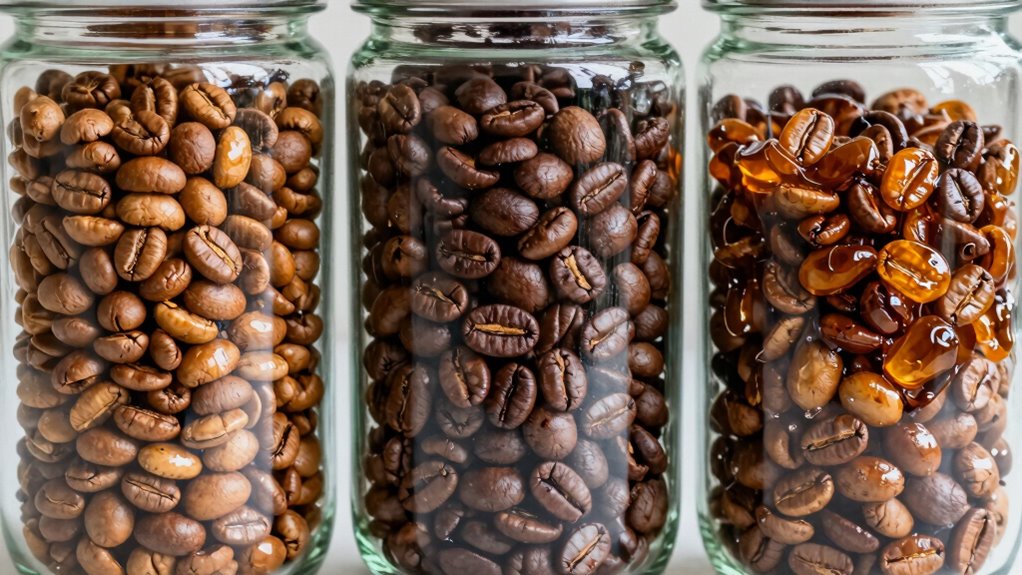
Understanding the main coffee processing methods—washed, natural, and honey—is essential to appreciating the flavors and qualities of your cup. Each processing technique influences how the beans develop their unique characteristics. Washed processing involves removing the fruit before fermentation, resulting in a cleaner, brighter flavor profile that highlights the bean’s intrinsic qualities. Natural processing, on the other hand, dries the coffee with the fruit intact, which intensifies sweetness and adds fruity, complex notes. Honey processing falls somewhere in between; it retains some mucilage during drying, creating a balance of fruitiness and clarity. These processing techniques directly impact flavor development, shaping the aroma, acidity, and body of your coffee. Understanding these methods helps you recognize what to expect from different beans and how they influence your espresso experience. Color accuracy in processing can also affect the visual cues of ripeness, impacting how the beans are prepared and processed. Additionally, each method can influence the fermentation process, which further affects the final flavor profile.
coffee scale with timer for espresso
As an affiliate, we earn on qualifying purchases.
As an affiliate, we earn on qualifying purchases.
How Do Processing Methods Affect Espresso Flavor and Profile?

Processing methods markedly influence your espresso’s flavor and profile. They impact fruitiness and brightness, giving some coffees a lively, vibrant bite, while others are more subdued. Additionally, they shape the body and texture, affecting how creamy or crisp your shot feels, and can lead to variability or consistency in each brew. For instance, certain processing techniques can also influence the presence of antimicrobial properties, potentially affecting the overall freshness and safety of the coffee. These methods can also alter the chemical composition, which plays a significant role in the final taste experience and aroma. Furthermore, understanding how processing techniques interact with various bean types helps baristas and roasters tailor their approach to achieve desired flavor profiles. The processing method can also influence the microbial stability of the coffee, which is crucial for preservation and flavor integrity. Exploring different processing methods offers insight into how fermentation processes contribute to unique flavor characteristics.
Fruitiness and Brightness
The way coffee is processed considerably influences its fruitiness and brightness on the espresso palate. Different methods emphasize or mute certain fruit flavors and affect the overall brightness level. For example, washed coffees tend to have cleaner, more vibrant acidity, highlighting citrus and berry notes. Natural processes often impart a sweeter, more pronounced fruit character, with deeper berry and tropical flavors. Honey processing strikes a balance, maintaining some of the fruitiness while reducing acidity. Your choice impacts how lively or subdued the espresso feels. To deepen your understanding, consider these factors:
- Fermentation duration influences fruit flavor intensity
- Drying methods affect brightness level
- Degree of mucilage retention impacts fruitiness
- Altitude of cultivation alters flavor vibrancy
- Processing techniques play a crucial role in shaping the final flavor profile of espresso beans.
- Additionally, processing methods can influence the complexity and clarity of the coffee’s flavor notes.
- The fermentation process can also modify the acidity and overall brightness of the coffee.
- Proper handling of piercings during processing can prevent contamination and preserve flavor integrity.
- The drying environment can further enhance or diminish certain flavor characteristics in the final product.
Body and Texture
Processing methods considerably shape the body and texture of espresso, influencing how it feels in your mouth. Washed coffees often produce a clean, crisp mouthfeel with a lighter body texture, highlighting clarity and brightness. In contrast, natural processed beans tend to have a fuller, more viscous body, giving a richer mouthfeel and a lingering finish. Honey processing creates a balance, offering a smooth, syrupy body that combines the brightness of washed coffees with the depth of naturals. The choice of process directly impacts your espresso’s viscosity and overall mouthfeel, affecting how it coats your palate. Additionally, free-floating processes can introduce unique flavor nuances that further influence texture and perception. By understanding these differences, you can better dial in your espresso to achieve the desired body and texture, elevating your brewing experience and final cup.
Consistency and Variability
Different processing methods can lead to noticeable differences in espresso flavor and profile, often affecting consistency from shot to shot. Processing consistency varies depending on whether the beans are washed, natural, or honey processed, which impacts flavor variability. This variability can challenge dial-in precision but also offers unique flavor profiles. You might notice:
- Greater unpredictability in flavor intensity
- Variations in acidity and sweetness
- Differences in body and mouthfeel
- Challenges in maintaining shot-to-shot consistency
Understanding these factors helps you adjust your grind, dose, and extraction to optimize your espresso, regardless of processing method. Processing consistency also depends on how well the entire post-harvest process is managed, affecting the final cup quality.
temperature-controlled espresso kettle
As an affiliate, we earn on qualifying purchases.
As an affiliate, we earn on qualifying purchases.
How to Adjust Grind Size and Brew Parameters for Different Processing Styles?

Adjusting your grind size and brew parameters is essential for optimizing extraction based on the coffee’s processing style. Different processes influence bean density and moisture, requiring specific grind adjustments. For washed coffees, start with a medium grind and tweak finer if the brew’s under-extracted, or coarser if over-extracted. Natural and honey-processed beans tend to be denser and more complex, so you might need a slightly coarser grind to prevent over-extraction. Brew parameter tweaks, like adjusting water temperature, pressure, and extraction time, also matter. For instance, natural coffees may benefit from a slightly longer brew to balance their fruit-forward flavors. Always taste and refine your grind adjustments and brew parameters to match the coffee’s unique profile, ensuring a well-balanced espresso shot.
coffee beans for espresso with processing info
As an affiliate, we earn on qualifying purchases.
As an affiliate, we earn on qualifying purchases.
Common Challenges When Dialing in Espresso With Various Coffee Processes?

Dialing in espresso with various coffee processes can be challenging because each method alters the bean’s density, moisture content, and flavor profile, which directly affects extraction. Variability in processing introduces inconsistent behavior during brewing, making it harder to achieve a balanced shot. Processing consistency becomes a key factor—irregularities can lead to over- or under-extraction, affecting flavor clarity. You might notice flavor variability that’s difficult to predict, requiring frequent adjustments to grind size, dose, or brew time. Additionally, differences in moisture content can cause channeling or uneven extraction. To manage these challenges, focus on controlling variables tightly and understanding how each process impacts your beans. Recognizing these common hurdles can help you develop better strategies for consistent, high-quality espresso.
Choosing the Best Processing Method to Match Your Tasting Preferences?

Choosing the right processing method depends largely on your desired flavor profile and tasting preferences. If you prefer bright, clean, and crisp flavors, washed coffees highlight clarity and emphasize fruit and floral notes, reflecting processing influences that remove most mucilage before drying. Natural processes, on the other hand, tend to produce richer, fruit-forward profiles with more body and sweetness, showcasing how processing affects flavor nuances. Honey processing offers a balance, delivering complex sweetness and smoothness while preserving some fruit character. Your choice should align with the flavor nuances you seek in your espresso. Experimenting with different methods helps you understand how processing influences taste, allowing you to select the approach that best complements your palate and desired coffee experience.
Tips for Experimenting and Perfecting Your Espresso With Different Coffee Styles?

To truly perfect your espresso with different coffee styles, start by understanding how each processing method influences flavor and extraction. Recognize that washed, natural, and honey processes each bring unique qualities that affect your shot’s complexity and clarity. Experiment with roasting temperature to highlight these differences—lighter roasts often preserve bright, fruity notes, while darker roasts deepen body and reduce acidity. Keep in mind that choosing beans from sustainable coffee farms can enhance flavor nuances and support ethical practices. Additionally, understanding mattress and sleep comfort can help you optimize your overall rest environment, which indirectly supports better coffee enjoyment and brewing performance.
- Adjust grind size and extraction time to match the coffee’s processing style
- Track roasting temperature changes to refine flavor profiles
- Consider coffee farm sustainability practices when selecting beans
- Record results to fine-tune your dial-in process over time
Frequently Asked Questions
How Does Processing Influence Coffee Bean Shelf Life and Storage?
Processing impacts coffee bean shelf life and storage stability by affecting bean longevity. Washed beans tend to have better storage stability because they’re cleaned thoroughly, reducing microbial activity. Natural and honey-processed beans may have a slightly shorter shelf life due to residual sugars and mucilage, which can promote spoilage. Proper storage in airtight, cool, and dry conditions is essential regardless of processing to maintain freshness and prevent flavor loss.
Can Processing Methods Impact the Environmental Sustainability of Coffee Production?
Absolutely, processing methods can dramatically impact the environmental sustainability of coffee production. You get to choose between eco-friendly processing and sustainable farming practices, which can reduce water use, cut down on waste, and lower your carbon footprint. By opting for natural or honey processes, you support greener methods that conserve resources and protect ecosystems. So, your choices in processing aren’t just about flavor—they’re about making coffee production more sustainable for the planet.
Are Certain Processing Styles Better Suited for Specific Roast Levels?
You’ll find that certain processing styles suit specific roast levels better, as they influence flavor profiles and roast compatibility. For example, washed coffees often work well with lighter roasts, highlighting clarity and brightness, while natural processed beans can handle darker roasts, emphasizing body and sweetness. Experimenting helps you discover which processing method enhances your desired flavor profile and guarantees your roast level complements the coffee’s inherent qualities.
How Do Processing Methods Affect the Caffeine Content in Espresso?
Processing methods impact caffeine retention, influencing how much caffeine ends up in your espresso. Washed coffees typically retain less caffeine due to the removal of outer layers, while natural and honey processes preserve more caffeine because of their minimal processing. The processing impact determines not just flavor but also caffeine content, so you can expect natural and honey processed beans to deliver a slightly higher caffeine punch compared to washed ones.
Is There a Cost Difference Between Washed, Natural, and Honey Processed Coffees?
You’ll find that washed coffees generally have higher processing expenses due to the water-intensive methods involved, leading to increased cost implications. Natural and honey processes tend to be cheaper because they require less water and labor, reducing processing expenses. This cost difference can influence your coffee’s price, with washed options often costing more. So, when choosing your beans, consider the processing method’s impact on both flavor and budget.
Conclusion
As you explore washed, natural, and honey processes, you’ll find that each unexpectedly influences your espresso’s flavor and dial-in. Coincidentally, your taste preferences might align perfectly with a process you hadn’t considered before. Embrace the experimentation, adjusting grind and brew parameters as you discover what truly excites your palate. With a little patience, you’ll turn each shot into a delightful surprise—making your coffee journey as rewarding as it is delicious.
Evergreen bestsellers Picks
bestsellers
As an affiliate, we earn on qualifying purchases.