
Rolling carts feel great at first because they’re convenient, easy to maneuver, and ergonomically designed for comfort. However, over time, poor materials, worn-out wheels, or bad handle placement can cause discomfort, wobbling, and difficulty controlling the cart. These issues often lead to frustration and reduce their usefulness. If you want to discover what causes these problems and how to avoid them, there’s more to explore below.

Get kitchen gear delivered free with Prime
- Fast, free delivery on millions of items
- Prime Video, Amazon Music and more included
- Member-only deals all year
Key Takeaways
- Initial ergonomic handle design feels comfortable, but poor placement causes discomfort over extended use.
- Lightweight materials make carts easy to maneuver initially, but lack durability leads to early damage.
- Smooth wheels work well at first, but low-quality wheels wobble or squeak over time.
- Simple design boosts convenience initially, but inadequate structural support results in wobbling or breakage.
- Proper maintenance enhances performance temporarily, but inferior materials degrade faster, reducing lifespan.

Rolling carts often seem like the perfect solution for organizing and transporting your belongings with ease, but that feeling of convenience can quickly fade when wheels start squeaking or wobbling. The initial appeal lies in their simplicity and portability, but over time, issues arise that make them less reliable. One of the main reasons is the significance of ergonomic design. A well-designed cart should feel comfortable to use, with handles that fit naturally into your grip and a layout that minimizes strain. When a cart lacks ergonomic considerations, you may find yourself adjusting your posture or exerting extra effort just to get it moving smoothly. Poor handle placement or awkward weight distribution can turn what should be an effortless task into a frustrating chore.
Material durability plays a vital role in how long your rolling cart remains functional and safe. Many carts on the market are made from lightweight plastic or thin metal, which may seem practical at first but quickly shows its weaknesses. Over time, cheaper materials tend to crack, bend, or wear down, especially if you regularly carry heavy loads. This degradation can cause squeaking noises, wobbling, or even breakage, forcing you to replace the cart sooner than you’d like. A durable material, on the other hand, ensures the cart withstands daily use and heavy loads without losing its integrity. Investing in a cart with sturdy construction means fewer worries about sudden failures and more confidence in its longevity. Additionally, material quality is crucial for ensuring the cart’s lifespan and safety. Choosing a cart with high-quality components can also help prevent issues stemming from wear and tear, which is often accelerated by poor material choices.
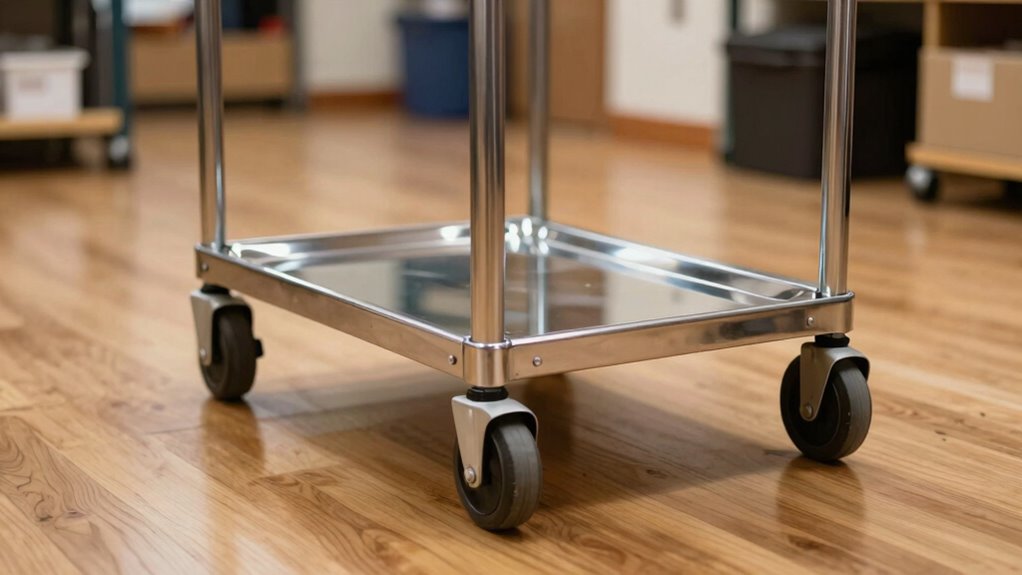
As you start using your rolling cart, you might notice that the wheels are a common point of failure. Wheels made from low-quality rubber or plastic often struggle with uneven surfaces or heavy loads. Squeaking wheels can become a persistent annoyance, and wobbling wheels compromise stability, making it harder to control the cart. Over time, the bearings inside the wheels can wear down or become clogged with dirt, further impairing smooth movement. Proper maintenance, like cleaning and occasional lubrication, can help, but choosing a cart with high-quality wheels from the beginning can save you a lot of trouble. Recognizing the importance of wheel quality can significantly improve your overall experience and extend the life of your cart.
Ultimately, the lifetime quality of a rolling cart depends on its ergonomic design and material durability. When these elements are overlooked, your once-reliable helper turns into a source of frustration. But selecting a cart built with thoughtful design and sturdy materials can keep it functioning smoothly for years, allowing you to enjoy the convenience it promises without the headaches. Paying attention to manufacturing standards can ensure you select a product that truly withstands the test of time.
heavy duty rolling cart with durable wheels
As an affiliate, we earn on qualifying purchases.
As an affiliate, we earn on qualifying purchases.
Frequently Asked Questions
How Do I Choose the Best Rolling Cart for My Needs?
To choose the best rolling cart for your needs, consider material durability—opt for sturdy metals or high-quality plastics that withstand daily use. Think about your design preferences: do you want a sleek, modern look or something more utilitarian? Also, evaluate storage capacity, wheel mobility, and size to match your space and tasks. Balancing durability with your aesthetic and functional needs guarantees you pick a cart that serves you well long-term.
What Are Common Signs My Rolling Cart Needs Maintenance?
You’ll notice your rolling cart needs maintenance when it starts wobbling or feels unstable, signaling issues with cart stability. Pay attention if the wheels show signs of wear, cracks, or don’t roll smoothly, which indicates declining wheel durability. These signs suggest it’s time to tighten loose parts, replace worn wheels, or check the cart’s frame to guarantee safe, stable use. Regular maintenance keeps your cart functioning smoothly.
Can Rolling Carts Be Modified for Better Performance?
Yes, you can modify rolling carts for better performance. Think of it as giving your cart a tune-up. Upgrading materials like replacing plastic wheels with rubber tires can smooth out the ride, while installing better locking mechanisms guarantees safety and stability. You might also add custom handles or reinforced shelves. These tweaks help your cart handle more weight, roll smoother, and serve your needs better, making it feel almost like a brand-new tool.
Are There Safety Tips for Using Rolling Carts in Tight Spaces?
Yes, when using rolling carts in tight spaces, prioritize safety by addressing stability concerns. Make certain the cart has lockable wheels to prevent unwanted movement. Use safety accessories like bumpers or corner guards to avoid damage and injury. Keep the area clear of obstacles, and move slowly to maintain control. Regularly inspect your cart’s wheels and locking mechanisms to make sure they work properly, ensuring safe and efficient use in confined environments.
How Long Do Rolling Carts Typically Last With Regular Use?
With regular use, your rolling cart typically lasts around 3 to 5 years, depending on material durability and how well you maintain it. To extend its lifespan, keep the wheels in good condition through regular wheel maintenance, like cleaning and lubricating. Choosing a cart made from sturdy materials can also make a difference, as it withstands daily wear and tear better, ensuring your cart stays functional longer.
As an affiliate, we earn on qualifying purchases.
Conclusion
You start to rely on your rolling cart, basking in its convenience and ease. But beneath that smooth surface, a quiet shift is happening—small signs of wear, unnoticed until suddenly, everything changes. One unexpected wobble, a squeak that won’t fade, and your trusted helper becomes a frustrating obstacle. Just when you think you’ve got it figured out, the real question lingers: will it hold up when you need it most? The answer might surprise you.
replacement wheels for rolling cart
As an affiliate, we earn on qualifying purchases.
As an affiliate, we earn on qualifying purchases.
foldable utility cart for heavy loads
As an affiliate, we earn on qualifying purchases.
As an affiliate, we earn on qualifying purchases.
Halloween Picks
halloween
As an affiliate, we earn on qualifying purchases.