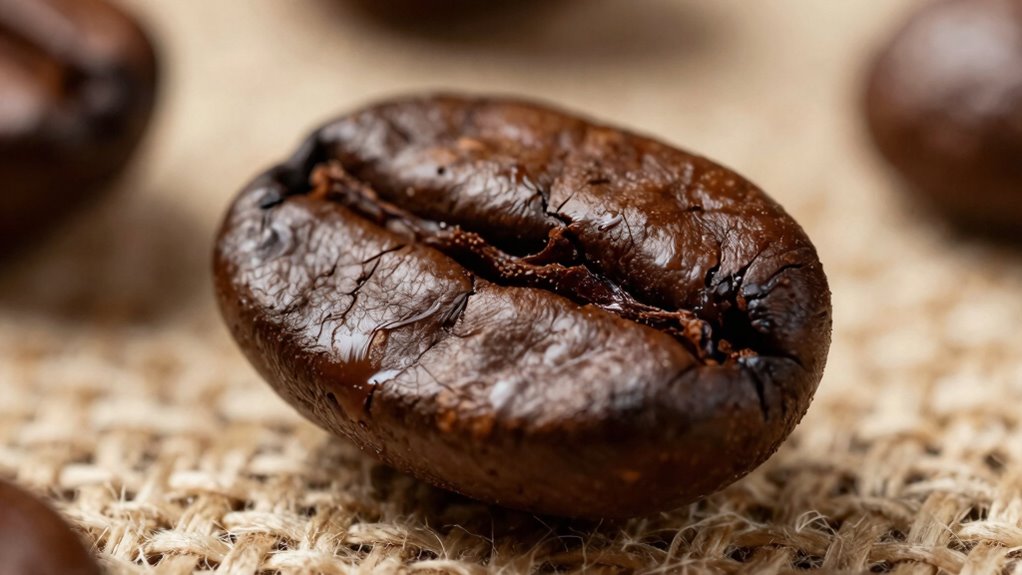

Dark roasts create a different kind of dialing in because their bold, smoky flavors and porous beans respond more sensitively to small adjustments. As their roasting alters bean structure and flavor unpredictably, you need to fine-tune variables like grind size, temperature, and brew time carefully. Small changes near the second crack can have significant effects, so patience and precision are key. To master these nuances and perfect your brew, keep exploring the details below.

Get kitchen gear delivered free with Prime
- Fast, free delivery on millions of items
- Prime Video, Amazon Music and more included
- Member-only deals all year
Key Takeaways
- Dark roasts are more porous, causing faster extraction and requiring precise adjustments to avoid over-extraction and bitterness.
- The intense roasting process alters bean structure, making flavor profiles less predictable and sensitive to small changes.
- Small variations in roast level near the second crack significantly impact flavor, demanding careful and incremental tuning.
- Flavor drift from batch to batch necessitates detailed monitoring and consistent roasting practices for reliable dialing-in.
- The bold, smoky qualities of dark roasts require balancing roast and brew variables carefully to maintain their distinct flavor profile.

Dark roasts can deliver bold, smoky flavors that many coffee enthusiasts love, but they can also be tricky to brew perfectly. When you’re dialing in your dark roast, achieving consistent flavor can be more challenging than with lighter roasts. The intense roasting process changes the beans’ structure, making flavor profiles less predictable and more sensitive to small adjustments. That’s why flavor consistency requires a careful approach, especially when trying to replicate a specific taste or profile from one brew to the next.
Dark roasts offer bold, smoky flavors but demand precise adjustments for consistent, flavorful brews.
One of the key factors that makes dark roasts unique during the dialing-in process is the need for precise roast adjustment. Because dark roasting pushes the beans closer to the second crack, even slight changes in roasting time or temperature can have a significant impact on flavor. If your roast is slightly too light, the brew might lack the depth and richness you’re after. Conversely, if it’s too dark, you risk introducing bitter, burnt flavors that mask the coffee’s natural characteristics. To get it just right, you need to fine-tune your roast adjustment, which often involves small, incremental modifications to your roasting profile and careful monitoring of the beans’ color and crack points. Additionally, understanding the chemical changes that occur during roasting can help you better predict how your beans will behave during brewing.
When you’re brewing a dark roast, you also have to be mindful of how the roast level influences extraction. Because darker beans are more porous and have undergone more chemical changes, they tend to extract quickly and unevenly if not handled properly. This makes dial-in more critical; inconsistent extraction can lead to flavor variation from shot to shot. To maintain flavor consistency, you might find yourself adjusting grind size, brew time, or water temperature. These tweaks help compensate for the rapid extraction and ensure the bold, smoky qualities of your dark roast shine through without becoming bitter or over-extracted.
Furthermore, because dark roasts are more prone to flavor drift, you have to pay close attention to your roast adjustment process. Every batch can vary slightly based on bean origin, moisture content, and roasting conditions. Keeping detailed notes on your roast profile and making small adjustments over time helps you develop a reliable method for dialing in each batch. This consistency allows you to enjoy that signature boldness and smoky flavor every time, without surprises. Ultimately, mastering flavor consistency in dark roasts depends on your ability to make precise roast adjustments and understand how those tweaks influence extraction and taste. With patience and practice, you’ll find the right balance that highlights the rich, complex qualities you love in a dark roast.
Products Worth Considering

Cuisinart Precision Master 5.5-Quart 12-Speed Stand Mixer

De'Longhi Rivelia Automatic Espresso Machine with Grinder and Milk Frother, Beige

Traeger Pro 22 Wood Pellet Grill and Smoker, 572 Sq. In.
As an affiliate, we earn on qualifying purchases.
Frequently Asked Questions
How Does Roast Level Affect Grind Size Preferences?
Your roast level influences your grind size preferences because darker roasts typically require a coarser grind to maintain brew consistency. Since dark roasts are more soluble, a finer grind can over-extract, leading to bitterness. Conversely, a coarser grind helps prevent over-extraction, ensuring your brew remains balanced. Adjusting grind size based on roast level helps you achieve the best flavor and consistency in every cup.
Can Dark Roasts Mask Brewing Flaws?
Yes, dark roasts can mask brewing flaws because their bold, smoky flavors help hide imperfections. They also reduce acidity, which makes subtle flaws less noticeable. When brewing with dark roasts, you might find it easier to overlook issues like uneven extraction or minor grind inconsistencies. However, this flavor masking can sometimes lead to missing out on the full potential of your beans, so pay attention to brewing details for the best results.
Do Dark Roasts Require Different Brewing Temperatures?
Yes, dark roasts require slightly different brewing temperatures. You should aim for a higher temperature to optimize flavor extraction, ensuring the richer, bolder flavors come through without over-extracting bitterness. Maintaining proper temperature helps balance acidity and enhances the deep, smoky notes characteristic of dark roasts. Adjust your brewing temperature carefully, as too hot or too cold can upset the acidity balance and compromise the overall flavor profile.
How Does Bean Origin Influence Dialing in Dark Roasts?
Bean origin greatly influences dialing in dark roasts, balancing flavor complexity with acidity. You’ll find that beans from different regions bring unique traits—Latin American beans add brightness, while African beans offer vibrant fruitiness. As you adjust grind size and brewing time, consider these origin nuances. You’ll refine your brew to highlight the richness of dark roasts, creating a harmonious balance that showcases the distinct qualities of each bean’s birthplace.
Are There Specific Equipment Settings for Dark Versus Light Roasts?
Yes, there are specific equipment settings for dark versus light roasts. When dialing in dark roasts, you should lower your brew temperature slightly to optimize flavor extraction and prevent over-extraction, which can dull the aroma development. Additionally, adjusting grind size to a coarser setting helps enhance aroma and prevents over-extraction. For light roasts, a finer grind and slightly higher temperature improve flavor extraction and aroma, ensuring you capture the beans’ nuanced flavors.
Conclusion
You now understand that dark roasts require a different dialing-in approach, emphasizing their bold flavors and lower acidity. Interestingly, studies show that over 60% of coffee enthusiasts prefer dark roasts for their robust taste, yet many overlook the adjustments needed to perfect their brew. By fine-tuning your grinder and brew parameters specifically for dark roasts, you’ll reveal their full potential and enjoy a richer, more satisfying cup every time.