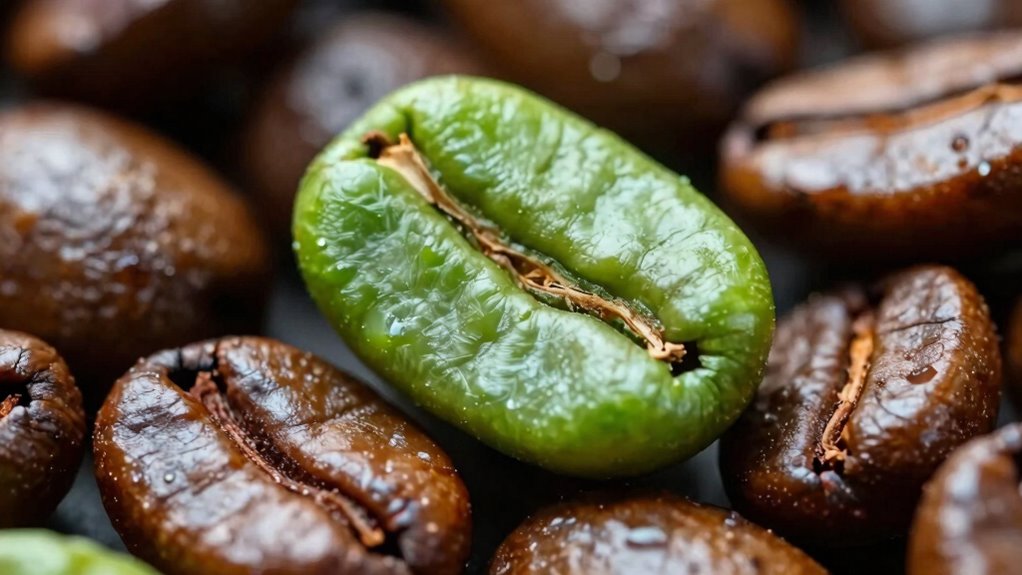

If you’re an espresso fan, your curiosity about green coffee might lead you to try roasting at home. Green beans offer a fresh, customizable flavor that can be tailored to your taste, unlike pre-roasted varieties. Roasting gives you control over the flavor profile and deepens your connection to the process. It’s a rewarding journey from bean to cup, and if you keep exploring, you’ll discover even more ways to perfect your perfect shot.

Get kitchen gear delivered free — and shop member deals
- Fast, free delivery on millions of items
- Access to Prime Big Deal Days deals on October 6–7
- Prime Video, Amazon Music and more included
Key Takeaways
- Espresso enthusiasts are drawn to green coffee for its customizable roasting process, enhancing flavor profiles to suit personal preferences.
- Roasting green beans allows control over acidity, body, and aroma, leading to a more tailored espresso experience.
- The hands-on process deepens understanding of coffee’s origin, quality, and transformation, fueling curiosity among espresso fans.
- Home roasting reveals subtle flavor nuances often masked in commercial espresso blends, inspiring experimentation.
- The pursuit of freshness and unique flavor profiles motivates espresso lovers to roast their own green coffee beans.
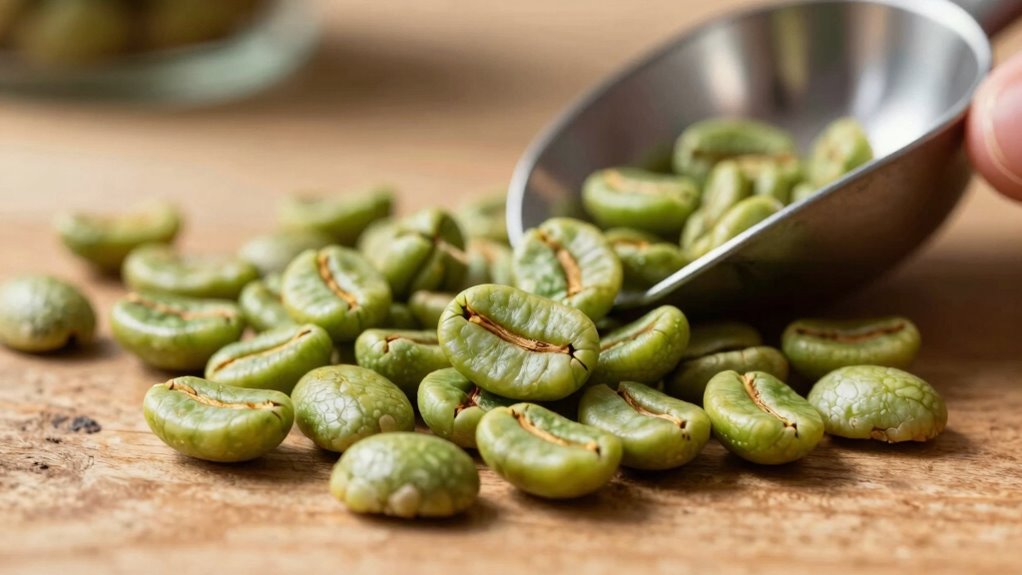
Green coffee has sparked curiosity among health enthusiasts and weight-loss seekers alike, thanks to its unique properties and potential benefits. But beyond its health claims, many coffee lovers find themselves intrigued by the idea of roasting green beans themselves. This curiosity isn’t just about saving money or customizing flavors; it’s about gaining a deeper connection to the coffee they enjoy daily. When you start exploring green coffee, you quickly realize that flavor profiles play a significant role. Unlike roasted beans, green coffee beans have a more subdued, grassy aroma, which transforms dramatically as they’re roasted. You get to witness firsthand how different roasting times and temperatures bring out varying notes—sometimes fruity, nutty, or even floral. This process allows you to craft a cup that aligns perfectly with your taste preferences, creating a personalized experience that simply buying pre-roasted beans can’t match.
As you investigate roasting your own green coffee, you also become more conscious of freshness preservation. Green coffee beans are especially more stable than roasted ones—they don’t go stale as quickly, which gives you a broader window to experiment without worrying about losing quality. When you roast your beans at home, you control the freshness from start to finish. The moment you crack open a bag of green beans, you hold the power to preserve their peak quality. Proper storage, like airtight containers kept in a cool, dark place, helps maintain their aroma and flavor integrity. You learn that the freshness of your roasted coffee hinges on just a few simple steps—storing green beans correctly, roasting them in small batches, and consuming them within a reasonable timeframe. This attention to freshness not only improves the taste but also enhances the overall experience, making every cup a new adventure. Additionally, understanding the green coffee supply chain can deepen your appreciation for the origins of your beans and the importance of quality control. Recognizing how green coffee beans are sourced and processed can foster a greater respect for the craftsmanship involved in producing high-quality coffee. Gaining knowledge about the green coffee processing methods can further improve your ability to select beans that match your flavor preferences. Moreover, learning about the various green coffee varieties can help you choose beans that align with your desired flavor profile and satisfaction. Exploring the different green coffee cultivation practices can also reveal how environmental factors influence the beans’ characteristics.
Roasting your own green coffee isn’t just about flavor; it’s about understanding the journey from bean to cup. You see how different roasting levels influence flavor profiles, and how freshness plays a critical role in that transformation. As you experiment, you start appreciating the nuances that commercial roasters often mask or overlook. This hands-on approach deepens your appreciation for coffee, transforming it from a simple morning routine into a craft. Whether you’re motivated by curiosity, a desire for customization, or a passion for quality, roasting green coffee puts you in control of every aspect of your brew. In the end, the curiosity that draws you into green coffee roasting becomes a rewarding journey—one that enriches your appreciation for the coffee you love to sip.
Frequently Asked Questions
Can Green Coffee Beans Be Consumed Without Roasting?
You can technically eat green coffee beans raw, but they have a bitter, grassy raw flavor that most find unpleasant. Eating them raw isn’t common, and it’s not recommended for taste or digestion. If you want to store green beans, use airtight containers in a cool, dark place to preserve freshness. Roasting enhances flavor and makes them more palatable, so consider roasting to enjoy their full potential.
How Long Does Green Coffee Stay Fresh?
Green coffee stays fresh for about 6 to 12 months if stored properly. To maintain green freshness and shelf stability, keep the beans in an airtight container away from light, heat, and moisture. Proper storage prevents deterioration and preserves flavor quality over time. If you store them well, you’ll enjoy their potential for roasting and brewing at your convenience, making the most of your green coffee’s shelf life.
Are Green Coffee Beans More Caffeine-Rich Than Roasted?
Think of green coffee beans as unopened treasure chests—more caffeine-rich than roasted beans, but their true value lies in flavor preservation and bean quality. Roasting releases flavors but slightly diminishes caffeine density. If you’re after a caffeine boost, green beans hold a secret strength, yet roasting reveals the nuanced tastes. Your choice depends on whether you prioritize pure caffeine power or richer, preserved flavors in your coffee journey.
What Are the Health Benefits of Green Coffee?
Green coffee offers notable health benefits, primarily due to its high antioxidant properties. These antioxidants help fight free radicals, reducing oxidative stress and supporting overall health. Green coffee may also aid in weight management, improve metabolism, and promote better blood sugar regulation. By including green coffee in your diet, you can enjoy these benefits, but it is crucial to consume it in moderation and consult a healthcare professional if you have concerns.
Is Green Coffee More Environmentally Sustainable?
Yes, green coffee can be more environmentally sustainable. About 70% of coffee farms practice sustainable farming, reducing environmental impact. Organic certification guarantees farmers avoid harmful chemicals, promoting soil health and biodiversity. By choosing green coffee with these practices, you’re supporting eco-friendly methods that conserve water, reduce carbon footprint, and protect ecosystems. This approach helps minimize environmental harm and promotes a healthier planet for future coffee production.
Conclusion
As you explore the world of green coffee and roasting, remember that curiosity fuels passion and discovery. Embrace the journey, experiment, and learn from each batch you create. Like the saying goes, “Rome wasn’t built in a day,” so be patient and persistent. Your dedication will deepen your appreciation for coffee’s complexity and reward you with unique, satisfying brews. Keep exploring — the best coffee adventures are just a roast away.
Fall Picks
fall essentials
As an affiliate, we earn on qualifying purchases.