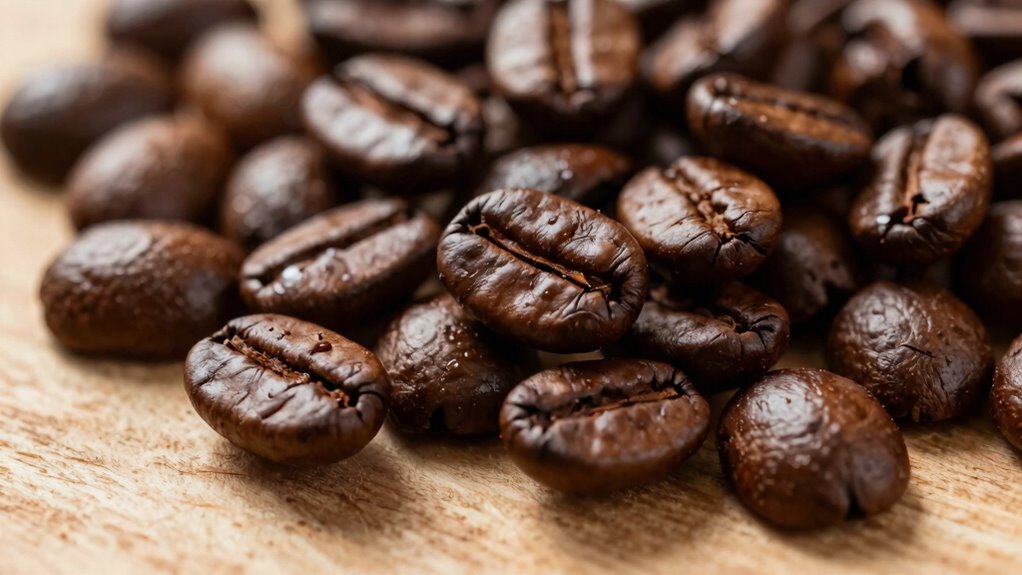

When you brew espresso right after roasting, the fresh beans haven’t fully developed their flavor yet. During this initial period, the aroma and taste can be flat, harsh, or unbalanced, making the coffee seem worse rather than better. Allowing your beans to rest for a few days helps release gases and lets complex flavors settle. With patience, you’ll notice a richer, smoother taste emerging—if you want to learn how to time it right, keep going.

Get kitchen gear delivered free — and shop member deals
- Fast, free delivery on millions of items
- Access to Prime Big Deal Days deals on October 6–7
- Prime Video, Amazon Music and more included
Key Takeaways
- Freshly roasted beans release excess gases that can cause harshness and uneven extraction in espresso.
- Immediate brewing prevents flavor compounds from fully developing, resulting in flat or sharp tastes.
- Resting beans allows volatile compounds to settle, improving aroma and flavor complexity.
- Young beans may lack the balance of acidity, sweetness, and body needed for optimal espresso.
- Patience during the aging process enhances overall flavor harmony and smoothness in the final brew.
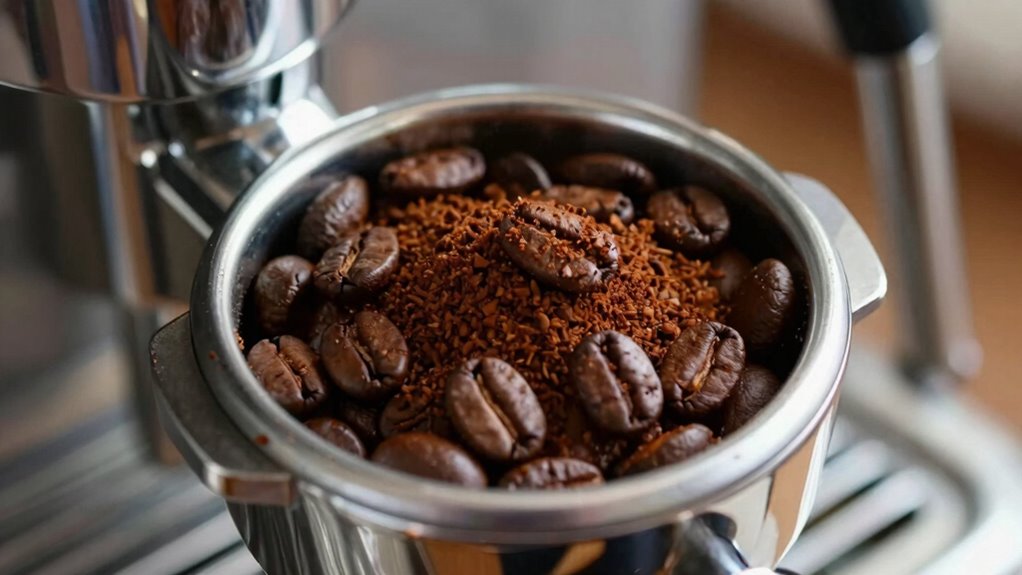
When you first grind fresh coffee beans for espresso, it might seem like the brew’s flavor is off or less satisfying than expected. That’s because fresh beans are still evolving, and their flavor development is ongoing. When beans are newly roasted, they haven’t yet reached their peak flavor profile. Instead, their aroma and taste are still in flux, which can make your espresso taste flat, astringent, or overly sharp. It’s tempting to think that fresh means better right away, but in reality, there’s a delicate period where beans need time to mature. During this phase, bean aging is crucial; it allows the beans to release gases and stabilize internally, which enhances the overall flavor. If you try brewing immediately after roasting, you might be missing out on the complex, nuanced flavors that develop with a little patience.
As beans age just slightly after roasting, their volatile compounds begin to settle, and their flavor profile starts to deepen. This isn’t about waiting weeks—just a few days to a week can make a noticeable difference. During this period, the initial sharpness and harshness mellow out, letting the more subtle notes come forward. This process of flavor development is vital because it helps your espresso achieve a balanced taste, with the right mix of acidity, sweetness, and body. If you rush into brewing too soon, the espresso can feel underwhelming or even unpleasant, lacking the depth and richness you’re chasing. It’s a matter of patience and understanding that freshly roasted beans need time to develop their full potential. Proper bean aging can significantly improve the final flavor of your espresso.
Once the beans have rested enough for flavor development, you’ll notice a significant improvement in the espresso’s quality. The aroma becomes more inviting, and the flavors become more layered and harmonious. This is when bean aging has done its job, and you’re better able to appreciate the true character of your coffee. So, if your first few shots with fresh beans don’t thrill you, don’t give up. Allow the beans to rest for a couple of days, and then try again. You’ll find that with a little patience, the flavor will blossom, and the espresso will taste richer, smoother, and more satisfying. Balancing freshness with proper bean aging is key to unlocking the best possible flavor from your coffee beans. Additionally, understanding the coffee roasting process can help you better grasp how flavor evolves over time. Recognizing these stages can also guide your espresso preparation to achieve optimal results.
fresh coffee bean storage container
As an affiliate, we earn on qualifying purchases.
As an affiliate, we earn on qualifying purchases.
Frequently Asked Questions
How Long Should I Wait After Roasting Before Brewing?
You should wait about 24 to 48 hours after roasting before brewing, depending on the roast timing and bean freshness. Freshly roasted beans release gases that can negatively impact extraction, making your espresso taste off. Letting them rest allows the beans to degas and develop flavor. For the best taste, aim for this resting period, but avoid waiting too long, as beans can lose freshness and flavor over time.
Can Storage Methods Affect Espresso Flavor Development?
Yes, storage methods impact espresso flavor development. You should consider storage duration carefully; beans stored too long lose freshness and flavor. Using an airtight container made of non-reactive material, like glass or stainless steel, helps preserve aroma and taste. Avoid clear or porous containers, which let light and air degrade beans faster. Proper storage guarantees your beans stay fresh, allowing their flavors to develop fully when you brew espresso.
Is There a Way to Accelerate Bean Aging?
You can’t really accelerate bean aging, but you can manage it. To reduce bean oxidation and slow down flavor changes, use proper storage techniques like airtight containers and keep beans in a cool, dark place. Avoid frequent exposure to air, light, and heat. While aging is natural, these methods help maintain freshness longer, giving your espresso a better taste over time, rather than rushing the process.
Do Different Bean Types Age Differently?
Some bean types age with more grace, experiencing slower bean oxidation and less flavor degradation over time. For example, robusta beans tend to hold their character longer than delicate arabicas, which can quickly lose their nuance. You’ll find that the aging process varies, with darker roasts often enduring oxidation better than lighter ones. This means your choice of bean type influences how quickly flavor shifts, so select based on your preferred aging window.
How Does Ambient Humidity Impact Fresh Beans?
Ambient humidity markedly impacts fresh beans, causing humidity fluctuations that affect their quality. When humidity rises, beans absorb moisture, leading to potential mold growth or uneven roasting. Conversely, low humidity can dry out beans, making them brittle. To safeguard your beans, store them in a sealed storage container, which helps regulate moisture levels and preserves freshness despite changing humidity. Proper storage ensures your espresso remains flavorful and consistent.
coffee bean aging and storage kit
As an affiliate, we earn on qualifying purchases.
As an affiliate, we earn on qualifying purchases.
Conclusion
Remember, patience is your best friend when it comes to fresh beans. Like a fine wine, they need time to settle and reveal their full potential. In the beginning, your espresso might seem like a rough diamond, but with a little time, it’ll shine brighter than ever. Trust the process, and soon you’ll savor that rich, vibrant brew—proof that good things truly come to those who wait.
espresso coffee grinder for fresh beans
As an affiliate, we earn on qualifying purchases.
As an affiliate, we earn on qualifying purchases.
coffee roasting and resting thermometer
As an affiliate, we earn on qualifying purchases.
As an affiliate, we earn on qualifying purchases.
Fall Picks
fall essentials
As an affiliate, we earn on qualifying purchases.