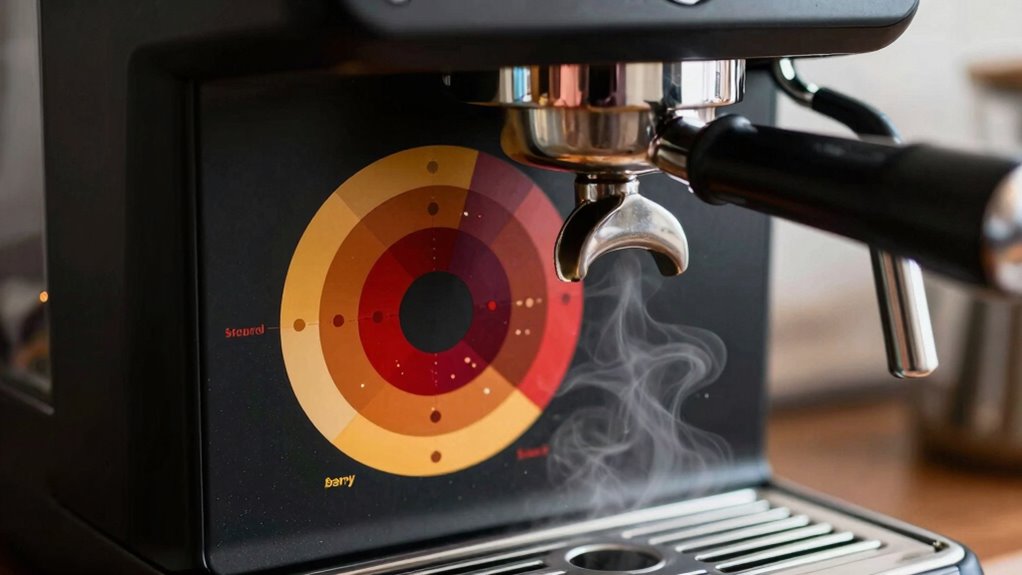

A well-designed taste map makes espresso troubleshooting simpler by linking specific flavor cues to their causes. When you notice sourness, over-extraction could be the issue; bitterness might mean over-extraction too. Thin or watery shots suggest under-extraction, while thick or syrupy ones signal over-extraction. By understanding these signs, you can quickly adjust grind size, brew time, or tamping. If you keep exploring, you’ll discover how to interpret these cues more accurately and fine-tune your technique for consistently great espresso.

Get kitchen gear delivered free — and shop member deals
- Fast, free delivery on millions of items
- Access to Prime Big Deal Days deals on October 6–7
- Prime Video, Amazon Music and more included
Key Takeaways
- The taste map links specific flavor cues to common extraction issues, simplifying troubleshooting.
- Recognizing flavors like sourness or bitterness guides precise adjustments in grind or brew time.
- Using the flavor map accelerates diagnosing problems, reducing trial-and-error in espresso making.
- Familiarity with flavor profiles enhances consistency and confidence in refining brewing techniques.
- Regular practice with the taste map turns flavor interpretation into an intuitive troubleshooting tool.
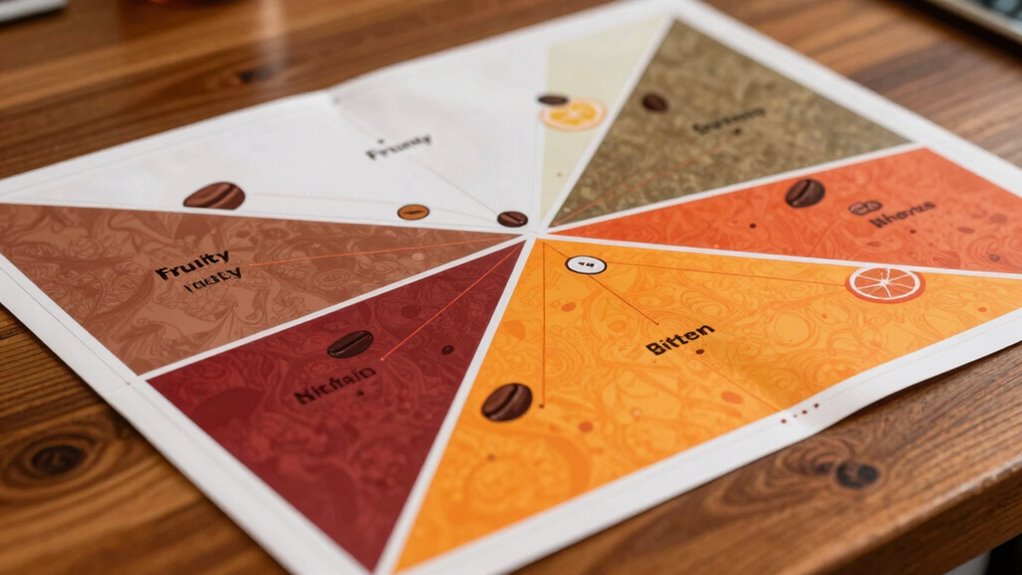
Ever wondered what your espresso’s taste reveals about its preparation? The answer lies in understanding flavor profiles and extraction techniques. When you take that first sip, you’re not just experiencing a beverage—you’re getting clues about how well your brewing process is working. A well-balanced shot should have a harmony of flavors, but if it’s off, you need to interpret what those flavors are telling you. The taste map acts as a guide, helping you diagnose issues based on the nuances in flavor.
Different flavor profiles signal different extraction issues. For example, if your espresso tastes sour or overly acidic, it often indicates under-extraction. This means your extraction techniques might be too quick or your grind is too coarse, preventing the water from dissolving enough of the coffee’s soluble compounds. On the other hand, if your shot is bitter or overly harsh, it suggests over-extraction. You might be brewing for too long or using a grind that’s too fine, extracting bitter compounds that dominate the flavor. Recognizing these cues allows you to adjust your technique accordingly.
The flavor map simplifies troubleshooting by correlating specific tastes with underlying causes. For instance, a thin or watery shot usually points to insufficient extraction, possibly due to tamping unevenly or using too little coffee. Conversely, a shot that’s too thick or syrupy could mean over-extraction or that the grind is too fine. When you taste a muddled or muted flavor, it might indicate stale beans or inadequate grinding, both of which hinder proper extraction. Each flavor cue is like a signpost, guiding you toward the right adjustment. Understanding extraction techniques and their impact on flavor profiles can further enhance your troubleshooting skills.
Additionally, becoming familiar with flavor profiles can help you distinguish subtle differences in extraction quality and bean freshness, sharpening your overall craft. Using this taste map, you can refine your extraction techniques with confidence. If your espresso is too sour, try increasing the extraction time slightly or grinding a bit finer. If it’s too bitter, dial back the extraction by shortening brew time or coarsening the grind. Over time, these adjustments become intuitive as you learn to interpret what your taste buds are telling you. The key is to approach each shot as a diagnostic tool, reading its flavors to optimize your technique.
In essence, your taste is your most valuable troubleshooting tool. By understanding flavor profiles and how they relate to extraction techniques, you can fine-tune your espresso-making process. The taste map empowers you to identify problems quickly and make precise adjustments, transforming your brewing from guesswork into a craft. The next time you sip your espresso, remember—what you taste is the map guiding your path to perfection. Additionally, paying attention to flavor profile differences can help you better understand the nuances of extraction and improve your overall craft.
espresso taste troubleshooting guide
As an affiliate, we earn on qualifying purchases.
As an affiliate, we earn on qualifying purchases.
Frequently Asked Questions
How Often Should I Calibrate My Taste Map?
You should calibrate your taste map regularly, ideally every few weeks or whenever you notice changes in flavor consistency. Frequent calibration guarantees your palate stays accurate and your espresso remains consistent. If you switch beans, adjust equipment, or experience flavor shifts, calibrate sooner. Maintaining a consistent calibration frequency helps you identify subtle flavor differences, troubleshoot issues effectively, and produce high-quality espresso every time.
Can Personal Palate Differences Affect the Taste Map Accuracy?
Yes, your personal palate can influence the accuracy of your taste map because individual taste perception varies. What tastes balanced to you might seem overly bitter or flat to someone else. Your unique sensory experiences shape how you interpret espresso flavors. To improve accuracy, regularly calibrate your taste map by tasting different coffees and noting how your personal palate perceives each flavor, helping you develop a more reliable reference point for troubleshooting.
Is the Taste Map Applicable to All Espresso Machines?
Yes, the taste map is applicable to most espresso machines, but your focus should be on flavor consistency and machine compatibility. Different machines may produce subtle flavor variations, so use the map as a general guide rather than a strict rule. It helps you identify potential issues and fine-tune your setup, ensuring you get the best flavor possible from your specific machine. Adapt the map as needed for ideal results.
How Do Environmental Factors Influence Espresso Flavor?
Environmental factors considerably influence your espresso flavor. High ambient humidity can cause your coffee to become more porous, leading to over-extraction and a bitter taste. Water mineral content affects extraction quality; too much minerals can dull flavors, while too little can cause under-extraction. Adjust your grind size and brewing parameters accordingly, and use filtered water when possible to maintain consistent flavor and avoid unwanted mineral interference.
Can the Taste Map Help With Non-Espresso Coffee Troubleshooting?
Yes, the taste map can help with non-espresso coffee troubleshooting by acting as a compass guiding your sensory journey. It highlights areas for flavor consistency and reveals signs of sensory adaptation, helping you identify where flavors shift or fade. By mapping your taste perceptions, you gain clearer insights into brewing issues, allowing you to fine-tune your process and enjoy a more balanced, consistent cup every time.
As an affiliate, we earn on qualifying purchases.
Conclusion
Now that you’ve seen how the taste map guides your espresso troubleshooting, imagine the possibilities when you master each flavor nuance. With every shot, you’ll uncover subtle clues that lead you closer to perfection. But beware—what surprises await as you fine-tune your process? The journey isn’t over yet. Keep exploring, keep tasting, and the secrets behind your ideal espresso could be just one adjustment away. Are you ready to access them?
espresso extraction troubleshooting tools
As an affiliate, we earn on qualifying purchases.
As an affiliate, we earn on qualifying purchases.
coffee grind size adjustment tools
As an affiliate, we earn on qualifying purchases.
As an affiliate, we earn on qualifying purchases.
Fall Picks
fall essentials
As an affiliate, we earn on qualifying purchases.