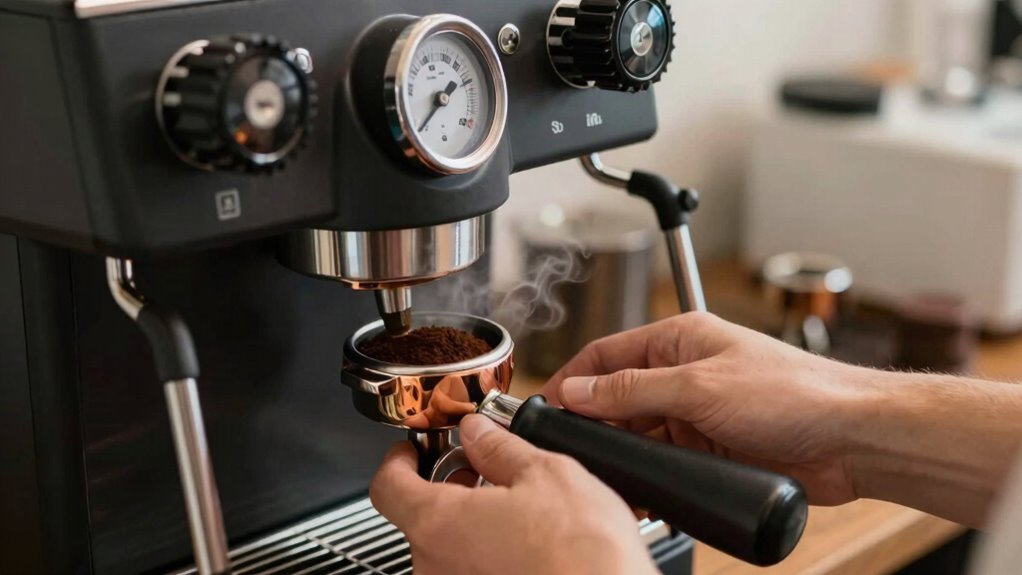
The one espresso parameter beginners should stop changing is your grind size. It’s the most impactful factor on shot quality because it directly affects water flow and extraction. Once you dial in the right grind size, your shots become more consistent and easier to control, reducing frustration. Tamping and timing are important, but they follow once your grind is set. Keep adjusting the grind until it’s just right—there’s more to learn when you do.

Get kitchen gear delivered free with Prime
- Fast, free delivery on millions of items
- Prime Video, Amazon Music and more included
- Member-only deals all year
Key Takeaways
- Beginners should stop changing multiple variables simultaneously; focus first on mastering grind size.
- Adjusting grind size has the most direct impact on shot quality and extraction consistency.
- Once grind size is dialed in, other parameters like tamping and timing become easier to control.
- Avoid fixating on shot timing initially; proper grind size stabilizes extraction duration.
- Simplifying adjustments by prioritizing grind size helps build confidence and foundational skills.
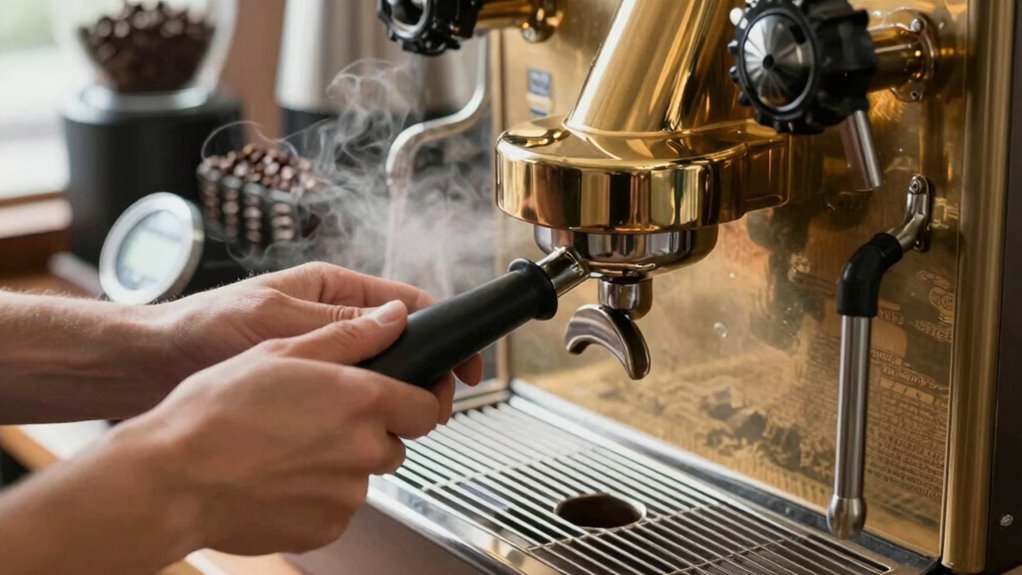
If you’re new to espresso making, you might be tempted to tweak multiple parameters to perfect your shot. It’s natural to want everything just right, but focusing on one key factor can save you a lot of frustration. That factor is grind size. Many beginners believe that adjusting tamp pressure or extraction time will immediately improve their espresso, but in reality, the grind size has the most significant impact on the quality of your shot. When you get your grind size dialed in, other variables become much easier to control.
Focus on mastering grind size first for better espresso results.
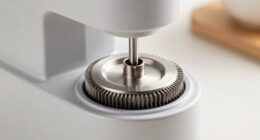
Grind size directly influences how water interacts with the coffee grounds. If your grind is too coarse, the water will flow through too quickly, resulting in a weak, under-extracted shot. Conversely, if it’s too fine, the water struggles to pass through, causing over-extraction, bitterness, and a slow pour. By consistently adjusting and fine-tuning your grind size, you set a reliable foundation for all your espresso parameters to work harmoniously. Once you find the right grind size — one that produces a steady, balanced extraction — it becomes easier to assess other factors like tamp pressure and extraction time without constantly changing the grind.
Speaking of tamp pressure, it’s tempting to think pressing harder or softer will fix issues, but it’s a secondary factor once your grind size is correct. Tamping should be firm and even, applying consistent pressure to create a uniform coffee bed. When your grind size is off, tamping has limited influence on the shot’s outcome. Instead, it’s more productive to focus on maintaining a steady tamp pressure once your grind is dialed in, ensuring even extraction rather than trying to compensate for a poor grind with excessive tamping.
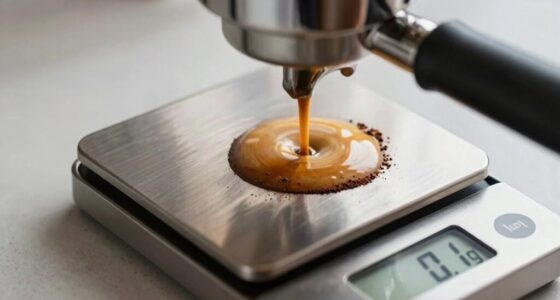
Extraction time, often thought of as a key variable, is also heavily influenced by grind size. When your grind is just right, your shot should take around 25 to 30 seconds to extract. If it’s too short or too long, adjusting the grind size can bring it back into balance. Trying to fix an improper extraction time by changing tamp pressure or rushing the shot only complicates the process. Instead, once your grind size is set properly, extraction time becomes a predictable measure, and you’ll see consistent results.
In essence, stop obsessing over tamp pressure and extraction time before you’ve nailed your grind size. Master that one parameter first. When your grind size is dialed in, the other elements fall into place, making your espresso-making journey more straightforward and ultimately more successful. Additionally, understanding the importance of net worth can motivate you to refine your skills, as mastery often correlates with consistent results and confidence in your craft.
As an affiliate, we earn on qualifying purchases.
Frequently Asked Questions
How Does Water Temperature Affect Espresso Extraction?
Water temperature directly impacts your espresso extraction by influencing brew time and flavor. When water’s too hot, extraction speeds up, possibly over-extracting bitter compounds; too cold, and it under-extracts, resulting in weak flavor. Using good water quality guarantees a balanced taste. Adjust the temperature to find the sweet spot, allowing proper extraction within your target brew time, so your espresso develops rich, balanced flavors without bitterness or sourness.
What Grind Size Is Ideal for Different Roast Levels?
Like a well-aimed arrow, your grind size should match your roast level. For dark roasts, go slightly coarser to avoid over-extraction; for light roasts, use a finer grind to maximize flavor. Maintain a consistent tamp and a proper brew ratio to guarantee even extraction. Think of it as your secret weapon in mastering espresso—adjusting grind size for each roast makes all the difference in pulling a perfect shot.
How Does Tamping Pressure Influence Shot Quality?
You influence shot quality by applying consistent tamping pressure, which guarantees even extraction. Focus on your tamping technique to maintain uniform pressure across the coffee bed. Avoid pressing too hard or too softly, as inconsistent pressure leads to uneven extraction and flavors. Practice steady, controlled tamping to improve shot consistency, making your espresso smoother and more balanced. Remember, pressure consistency is key to achieving ideal espresso shots every time.
Can Equipment Calibration Impact Espresso Consistency?
Yes, equipment calibration critically impacts espresso consistency. When your machine is well-calibrated, it guarantees pressure uniformity and machine stability, which are essential for a consistent shot. Proper calibration means your espresso will have even extraction, better flavor, and consistent quality. Regularly checking and adjusting your equipment helps eliminate variables, so each shot tastes just as good as the last, making your espresso experience more predictable and enjoyable.
What Are Signs of Over- or Under-Extraction in Espresso?
Imagine your espresso as a delicate dance—over-extraction feels like a bitter, burnt tango, while under-extraction is a dull, flat waltz. Signs include brew time that’s too long or short, affecting crema quality and flavor. If your shot’s bitter and harsh, it’s likely over-extracted. If it’s sour and weak, under-extracted. Adjust your grind size and shot time to find that perfect rhythm, ensuring a smooth, balanced cup.
As an affiliate, we earn on qualifying purchases.
Conclusion
Think of your espresso journey like tuning a guitar—you don’t need to adjust every string at once. Instead, focus on one key parameter, like grind size, and master it. Once you’ve nailed that, the others will fall into place naturally. Stop chasing perfect shots by constantly changing everything. Trust the process, and enjoy the symphony of flavors you create with patience and focus. Your perfect espresso is just a steady hand away.
As an affiliate, we earn on qualifying purchases.
As an affiliate, we earn on qualifying purchases.
Fall Picks
fall essentials
As an affiliate, we earn on qualifying purchases.