TL;DR
Coffee-industry and design voices describe a growing audience of home baristas investing in prosumer espresso machines and equipment. They point to pandemic-era home brewing, interest in craft and café-style drinks, design, and improving access to capable gear; the source does not provide sales figures or a defined market-growth measure.
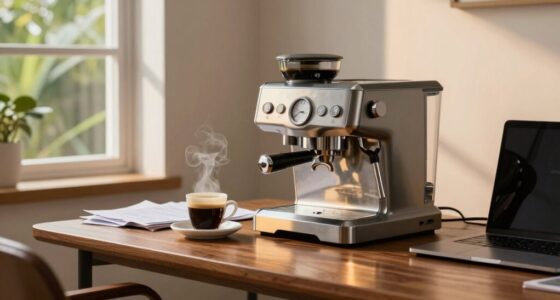
Prosumer espresso machines and coffee equipment are finding a wider place in homes, according to La Marzocco Home global director Dave Bise and coffee and interior-design creator Nick Lowery, who describe a shift from café-inspired home brewing to a more deliberate hobby. Their accounts point to pandemic-era changes in coffee habits, interest in hands-on rituals, design-conscious kitchen setups and equipment becoming more accessible, though the source provides no sales data to measure the trend.

Get kitchen gear delivered free with Prime
- Fast, free delivery on millions of items
- Prime Video, Amazon Music and more included
- Member-only deals all year
The appeal is not limited to owning a more expensive machine. Bise says people who discovered specialty coffee at cafés or while travelling want to reproduce that experience at home, and are investing in equipment with similar care. Lowery says he began exploring home brewing during the pandemic, when his access to New York City coffee shops changed. He describes the practice as a way to choose roasters and producers, adjust recipes and make coffee to his own taste.
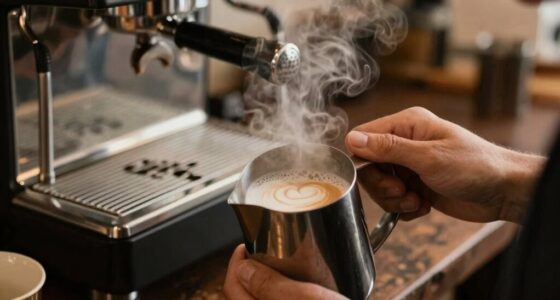
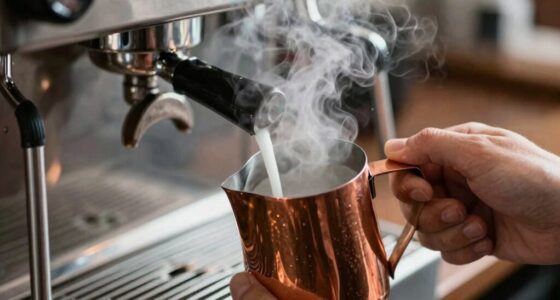
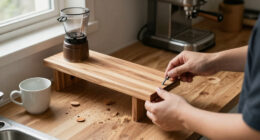
A prosumer setup can include a semi-automatic espresso machine alongside a grinder, scale, milk pitcher and knock box. These tools give users more control over grinding, weighing, extraction and milk steaming than a basic drip machine. Lowery says grinders with large burrs and single-dose designs have become available at prices in the mid-hundreds of dollars, while features such as PID temperature control and dual boilers have appeared in less expensive espresso machines. The source does not give product-by-product prices or a comparison period.
Those changes sit alongside a growing coffee-focused design culture, including dedicated home coffee bars and social-media content showing brewing and café-style gatherings. Bise says La Marzocco Home has seen demand grow and a change in its customer profile, with more design-conscious buyers alongside coffee professionals. That is a company representative’s account, not an independently documented industry-wide sales measure.
Prosumer Coffee Comes Home Craft, ritual and design
Coffee voices describe more people bringing café-style brewing into their homes. The shift reflects a hobby and kitchen choice, though its market scale is not measured.
Why home brewing appeals
Coffee makers describe a mix of personal taste, hands-on preparation and home design.
A daily ritual
Grinding, dialing in espresso and steaming milk make preparation an involved part of the day.
Coffee your way
Home baristas can choose roasters, adjust recipes and make drinks to their taste.
A place in the kitchen
Machines and accessories can become part of a dedicated coffee area, using valuable counter space.
What a setup can include
A prosumer setup gives users more control over each step than a basic drip machine.
A grinder lets users choose how coffee is ground.
A semi-automatic machine and scale support hands-on extraction.
A milk pitcher and knock box support steaming and cleanup.
Professional features reach home users
Coffee creator Nick Lowery says some capable equipment has become more accessible.
- Large-burr, single-dose grinders
- PID temperature control
- Dual boilers for brewing and steaming
- Some grinders now cost in the mid-hundreds of dollars
- Some machine features appear in less expensive models
- No product-by-product price comparison is provided
The trend has limits
The reported interest is not the same as a measured industry-wide market trend.
How Home Brewing Changes the Kitchen
The shift matters because a coffee machine can be both a household appliance and a substantial discretionary purchase. For people who regularly buy specialty drinks, brewing at home may offer an alternative way to spend on coffee, while giving them control over beans, recipes and preparation. Lowery argues that the arithmetic can work for some buyers, comparing home preparation with café drinks that can cost £6-7 after tax and tip. That comparison is his assessment; the source does not calculate equipment costs, ingredient expenses, usage rates or how long it takes to recover a machine’s price.
Prosumer gear also affects how kitchens are planned and used. A grinder, machine and accessories take up counter space, and some owners are making that equipment part of a dedicated coffee area rather than storing it out of sight. The purchase can therefore reflect preferences about home design and daily routine as much as a search for a better cup. For retailers and manufacturers, the reported change in customer interest suggests an audience extending beyond café operators and dedicated coffee professionals, although the scale of that audience is not quantified here.
Products Worth Considering

KitchenAid Artisan Series 5-Quart Tilt-Head Stand Mixer, Dried Rose

Vitamix Propel Series 510 Professional-Grade Blender, Black

Le Creuset Stainless Steel Roasting Pan with Nonstick Rack, 16.25 x 13.25 in
As an affiliate, we earn on qualifying purchases.
From Pandemic Brewing to Home Cafés
Lowery traces his own interest to the pandemic, when changes to daily life prompted him to brew at home despite previously having access to New York coffee shops. He says the hobby grew from a practical response into a more involved part of his routine. His experience offers an individual example, not proof that the pandemic alone caused a broad market change.
Lowery identifies three factors behind the wider appeal: coffee content spreading on social platforms, interest in tactile craft and ritual, and the potential to make café-style drinks at home. Bise similarly describes espresso preparation—dialling in a shot, steaming milk and pouring latte art—as a small act of craftsmanship. Together, their comments frame prosumer coffee as a blend of equipment, skill and daily enjoyment rather than simply a machine upgrade.
Professional-style features are also appearing in equipment aimed at home users, according to Lowery. He cites PID temperature control, which helps regulate brewing temperature, and dual boilers, which allow separate brewing and steaming systems. The source characterizes these features as more accessible than before but does not provide market-wide pricing or technical comparisons.
“Over the past few years, we’ve watched home espresso go from a niche group of passionate coffee drinkers to a much larger culture of its own.”
— Dave Bise, global director at La Marzocco Home
Sales Growth Lacks Published Figures
The source gives no dates for the claims beyond references to the past few years and the pandemic, and it includes no market totals, sales figures or survey results. Bise reports growth in demand for La Marzocco Home machines, but does not quantify it; a single manufacturer’s experience cannot establish the size or pace of growth across the sector.
It is also unclear how many buyers make a lasting hobby of home espresso, how much they spend on a complete setup, or whether home equipment saves money compared with café purchases over time. The cited café-drink price and equipment-price observations lack a shared location, product comparison and cost calculation. The reasons offered by Bise and Lowery describe their views and experience, rather than a representative study of buyers.
More Data Would Test the Trend
The source does not announce a new product, a forthcoming release or a scheduled industry report. The next useful evidence would be dated sales data from multiple manufacturers and retailers, alongside information on machine prices, accessories and the types of buyers purchasing them. That would help show whether reported interest is translating into sustained growth across the home coffee equipment market.
For readers considering a setup, the accounts suggest weighing the full cost and counter space against how often the equipment will be used and whether controlling each brewing step is part of the appeal. No single machine or configuration is identified as necessary, and the source does not establish that an expensive prosumer setup is more economical for every household.
Key Questions
What does prosumer mean for home coffee?
A prosumer home coffee setup uses equipment and techniques associated with professional coffee preparation, but for personal use. It may include an espresso machine, grinder, scale and milk-steaming tools.
Why are more people interested in making espresso at home?
La Marzocco Home’s Dave Bise and creator Nick Lowery cite café experiences, pandemic-era changes in home brewing, interest in hands-on craft, coffee content online and the ability to choose beans and recipes. The source does not establish how common each reason is among buyers.
Are prosumer coffee machines cheaper than buying café drinks?
Lowery says home coffee can make financial sense compared with café drinks priced at £6-7 after tax and tip. The source does not provide a full cost comparison, including the machine, grinder, coffee, maintenance and how often a household brews.
Are sales of home espresso machines increasing?
Bise says demand for La Marzocco Home machines has grown, but the source gives no figures or dates. That statement does not establish sales growth across the whole home espresso market.
Source: livingetc.com