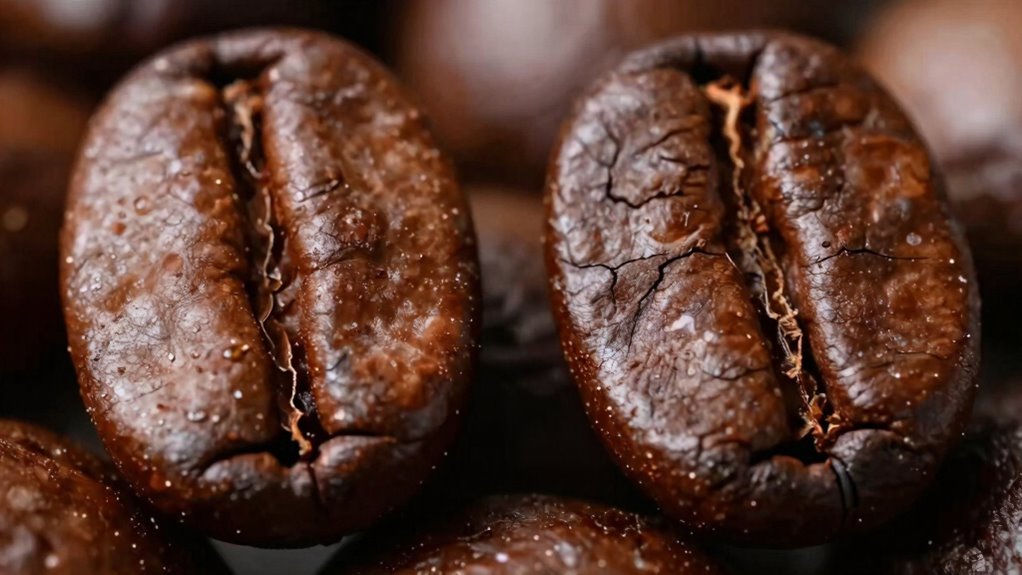
Pre-infusion features matter more on some beans because their surface structure, processing method, and origin influence how they respond to water. Beans with porous surfaces or dense outer layers need a longer or specific pre-infusion to release their full flavor potential. Beans processed differently, like natural or washed, also react uniquely based on their residual sugars and density. Understanding these factors helps you optimize pre-infusion, leading to a more vibrant, balanced cup—if you want to explore how to do this, keep going.

Get kitchen gear delivered free — and shop member deals
- Fast, free delivery on millions of items
- Access to Prime Big Deal Days deals on October 6–7
- Prime Video, Amazon Music and more included
Key Takeaways
- Beans with porous surfaces or residual sugars benefit more from pre-infusion to optimize flavor extraction.
- Natural/dry processed beans require longer or more careful pre-infusion due to complex, fruit-forward flavors.
- Washed beans, with cleaner surfaces, need less pre-infusion to achieve desired extraction.
- Bean origin, climate, and age influence how much pre-infusion enhances flavor development.
- Structural differences in beans determine the effectiveness of pre-infusion in preventing under- or over-extraction.
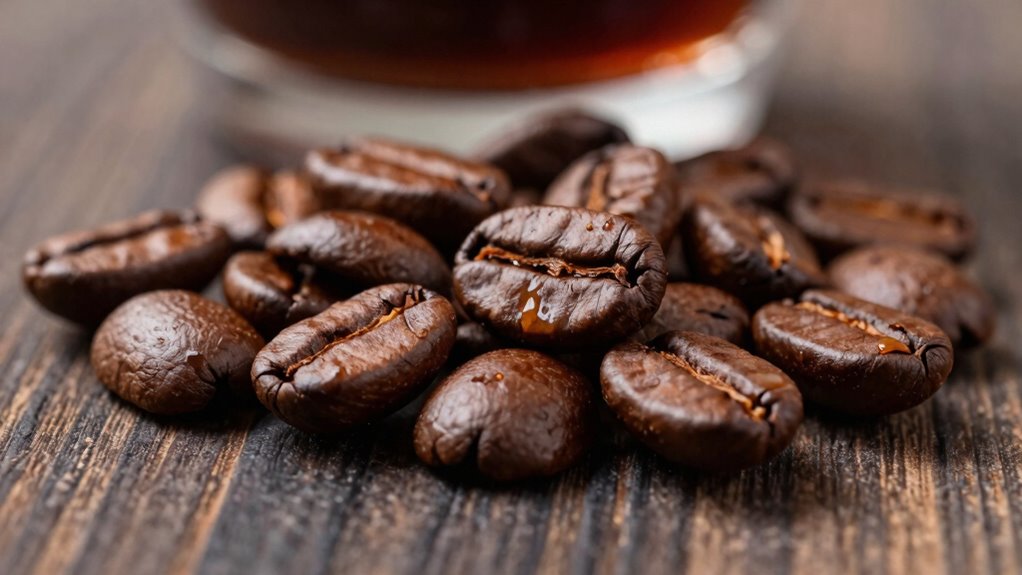
Pre-infusion is a crucial step in brewing beans that helps enhance flavor extraction and produce a richer, more balanced cup. When you start your brewing process with pre-infusion, you’re allowing the beans to soak briefly in hot water, giving them time to release trapped gases and evenly absorb moisture. This initial step can greatly influence how well the flavors develop, especially considering the bean processing methods that have been applied. Different types of bean processing—such as washed, natural, or honey-processed—affect the bean’s surface and internal structure, which in turn impacts how they respond to pre-infusion.
Beans that undergo natural or dry processing tend to have more complex, fruit-forward flavors. These beans often have a denser outer layer and more residual sugars, which means they can benefit more from a proper pre-infusion. When you give these beans extra time at the start, you help break down their outer layers more effectively, promoting better flavor extraction. This process guarantees that the intricate notes—like berry or wine-like qualities—are fully expressed in your cup. Conversely, beans processed through washing or wet processing usually have a cleaner, more uniform surface. They tend to release flavors more quickly, so they may not require as long or as intense a pre-infusion to achieve ideal extraction.
The importance of pre-infusion varies depending on the bean’s processing method because of how each type influences the bean’s internal and external structure. Beans with a more porous surface or residual sugars benefit from pre-infusion, which allows the water to penetrate more deeply and evenly. This step prevents under-extraction, where you might end up with sour or weak flavors, and over-extraction, which can make the brew bitter. Recognizing the processing method of your beans can help you determine the optimal pre-infusion time and technique for the best results. Additionally, understanding the processing effects can guide you in adjusting parameters like duration and water temperature to optimize flavor extraction. It’s also helpful to consider the bean origin, as climate and cultivation practices can influence how beans respond to pre-infusion. Moreover, the climate conditions during growth can impact the bean’s internal structure, further affecting how pre-infusion should be approached.
A further consideration is that the age of the beans can also influence how they respond to pre-infusion, as fresher beans may have different moisture retention qualities than older ones. In the end, pre-infusion isn’t just a generic step; it’s a strategic move based on the characteristics of the beans you’re using. Recognizing how bean processing impacts flavor extraction helps you decide when pre-infusion will make the biggest difference. Whether it’s a natural-processed bean with bold fruit notes or a washed bean with bright clarity, giving pre-infusion the attention it deserves ensures you get the most out of each brew. This nuanced approach to pre-infusion ultimately leads to a cup that’s more vibrant, balanced, and true to the beans’ unique profile.
Frequently Asked Questions
Do All Coffee Beans Benefit Equally From Pre-Infusion?
Not all coffee beans benefit equally from pre-infusion. Lighter roasts and delicate beans often see more flavor enhancement, making pre-infusion worthwhile. You might need to adjust your grind size for ideal extraction, especially if the pre-infusion reveals subtle flavors. For darker roasts, pre-infusion can still improve taste, but you may notice less impact. Experimenting with grind adjustment and pre-infusion timing helps you get the best flavor from your beans.
How Does Bean Origin Affect Pre-Infusion Effectiveness?
Think of bean origin as a garden’s soil—rich, varied, and essential. When you pre-infuse, it’s like watering that soil gently, helping flavor preservation and revealing freshness. Some beans, like delicate roses, need this gentle care to bloom fully, while others, like hardy sunflowers, thrive without it. Your choice depends on the bean’s origin—freshness and flavor preservation improve more with pre-infusion, especially for beans from certain regions.
Can Pre-Infusion Improve Extraction for Dark Roast Beans?
Pre-infusion can definitely improve extraction for dark roast beans by enhancing flavor consistency and brewing efficiency. It allows water to gently saturate the grounds, preventing over-extraction and bitterness. This process helps you achieve a more balanced, richer flavor profile. Even with dark roasts, pre-infusion guarantees even extraction, so you get a smoother, more consistent cup every time, making your brewing experience more satisfying.
What Is the Ideal Pre-Infusion Time for Different Beans?
Picture pre-infusion as watering a plant. For light roasts, 10-15 seconds gently awakens flavors, enhancing flavor and ensuring brewing consistency. Dark roasts, like mature plants, need just 5-8 seconds to prevent over-extraction. Adjust pre-infusion time based on bean type to maximize flavor enhancement and achieve consistent results. Experiment with timings to find what best suits each bean’s unique profile, ensuring your brew is always balanced.
Are Pre-Infusion Features Necessary for Home Espresso Machines?
Pre-infusion features can be valuable for home espresso machines, especially if you want better flavor preservation and grind consistency. They help evenly saturate the coffee grounds, reducing channeling and over-extraction. While not strictly necessary, these features are beneficial for achieving a richer, more balanced shot. If you’re aiming for higher quality espresso and want more control, investing in a machine with pre-infusion is definitely worth considering.
Conclusion
Understanding why pre-infusion features matter more on some beans than others is like discovering a secret handshake—unlocking a richer, more nuanced flavor. When you pay attention to these details, you’re not just brewing coffee; you’re crafting an experience that awakens your senses. So, don’t overlook the subtle magic of pre-infusion. Embrace it, and watch your beans reveal their true personality, turning each cup into a symphony of taste that’s worth every moment.
Fall Picks
fall essentials
As an affiliate, we earn on qualifying purchases.