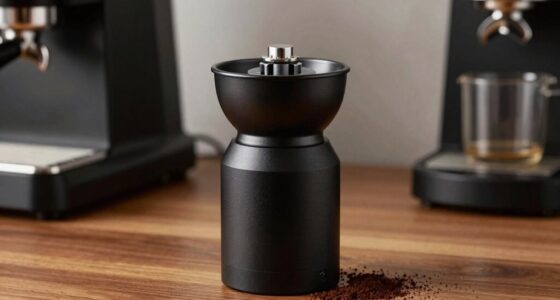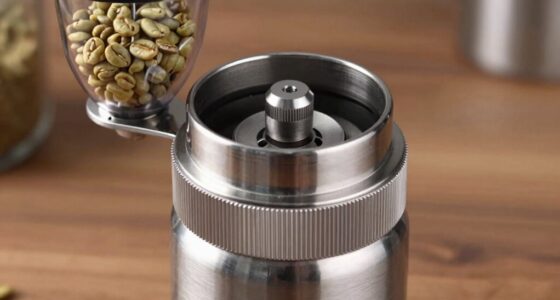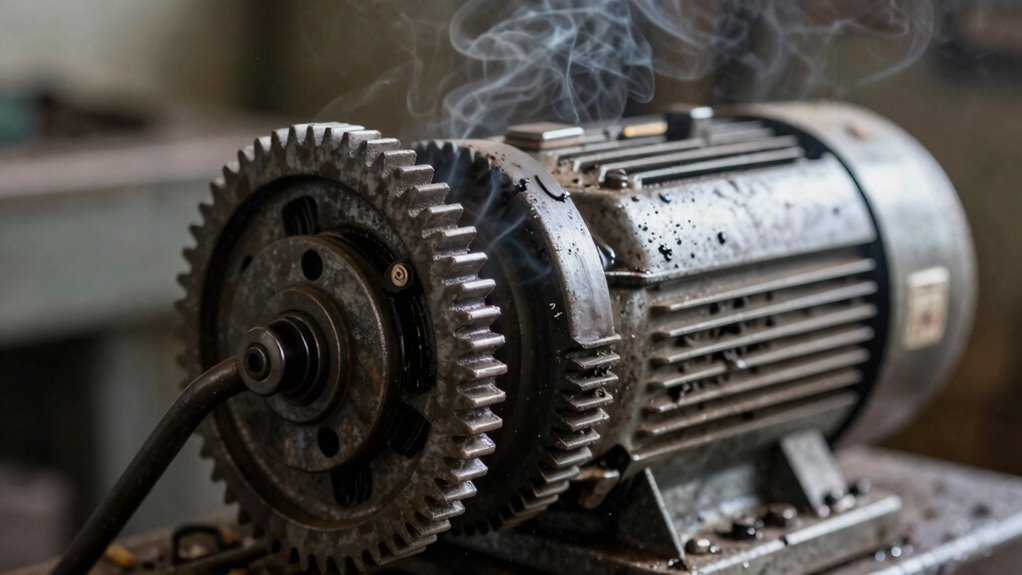

Many overlook the hidden causes behind loud grinder noises, like worn-out bearings, loose parts, or debris buildup. These issues create vibrations, instability, and excessive noise, risking equipment damage and safety. Proper maintenance, regular inspection, and noise mitigation strategies are key to resolving these problems. If you want to uncover how to keep your grinder quiet, safe, and long-lasting, keep exploring these essential solutions.

Get kitchen gear delivered free — and shop member deals
- Fast, free delivery on millions of items
- Access to Prime Big Deal Days deals on October 6–7
- Prime Video, Amazon Music and more included
Key Takeaways
- Worn-out bearings and loose parts are common causes of loud grinder noises often overlooked during maintenance.
- Regular inspection and proper lubrication can prevent noise issues caused by misaligned or damaged components.
- Debris buildup and dust increase operational strain, leading to louder noise if not cleaned regularly.
- Installing vibration dampers and soundproof enclosures effectively reduces noise transmission in workspaces.
- Training staff on proper operation and early detection of wear can prevent noise escalation and ensure safety.

If your grinder is making loud, persistent noises, it can be both annoying and disruptive. You might think it’s just part of the job or that the machine’s age is to blame, but often, noise issues point to underlying problems that aren’t immediately obvious. Addressing this requires understanding noise mitigation strategies and paying close attention to equipment maintenance. Noise isn’t just a nuisance; it can also signal potential damage or inefficiency, making it essential to tackle the root causes early.
Loud grinder noises often signal hidden issues; regular maintenance and noise mitigation improve safety and efficiency.
The first step is to identify what’s causing the excessive noise. Worn-out bearings, loose parts, or misaligned components are common culprits. When these parts aren’t in ideal condition, they create vibrations that translate into loud, persistent sounds. Regular equipment maintenance helps prevent these issues before they escalate. By routinely inspecting and tightening bolts, lubricating moving parts, and replacing worn components, you reduce the likelihood of noise and extend the life of your grinder.
Noise mitigation isn’t just about fixing what’s broken; it’s also about implementing barriers and modifications to reduce sound transmission. Installing soundproof enclosures or barriers around the grinder can greatly decrease noise levels in your workspace. Using vibration dampers or pads under the machine helps absorb vibrations that cause noise, preventing them from amplifying through the floor or surrounding structures. These measures not only make your environment more comfortable but also protect your hearing and those of your coworkers. Additionally, understanding equipment maintenance can help you identify early signs of wear or misalignment, allowing for prompt intervention. Incorporating noise reduction techniques into your routine can further enhance your workspace environment.
Another aspect worth to think about is how you operate and maintain the equipment daily. Overloading the grinder or running it at high speeds unnecessarily can generate excess noise. Following the manufacturer’s guidelines for proper operation can help avoid putting undue stress on parts, which in turn minimizes noise. Regular cleaning also plays a role; debris and dust buildup can cause parts to work harder and produce noise. Keeping your equipment clean and well-maintained ensures smoother operation and reduces sound emissions. Proper training on correct operating procedures can also prevent misuse that leads to increased noise levels. Additionally, familiarizing yourself with vibration control techniques can help you better manage and reduce noise caused by operational vibrations.
Finally, don’t overlook the importance of training. Educate yourself and your team on best practices for equipment maintenance and noise mitigation. Knowing how to identify early signs of wear or misalignment empowers you to take prompt action before noise becomes a more serious problem. Additionally, understanding U.S. E-Bike Laws and Regulations can help ensure your workspace remains compliant with safety standards, especially if your environment involves various powered tools and equipment. When you combine diligent maintenance with noise mitigation techniques, you’ll not only quiet your workspace but also improve efficiency, safety, and the lifespan of your grinder. Addressing the noise problem head-on is about more than just comfort; it’s about maintaining a well-functioning, safe environment.
grinder noise reduction vibration dampers
As an affiliate, we earn on qualifying purchases.
As an affiliate, we earn on qualifying purchases.
Frequently Asked Questions
What Are Common Causes of Grinder Noise?
You might hear grinder noise due to poor grinder maintenance or worn-out parts like blades or burrs. Insufficient noise insulation can amplify the sound, making it seem louder. Regularly cleaning and checking your grinder helps prevent excessive noise, while adding noise insulation can reduce it. If noise persists, inspect for loose components or misalignments, and consider professional maintenance to keep your grinder running smoothly and quietly.
How Can I Reduce Grinder Noise Effectively?
To reduce grinder noise effectively, start by implementing grinder soundproofing techniques, such as placing the machine on a rubber mat or inside a soundproof enclosure. Use noise reduction accessories like anti-vibration pads and mufflers to absorb sound and minimize vibrations. Regular maintenance, ensuring blades are sharp, also helps decrease noise. Combining these methods creates a quieter environment, making your grinding process less disruptive and more comfortable.
Does Grinder Noise Affect Product Quality?
Yes, grinder noise can affect product quality, especially if it causes vibrations or inconsistencies during processing. Excessive noise contributes to noise pollution, which might lead to customer complaints about the overall environment. When noise levels are high, it can distract operators, increasing the risk of errors. By reducing noise, you create a better workspace, improve product consistency, and minimize customer complaints related to both product and workplace noise pollution.
Are There Quiet Grinder Models Available?
Yes, quiet grinder models are available. Look for machines with features focused on noise reduction and quiet operation, such as insulated enclosures or specialized grinding mechanisms. These models often use advanced technology to minimize sound levels, making them ideal if you want to avoid disturbing your environment. By choosing a grinder designed for quiet operation, you get effective grinding with minimal noise, improving your overall experience.
How Often Should I Service My Grinder for Noise Issues?
You should service your grinder every 3 to 6 months, depending on usage, to address noise issues. Regular maintenance routines, like cleaning and inspecting parts, help reduce noise. Consider improving noise insulation around your grinder to minimize sound. If you notice increased noise between services, it’s a sign you might need more frequent check-ups. Proper upkeep guarantees quieter operation and extends your grinder’s lifespan.
soundproof enclosure for industrial grinder
As an affiliate, we earn on qualifying purchases.
As an affiliate, we earn on qualifying purchases.
Conclusion
Ultimately, addressing grinder noise isn’t just about quietness; it’s about respecting your space and surroundings. When you take the time to understand and mitigate the noise, you’re investing in a more peaceful environment. Remember, “A problem shared is a problem halved,” so don’t hesitate to seek solutions or advice. By being proactive, you turn a noisy nuisance into a manageable issue, proving that sometimes, silence truly is golden.
As an affiliate, we earn on qualifying purchases.
As an affiliate, we earn on qualifying purchases.
Evergreen bestsellers Picks
bestsellers
As an affiliate, we earn on qualifying purchases.