TL;DR

Get kitchen gear delivered free with Prime
- Fast, free delivery on millions of items
- Prime Video, Amazon Music and more included
- Member-only deals all year
Ina Garten’s Substack recommends choosing a small color palette for kitchen displays, with white china and silver as one example. The approach focuses on arranging pieces already in use rather than replacing cabinets or buying a matching collection.
Ina Garten has advised readers to choose a small color palette for kitchen displays, suggesting white china and silver as one combination. A Good Housekeeping report on her Substack advice describes the idea as a way to make a kitchen feel more cohesive without a renovation or a new set of dishes.
Garten’s guidance is to keep the colors of visible kitchen pieces within a limited range. The example she gives is white china paired with silver, but Good Housekeeping notes that the same principle can be adapted to other combinations that suit a homeowner’s taste. The advice concerns the items on display, rather than requiring a kitchen to have particular cabinets, counters or finishes.
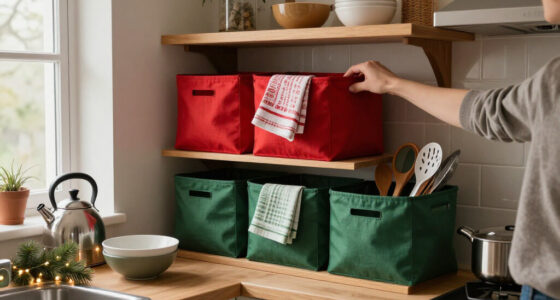
The report says homeowners can start with what they already own and group pieces in complementary colors. Garten’s approach does not require every item to match: varying shapes, materials and undertones can make a collection look gathered over time while retaining a consistent color thread. Good Housekeeping also points to open shelves and glass-front cabinets as ways to show dishes and serving pieces.
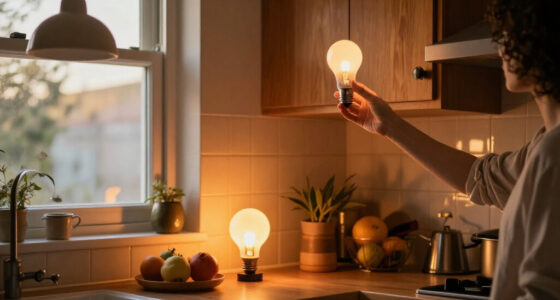
Garten recommends mixing old and new objects and arranging pieces at different heights. She suggests setting round and flat items beside one another, rather than making a display of only bowls or only plates. A platter leaned against a wall, a stack of cookbooks or a wireless table lamp can add height and variety, according to the report.
A Display Update Without Renovation
The tip offers a lower-cost alternative to changing the kitchen itself: homeowners can adjust how existing dishes and serving pieces are displayed. A limited palette can give varied objects a visual link, which may help a collection feel intentional even when the pieces were bought at different times.
That matters for people who replace kitchen accessories only when necessary or prefer not to invest in a complete matching set. White and silver are Garten’s example, not a required formula. The practical takeaway is to select a small number of colors that work with the items already in the room and use those colors consistently in visible areas.
The advice also treats display as part of everyday use, rather than decoration that has to be kept separate from cooking. Garten’s comments, as quoted by Good Housekeeping, favor showing dishes and trays that people actually use and like. The report does not provide evidence that the palette changes a home’s value or produces a measured design effect; its significance is as accessible decorating guidance.
Products Worth Considering

KitchenAid Classic Series 4.5-Quart Tilt-Head Stand Mixer, Onyx Black

KitchenAid Artisan 5-Quart Tilt-Head Stand Mixer, KSM150PS, Almond Cream

Le Creuset Enamemed Cast Iron Oval Dutch Oven, 5 qt., White/Crucible
As an affiliate, we earn on qualifying purchases.
Garten’s Display Advice
Good Housekeeping’s report draws on a design suggestion Garten shared on her Substack. It presents the recommendation as part of her broader approach to food and home: simple choices that can be applied without a major project. The source describes white and silver as a classic pairing, while acknowledging that readers can choose another restrained combination.
The article also connects the advice to images on Garten’s Instagram feed, where it says creamy cookware and muted bowls appear alongside silver cake stands and pitchers. That observation is the publication’s description of her posts, rather than a separate statement from Garten about the history or purpose of each object.
Garten’s further guidance is about composition as well as color. Combining different shapes and heights can keep a coordinated display from appearing uniform. Her examples—leaning a platter, adding cookbooks or using a wireless lamp—are optional ways to vary a shelf or counter arrangement, not requirements for following the palette tip.
Details the Report Leaves Open
The Good Housekeeping source does not state when Garten published the Substack post, whether she was responding to a particular design trend, or whether she has tested the advice beyond her own home. It also does not identify a specific alternative palette or offer a rule for how many colors count as a small palette.
The report’s descriptions of Garten’s Instagram images and the likely effect of the color pairing are editorial observations. They do not establish that every kitchen will look timeless with white and silver, or that a particular arrangement will suit every room. The advice is subjective decorating guidance, and the best palette will depend on the pieces and finishes a reader already has.
How Readers Can Apply the Tip
Garten’s recommendation does not point to a scheduled announcement or product launch. Readers can apply it by looking at the dishes and serving pieces they already display, choosing a limited palette that works with them, and grouping items while varying their shapes and heights. A platter, cookbooks or a lamp can provide a different level in the arrangement if space allows.
Any further detail would depend on Garten’s own posts or future guidance. Good Housekeeping’s report does not announce a follow-up, and it gives no timetable for one. For now, the confirmed development is the advice itself: use a small, adaptable color palette to bring visible kitchen items together, rather than treating a full renovation or replacement collection as necessary.
Key Questions
What is Ina Garten’s kitchen decorating tip?
Garten recommends choosing a small color palette for displayed kitchen items. She gives white china and silver as one example.
Do all the dishes need to match?
No. The report says the approach can include pieces with different shapes, materials and undertones, as long as the colors work together. Garten also recommends mixing old and new items.
Does this advice require buying new kitchenware?
No. Good Housekeeping says readers can begin with the pieces they already own. The tip is about selecting and arranging visible items, not replacing a full set of dishes or renovating the kitchen.
How does Garten suggest arranging a display?
She recommends combining different shapes and heights, such as round and flat pieces. The report also lists leaning a platter against a wall, adding cookbooks or using a wireless lamp as ways to vary the display.
Source: rss