
TL;DR

Get kitchen gear delivered free with Prime
- Fast, free delivery on millions of items
- Prime Video, Amazon Music and more included
- Member-only deals all year
A House Beautiful report explains why antique decor and historic places can feel comforting through the concept of place authenticity. Psychologist Ashley Krause says sensory detail, history, personal meaning and community ties may deepen a person’s connection to a place; the experience is subjective and is not established as a universal response.
A House Beautiful report describes how place authenticity—the perceived connection between a setting and its history, culture or community—may help explain why some people feel drawn to antique decor and historic places. Ashley Krause, a University of Florida psychology doctoral student and co-author of research on the concept, says such settings can support emotional connection, though the experience varies from person to person.
Krause defines place authenticity as a place’s “unique essence” that makes it feel genuine, alive and connected to its past or community. In the report, she links that perception with deeper emotional and psychological connections, drawing on a study in which participants recalled places where they had felt connected. The reported finding describes an association, not proof that antique objects themselves cause comfort or well-being.
The report identifies several features that may contribute to the experience: distinctive architecture and materials, sensory details such as textures and sounds, visible history or craftsmanship, and meaningful social connections. A setting can also feel warm and individually shaped by the people who use it, rather than standardized. These elements may occur together; the report does not establish a single necessary ingredient.
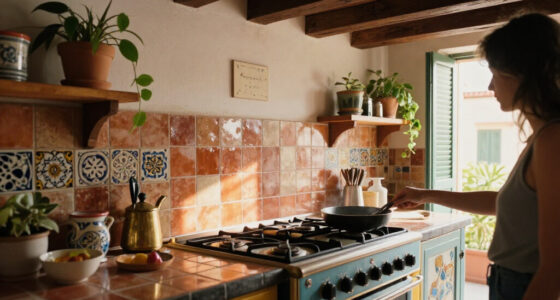
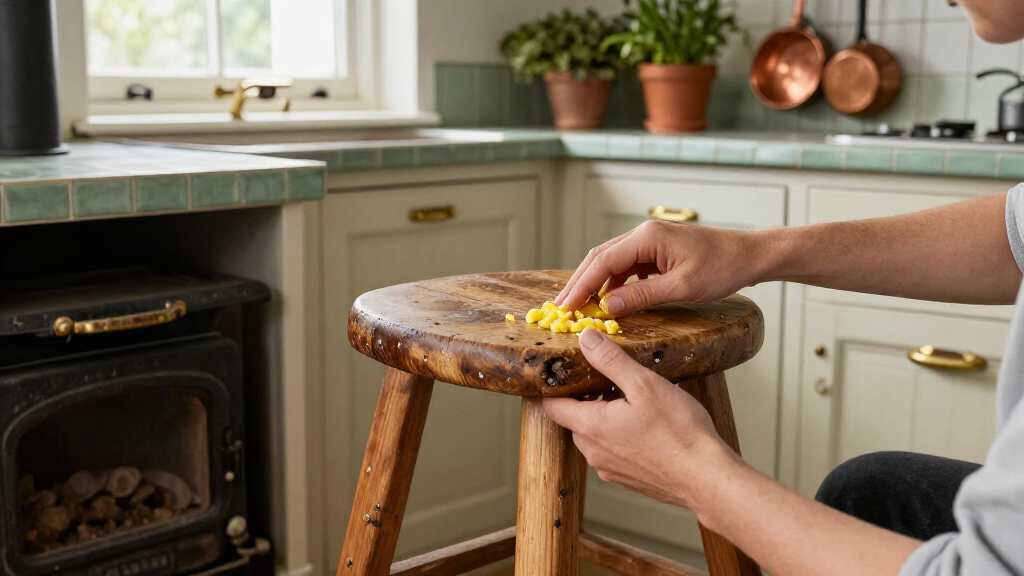
Krause says the concept can apply to homes as well as historic sites. Heirlooms, antique furniture and artwork with personal or cultural significance may help a home feel rooted, while choices that reflect residents’ own tastes may matter more than copying a vintage look. The report stresses that authenticity cannot be created by appearance alone: meaning and connection develop over time.
Why Old Details Can Feel Personal
The concept offers one explanation for why an estate sale, house museum or older neighborhood can feel more than visually appealing. For some visitors, a place’s sensory richness and signs of continuity may make it feel distinctive and personally resonant, particularly when everyday environments seem standardized. That is a possible interpretation of the reported research, not a diagnosis of why any specific person likes antiques.
For people decorating a home, the distinction is practical: buying objects that look old may not create the same feeling as using items tied to family, culture or personal memories. Krause’s account points toward personal meaning over imitation. It also cautions against treating one person’s idea of an authentic place as universal; a space that feels genuine to one resident may represent unwanted change to another.
As an affiliate, we earn on qualifying purchases.
How Researchers Define Place Authenticity
House Beautiful frames interest in antiques and historic settings against a renewed appreciation for homes with an “old soul,” individual character and lived-in details. The article connects that taste to place authenticity, a concept discussed in socioecological research. Its focus is not simply whether a building or object is objectively old, but how people interpret a place’s relationship to history, culture and community.
Krause’s comments also distinguish place authenticity from personal authenticity, while describing a connection between them. A setting that feels singular may support a visitor’s sense of identity or belonging. But the source emphasizes that judgments are subjective: people can disagree about a place, and one person’s view may shift with circumstances or memories.
“Place authenticity refers to the unique essence of a place that makes it feel genuine, alive, and connected to its history, culture, or community.”
— Ashley Krause, M.S., University of Florida psychology doctoral student and study co-author, as quoted by House Beautiful
As an affiliate, we earn on qualifying purchases.
What the Research Does Not Establish
The report does not provide the study’s sample size, methods, publication details or effect estimates, and it does not establish that antique decor produces a measurable mental-health benefit. The reported connection between perceived authenticity and emotional ties should not be read as proof of cause and effect. It is also unclear how broadly the study’s findings apply beyond the participants and settings examined.
People’s responses differ, and the source says authenticity itself is subjective. It does not identify one design feature that will make a home feel authentic to everyone, nor does it claim that older places are inherently better than newer ones.
As an affiliate, we earn on qualifying purchases.
Applying the Idea at Home
The report’s practical takeaway is to build a home around objects and details that carry genuine personal or cultural meaning, rather than relying only on a copied antique style. That could mean displaying a family heirloom, choosing artwork connected to the resident’s experience, or allowing a space to reflect how people actually live in it.
No further research milestone or follow-up announcement is identified in the source. For now, the concept offers a framework for understanding individual preferences, not a rule for decorating or a promise of psychological benefit. Whether a particular antique or historic site feels comforting remains a matter of personal experience and context.
As an affiliate, we earn on qualifying purchases.
Key Questions
What does “place authenticity” mean?
It describes the perceived character of a place that feels genuine and connected to its history, culture or community, according to Ashley Krause.
Why might antique decor feel comforting?
The report suggests that historical details, sensory richness and personal associations may make a setting feel distinctive and emotionally resonant. It does not show that antiques cause comfort for everyone.
Can a new home feel authentic?
Yes. Krause says homes can develop a sense of authenticity through meaningful objects and personal choices. The report argues that connection and history matter more than copying an old-fashioned look.
Do all people experience authenticity in the same way?
No. The report describes place authenticity as subjective; people can judge the same place differently, and an individual’s perception can change with circumstances.
Source: rss
Halloween Picks
halloween
As an affiliate, we earn on qualifying purchases.