
TL;DR
Lavazza has launched the Tabli, a £199 single-serve coffee machine that uses compressed coffee tabs supplied in cardboard trays with minimal plastic, rather than conventional pods. A reviewer found it quick and straightforward to use, but said its coffee lacked the flavour nuance of freshly ground espresso; the machine also has no built-in milk frother, and UK tab availability was limited at the time of the review.
Lavazza has launched the Tabli, a £199 single-serve coffee machine that replaces conventional pods with compressed coffee tabs packaged in cardboard trays with minimal plastic. The design offers pod-style portioning without the usual pod format, though a product review found that convenience comes with trade-offs in coffee flavour, machine size and milk-drink preparation.

Get kitchen gear delivered free with Prime
- Fast, free delivery on millions of items
- Prime Video, Amazon Music and more included
- Member-only deals all year
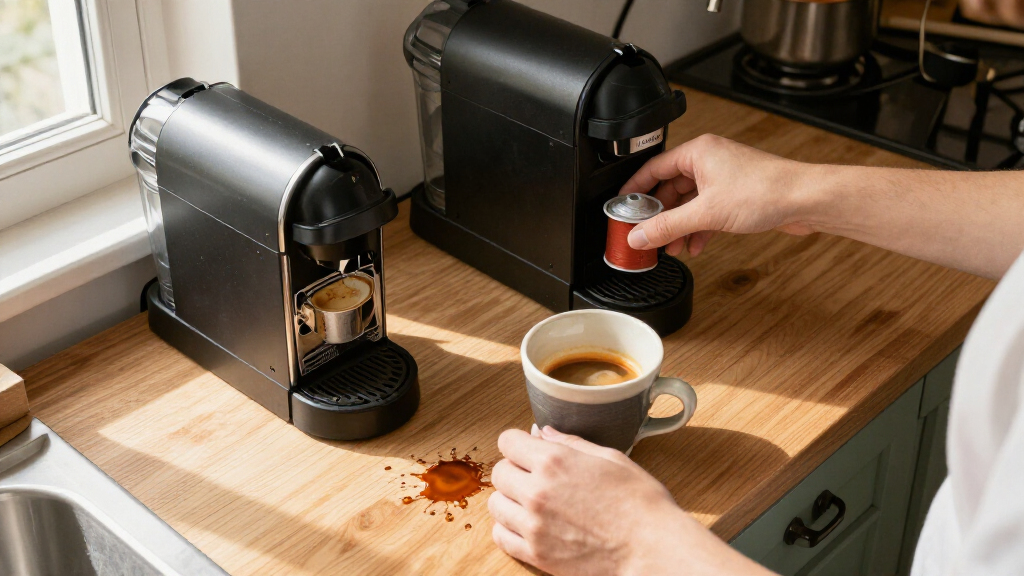
The Tabli uses pre-portioned coffee called tabs, which the machine loads through a front compartment. After brewing, it automatically ejects the used tab into an internal bin. The machine has a 1.2-litre water tank, a stated pressure of 15 bar and three preset drink sizes: a 30-millilitre espresso, a 60-millilitre double and a 100-millilitre lungo. It is sold in graphite black, sand white and walnut brown, according to the product information supplied for the review.
A reviewer tested the machine at home for one week, using five varieties of Lavazza tab and filtered water. The reviewer reported that setup, including rinsing and connecting the machine to its app, took about 30 minutes, with the first coffee brewed within 45 minutes of opening the box. The review described the controls and tab-loading process as simple, and said the coffee produced a thick crema.
The same review said the drinks did not have the rich, oily character or nuanced flavour associated with espresso made from fresh beans. It found the coffee closer in taste to output from other pod-style machines and said it worked well in milk-based drinks. The Tabli has no integrated milk frother; the reviewer used Lavazza’s separate MilkEasy Plus, listed in the source at £79. The review also noted that tabs were not yet widely available in UK supermarkets and had to be bought online.
Lavazza Tabli changes the pod format with trade-offs for buyers
The £199 single-serve machine uses compressed coffee tabs in cardboard trays with minimal plastic. A reviewer found it quick and simple, but noted limits in flavour, milk-drink preparation and UK tab availability.
A familiar, simple routine
Load a pre-portioned tab, choose a drink size and brew; used tabs go into an internal bin.
Place a compressed, pre-portioned tab in the front compartment.
Select a 30 ml espresso, 60 ml double or 100 ml lungo.
The machine brews coffee and ejects the used tab into its internal bin.
What the review found
- Controls and tab loading were simple.
- The coffee produced a thick crema.
- Packaging uses cardboard trays with minimal plastic.
- Less flavour nuance than fresh-bean espresso.
- No built-in milk frother; a separate one adds cost and space.
- Tabs were not widely available in UK supermarkets at review time.
Plan for supplies and care
Convenience depends on keeping compatible tabs and following the machine’s cleaning guidance.
- Check current UK stock and consider ordering tabs with the machine.
- Allow for a separate frother if you regularly make milk drinks.
- The manual recommends dispensing a lungo without a tab every two to three days to flush coffee residue.
- Follow descaling guidance; the machine has no included water filter or option to install one.
A Pod-Style Routine With Less Packaging
The Tabli targets a familiar compromise in single-serve coffee: quick, portioned brewing paired with packaging consumers may find difficult to recycle. Its compressed tabs avoid the conventional pod format and arrive in cardboard trays with minimal plastic, according to the product description. That makes the packaging approach a central part of the launch, although the supplied information does not quantify its environmental impact or establish how the tabs should be disposed of after use.
For buyers, the practical question is whether the simpler format and reduced reliance on conventional pods outweigh the limitations in taste and flexibility. The reviewer’s experience suggests it suits people prioritising a fast, repeatable coffee over the flavour differences they might seek from freshly ground beans. People who regularly drink cappuccinos or flat whites will also need to account for a separate frother, adding cost and counter space.
The review raises a second purchasing consideration: access to the consumables. If tabs remain difficult to find in local shops, buyers may need to order them online and plan ahead. That affects how convenient the machine is beyond the initial setup, particularly for people who want to pick up coffee supplies with their normal groceries.
Products Worth Considering

Ninja CM371 Hot & Iced XL Coffee Maker with Rapid Cold Brew

Traeger Pro 22 Wood Pellet Grill & Smoker
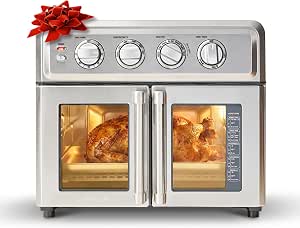
Cuisinart Artisan French-Door Air Fryer Toaster Oven, 7 Functions
As an affiliate, we earn on qualifying purchases.
How the Tabli Works
The Tabli keeps the basic routine of a pod machine: users load a pre-portioned coffee serving, select a drink and let the appliance brew it. Instead of a sealed pod, it uses a compressed, pre-ground coffee tab. The source describes these as long-shelf-life portions, which is relevant to the review’s comparison with fresh-bean espresso: the reviewer said the format did not produce the same nuanced flavour and aroma.
The machine measures 32.7 centimetres high, 16.5 centimetres wide and 39 centimetres deep. The reviewer found it relatively bulky compared with some compact Nespresso machines, despite its narrow width. Its water tank sits at the back, and the review said the front-facing controls and tab compartment were accessible. Cup clearance is limited under the spout: the reviewer reported space for a cup about eight centimetres tall with the drip tray in place, or roughly 12.5 centimetres with it removed.
Routine care may also matter to owners. The reviewer said the Tabli does not automatically rinse when switched on or off. Its manual recommends dispensing a lungo without a tab every two to three days to flush coffee residue; the reviewer would have preferred to do this daily. The source also says there is no included water filter and no option to install one, so owners in hard-water areas should follow the machine’s descaling guidance.
““What you don’t get in nuanced coffee flavour and aroma, is made up for in ease, speed, and convenience.””
— The product reviewer
Open Questions on Supply and Impact
The supplied material does not state the Tabli’s launch date, sales figures or how many UK retailers currently stock the machine. It also gives no timetable for wider supermarket availability of the coffee tabs, or a complete list of the varieties and purchasing options offered. Buyers should check current stock and bundle contents before ordering.
The packaging description says the tabs come in cardboard trays with minimal plastic, but the source does not provide a full materials breakdown, recycling instructions or a lifecycle assessment. Claims that the system addresses pod-related waste should therefore be understood as a description of its format, not as a quantified comparison of environmental effects. The source also mentions concerns about microplastics and plastic pods but supplies no testing or evidence about the Tabli’s own materials, so it cannot establish any health or exposure advantage.
The performance findings come from one reviewer’s one-week home test using five tab varieties. The source does not provide independent laboratory results, long-term reliability data or testing across different water conditions. It remains unclear how the machine performs over extended use, how often descaling is needed in different areas, and whether other users will assess flavour and convenience in the same way.
Check Tab and Frother Availability
People considering the machine should check Lavazza’s current UK product listings and retailer stock for the Tabli, compatible tabs and any bundle offers. The review advised ordering tabs at the same time as the machine, or choosing a bundle, so coffee is available when the appliance arrives. Availability can change, and the source does not confirm when tabs will be stocked more widely in supermarkets.
Buyers who want milk-based drinks should factor in the cost and counter space for a separate frother, as the Tabli has no built-in milk system. They should also check the manufacturer’s instructions for flushing and descaling, especially if their household water is hard. Further information on wider tab distribution, long-term use and the machine’s measured environmental impact would help clarify how the system compares with other single-serve options.
Key Questions
What is different about Lavazza’s Tabli?
It uses compressed coffee tabs instead of conventional coffee pods. The source says the tabs are packaged in cardboard trays with minimal plastic and are loaded into a front compartment.
How much does the Tabli cost?
The supplied product information lists a recommended retail price of £199. It does not confirm current retailer prices or whether bundles are available.
Does the Tabli make milk-based drinks?
The machine brews coffee but has no integrated milk frother. The reviewer used a separate Lavazza MilkEasy Plus, listed in the source at £79, to prepare milk for drinks.
Are the Tabli coffee tabs easy to buy in the UK?
At the time of the review, the tabs were not widely available in UK supermarkets and had to be ordered online. The source does not give a date for broader retail availability, so buyers should check current stock.
How did the reviewer rate the coffee?
The reviewer reported a thick crema and said the coffee worked well in milk-based drinks, but found its flavour less nuanced than espresso made from fresh beans. This was a one-week test using five tab varieties, not a long-term or laboratory assessment.
Source: idealhome.co.uk