
Acidity is a chemical property indicating the concentration of hydrogen ions in a solution, measured by pH levels. Sourness, however, is a taste perception caused by these acids activating specific receptors on your taste buds. Just because two foods are equally acidic doesn’t mean they taste equally sour, as other flavors influence perception. To fully understand how these differences work and how they affect food, keep exploring this fascinating topic.
Listen free for 30 days with Audible
Thousands of audiobooks and originals — cancel anytime.
As an affiliate, we earn on qualifying purchases.
Key Takeaways
- Acidity is a chemical property involving hydrogen ion concentration, while sourness is a sensory flavor perception.
- pH measures acidity but does not directly correlate with how sour a food tastes.
- Sourness results from the activation of taste receptors responding to acids, not acidity alone.
- Different foods with similar acidity levels can have varying perceived sourness due to other flavor components.
- Understanding the distinction helps in food science, flavor profiling, and culinary applications.
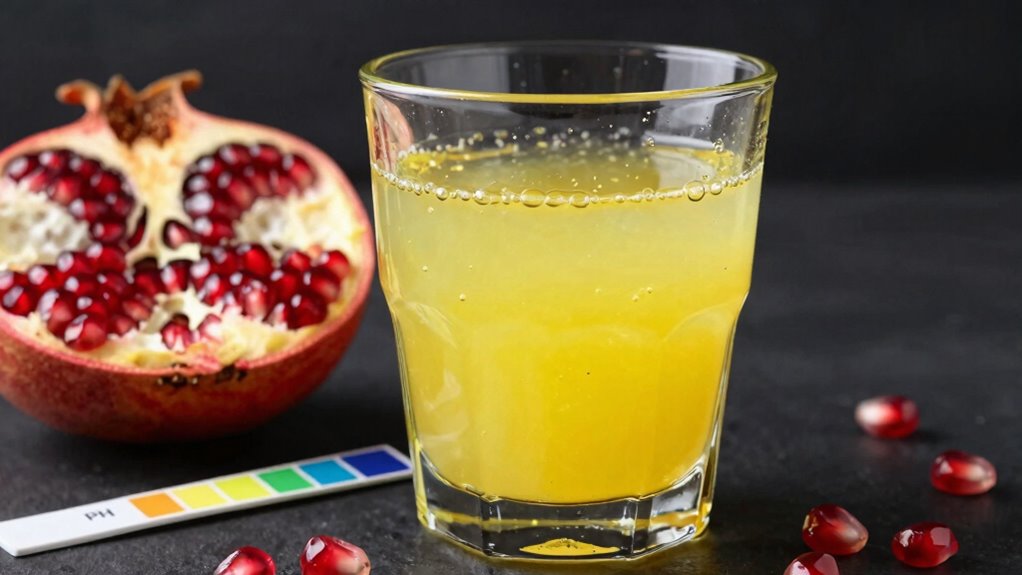
Many people mistakenly think that acidity and sourness are the same, but they actually refer to different ideas. Understanding this distinction begins with recognizing how taste perception works. When you taste something, your tongue detects various flavors through taste buds sensitive to specific chemical compounds. Sourness is one of these flavors, a sensation you experience when acids interact with the taste receptors on your tongue. Acidic substances, like lemon juice or vinegar, contain molecules that trigger this sour taste. However, acidity isn’t solely about flavor; it’s a broader chemical property that describes the concentration of hydrogen ions (H⁺) in a solution. Chemical properties such as pH levels help determine how acidic a substance is, but they do not directly indicate how sour it will taste.
Sourness is a flavor perception, while acidity refers to the chemical level of hydrogen ions in a solution.
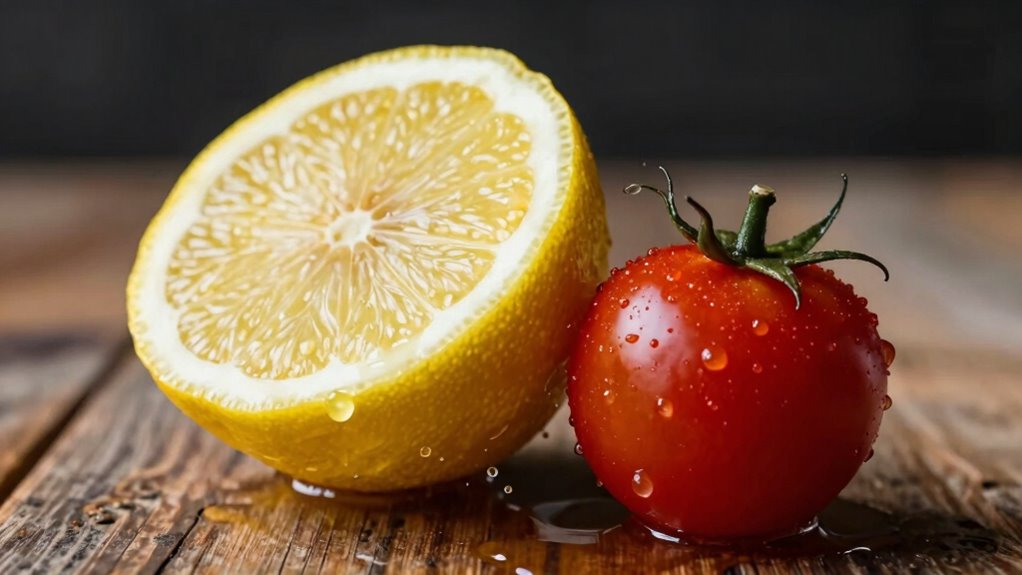
Taste perception is influenced by how your brain interprets signals sent from your taste buds. Sourness manifests as a sharp, tangy sensation, which you recognize quickly and can often associate with ripeness or spoilage. But acidity, on the other hand, relates to the chemical properties of a substance—specifically, the presence of acids that can affect the pH level. For example, lemon juice is highly acidic because of its low pH, but the degree of sourness you perceive depends on the concentration of acids, not just the pH. Two foods might have similar pH levels but taste differently in terms of sourness because of other flavor components and how your taste buds respond. Additionally, sensory perception can vary among individuals, influencing how sourness is experienced.
Moreover, acidity influences more than just taste perception; it affects the chemical properties of substances. Acidic solutions can alter the texture, stability, and preservation qualities of food and drinks. For example, adding vinegar to a dish not only makes it taste sour but also helps prevent bacterial growth because of its acidity. Conversely, sourness is subjective and can vary based on individual sensitivity, cultural experiences, and even the context in which you encounter certain flavors. Some might find fermented foods like sauerkraut or yogurt sour but not necessarily highly acidic in chemical terms. Additionally, chemical interactions between acids and other food components can modify both flavor and texture. Understanding how pH levels influence food can deepen your appreciation for culinary techniques and food science.
Recognizing the difference between sourness and acidity can also enhance your understanding of food preservation and safety, as well as the science behind fermentation and acidity regulation.
As an affiliate, we earn on qualifying purchases.
Frequently Asked Questions
How Do Taste Buds Differentiate Between Acidity and Sourness?
Your taste buds differentiate between acidity and sourness through specific receptors that detect hydrogen ions. When you taste something acidic, these ions activate the receptors linked to sourness, contributing to flavor perception. Over time, sensory adaptation occurs, making you less sensitive to persistent sour tastes. This process helps your brain interpret different taste qualities accurately, ensuring you can distinguish between various flavors even when exposed to continuous sour stimuli.
Can Foods Be Sour Without Being Acidic?
Imagine biting into a green apple—its sourness hits immediately, but not all sour foods are necessarily acidic. Foods can be sour due to compounds like tannins or certain fermentation processes, which influence flavor profiles without high acidity. In cooking techniques, you can create sour flavors with ingredients like tamarind or vinegar, but not all sour tastes come from acidity. So, yes, foods can be sour without being considerably acidic.
Are There Health Benefits Associated With Acidity Versus Sourness?
You can experience health benefits from acidity, like improved digestion and nutrient absorption, which influence flavor perception and enhance culinary applications. Sourness, a sensory response, doesn’t always equate to acidity’s health effects. By understanding the distinction, you can select foods that support your well-being while also enriching your dishes with the desired flavor profile. Embracing both acidity and sourness can elevate your culinary experience and boost your health.
How Does the pH Level Influence Acidity and Sourness?
You’ll notice that pH level directly influences acidity and sourness, impacting your flavor perception. A lower pH indicates higher acidity, making foods taste more sour and tangy, while a higher pH results in milder flavors. By understanding your pH balance, you can better anticipate how a food or drink will taste, as acidity sharpens flavors, and sourness enhances the overall sensory experience.
Do All Acidic Foods Taste Sour?
Not all acidic foods taste sour. While sourness is a flavor profile linked to acidity, sensory perception varies due to other factors like sweetness or bitterness. For example, citrus fruits are sour, but fermented foods like yogurt have acidity without a strong sour taste. Your taste buds interpret flavor profiles uniquely, so some acidic foods might taste tangy or even bland, showing that acidity and sourness aren’t always directly linked.
As an affiliate, we earn on qualifying purchases.
Conclusion
Remember, acidity and sourness dance to different tunes, like the sharp notes versus the overall melody. While sourness is the taste you feel on your tongue, acidity is the chemical force behind that sensation, shaping the flavor’s character. Think of acidity as the conductor guiding the orchestra, with sourness as the vibrant note that hits your senses. Understanding this distinction helps you appreciate the complex symphony inside every bite and sip.
As an affiliate, we earn on qualifying purchases.
acid test strips for culinary use
As an affiliate, we earn on qualifying purchases.
As an affiliate, we earn on qualifying purchases.
Flea & tick season Picks
flea and tick prevention
As an affiliate, we earn on qualifying purchases.