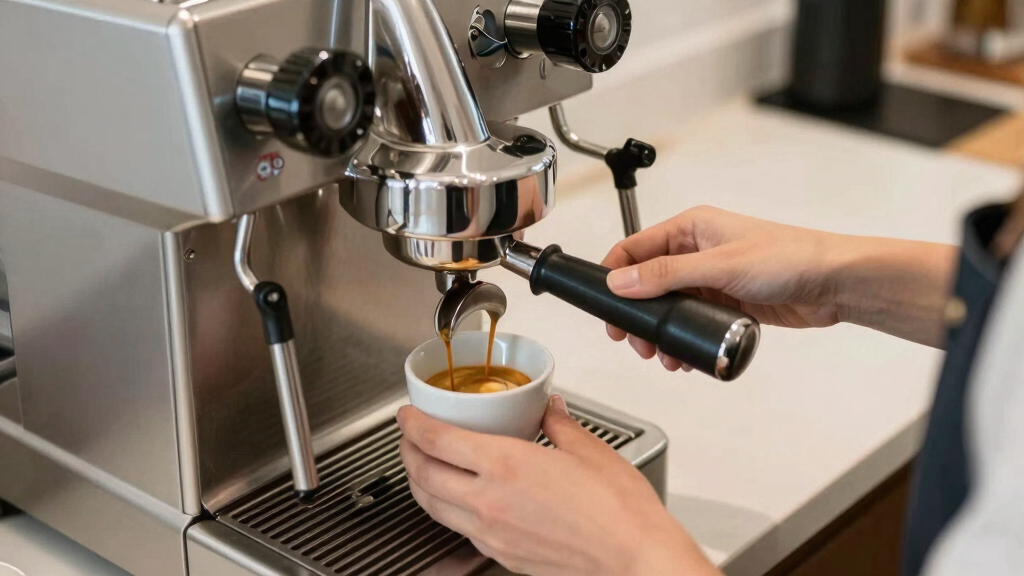
Choosing the best flow control espresso machine for light roast espresso requires balancing precise pressure management with temperature stability. The Diletta Bello+ stands out as the overall favorite for its handcrafted Italian build and advanced PID controls that help optimize extraction of delicate light roasts. For those seeking dual boiler convenience, the Diletta Alto offers excellent flexibility, while the Fellow Series 1 appeals to enthusiasts interested in pressure profiling. Each option presents tradeoffs—higher performance often means higher cost, and some models require more skill to operate effectively. Continue reading for an in-depth look at each machine and how to find the best fit for your light roast espresso needs.
Complete the kit

Key Takeaways
- Precision flow control significantly improves extraction consistency with light roasts, which are more delicate and require careful pressure management.
- Dual boiler and PID features are highly valued for maintaining stable temperatures, crucial for light roast espresso where extraction timing is sensitive.
- Pressure profiling capabilities, as seen in some models, offer enhanced control but add complexity and cost—best suited for experienced users.
- Build quality and craftsmanship, especially in handmade Italian machines like Diletta, contribute to long-term reliability and nuanced performance.
- Price varies widely; investing in a machine with advanced flow control features often results in better extraction but requires a higher budget.
| Diletta Bello+ Espresso Machine | E61 | PID Temperature Control | Shot Timer | Programmable Preinfusion | Handmade in Italy |  | Best Overall for Precision and Professional-Grade Control | Heat Exchanger: Yes | Steam Boiler: Large steam boiler for simultaneous brewing and steaming | Capacity: 3 liters | VIEW LATEST PRICE | See Our Full Breakdown |
| Diletta Alto Espresso Machine | Dual Boiler | PID | Shot Timer | Adjustable OPV | Stainless Steel |  | Best for Precision and Versatility in a Dual Boiler Setup | Boiler Type: Dual Boiler | Material: Stainless Steel | Temperature Control: PID | VIEW LATEST PRICE | See Our Full Breakdown |
| Fellow Espresso Series 1 Espresso Machine with Pressure Profiling and 58mm Portafilter |  | Best for Beginners with Smart Features and Rapid Heat-Up | Pressure Profiling: Yes | Portafilter Size: 58mm | Heats Under: 2 minutes | VIEW LATEST PRICE | See Our Full Breakdown |
| Diletta Alto Espresso Machine with Flow Control, Dual Boiler, PID, Shot Timer, Adjustable OPV |  | Best for Manual Pressure and Flow Control with Professional Features | Boiler Type: Dual Boiler | Flow Control: Yes | PID Temperature Control: Yes | VIEW LATEST PRICE | See Our Full Breakdown |
| AMZCHEF Espresso Machine with Grinder, Temp Control, 44 Grind Settings, Milk Frother, Touch Screen, Compact, Silver |  | Best for Convenience and Versatility in a Compact Design | Temperature Range: 190℉–201℉ | Grind Settings: 44 | Water Tank Capacity: 60oz | VIEW LATEST PRICE | See Our Full Breakdown |
| Turin Gallatin R HX Espresso Machine with Rotary Pump, PID, and Flow Control |  | Best for Precision and Customization in Light Roast Espresso | Body Material: Mirror-finished stainless steel | Portafilter Handle: Black walnut | Water Tank Capacity: 1.7 liters | VIEW LATEST PRICE | See Our Full Breakdown |
| flow control espresso machine for light roast espresso | Boiler Type |
|---|---|
| Diletta Bello+ Espresso Machin | — |
| Diletta Alto Espresso Machine | Dual Boiler |
| Fellow Espresso Series 1 Espre | — |
| Diletta Alto Espresso Machine | Dual Boiler |
| AMZCHEF Espresso Machine with | — |
| Turin Gallatin R HX Espresso M | 2-liter heat exchange boiler |
More Details on Our Top Picks
Diletta Bello+ Espresso Machine | E61 | PID Temperature Control | Shot Timer | Programmable Preinfusion | Handmade in Italy
The Diletta Bello+ stands out for combining handcrafted Italian craftsmanship with advanced features like PID temperature control and programmable preinfusion, making it ideal for serious enthusiasts aiming for consistent light roast espresso. Compared to the Fellow Espresso Series 1, it offers more manual control and a larger heat exchanger for simultaneous brewing and steaming, which benefits light roasts that need precise temperature stability. However, its size and manual operation can be a steep learning curve for beginners, and its price may be a barrier. This model excels for those who want a semi-automatic machine with professional control, but it demands space and skill to operate effectively.
Pros:- Handmade in Italy with high-quality stainless steel construction
- Advanced PID temperature control and shot timer for precise brewing
- Allows simultaneous brewing and steaming with heat exchanger design
- Manual controls for professional barista experience
Cons:- Relatively large size may require ample counter space
- Manual operation may have a learning curve for beginners
Best for: Light roast espresso aficionados who value manual control and professional craftsmanship in a larger kitchen setup
Not ideal for: Beginners or those with limited space, as its size and manual complexity require experience and ample counter area
- Heat Exchanger:Yes
- Steam Boiler:Large steam boiler for simultaneous brewing and steaming
- Capacity:3 liters
- Wattage:1500 watt-hours
- Voltage:120 volts
- Material:Stainless Steel
- Dimensions:17.75″D x 11″W x 14.5″H
Our verdict“This machine suits experienced home baristas who want a handcrafted, professional-level espresso with precise control over light roast extraction.”
Diletta Alto Espresso Machine | Dual Boiler | PID | Shot Timer | Adjustable OPV | Stainless Steel
The Diletta Alto offers dual boilers, making it an excellent choice for those who need simultaneous brewing and steaming—crucial for light roasted beans that benefit from precise temperature management. Its PID system ensures consistent temperatures during extraction, while the adjustable OPV allows for pressure customization, much like the flow control feature on the Diletta Alto with Flow Control. While this adds a layer of control and flexibility, it might be overwhelming for beginners and comes at a higher price point. This pick is best for users who want professional-grade features and the ability to fine-tune their shots, but it requires a certain level of experience to optimize its capabilities.
Pros:- Dual boilers for efficient brewing and steaming
- Precise temperature control with PID system
- Customizable brew pressure via accessible OPV
- Handcrafted in Milan, Italy
Cons:- May be complex for beginners to operate
- Higher price due to premium features
Best for: Experienced home baristas seeking maximum control with dual boilers and pressure customization for light roasts
Not ideal for: Casual users or beginners who prefer simpler machines with fewer adjustable features
- Boiler Type:Dual Boiler
- Material:Stainless Steel
- Temperature Control:PID
- Features:Shot Timer, Pro Steam Paddles, Adjustable OPV, Eco Mode
- Made in:Milan, Italy
Our verdict“This machine appeals to passionate home baristas who want maximum control over their light roast espresso process, despite its complexity and cost.”
Fellow Espresso Series 1 Espresso Machine with Pressure Profiling and 58mm Portafilter
The Fellow Espresso Series 1 makes a compelling case for newcomers with its quick heat-up time of under 2 minutes and step-by-step guides, helping users dial in delicate light roasts more easily. Its pressure profiling feature allows some control over extraction, but compared to the flow control options of the Diletta Alto, it is less manual and more automated. While designed for ease of use, the machine’s limited capacity and automatic features may restrict advanced users seeking ultimate control. This pick is perfect for those new to espresso or light roasts who want quality results with minimal fuss.
Pros:- Rapid heat-up under 2 minutes for fast brewing
- Built-in shot feedback and step-by-step guides
- Precise temperature and pressure control
- Assisted milk steaming with automatic temperature stop
Cons:- May be complex for absolute beginners without prior experience
- Limited capacity at 2 liters
Best for: Home baristas new to espresso who want guided, quick results with some pressure control
Not ideal for: Seasoned baristas seeking full manual flow control and detailed pressure adjustments
- Pressure Profiling:Yes
- Portafilter Size:58mm
- Heats Under:2 minutes
- Temperature Control:Yes
- Steam Wand:Yes
- Capacity:2 liters
Our verdict“This machine suits newcomers eager for quick, guided espresso making but with some pressure profiling capability for better light roast control.”
Diletta Alto Espresso Machine with Flow Control, Dual Boiler, PID, Shot Timer, Adjustable OPV
The Diletta Alto with Flow Control elevates control for light roast espresso by combining dual boilers with manual flow control, allowing skilled users to fine-tune pressure during extraction. Compared to the standard Diletta Alto, this version’s flow control enables a more tactile approach to managing delicate light roasts, which can be especially beneficial for those who want to experiment with pressure profiling. However, this added feature makes it less intuitive for beginners and more costly. It’s best suited for experienced enthusiasts who want to manipulate every aspect of their shot, even if it means a steeper learning curve.
Pros:- Precise temperature control with PID
- Manual flow control for customized extraction
- Dual boilers for simultaneous brewing and steaming
- Handcrafted in Milan
Cons:- Requires experience to utilize flow control effectively
- Higher price point reflects professional-level features
Best for: Experienced espresso hobbyists interested in manual flow control and precise shot tuning for light roasts
Not ideal for: Beginners or users seeking straightforward operation without manual pressure adjustments
- Boiler Type:Dual Boiler
- Flow Control:Yes
- PID Temperature Control:Yes
- Shot Timer:Yes
- Adjustable OPV:Yes
- Made in:Milan, Italy
Our verdict“This machine is tailored for dedicated users aiming to master pressure manipulation for optimal light roast espresso but demands a skilled touch to operate effectively.”
AMZCHEF Espresso Machine with Grinder, Temp Control, 44 Grind Settings, Milk Frother, Touch Screen, Compact, Silver
The AMZCHEF Espresso Machine combines an integrated grinder with extensive grind settings and a touch screen interface, making it a versatile choice for light roast espresso enthusiasts who value convenience. Its precise temperature control and 44 grind options allow for fine-tuning, which is critical when working with delicate light roasts. Compared to dedicated espresso machines like the Diletta models, it offers more all-in-one functionality, but it sacrifices some manual control and may be less precise in pressure profiling. This machine is ideal for users who want a compact, easy-to-operate setup that can handle various brewing styles, including cold brew and pour-over, though it may be complex for complete novices due to multiple settings.
Pros:- Built-in grinder with 44 adjustable settings
- Precise temperature control for delicate light roasts
- Smart HD touch screen for easy operation
- Compact size fits well in small kitchens
Cons:- May be too complex for complete beginners
- Limited color options and smaller water tank may require frequent refilling
Best for: Home users seeking versatility and convenience with integrated grinding and touch controls for light roast espresso
Not ideal for: Purists who prefer manual pressure control and dedicated machines for refined light roast extraction
- Temperature Range:190℉–201℉
- Grind Settings:44
- Water Tank Capacity:60oz
- Power:1350W
- Steam Wand:Yes, stainless steel 8mm
- Display:HD touch screen
Our verdict“This machine is perfect for convenience-focused users who want versatile brewing and grinding capabilities in a compact form, despite less manual control.”
Turin Gallatin R HX Espresso Machine with Rotary Pump, PID, and Flow Control
The Turin Gallatin R stands out for its ability to deliver precise control over extraction, thanks to its flow profiling, PID temperature control, and rotary pump. Compared with the Diletta Alto with Flow Control, this machine offers more advanced temperature stability and a more refined user interface, making it ideal for those who want to fine-tune their light roast espresso. However, its heavy weight and complex features mean it’s less suitable for casual users or small kitchens. The durable stainless steel build and elegant design add to its appeal, and its flexible water connection options make it adaptable to different setups. The digital display and accessories streamline operation, but the learning curve may be steep for beginners. This pick makes the most sense for dedicated enthusiasts or small commercial settings seeking ultimate control over light roast extractions without sacrificing durability and style.
Pros:- Exceptional flow profiling for tailored extraction
- Accurate PID temperature control for delicate light roasts
- Durable, stylish stainless steel construction
- Flexible water connection options
Cons:- Heavy weight may require sturdy placement
- Complex features could have a learning curve for beginners
- Higher price point might be a barrier for casual users
Best for: Home baristas and small cafe owners who want precise flow control and temperature stability for light roast espresso
Not ideal for: Casual users or those with limited space who prefer simple, plug-and-play machines
- Body Material:Mirror-finished stainless steel
- Portafilter Handle:Black walnut
- Water Tank Capacity:1.7 liters
- Boiler Type:2-liter heat exchange boiler
- Dimensions:15.55 x 17.44 x 11.26 inches
- Weight:53.5 lbs
- Preinfusion Adjustment:Yes
- Flow Control:Yes
- Display:Digital with preinfusion, boiler temperature, and eco mode
Our verdict“This machine is best suited for serious hobbyists or small-scale commercial operators prioritizing precision with light roasts.”
How We Picked
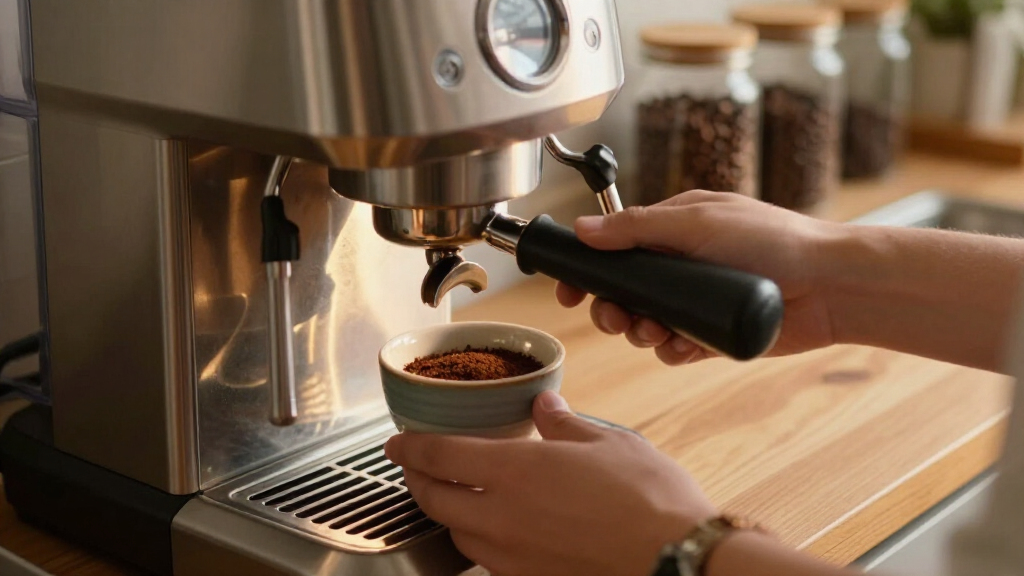
These machines were selected based on their ability to precisely control flow and pressure, which are critical for extracting optimal flavor from light roasts. We prioritized models with adjustable flow control, pressure profiling, and stable temperature management, as these features directly impact shot quality. Usability and build quality also played a role, ensuring the machines are durable and suitable for dedicated espresso enthusiasts. Cost was considered to balance performance with value, providing options for different budgets. The ranking reflects how well each machine balances these factors, with a focus on those delivering consistent, high-quality results in light roast espresso extraction.Factors to Consider When Choosing Best Flow Control Espresso Machine For Light Roast Espresso
When selecting the best flow control espresso machine for light roast espresso, understanding key features and tradeoffs can make a significant difference. Light roasts are more sensitive to extraction parameters, so precise control over pressure and flow is essential. Beyond basic features, consider how user-friendly the machine is, the level of customization it offers, and how well it maintains stable temperatures. Making the right choice depends on your skill level, budget, and specific espresso goals. Here are the main factors to keep in mind:Flow Control and Pressure Profiling
Flow control allows you to adjust how water flows through the coffee, directly affecting extraction. Machines with pressure profiling enable you to vary pressure during the shot, which can unlock more nuanced flavors from delicate light roasts. This feature is especially valuable if you want to experiment and perfect your brew. However, it adds complexity and often a higher price tag. Beginners may find manual flow control overwhelming, so assess your comfort with adjusting multiple parameters before investing in a machine with advanced profiling capabilities.
Temperature Stability and PID Control
Light roasts demand precise temperature control because even slight fluctuations can lead to under- or over-extraction. Machines equipped with PID controllers maintain consistent brew temperatures, reducing variability between shots. This stability is crucial for extracting the subtle flavors in light roasts. Cheaper models without PID can be less reliable, resulting in inconsistent results. Prioritizing temperature stability helps ensure that your light roast espresso is always extracted at its best.
Ease of Use and Learning Curve
While advanced features are appealing, they often come with a learning curve. If you’re new to flow control or pressure profiling, look for machines with intuitive interfaces, clear controls, and helpful presets. Conversely, experienced users may prefer machines that offer full manual control for maximum customization. Consider how much time you’re willing to spend dialing in your shots, and choose accordingly. Overly complicated machines can frustrate beginners, so balance feature set with usability.
Build Quality and Maintenance
Durability and craftsmanship influence long-term satisfaction. Handmade Italian machines like the Diletta models offer excellent build quality and aesthetic appeal, often translating to more precise components and better performance. However, they may require more careful maintenance. Consider how accessible parts and service are in your area, as well as the ease of cleaning. A well-built machine reduces the risk of breakdowns and maintains performance over time, which is especially important when fine-tuning for light roasts.
Price and Value
High-end flow control machines tend to come with premium features, but they can be costly. Balance your budget against the features you need. For most home enthusiasts focused on light roasts, a machine offering adjustable flow and temperature stability provides excellent value. If you’re a professional or dedicated enthusiast, investing in a machine with pressure profiling and advanced flow control can pay off in superior results. Avoid overspending on features you won’t use, but also be cautious of choosing a low-cost model that lacks the precision needed for light roast espresso.
Frequently Asked Questions
Do I need pressure profiling for light roast espresso?
Pressure profiling can significantly enhance the extraction of delicate flavors in light roasts by allowing you to control pressure at different stages of the shot. This feature is especially useful if you’re experimenting with new light roast beans or aiming for high precision. However, it adds complexity and cost, so if you’re just starting out or prefer straightforward operation, a machine with good flow control without profiling might be sufficient. Ultimately, it depends on your skill level and how much you want to fine-tune your brew.
Can a non-PID espresso machine produce good light roast shots?
While non-PID machines can still make excellent espresso, they often struggle with maintaining stable temperatures, which is critical for light roasts. Fluctuations can lead to inconsistent extraction, especially since light roasts are more sensitive to temperature variations. If you choose a machine without PID, you’ll need to be more attentive to timing and temperature adjustments. For consistent, high-quality light roast shots, a PID-equipped machine generally offers more reliable results and less guesswork.
Is manual flow control better than automatic setups for light roasts?
Manual flow control gives you the opportunity to fine-tune water flow during extraction, which can be beneficial for extracting nuanced flavors from light roasts. However, it requires skill and experience to master effectively. Automatic or preset flow profiles simplify operation and can deliver consistent results with less effort. For those new to light roast espresso or who prefer consistency over experimentation, automated systems with adjustable flow can be a more practical choice. Advanced users might prefer manual control for maximum customization.
How important is the material of the machine in light roast extraction?
The material quality impacts durability and temperature stability. Machines made of high-grade stainless steel or handcrafted Italian components tend to retain heat better and resist wear, which helps maintain consistent extraction conditions. For light roasts, where temperature stability is paramount, investing in a well-built, durable machine can make a noticeable difference. Cheaper models with flimsy materials may lead to fluctuations that compromise shot quality over time.
Should I prioritize a dual boiler or a single boiler machine for light roasts?
Dual boiler machines allow you to brew espresso while simultaneously steaming milk, providing more stable and consistent temperatures during extraction—an advantage for light roast espresso where precision is key. They are often more expensive but worth the investment if you want flexibility and consistency. Single boiler machines can still produce good results but require more careful timing and temperature management. For dedicated espresso enthusiasts focusing on light roasts, dual boilers generally deliver better control and reliability.
Conclusion
For most home users and enthusiasts, the Diletta Alto offers a compelling balance of dual boiler performance and adjustable flow control, making it ideal for precise light roast espresso. If you’re a dedicated hobbyist or professional, investing in the Turin Gallatin R with advanced flow profiling can unlock the full potential of your beans. Beginners or those on a tighter budget might find the AMZCHEF with its simpler interface and decent control features a suitable starting point. Ultimately, your choice depends on your skill level, commitment, and how much control you want over your espresso extraction process.