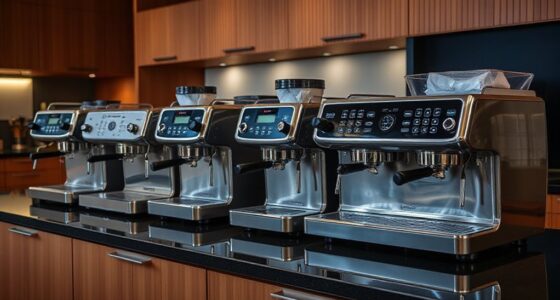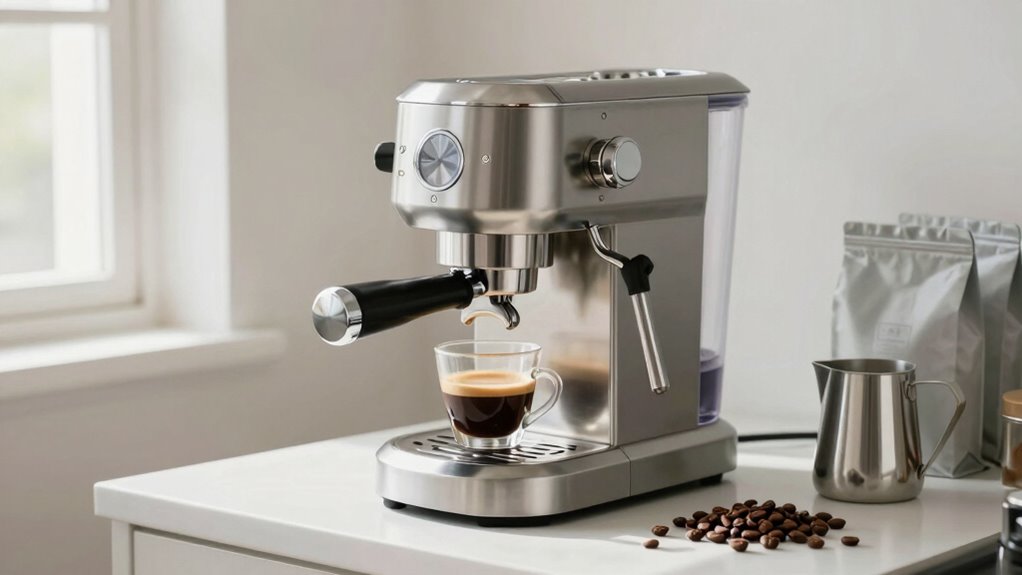

Choosing a lever espresso machine for small kitchens requires balancing brewing control with physical footprint, as true levers are often tall and heavy. The Flair 49 Pro stands out as the best overall option because it delivers pro-level pressure profiling in a compact, portable manual design that fits on a tiny counter. For those preferring automation, the Chefman CraftBrew offers a slim pump-based alternative with a manageable footprint, while the Bincoo S3 provides a middle ground with a dual-lever system that saves vertical space compared to traditional spring levers. Most buyers face a trade-off: true manual levers offer superior shot quality but require practice and space, while compact pump machines save room but limit pressure control. This guide breaks down which models truly fit tight spaces without compromising your morning ritual.

Get kitchen gear delivered free with Prime
- Fast, free delivery on millions of items
- Prime Video, Amazon Music and more included
- Member-only deals all year
Complete the kit


Key Takeaways
- True lever machines like the Flair 49 Pro eliminate electrical components, reducing heat output and allowing placement in poorly ventilated small kitchens.
- Compact pump machines (Chefman, Spacekey) dominate the ‘small footprint’ category but lack the pressure profiling capabilities of manual levers.
- Vertical clearance is the most overlooked constraint; spring-lever machines often require 15+ inches of height, while manual press models fit under standard cabinets.
- Build quality varies drastically in the budget tier; plastic-heavy models (Atatix, Casabrews) may struggle with longevity compared to stainless steel or brass constructions.
- Dual-lever systems (Bincoo) offer a compromise, providing some pressure control without the massive footprint of a full-sized lever machine.
| Flair 49 Pro Espresso Maker |  | Best True Lever Experience | Power Source: Manual | Portafilter Size: 49 mm | Output Pressure: 5-9 Bar (Variable) | VIEW ON AMAZON | See Our Full Breakdown |
| CASABREWS 3700 Essential Stainless Steel Espresso Machine |  | Best Compact Semi-Automatic | Pump Pressure: 20 Bar | Water Tank Capacity: 43.9 oz | Power: 1350 W | VIEW ON AMAZON | See Our Full Breakdown |
| Chefman CraftBrew Espresso Machine | 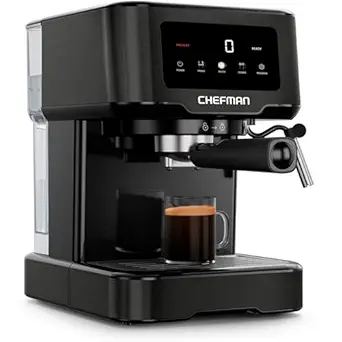 | Best User-Friendly Interface | Pump Pressure: 15-Bar | Water Reservoir: 1.5L | Power: 1350 Watts | VIEW ON AMAZON | See Our Full Breakdown |
| Atatix Espresso Machine with Milk Frother |  | Best for Office Kitchens | Pressure: 20 Bar | Tank Capacity: 44 OZ | Material: ABS and Stainless Steel | VIEW ON AMAZON | See Our Full Breakdown |
| Spacekey Espresso Machine with Milk Frother |  | Best for Speed and Variety | Pressure: 20 bar | Power: 1350W | Water Tank: 39 oz | VIEW ON AMAZON | See Our Full Breakdown |
| Bincoo S3 Manual Espresso Maker |  | Best for Precision Control on a Budget | Portafilter Size: 58mm | Pressure Range: 3-12 Bar | Material: Aluminum Alloy / Stainless Steel | VIEW ON AMAZON | See Our Full Breakdown |
| Manual Espresso Maker Set (Stainless Steel) |  | Best Value for Durable Construction | Material: Stainless Steel | Pressure Control: 3-12Bar | Portafilter Size: 58mm | VIEW ON AMAZON | See Our Full Breakdown |
| 20 Bar Semi-Automatic Retro Espresso Machine |  | Best Compact Machine with Steam Wand | Pressure: 20 Bar | Water Tank Capacity: 50 oz | Power: 1350W | VIEW ON AMAZON | See Our Full Breakdown |
| Breville BES870BTR Barista Express Espresso Machine |  | Best All-in-One Compact System | Portafilter Size: 54mm | Water Tank: 67 oz | Power: 1600 Watts | VIEW ON AMAZON | See Our Full Breakdown |
| Flair Classic Manual Lever Espresso Maker |  | Best Premium Manual Lever | Material: Cast Aluminum and Stainless Steel | Warranty: 5-Year on Press and Brewing Head | Capacity: 40 ml | VIEW ON AMAZON | See Our Full Breakdown |
| Casabrews CM5418 Compact Espresso Machine with Milk Frother |  | Best Entry-Level Pump Espresso | Pump Pressure: 20 Bar | Water Tank Capacity: 34 oz | Power: 1350 W | VIEW ON AMAZON | See Our Full Breakdown |
| lever espresso machine for small kitchen | Material | Power |
|---|---|---|
| Flair 49 Pro Espresso Maker | — | — |
| CASABREWS 3700 Essential Stain | Stainless Steel | 1350 W |
| Chefman CraftBrew Espresso Mac | — | 1350 Watts |
| Atatix Espresso Machine with M | ABS and Stainless Steel | — |
| Spacekey Espresso Machine with | — | 1350W |
| Bincoo S3 Manual Espresso Make | Aluminum Alloy / Stainless Steel | — |
| Manual Espresso Maker Set | Stainless Steel | — |
| 20 Bar Semi-Automatic Retro Es | Retro Green Finish | 1350W |
| Breville BES870BTR Barista Exp | — | 1600 Watts |
| Flair Classic Manual Lever Esp | Cast Aluminum and Stainless Steel | — |
| Casabrews CM5418 Compact Espre | Stainless Steel | 1350 W |
More Details on Our Top Picks
Flair 49 Pro Espresso Maker
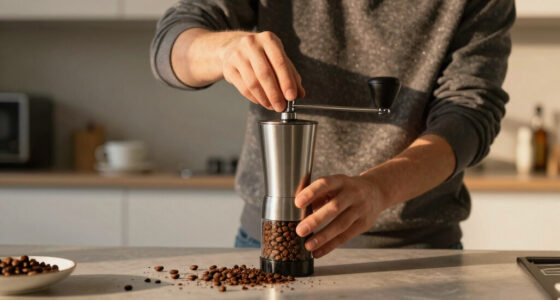
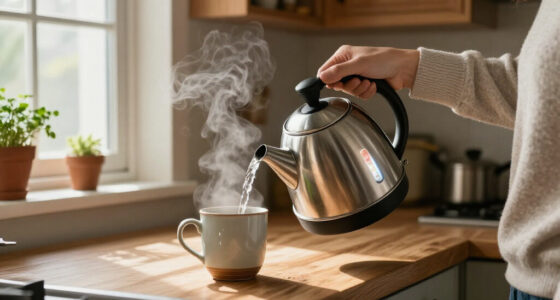
The Flair 49 Pro is the only true lever option in this lineup, offering total pressure profiling that electric pumps cannot match. Unlike the CASABREWS 3700, which relies on a fixed 20-bar pump, this manual device lets you shape the extraction curve by hand, resulting in unmatched flavor clarity. Its compact footprint fits anywhere, but it demands a separate grinder and kettle. You get no plastics in the brew path, ensuring a pure taste, but the learning curve is steep. This is for those who value craft over convenience, accepting slower prep times for superior control.Pros:- True manual lever control for custom pressure profiling
- All-metal brew path eliminates plastic taste
- Integrated pressure gauge aids consistency
- Extremely small footprint for tight counters
Cons:- No built-in grinder or heater required separate equipment
- Steep learning curve to dial in grind and pressure
- Small capacity limits serving speed
Best for: Enthusiasts who want authentic lever control and already own a grinder
Not ideal for: Beginners or those wanting one-touch convenience
- Power Source:Manual
- Portafilter Size:49 mm
- Output Pressure:5-9 Bar (Variable)
- Capacity:70 ml
- Dimensions:13.5″ D x 7.5″ W x 11″ H
- Brew Path Material:Stainless Steel
- Interface:Manual Lever & Gauge
Our verdict“The definitive choice for purists who prioritize extraction control over speed.”
CASABREWS 3700 Essential Stainless Steel Espresso Machine
For small kitchens needing barista-style drinks without the bulk of the Breville Barista Express, the CASABREWS 3700 strikes a fine balance. It features a 20-bar pump and steam wand in a slim stainless steel body. While it lacks the integrated grinder found in premium models, its removable water tank makes refilling easy in tight spaces. Compared to the Flair 49 Pro, it offers consistent pressure with far less effort. However, it requires manual frothing skills and regular descaling. This machine suits those who want versatility in milk drinks but must supply their own grounds.Pros:- Compact stainless steel design fits small counters
- Powerful steam wand for microfoam
- Large 43.9 oz removable water tank
- 20-bar pump ensures rich extraction
Cons:- No built-in grinder requires separate purchase
- Manual frothing has a learning curve
- Requires regular maintenance and descaling
Best for: Home baristas with limited counter space who want milk drinks
Not ideal for: Those wanting fully automatic operation or built-in grinding
- Pump Pressure:20 Bar
- Water Tank Capacity:43.9 oz
- Power:1350 W
- Material:Stainless Steel
- Frothing System:Steam Wand
- Type:Semi-Automatic
Our verdict“An excellent space-saving option for making lattes and cappuccinos manually.”
Chefman CraftBrew Espresso Machine
The Chefman CraftBrew distinguishes itself with a digital touch control panel and programmable timer, offering a simpler experience than the CASABREWS 3700. Its 15-bar pump and 1.5L reservoir provide consistent shots with less guesswork. While it may lack the raw power of the 20-bar Atatix, its customizable shot sizes reduce waste. The compact design fits easily on shelves, though the plastic-heavy construction feels less premium than the Flair 49 Pro. This machine is ideal for those who want reliability and ease of use over manual tinkering.Pros:- Digital touch controls simplify operation
- Programmable timer for consistent brewing
- 1.5L removable reservoir for multiple brews
- Compact form factor for small spaces
Cons:- Plastic components feel less durable
- Limited customization compared to prosumer units
- Regular descaling required
Best for: Users who prefer digital controls and consistent, repeatable shots
Not ideal for: Those seeking a premium metal build or manual pressure control
- Pump Pressure:15-Bar
- Water Reservoir:1.5L
- Power:1350 Watts
- Controls:Touch Panel
- Features:Programmable Timer
- Color:Stainless Black
- Voltage:120 Volts
Our verdict“A smart, simple choice for beginners who want café results with minimal effort.”
Atatix Espresso Machine with Milk Frother
The Atatix offers a 20-bar pressure system and precise temperature control in a compact silver chassis. It stands out for its dual-mode extraction (manual and auto), providing flexibility that the Chefman CraftBrew lacks. While its 44oz tank is slightly smaller than the CASABREWS 3700, it fits well in shared office spaces. The included tamper and portafilter make it ready to use out of the box. However, the lack of published dimensions makes fitting it into tight cabinets a gamble. It’s a solid middle-ground for those wanting power without complexity.Pros:- 20-bar pressure for rich crema
- Dual manual and auto extraction modes
- Includes essential accessories in box
- Precise temperature control for consistency
Cons:- Dimensions not specified causing fitment uncertainty
- ABS plastic mix feels less premium
- Limited detailed technical specs available
Best for: Office workers or small households needing quick, versatile drinks
Not ideal for: Buyers who need exact fitment dimensions before purchasing
- Pressure:20 Bar
- Tank Capacity:44 OZ
- Material:ABS and Stainless Steel
- Temperature Range:90-96°C
- Extraction Time:28-42 seconds
- Color:Silver
- Accessories:Portafilter & Tamper
Our verdict“A versatile, ready-to-go machine for busy users who value speed and flexibility.”
Spacekey Espresso Machine with Milk Frother
If speed is your priority, the Spacekey heats up in just 45 seconds, significantly faster than the Atatix. It includes pre-soaking and an Americano mode, adding versatility beyond standard espresso. While the 39oz tank is smaller than the Chefman CraftBrew’s, it suits single-serve habits. The 20-bar pump matches the Atatix for extraction power. However, its complex feature set can overwhelm absolute beginners compared to the simple dial on the CASABREWS. This machine is for those who want quick results and drink variety in a small footprint.Pros:- Fast 45-second preheat time
- Pre-soaking and Americano modes
- Adjustable steam wand for latte art
- Compact design for tight spaces
Cons:- Feature-rich interface may confuse beginners
- Noise levels not specified
- Smaller tank requires frequent refills
Best for: Busy individuals who want fast heat-up and multiple drink options
Not ideal for: Beginners who might find the multiple modes confusing
- Pressure:20 bar
- Power:1350W
- Water Tank:39 oz
- Heating Time:45 seconds
- Modes:Pre-soak, Americano
- Color:Silver
- Tank Type:Removable
Our verdict“A fast, feature-packed option for those who value speed and drink variety.”
Bincoo S3 Manual Espresso Maker
This unit stands out for its commercial 58mm portafilter, a rarity in manual devices that typically use smaller, less versatile baskets. Unlike the Flair Classic, which relies on a proprietary press mechanism, the Bincoo S3 uses a dual-lever system with adjustable springs, allowing for nuanced pressure profiling from 3 to 12 bars. This means you can mimic the pre-infusion stages of high-end machines without buying expensive add-ons. However, the tradeoff is physical effort; the solid aluminum build makes it heavier than plastic competitors, requiring significant wrist strength to operate consistently. It is not for those seeking speed, but rather those who want to learn the mechanics of espresso extraction while keeping their counter footprint small.
Pros:- Commercial 58mm portafilter compatibility expands accessory options
- Adjustable pressure springs allow for precise pre-infusion control
- All-metal construction eliminates plastic taste concerns
- Compact footprint fits easily under standard cabinets
Cons:- Heavy weight makes it less portable than travel-specific models
- Manual lever action requires significant physical technique
- Small 2-cup capacity limits serving multiple people quickly
Best for: Enthusiasts who want to experiment with pressure profiling and already own compatible 58mm accessories
Not ideal for: Users with limited counter space or wrist strength, as the lever action requires vertical clearance and force
- Portafilter Size:58mm
- Pressure Range:3-12 Bar
- Material:Aluminum Alloy / Stainless Steel
- Weight:3.8 kg (8.4 lb)
- Dimensions:5.7″D x 3.34″W x 5.5″H
- Power Source:Manual
- Capacity:2 Cups
Our verdict“The Bincoo S3 is the best entry point for those who want commercial-grade control and portafilter standardization without the bulk of a countertop machine.”
Manual Espresso Maker Set (Stainless Steel)
Similar in function to the Bincoo S3, this set differentiates itself through its stainless steel construction, which offers superior resistance to corrosion and heat retention compared to aluminum alternatives. The adjustable 3-12Bar pressure control provides the same profiling capabilities, making it a strong contender for budget-conscious buyers who prioritize material longevity. However, the design lacks the refined ergonomics of more expensive manual pressers, and the learning curve for achieving consistent shots is steep. While it competes directly with the Bincoo on specs, the stainless build may appeal more to those concerned with long-term wear and tear in a high-humidity kitchen environment.
Pros:- Stainless steel body resists corrosion and retains heat well
- Adjustable 3-12Bar pressure allows for customized extraction
- Commercial-grade portafilter produces rich crema
- No plastic parts in the brew path ensures clean flavor
Cons:- Heavy and bulky for a manual device
- Requires significant manual effort and technique
- Steeper learning curve for consistent pressure profiling
Best for: Budget-focused buyers who prioritize durable, rust-resistant materials over advanced ergonomic design
Not ideal for: Beginners who need intuitive controls, as the manual pressure profiling requires practice to master
- Material:Stainless Steel
- Pressure Control:3-12Bar
- Portafilter Size:58mm
- Weight:3.8kg (8.4lb)
- Brew Chamber:Thermal-stable
- Temperature Range:92°-98°C
Our verdict“This set is a solid value pick for those who want the durability of stainless steel and the flexibility of manual pressure control without paying for brand-name ergonomics.”
20 Bar Semi-Automatic Retro Espresso Machine
Unlike the fully manual options like the Bincoo S3, this semi-automatic machine includes a 20-bar Italian ULKA pump and a steam wand, making it a complete espresso and milk drink solution. Its retro aesthetic is a standout feature for small kitchens where the appliance is part of the decor. The PID temperature control ensures consistent brewing temperatures, reducing the guesswork involved in manual extraction. However, it is bulkier than the manual presses and requires more counter space. It also demands barista skills for milk texturing, unlike fully automatic machines, so it sits in a middle ground: easier than manual pressing, but harder than one-touch automation.
Pros:- Integrated steam wand allows for milk-based drinks
- PID control ensures consistent brew temperatures
- Aesthetic retro design complements modern or vintage kitchens
- Removable water tank simplifies refilling and cleaning
Cons:- Larger footprint than manual espresso makers
- Requires manual skill for milk frothing
- Cleaning maintenance is more involved than simple manual presses
Best for: Small kitchen owners who want to make lattes and cappuccinos without the complexity of a large prosumer machine
Not ideal for: Those with extremely limited counter space, as the footprint is larger than manual lever presses
- Pressure:20 Bar
- Water Tank Capacity:50 oz
- Power:1350W
- Temperature Control:PID
- Steam Wand:360-degree Adjustable
- Material:Retro Green Finish
Our verdict“This machine is the best choice for small kitchens that need the versatility of milk drinks without sacrificing too much counter real estate.”
Breville BES870BTR Barista Express Espresso Machine
The Breville Barista Express integrates a conical burr grinder directly into the unit, eliminating the need for a separate grinder that would consume precious counter space. Compared to the 20 Bar Semi-Automatic Retro, it offers superior temperature stability and a more refined workflow, though it occupies a larger footprint. The 54mm portafilter is proprietary, which limits accessory compatibility but ensures optimized extraction for this specific machine. It is an excellent choice for those who want cafe-quality espresso and latte art at home, provided they have the counter width to accommodate its depth and the budget for the premium build quality.
Pros:- Integrated grinder saves separate appliance space
- Precise temperature control for consistent extraction
- Steam wand produces microfoam suitable for latte art
- Customizable grind size and dose control
Cons:- Complex setup and learning curve for beginners
- Heavier and bulkier than manual or entry-level machines
- Proprietary 54mm portafilter limits accessory options
Best for: Serious home baristas who want an integrated grinding and brewing system with a manageable footprint
Not ideal for: Renters or users with very narrow counters, as the depth and width can be restrictive
- Portafilter Size:54mm
- Water Tank:67 oz
- Power:1600 Watts
- Grinder Type:Conical Burr
- Capacity:1/2 lb Bean Hopper
- Voltage:120 Volts
- Included Accessories:Tamper, Milk Jug, Cleaning Tools
Our verdict“The Barista Express is the ideal compromise for small kitchens, offering a complete espresso workflow in a single, albeit substantial, unit.”
Flair Classic Manual Lever Espresso Maker
The Flair Classic is widely regarded as the benchmark for manual lever espresso, offering a detachable brewing head for easy cleaning and a robust cast aluminum stand. Unlike the Bincoo S3, which uses a spring-loaded lever, the Flair relies on pure mechanical leverage, giving the user direct tactile feedback on extraction resistance. It includes two portafilters—one bottomless and one with flow control—allowing for both speed and precision. However, it requires pre-boiled water, adding a step to the process. This machine is for those who view espresso making as a craft and are willing to invest time and effort for superior shot quality and durability.
Pros:- 5-year warranty on key components ensures long-term reliability
- Detachable brewing head simplifies cleaning significantly
- Includes both bottomless and flow-control portafilters
- No electricity required, offering silent and eco-friendly operation
Cons:- Requires pre-boiled water from an external source
- Small 40ml capacity limits batch brewing
- Physically demanding lever action for some users
Best for: Dedicated hobbyists who prioritize build quality, warranty, and tactile control over convenience
Not ideal for: Users who want a quick morning coffee, as the manual process and pre-heating requirements are time-consuming
- Material:Cast Aluminum and Stainless Steel
- Warranty:5-Year on Press and Brewing Head
- Capacity:40 ml
- Dimensions:6″ D x 12″ W x 10″ H
- Weight:4.9 pounds
- Portafilters Included:Bottomless and Flow-Control
- Power Source:Manual
Our verdict“The Flair Classic is the definitive choice for purists who want a durable, high-performance manual lever that rewards skill with exceptional espresso.”
Casabrews CM5418 Compact Espresso Machine with Milk Frother
While this roundup focuses on lever espresso machines for small kitchens, the Casabrews CM5418 stands out as a practical alternative for those who find manual levers too demanding. Unlike the Flair 49 Pro, which requires significant upper-body strength and technique to achieve proper extraction, this pump-driven unit delivers consistent pressure with the push of a button. It is an excellent choice for beginners who want milk-based drinks without mastering the physical art of pulling a shot by hand. However, it lacks the tactile control and pressure profiling of true lever machines, meaning you sacrifice some flavor nuance for convenience. The 20-bar pump ensures a crema-rich espresso, but it cannot replicate the gentle, declining pressure profile that defines high-quality lever extractions. This machine fits neatly under standard cabinets, making it a space-saver that prioritizes ease of use over artisanal precision.
Pros:- Consistent 20-bar pressure removes the skill barrier of manual pulling
- Compact stainless steel footprint fits easily under standard upper cabinets
- Removable 34 oz water tank simplifies daily refilling and cleaning
- Integrated steam wand allows for quick cappuccino and latte preparation
Cons:- Lacks pressure profiling capabilities found in lever machines like the Flair Classic
- Requires cooling periods between steaming and brewing to protect internal components
- Fixed pump pressure limits the ability to experiment with extraction variables
Best for: Beginners who want consistent espresso and steamed milk without the physical effort of manual lever machines
Not ideal for: Purists seeking manual pressure profiling and the tactile satisfaction of a true lever mechanism
- Pump Pressure:20 Bar
- Water Tank Capacity:34 oz
- Power:1350 W
- Material:Stainless Steel
- Included Components:Portafilter, Tamper, Brewing Filters
- Steam Wand:Yes
- Form Factor:Compact
Our verdict“Choose this if you prioritize convenience and milk frothing over the manual control of a dedicated lever machine.”
How We Picked
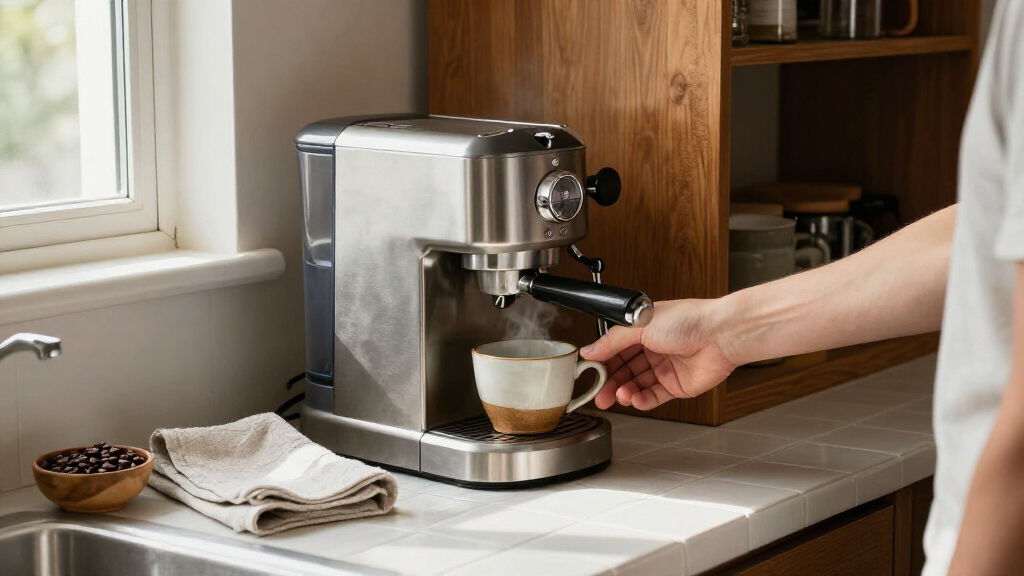
I evaluated these machines based on three strict criteria relevant to small-kitchen living: physical footprint, brewing mechanism efficiency, and versatility. First, I measured the base dimensions and height of each unit, prioritizing models that fit under standard 18-inch kitchen cabinets. Second, I assessed the brewing method, distinguishing between true manual levers, semi-automatic pumps, and hybrid systems, because the mechanism dictates both the learning curve and the quality of the espresso. Finally, I considered maintenance and cleaning requirements, as small kitchens often lack dedicated dishwashing space or easy access to sinks for large water reservoirs.
The ranking logic favors machines that maximize utility per square inch. Manual levers rank higher for control and portability, while compact pump machines are ranked for ease of use and speed. I penalized models with excessive protruding parts (like large steam wands or bulky milk frothers) that require extra clearance, as these are impractical for cramped counters. This approach ensures the recommendations reflect real-world spatial constraints rather than just theoretical brewing performance.
| lever espresso machine for small kitchen | Material |
|---|---|
| Flair 49 Pro Espresso Maker | — |
| CASABREWS 3700 Essential Stain | Stainless Steel |
| Chefman CraftBrew Espresso Mac | — |
| Atatix Espresso Machine with M | ABS and Stainless Steel |
| Spacekey Espresso Machine with | — |
| Bincoo S3 Manual Espresso Make | Aluminum Alloy / Stainless Steel |
| Manual Espresso Maker Set | Stainless Steel |
| 20 Bar Semi-Automatic Retro Es | Retro Green Finish |
| Breville BES870BTR Barista Exp | — |
| Flair Classic Manual Lever Esp | Cast Aluminum and Stainless Steel |
| Casabrews CM5418 Compact Espre | Stainless Steel |
Factors to Consider When Choosing Lever Espresso Machine For Small Kitchens
Selecting the right machine for a small space is less about brand loyalty and more about geometry and workflow. Here are the key factors to weigh before purchasing.Vertical Clearance vs. Counter Footprint
In small kitchens, vertical space is often just as limited as horizontal space. Traditional spring-lever machines, like the Breville Barista Express (though technically a pump, it has a tall profile) or larger manual levers, can exceed 15 inches in height, making them incompatible with upper cabinets. Manual press levers like the Flair series are superior here because they have a low profile and can be stored flat in a drawer when not in use. If you have under-cabinet lighting or tight clearance, prioritize machines under 12 inches tall or those with collapsible designs. Always measure your available space, including the height needed to remove a portafilter or fill a water tank.
Manual Control vs. Automated Convenience
True lever machines offer pressure profiling, allowing you to mimic the pre-infusion and ramp-up of high-end commercial machines. However, this requires significant user skill and physical effort. In a small kitchen, you might be brewing in a rush or with limited counter space for weighing beans and tamping. Compact pump machines (like the Chefman or Spacekey) automate this process, offering consistency with less technique required. Decide if you value the ritual and customizability of manual brewing or the speed and consistency of automation. For beginners in small spaces, automation often reduces frustration and cleanup time.
Water Reservoir Accessibility
Small kitchens often have machines shoved into corners or against walls, making it difficult to remove and refill water tanks. Look for models with front-loading or side-access reservoirs rather than rear-loading ones. The Chefman CraftBrew and Atatix models feature removable tanks that are relatively easy to handle, whereas some integrated designs require lifting the entire machine or accessing hard-to-reach areas. If your machine sits next to a wall, a rear-loading tank becomes a daily annoyance. Check the tank capacity as well; smaller tanks mean more frequent refills, which can be tedious if the refill process is awkward.
Heat Output and Ventilation
Espresso machines generate significant heat, which can be problematic in small, poorly ventilated kitchens. Manual lever machines like the Flair 49 Pro and Bincoo S3 use a separate kettle for water, meaning the machine itself remains cool to the touch and emits minimal ambient heat. Pump-based machines (Breville, Casabrews) have internal boilers that heat up the surrounding area. If your kitchen is tiny or lacks good airflow, a manual setup helps keep the room temperature comfortable. This factor also affects safety; manual machines reduce the risk of accidental burns from hot steam wands or boiler housings in cramped quarters.
Steam Wand Functionality in Tight Spaces
Making milk-based drinks in a small kitchen requires a steam wand that doesn’t require a wide swinging arc. Panarello-style wands (common on budget models like the Casabrews) are easier to use but produce lower-quality microfoam. Professional steam wands offer better texture but require precise positioning and space to maneuver the pitcher without hitting the machine or cabinets. If you primarily drink straight espresso or Americanos, consider skipping the steam wand entirely to save space and cost. If you do need milk, ensure the wand is positioned such that you have at least 4-5 inches of clearance from the machine’s body to the edge of your counter.
Frequently Asked Questions
Can I really pull good espresso with a manual lever machine if I’m a beginner?
Yes, but it comes with a learning curve. Manual levers like the Flair 49 Pro require you to control the pressure manually, which means inconsistent shots are common at first. However, many beginners find the tactile feedback helpful for understanding extraction. Start with pre-ground espresso or a simple single-dose grinder to reduce variables. The advantage in a small kitchen is that there are no electronics to fail, and the cleanup is often simpler because there are no steam wands to purge or complex boilers to descale.
Do compact pump machines sacrifice espresso quality for size?
Generally, yes, but the gap is narrowing. Compact pumps like the Chefman CraftBrew or Spacekey often use smaller boilers and less precise temperature control compared to larger machines. This can lead to inconsistent extraction temperatures, resulting in shots that are either too sour or too bitter. However, for casual drinkers, the convenience and speed often outweigh the marginal quality drop. If you are a serious enthusiast, a manual lever will likely produce a more nuanced cup despite the smaller footprint.
How much counter space do I actually need for these machines?
It depends on the type. Manual levers (Flair, Bincoo) have a small base (often under 5×5 inches) but need vertical clearance for the lever arm and a kettle. Pump machines (Breville, Chefman) typically require a 12-15 inch wide footprint to accommodate the portafilter and steam wand. Always measure the machine’s width plus 2-3 inches on each side for clearance. Remember to account for the space needed to place a cup and a knock box, which can double the required workspace during brewing.
Are manual espresso machines better for small kitchens with poor ventilation?
Absolutely. Pump-based machines contain heating elements and boilers that radiate heat, which can make a small, enclosed kitchen uncomfortably warm. Manual lever machines rely on externally boiled water, so the machine itself stays relatively cool. This makes them an ideal choice for apartments or galley kitchens where airflow is limited. Additionally, they operate silently, which is a benefit in small spaces where noise travels easily to living areas.
What is the biggest mistake people make when buying espresso machines for small spaces?
Ignoring the ‘working triangle’ of brewing. Buyers often focus on the machine’s static footprint but forget the dynamic space needed for grinding, tamping, and pouring. A machine that fits on the counter but leaves no room for a grinder or a milk pitcher will create a cluttered, frustrating experience. Always visualize your entire workflow. If you don’t have space for a separate grinder, choose a machine with a built-in grinder (like the Breville Barista Express) or one that allows you to store the grinder in a drawer between uses.
Conclusion
Choosing the right lever espresso machine for small kitchens ultimately depends on your willingness to trade convenience for control. For the best overall balance of quality and space efficiency, the Flair 49 Pro is my top recommendation; its manual nature eliminates bulky components and heat, fitting seamlessly into tight quarters. If you prioritize speed and ease of use, the Chefman CraftBrew offers a slim, automated solution that minimizes counter clutter. For those seeking a middle ground with some pressure control, the Bincoo S3 provides a compact dual-lever system that is more forgiving than a pure manual lever. Beginners should lean toward the Chefman or Spacekey for consistency, while enthusiasts will appreciate the tactile precision of the Flair series. Measure your space carefully, prioritize vertical clearance, and choose the mechanism that matches your daily routine.