To quickly check your water hardness at home, try a simple soap test. Fill a clear bottle halfway with tap water, add a few drops of dish soap, then shake vigorously for about 10 seconds. If the water produces thick foam, your water is soft or mildly hard. If little to no foam appears and a soap film remains, the water is hard. Keep exploring to discover more ways to assess your water quality effortlessly.
Key Takeaways
- Perform a quick soap test by shaking a water sample with dish soap; minimal foam indicates hard water.
- Observe soap film or deposits on fixtures and dishes as a visual indicator of water hardness.
- Use a clear bottle or jar for the soap test to easily see foam formation after vigorous shaking.
- Dip a water test strip into tap water and compare its color to the chart for instant hardness measurement.
- Check for soap scum or mineral deposits on appliances and fixtures for quick at-home hardness assessment.
Ever wondered if your tap water is hard or soft? It’s a common question, especially when you notice your soap doesn’t lather well or you see mineral deposits on fixtures. Water hardness is primarily determined by its mineral content, specifically calcium and magnesium ions. The more of these minerals present, the harder your water is. Hard water can cause soap to form a scum rather than a rich lather, making cleaning less effective and leaving deposits on dishes, laundry, and plumbing. Testing your water at home quickly reveals whether you’re dealing with hard or soft water, saving you time and money.
Hard water contains calcium and magnesium, causing soap scum and mineral deposits on fixtures.
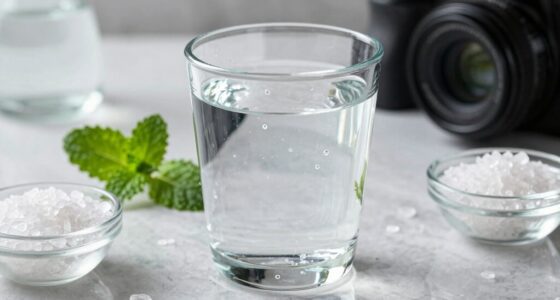
One of the simplest ways to gauge water hardness involves observing soap lathering effectiveness. Fill a clear bottle or jar with about half water from your tap, then add a few drops of liquid soap or dish detergent. Shake vigorously for about 10 seconds. If your soap produces a lot of thick, frothy lather with minimal effort, your water is likely soft or only mildly hard. If the mixture produces little to no foam and leaves a soapy film on the container’s sides, your water has a high mineral content and is considered hard. This quick test gives you a practical sense of your water’s mineral levels without any specialized equipment. Understanding water hardness levels can help you determine the best water treatment options for your household.
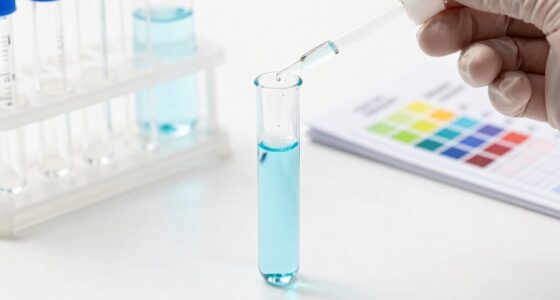
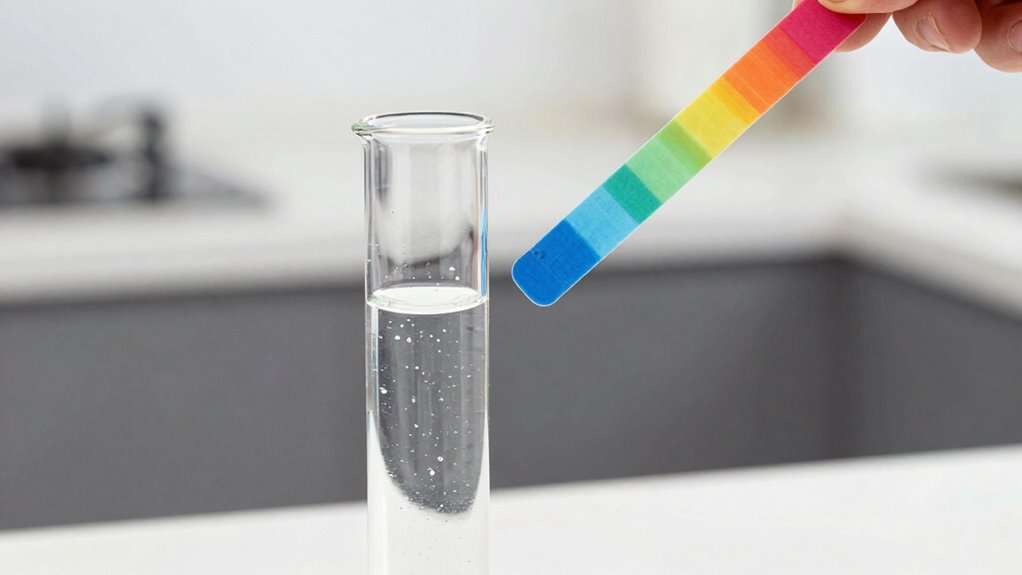
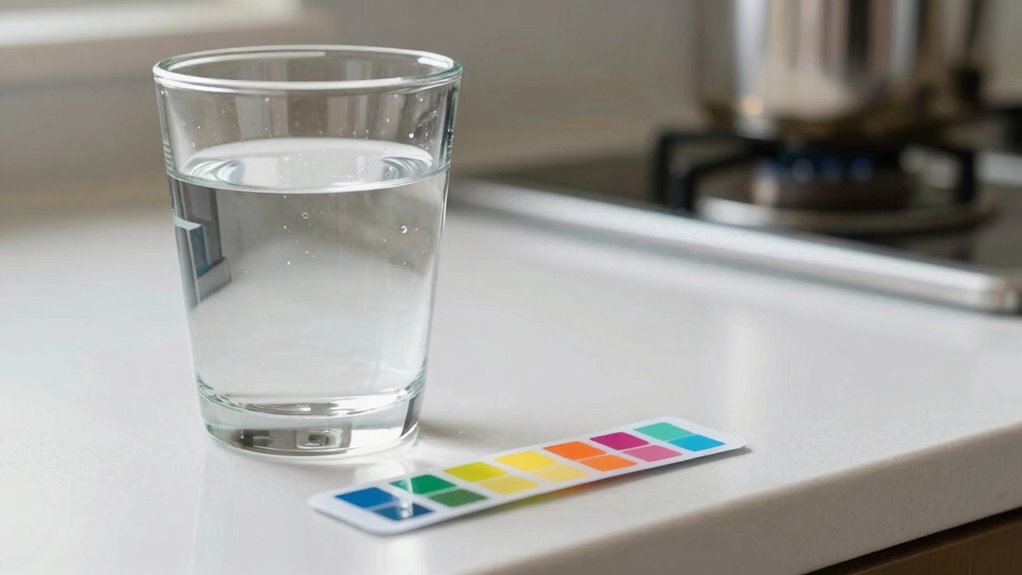
For a more precise measurement, you can use test strips designed specifically for water hardness. These strips are affordable and easy to use; just dip one into your tap water, wait a few seconds, and compare the color change to the chart included with the strips. The results will tell you exactly how many parts per million (ppm) of calcium carbonate are present. Generally, water with less than 60 ppm is soft, while anything above 120 ppm is considered hard. This method provides a clear, straightforward way to understand your water’s mineral content without needing laboratory testing. Water hardness testing offers a simple way to assess whether your water needs treatment or not. Understanding water hardness levels can guide you in choosing the most effective household cleaning routines and maintenance practices. Familiarity with water mineral content can also help you select appropriate water softening or treatment devices to extend the lifespan of your appliances.

Varify Water Hardness Test Kit – Water Testing Kit for Home, Drinking, Well, Spa, Swimming Pool, Softener, Dishwasher & More – Hard Water Test Strips for Calcium, Magnesium etc (0-425 pmm, 150 Strips)
- Protects Home and Health: Monitors water hardness to prevent damage
- Fast and Accurate Results: Provides quick, reliable water hardness readings
- Easy-to-Read Color Chart: Large, clear color guide for simple interpretation
As an affiliate, we earn on qualifying purchases.
As an affiliate, we earn on qualifying purchases.
Frequently Asked Questions
Can Water Hardness Levels Change Over Time at Home?
Yes, water hardness levels can change over time at home due to water quality and seasonal variations. During different seasons, factors like rainfall or droughts affect mineral levels, altering hardness. Changes in your plumbing or water source can also impact water quality, leading to fluctuations. Regular testing helps you stay aware of these shifts, ensuring your water remains safe and suitable for your needs.
How Often Should I Test My Water Hardness?
Think of your water as a living story, changing chapter by chapter. You should test your water hardness every few months, especially if your water source or plumbing changes. Use simple water testing methods with easy-to-read hardness level indicators to maintain awareness. Regular testing ensures you catch any shifts early, protecting your appliances and skin from mineral buildup and keeping your home’s water story clear and vibrant.
Is It Safe to Use DIY Test Kits Regularly?
Using DIY test kits regularly is generally safe if you follow the instructions carefully. However, keep in mind that DIY accuracy can vary, so your results might not be as precise as professional tests. Always handle chemicals with care, using gloves and working in a well-ventilated area. If you’re concerned about chemical safety, consider verifying results with a professional test to guarantee your water quality is accurately monitored.
What Are the Signs of Hard Water in Household Appliances?
You might notice mineral buildup around your appliances, which is a clear sign of hard water. As mineral deposits accumulate, your appliances become less efficient, leading to longer cleaning times and higher energy bills. Sudden issues like limescale in your kettle or soap scum in your dishwasher are clues that hard water affects appliance performance. Addressing these signs early can help maintain efficiency and prevent costly repairs.
Can Water Softening Affect Water Hardness Readings?
Water softening can indeed affect water hardness readings because it reduces minerals like calcium and magnesium responsible for hard water. When you use water softening, the softening effects lower the hardness level, making your water seem less hard. If you test water after softening, it may show a softer water quality, but this doesn’t mean the initial hardness was gone; it just reflects the softened state.

Bestprod All-New 21 in 1 Drinking Water Testing Kit Strips, Home Tap and Well Water Test Kit for Hardness, Lead, Iron, Copper, Chlorine, Fluoride
- Clear, Easy-to-Read Results: Provides clear results for all substances
- Simple to Use: Add water, set timer, read results
- User-Friendly Guide: Includes clear instructions for interpretation
As an affiliate, we earn on qualifying purchases.
As an affiliate, we earn on qualifying purchases.
Conclusion
Now that you’ve learned how to quickly test water hardness at home, you’re ready to keep your daily routine flowing smoothly. Imagine your tap as a gentle stream, clear and pure, revealing its true nature with just a simple test. With this easy method, you can guarantee your water stays soft or hard as needed, like a well-tuned instrument. Keep testing, stay informed, and let your home’s water always sing in perfect harmony.
Varify Water Hardness Test Kit – Water Testing Kit for Home, Drinking, Well, Spa, Swimming Pool, Softener, Dishwasher & More – Hard Water Test Strips for Calcium, Magnesium etc (0-425 pmm, 150 Strips)
- Protects Home and Health: Monitors water hardness to prevent damage
- Fast and Accurate Results: Provides quick, reliable water hardness readings
- Easy-to-Read Color Chart: Large, clear color guide for simple interpretation
As an affiliate, we earn on qualifying purchases.
As an affiliate, we earn on qualifying purchases.
Bestprod All-New 21 in 1 Drinking Water Testing Kit Strips, Home Tap and Well Water Test Kit for Hardness, Lead, Iron, Copper, Chlorine, Fluoride
- Clear, Easy-to-Read Results: Provides clear results for all substances
- Simple to Use: Add water, set timer, read results
- User-Friendly Guide: Includes clear instructions for interpretation
As an affiliate, we earn on qualifying purchases.
As an affiliate, we earn on qualifying purchases.