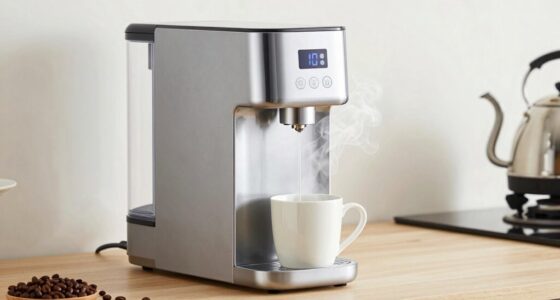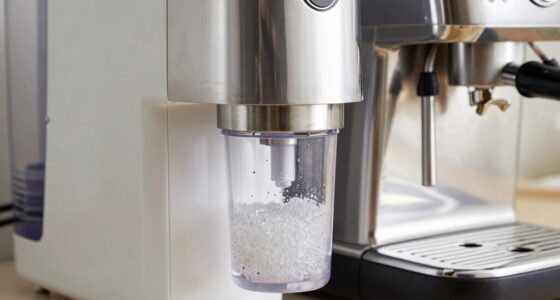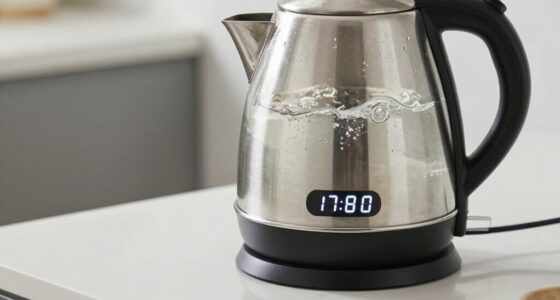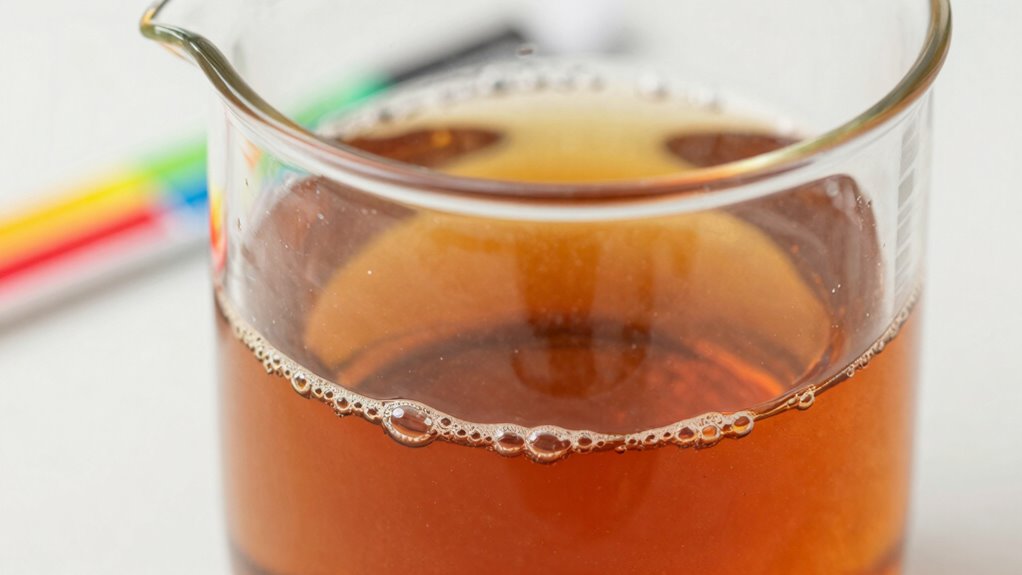
The pH of your water matters because it impacts extraction and flavor balance in your coffee. Slightly acidic to neutral pH (6.5–7.5) helps bring out the best notes without sourness or flatness. While factors like bean origin and brewing temperature influence flavor more, adjusting water pH subtly can enhance your brew’s overall quality. To discover how small changes make a big difference, keep exploring what truly affects your perfect cup.

Get kitchen gear delivered free with Prime
- Fast, free delivery on millions of items
- Prime Video, Amazon Music and more included
- Member-only deals all year
Key Takeaways
- Slightly acidic to neutral water pH (6.5–7.5) optimizes coffee extraction and flavor balance.
- Water pH influences acidity but is less critical than bean origin and brewing temperature.
- Adjusting water pH subtly can enhance or diminish specific flavor notes without overpowering the coffee.
- Overly alkaline or acidic water can distort natural bean flavors, but pH alone doesn’t determine overall quality.
- Consistent, high-quality coffee depends more on bean selection and temperature control than precise pH adjustments.
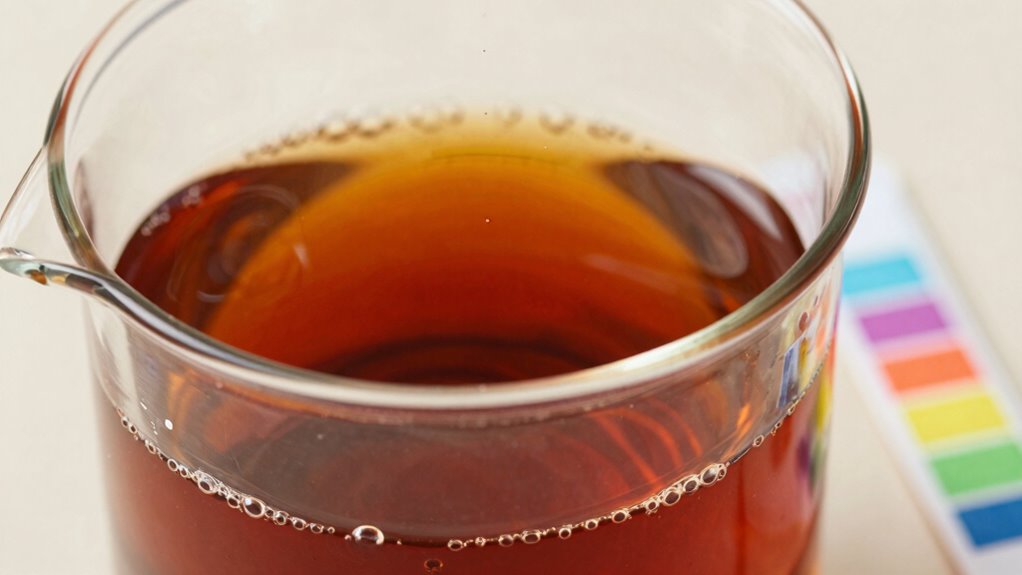
Understanding the pH level in your coffee water is essential for brewing a perfect cup. The acidity of your water can influence the extraction process, impacting flavor, aroma, and overall balance. When considering pH, it’s important to recognize that factors like coffee bean origin and brewing temperature play significant roles. Coffee beans from different regions have unique chemical compositions, which affect how they interact with water. For example, beans from Central America tend to produce brighter, more acidic brews, while those from Indonesia might offer a richer, more mellow profile. These differences are partly due to the inherent acidity in the beans themselves, which interacts with the water’s pH during brewing.
Brewing temperature is another critical factor. Hotter water accelerates extraction and can intensify acidity, especially when it’s near boiling point. If your water’s pH isn’t balanced, it can either amplify or diminish these effects, leading to a cup that’s either overly sour or flat. Generally, water used for brewing should have a neutral to slightly acidic pH, around 6.5 to 7.5. If the water is too alkaline or too acidic, it can distort the natural flavors of your beans. For instance, excessively alkaline water might mute bright notes, while overly acidic water could emphasize sourness, overshadowing other nuanced flavors.
You might wonder whether adjusting the pH of your water makes a real difference. It does, particularly if you’re aiming for consistent quality or trying to highlight specific flavor notes. But it’s equally important to remember that pH isn’t the only factor influencing your coffee’s taste. The origin of your beans and the brewing temperature are often more impactful. For example, a high-quality coffee from Ethiopia will have a different flavor profile than a robust blend from South America, regardless of pH. Similarly, brewing at the right temperature—usually between 195°F and 205°F—ensures optimal extraction without overly emphasizing acidity or bitterness.
Additionally, understanding water chemistry can help you make informed adjustments to improve your brew. Ultimately, understanding the interaction between water pH, coffee bean origin, and brewing temperature allows you to fine-tune your process. Adjustments to pH should be subtle and deliberate, complementing the natural qualities of the beans and the desired flavor profile. Pay attention to these elements, and you’ll be more likely to brew a balanced, flavorful cup every time.
Frequently Asked Questions
How Does pH Affect Coffee Bean Flavor?
You might notice that pH affects your coffee bean flavor by influencing the flavor balance, highlighting different notes. A lower pH (more acidic water) can accentuate bright, fruity flavors, especially from certain bean origins like Ethiopian or Kenyan beans. Conversely, higher pH (less acidic) can mellow the overall profile, emphasizing smoothness. Adjusting water pH helps you bring out the best qualities of your beans and achieve your preferred flavor balance.
Can pH Levels Change During Brewing?
Yes, pH levels can change during brewing due to factors like temperature and extraction. While water’s pH stability is generally maintained, brewing pH changes occur as compounds from coffee beans dissolve and interact with water. You might notice slight shifts in acidity or alkalinity, which can influence flavor. Being aware of these changes helps you control the brewing process for a more consistent and balanced cup.
Is a Higher pH Always Better for Coffee?
A higher pH isn’t always better for coffee. You need pH stability because overly alkaline water can taste flat, while too acidic can make your brew sour. Brewing temperature impacts pH, so maintaining the right temperature helps keep pH levels balanced. Focus on water quality and consistency rather than just aiming for a high pH. Properly balanced pH enhances flavor without sacrificing the overall quality of your coffee.
How Do Different Water Sources Impact pH?
Think of water sources as a palette, shaping your coffee’s flavor. Your tap water composition and mineralization profoundly impact pH levels. Hard water with high mineral content can raise pH, making it more alkaline, while softer water tends to be more neutral or slightly acidic. Using different water sources, like filtered or mineral-rich water, directly influences pH, so choose wisely to craft the perfect brew.
Does pH Influence Coffee Acidity Perception?
Yes, pH influences how you perceive coffee acidity. Stable pH levels help maintain flavor balance, ensuring the acidity isn’t overly sharp or dull. When the pH is too low or unstable, it can cause an imbalance, making the coffee taste sour or flat. You should focus on water with consistent pH to enhance the natural brightness without overwhelming the overall flavor. Proper pH stability guarantees a harmonious coffee experience.
Conclusion
So, next time you brew, remember that while pH matters, it’s just one piece of the puzzle. Sometimes, the tiniest change in water’s acidity can unexpectedly enhance your favorite cup. Coincidentally, that’s when you realize it’s not always about chasing perfect numbers but about finding what tastes best to you. Trust your palate, experiment a little, and enjoy the journey—because the best coffee is the one you love most.
Halloween Picks
halloween
As an affiliate, we earn on qualifying purchases.