Water softeners for espresso remove calcium and magnesium, which cause hardness and scale buildup that can harm your machine and affect flavor. However, they don’t eliminate all contaminants like iron, manganese, chlorine, or organic compounds that can impact taste or cause clogs. To get the best quality water, you may need to combine softening with additional filtration methods. Keep exploring to discover how to optimize your water for perfect espresso.
Key Takeaways
- Water softeners remove calcium and magnesium, preventing scale buildup and improving espresso machine performance.
- They do not eliminate bacteria, chlorine, chloramine, or organic contaminants affecting taste and safety.
- Residual iron and manganese may remain, potentially causing staining and equipment issues over time.
- Over-softening can dull espresso flavors, as minerals contribute to flavor complexity.
- Combining softening with additional filtration enhances overall water quality for optimal espresso extraction.
Which Minerals Do Water Softeners Remove and Why Are They Important?
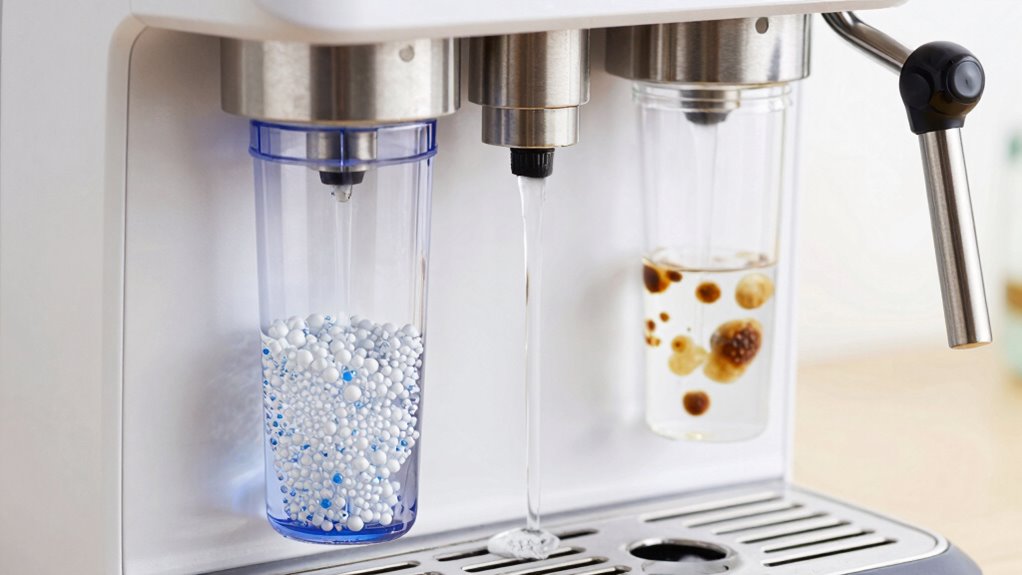
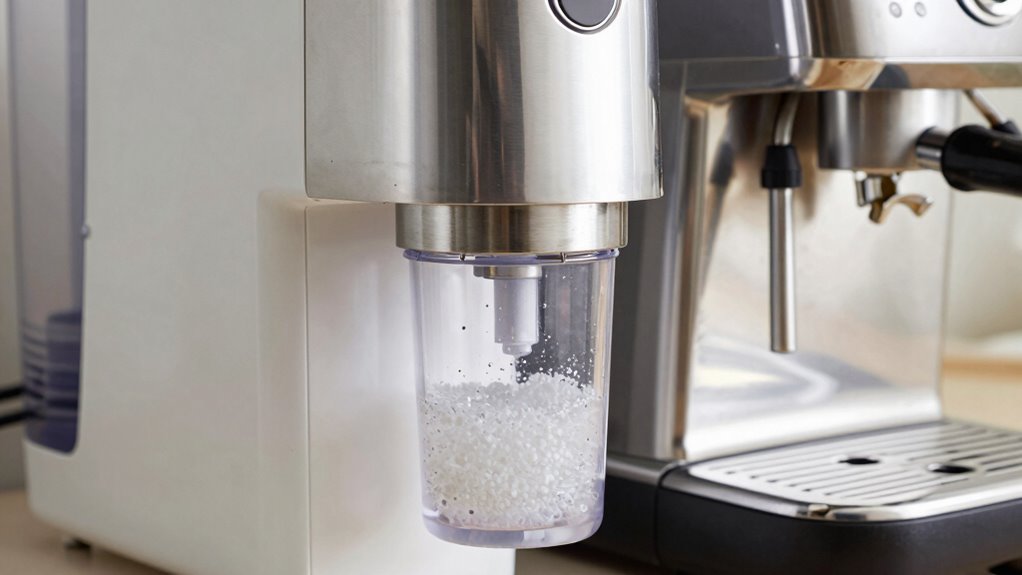
Water softeners primarily remove minerals like calcium and magnesium from your water, which are responsible for hardness. Calcium removal is essential because it prevents mineral buildup in your espresso machine’s boiler and internal parts. Magnesium filtration also plays a crucial role, as magnesium contributes to water’s hardness and can affect the taste and quality of your espresso. By targeting these minerals, water softeners help reduce scale formation, extending your equipment’s lifespan and maintaining optimal performance. Removing calcium and magnesium ensures cleaner extraction, improving flavor consistency. It also minimizes maintenance needs and prevents costly repairs caused by mineral deposits. Additionally, water quality is a critical factor in espresso brewing, and effective softening enhances the overall drinking experience. Proper mineral removal is vital for ensuring your water’s quality, especially when preparing high-quality espresso. Understanding how different minerals impact water chemistry can further optimize your brewing process. Moreover, selecting the appropriate water treatment methods can further improve the consistency and flavor of your espresso. Implementing tailored water softening techniques can provide even better control over mineral levels, ensuring the best possible espresso extraction.
What Minerals and Contaminants Remain After Water Softening?
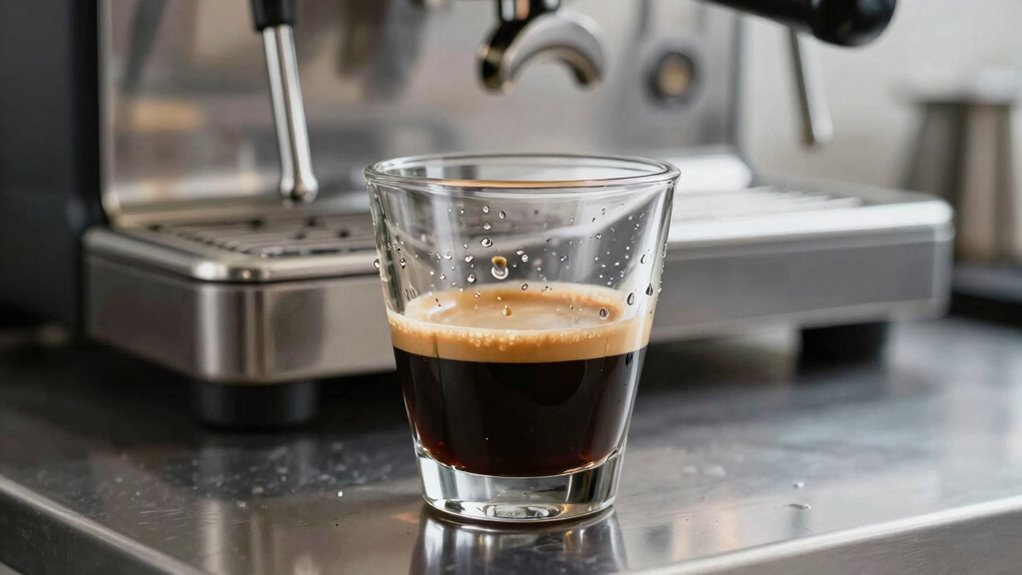
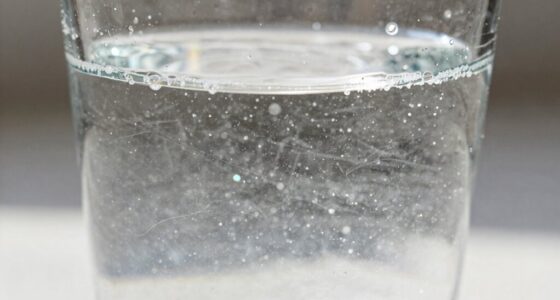
Even after water softening removes calcium and magnesium, some minerals and contaminants can still remain in your water. These lingering elements may include trace amounts of iron, manganese, and certain salts, which can contribute to scale buildup over time. While the softening process effectively reduces hardness, it doesn’t eliminate all impurities that affect water taste. You might notice a slight mineral flavor or metallic notes if iron or manganese are present. These residual minerals can also cause staining or clogging in espresso equipment if they accumulate. Additionally, understanding water composition helps you better manage your brewing process and maintain suitable espresso flavor and equipment longevity. Recognizing water contaminants is crucial for optimizing your espresso brewing experience. So, although softening improves water quality, it doesn’t completely purify your water. Being aware of what remains helps you better manage your brewing process and maintain suitable espresso flavor and equipment longevity. To further improve water quality, consider additional filtration methods tailored to remove specific impurities, including proper water testing.
How Does Water Softening Impact Espresso Flavor and Equipment?
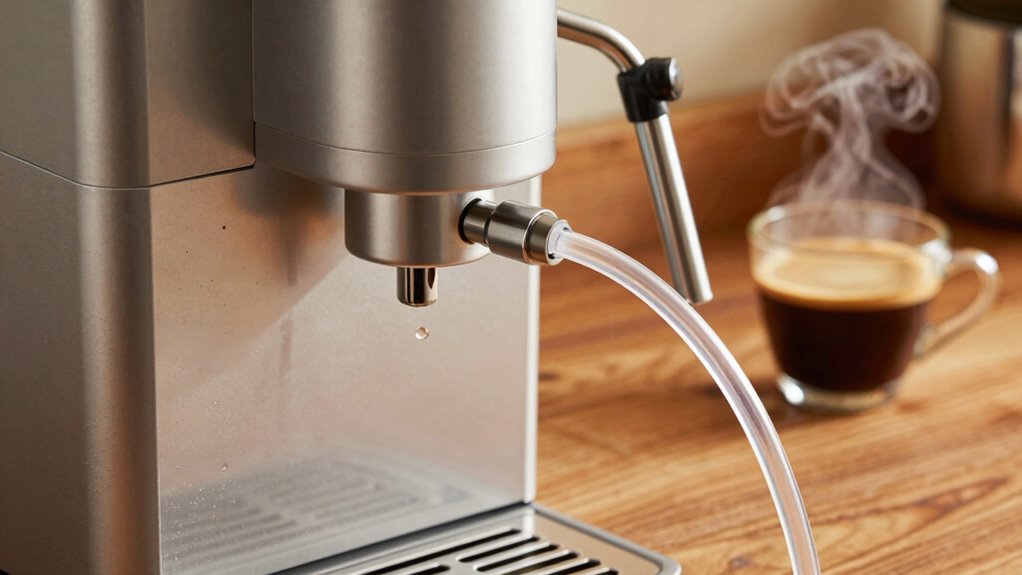
When you use softened water for brewing espresso, you often notice a cleaner, more consistent flavor because the removal of calcium and magnesium reduces mineral interference. This enhances flavor clarity and allows the true nuances of your coffee to shine. Additionally, softened water helps maintain ideal brew strength by preventing scale buildup in your equipment, which can diminish extraction quality. However, overly softened water may lead to flatter, less vibrant flavors if minerals that contribute to complexity are completely removed. To balance flavor and equipment longevity, adjusting water softness levels is key. Consider this: Free Floating minerals in water play a crucial role in developing the depth and richness of espresso flavor, so completely removing them may result in a less nuanced cup.
| Mineral Content | Effect on Flavor | Equipment Impact |
|---|---|---|
| Low minerals | Cleaner, brighter flavor | Less scale buildup |
| High minerals | Richer flavor, more complexity | Risk of scaling |
| Balanced minerals | Optimal flavor clarity | Extended equipment life |
| Excessively soft | Flat taste | Minimal scale, but potential flavor dullness |
What Are the Limitations of Water Softeners? (What Can’t They Remove?)
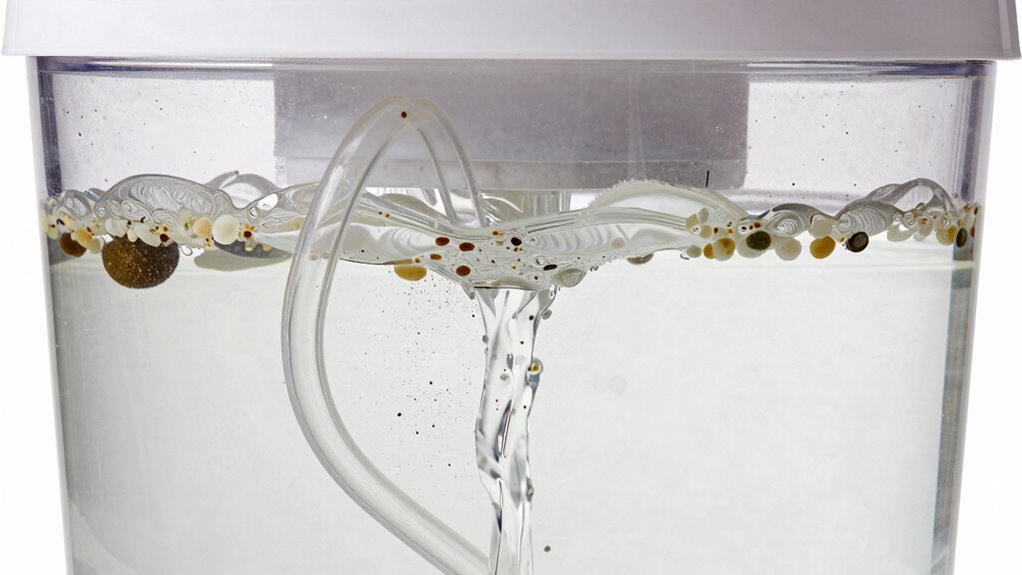
While water softeners excel at reducing calcium and magnesium minerals that cause scale buildup and affect flavor, they don’t eliminate all impurities that can impact your espresso. They don’t remove bacteria or other microorganisms, which could pose health risks or influence taste over time. Additionally, softeners don’t filter out certain contaminants like chlorine, chloramine, or organic compounds that can alter flavor or cause equipment issues. Water softeners also don’t address issues related to bacteria control, especially in water sources prone to microbial growth. If your water contains bacteria or other impurities, relying solely on a softener isn’t enough. You may need additional filtration or purification methods to ensure your water is truly clean and safe for brewing high-quality espresso.
How Can You Combine Water Softening With Other Filtration Methods for Better Coffee?
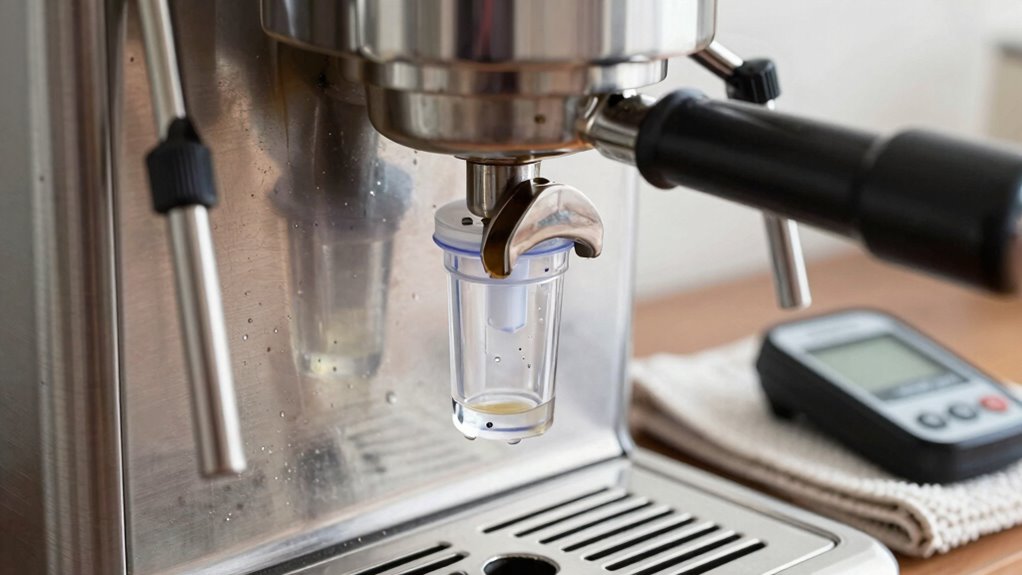
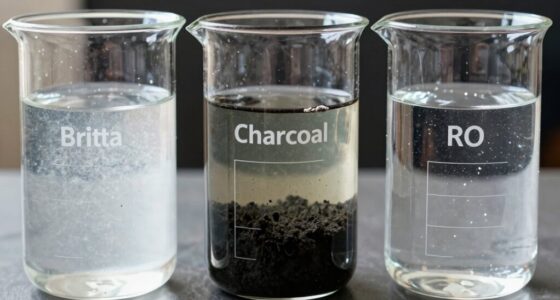
Combining water softening with additional filtration methods offers a thorough approach to achieving better-tasting espresso. Filter integration allows you to add specific systems, like activated carbon or specialty filters, that target remaining impurities and enhance flavor. This combination helps you maintain mineral balancing, ensuring water isn’t overly soft or hard, which can affect extraction and taste. By softening water first, you reduce scale buildup, and then using other filters refines the water further, removing chlorine, organic compounds, and sediments. This layered approach optimizes water quality, resulting in more consistent espresso. Incorporating support breakfast concepts like mineral balance and flavor preservation can further improve your brewing process. Keep in mind that choosing the right filtration combination depends on your water source and desired flavor profile, making it essential to evaluate your water’s mineral content and filtration needs. Additionally, understanding how sound and gear influence the brewing environment can help you make more informed decisions about water treatment. Implementing a multi-stage filtration system tailored to your water quality can significantly improve your coffee experience. Properly managing water quality also involves understanding water chemistry, which can help prevent over-softening and preserve desirable mineral levels essential for optimal extraction. Recognizing the impact of connected equipment and digital monitoring can assist in maintaining ideal water conditions over time.
Frequently Asked Questions
Do Water Softeners Affect Mineral Content Critical for Espresso Extraction?
Water softeners can affect mineral balance and water chemistry, which are critical for espresso extraction. They often remove calcium and magnesium, essential minerals that influence flavor and crema. While softeners improve water quality by reducing hardness, they may strip out minerals necessary for ideal extraction. To maintain the right mineral content, consider using a tailored water treatment system that balances softening with preserving key minerals for great espresso.
Can Water Softeners Remove Organic Contaminants From Water?
Like a sieve catching the storm’s debris, water softeners primarily focus on mineral removal, not organic contaminants. They don’t excel at organic removal or contaminant filtration. If you need to eliminate organic compounds or other pollutants, consider activated carbon filters or specialized filtration systems. These options target organic contaminants effectively, ensuring your espresso water is pure and free of unwanted substances, much like a clear stream flowing unhindered.
How Often Should I Regenerate My Water Softener for Optimal Espresso Flavor?
You should regenerate your water softener every 2 to 4 weeks, depending on your water usage and hardness levels. Monitor your regeneration frequency to find the most suitable timing; if you notice mineral buildup or diminished espresso flavor, it’s time to regenerate sooner. Regularly maintaining your softener ensures your machine operates at peak performance, delivering the best espresso taste. Adjust the schedule as needed for consistent, high-quality results.
Are There Specific Water Softener Types Better Suited for Coffee Enthusiasts?
You should consider softeners with reverse osmosis and carbon filtering if you’re serious about coffee. Reverse osmosis removes impurities that can affect flavor, while carbon filtering improves taste by eliminating chlorine and odors. These systems are ideal for coffee enthusiasts because they deliver pure, balanced water that enhances espresso quality. Look for softeners combining these features for the best results, ensuring your brew consistently tastes rich and smooth.
What Maintenance Is Required to Keep Water Softeners Functioning Properly?
You need to regularly maintain your water softener to keep it working well. This includes replacing filters as recommended and performing system cleaning to prevent buildup. Don’t ignore these steps, even if it seems tedious — proper maintenance guarantees your espresso machine gets consistent water quality, enhancing flavor. Staying on top of filter replacement and cleaning schedules keeps your softener efficient and prolongs its lifespan, so you can enjoy better-tasting coffee every time.
Conclusion
Think of water softeners as the gatekeepers, filtering out many of the minerals that can muddy your espresso. But just like a garden needs more than one type of nourishment to thrive, combining softening with other filters guarantees your coffee remains pure and flavorful. By understanding their limitations, you can craft a water profile that’s as refined as a perfectly pulled shot—transforming your brewing process into a symphony of precision and taste.