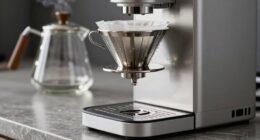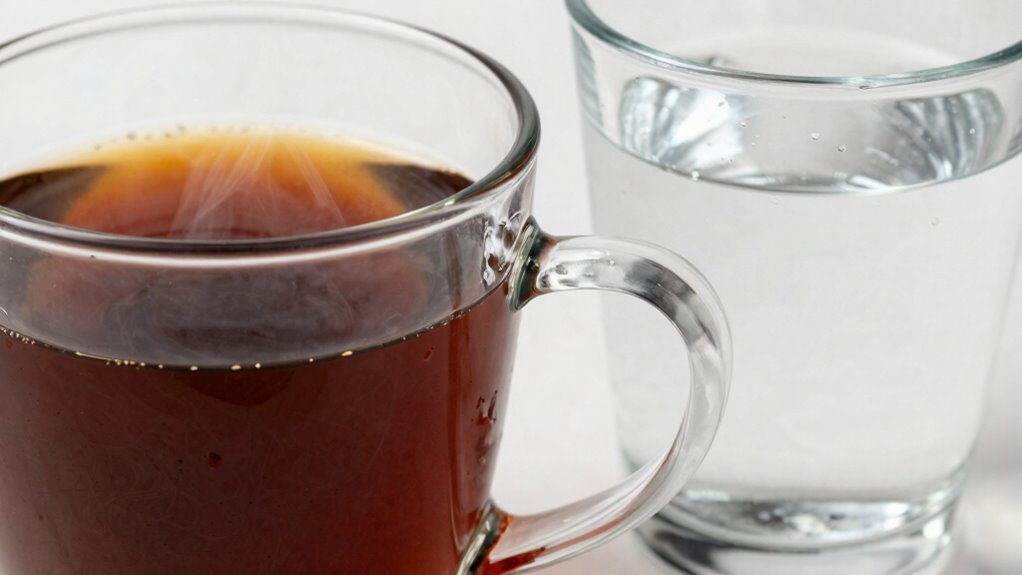

You can’t treat coffee water like drinking water because your brewing process needs precise mineral levels to bring out the best flavor and protect your equipment. Drinking water safety focuses on removing pathogens and contaminants, but coffee water requires a careful balance of minerals to enhance taste and prevent scale buildup. Achieving this balance means adjusting water composition beyond standard safety measures. If you want to discover how to optimize your coffee water, more important details await you.
Key Takeaways
- Coffee water requires a precise mineral balance for optimal flavor extraction, unlike drinking water which prioritizes safety and contaminant removal.
- Excess minerals in drinking water can cause scaling and damage coffee equipment, whereas controlled minerals enhance flavor and equipment longevity.
- Pure, mineral-free water suitable for drinking results in dull coffee, highlighting the need for specific mineral adjustments in brewing water.
- Drinking water standards focus on safety, but coffee water demands specific mineral compositions to improve taste and extraction.
- Adjusting mineral levels in water is essential for coffee brewing but unnecessary and potentially harmful for general drinking water.
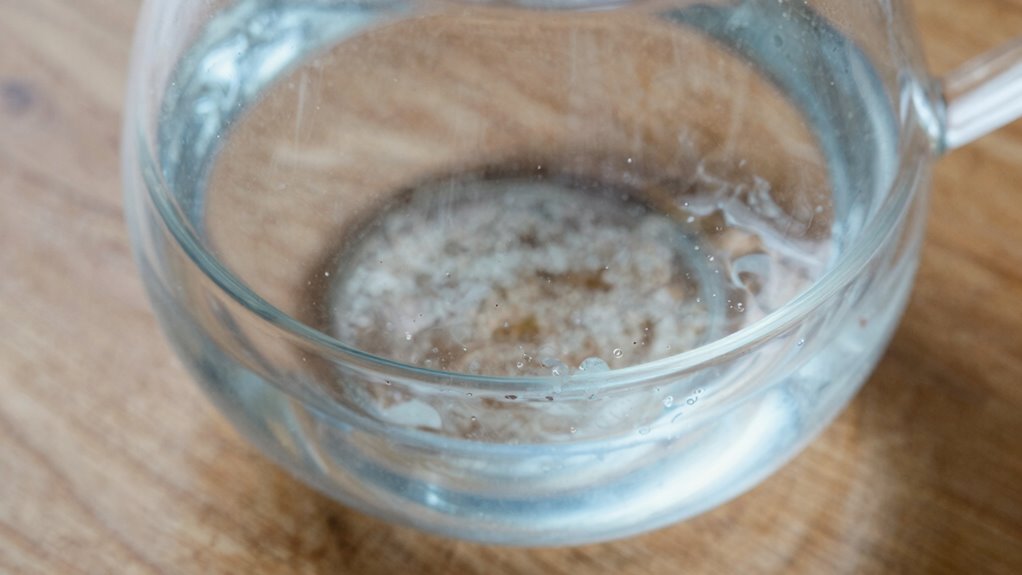
Have you ever wondered if the water you use for your coffee is safe? It’s a question many coffee enthusiasts overlook because they assume that any clean, potable water will do. However, when it comes to coffee brewing, water quality isn’t just about safety; it’s about how the water’s mineral content influences flavor and the brewing process itself. Unlike drinking water, which is primarily judged on safety and cleanliness, coffee water demands a delicate balance of minerals to bring out the best flavors without causing issues like scale buildup or poor extraction.
Optimal coffee water balances minerals to enhance flavor and protect your equipment.
The mineral content of water plays an essential role in coffee brewing. If your water has too many minerals, particularly calcium and magnesium, it can lead to scale buildup in your coffee maker, reducing its lifespan and efficiency. Conversely, water that’s too soft or devoid of minerals can result in flat, dull-tasting coffee because the water lacks the necessary elements to extract and highlight the coffee’s nuanced flavors. This is why water for brewing coffee isn’t just about safety; it’s about refining flavor and maintaining your equipment. Maintaining the right water mineral balance is crucial for optimal brewing results.
You might think that using filtered or bottled water is enough, but not all bottled waters are ideal for coffee brewing. Some contain high levels of minerals that can interfere with extraction or cause scaling, while others are too pure, lacking the minerals needed to enhance flavor. That’s why many baristas and coffee aficionados measure and adjust their water mineral content carefully. They often use specific mineral additives or water filters designed for coffee brewing to achieve a balanced mineral profile. This guarantees the water interacts with the coffee grounds in the right way, extracting the full range of flavors without damaging the machine. Understanding water mineral composition helps in selecting the best water for brewing. Additionally, being aware of the desired mineral levels can help in customizing your water for different coffee types or brewing methods.
Treating coffee water like regular drinking water ignores these nuances. Drinking water safety focuses on removing harmful pathogens and contaminants, but coffee brewing requires a more precise mineral balance. You want water that’s clean and safe but also has the right mineral composition to support ideal extraction. Too many impurities or the wrong mineral ratios can dull the coffee’s brightness or cause unpleasant aftertastes. That’s why you can’t just rely on standard drinking water when preparing your brew. It’s about finding the optimal mineral balance where safety, mineral content, and flavor harmony intersect. Achieving this balance makes all the difference between a decent cup and a truly exceptional one.

COFFEE WATER Mineral Packs for Making Water for Coffee (Makes 25 Gallons)
- Enhances water for better coffee: Turns pure water into optimal brewing water
- Compatible with RO/distilled water: Ideal for use with filtered or distilled water
- Certified for coffee standards: Meets all Specialty Coffee Association standards
As an affiliate, we earn on qualifying purchases.
As an affiliate, we earn on qualifying purchases.
Frequently Asked Questions
Can Coffee Water Cause Long-Term Health Issues?
Yes, coffee water can cause long-term health issues if it contains excessive coffee residue or improper water mineralization. Coffee residue can build up in your body over time, potentially leading to health problems, while improper mineralization may affect your electrolyte balance. To minimize risks, guarantee your water is well-filtered and avoid consuming coffee with high levels of minerals or residues. Moderation and proper water quality are key to preventing long-term health concerns.
Is Filtered Coffee Water Safer Than Tap Water?
Filtered coffee water is generally safer than tap water because it reduces contaminants, improving your overall health. Plus, it helps with flavor preservation, giving your coffee a richer taste. It also promotes brewing consistency, ensuring each cup tastes just right. While tap water varies in quality, using filtered water guarantees a cleaner, safer, and better-tasting coffee experience, making it a smart choice for coffee lovers who care about quality.
How Does Mineral Content Affect Coffee Water Safety?
Mineral content substantially impacts coffee water safety. For example, water hardness, caused by minerals like calcium and magnesium, can influence extraction and taste. Too many minerals can lead to over-extraction, creating bitter flavors, while too few may result in flat coffee. Maintaining a proper mineral balance is vital for both safety and flavor, as excessive minerals can cause scaling in equipment and affect water quality, making it essential to monitor mineral levels carefully.
Should I Boil Coffee Water Before Brewing?
Yes, you should boil coffee water before brewing, especially if you’re unsure about its purity. Boiling helps eliminate bacteria and pathogens, making it safer for coffee brewing. Water purification methods like filtration or chemical treatments can also improve water quality, but boiling is a simple, effective step. This guarantees your coffee is not only flavorful but also safe to drink, enhancing your overall coffee brewing experience.
Can Contaminated Coffee Water Harm My Coffee Machine?
Yes, contaminated coffee water can harm your coffee machine. Minerals, bacteria, or debris can cause buildup and clogging. Regular coffee machine maintenance helps prevent damage, while using proper water filtration systems guarantees clean water. This not only protects your machine but also improves the flavor of your coffee. Always use fresh, filtered water and clean your machine regularly to avoid issues caused by contaminated water.
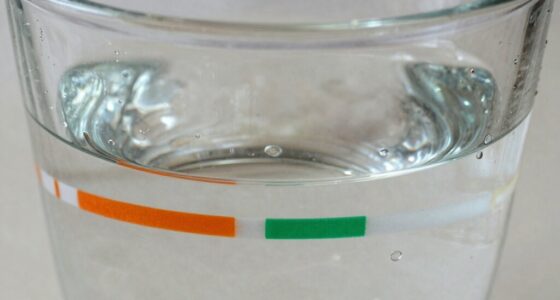
water mineral test strips for coffee
As an affiliate, we earn on qualifying purchases.
As an affiliate, we earn on qualifying purchases.
Conclusion
Just like the story of the Trojan Horse, coffee water may seem harmless on the surface, but lurking beneath could be hidden risks. You wouldn’t let a gift from a stranger go unchecked, so don’t treat coffee water the same as your everyday drinking water. Always be cautious, knowing that what’s good for your morning brew isn’t always safe for your glass. Stay vigilant, and treat your coffee water with the respect it needs—your health depends on it.
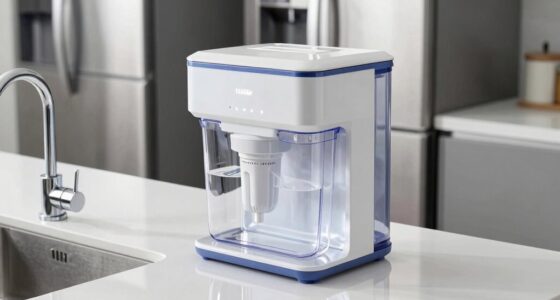
coffee water filter with mineral cartridges
As an affiliate, we earn on qualifying purchases.
As an affiliate, we earn on qualifying purchases.
coffee water mineral balancing drops
As an affiliate, we earn on qualifying purchases.
As an affiliate, we earn on qualifying purchases.