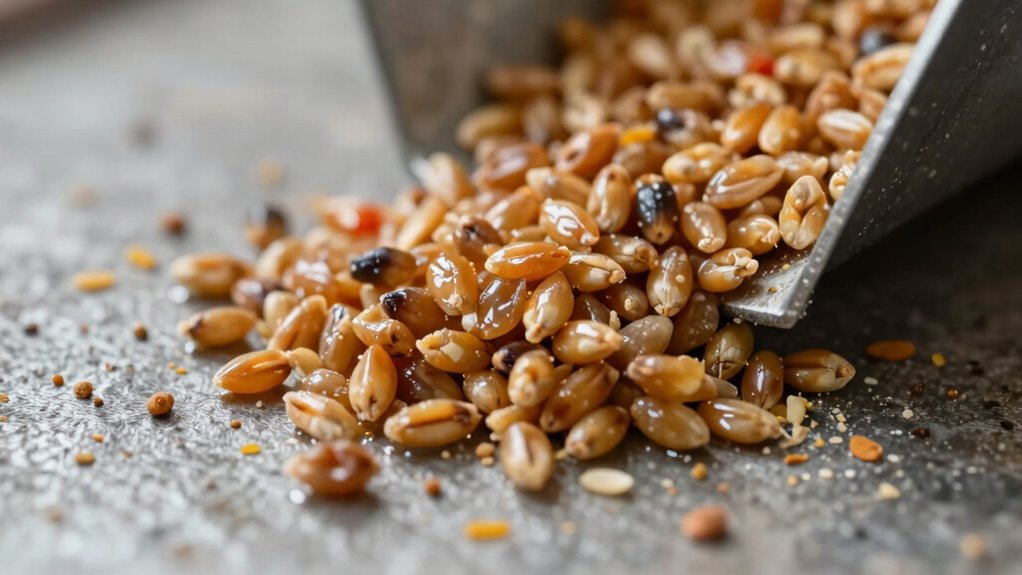

Clumping before the chute often happens because material properties cause moisture absorption, static buildup, or compaction. You might notice particles sticking together and forming clusters, which disrupt flow and cause blockages. Improper handling techniques, like overloading hoppers or abrupt feeding, also contribute. To keep things moving smoothly, controlling humidity, using vibration, and designing your system properly are key. Keep going to discover effective strategies to prevent this common problem before it impacts your process.

Get kitchen gear delivered free with Prime
- Fast, free delivery on millions of items
- Prime Video, Amazon Music and more included
- Member-only deals all year
Key Takeaways
- Material properties like moisture absorption and static buildup promote clumping before reaching the chute.
- Improper storage conditions and high humidity levels increase particle moisture, causing early clumping.
- Handling techniques such as abrupt feeding or overloading create compaction and initial clumping.
- Lack of anti-static measures allows static electricity to attract particles, leading to premature clumping.
- Inadequate system design and insufficient flow aids contribute to particle aggregation before the chute.
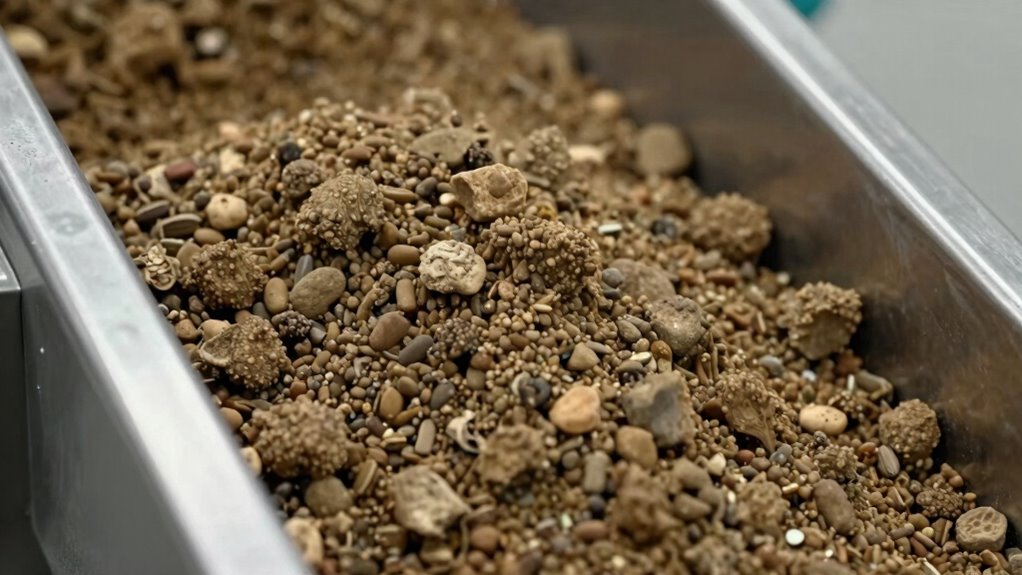
Ever wondered why your bulk material sometimes clumps before reaching the chute? It’s a common problem that can disrupt the entire handling process. When material begins to stick together prematurely, it hampers smooth flow, increases downtime, and leads to inefficiencies. Understanding what causes these clumps and how to address them can markedly improve your material flow and overall handling techniques.
Clumping often occurs because the material’s properties make it prone to moisture absorption, static buildup, or compaction. If the material contains moisture or humidity is high, particles tend to stick together, forming dense clusters that won’t easily flow through chutes. Static electricity can also be a culprit, especially with fine powders or granular substances. When static charges build up, they attract particles to each other, leading to clumping before the material even reaches the chute. Additionally, improper handling techniques, such as abrupt feeding or overloading hoppers, can cause material to compact and form clumps. These handling issues disturb the natural flow, forcing the material to lump rather than flow smoothly. Recognizing the role of material properties in clumping can help in choosing the most effective mitigation strategies.
Material properties like moisture, static, and improper handling cause clumping, disrupting smooth flow through chutes.
To combat this, you need to optimize your handling techniques. One effective strategy is to regulate the feed rate, ensuring you’re not overwhelming the system. Gentle, consistent feeding minimizes sudden impacts that cause compaction. Incorporating vibration or agitation mechanisms at strategic points can help loosen material, preventing the formation of clumps. Also, maintaining proper storage conditions is essential—keeping materials dry and at stable temperatures reduces moisture-related clumping. Installing moisture barriers or dehumidifiers in storage areas can be a game-changer, especially in humid environments. Understanding material behavior can further assist in designing more effective handling systems that adapt to specific material characteristics. Paying attention to material flow characteristics can help prevent blockages and promote steady discharge. Implementing moisture control techniques is often necessary in environments with fluctuating humidity levels.
Controlling static buildup is another crucial aspect. Using anti-static agents or grounding equipment can lessen static electricity, ensuring particles don’t stick together prematurely. Proper hopper design is also vital; a well-designed hopper with appropriate outlet dimensions and flow-aids such as liners or inserts can facilitate a steady, uninterrupted flow. Regularly inspecting and cleaning equipment prevents residual material buildup, which can serve as nucleation points for clumping. Incorporating drying techniques or moisture control methods can further reduce the moisture content that contributes to clumping. Ultimately, addressing the clumping problem before the chute involves a combination of understanding your material’s properties, implementing proper handling techniques, and investing in equipment that encourages smooth flow. When you pay attention to these factors, you’ll reduce downtime, improve efficiency, and maintain a consistent, reliable material flow. It’s all about proactively managing the conditions and handling procedures to keep your bulk material flowing freely, right up until it reaches the chute.
anti-static powder handling equipment
As an affiliate, we earn on qualifying purchases.
As an affiliate, we earn on qualifying purchases.
Frequently Asked Questions
What Causes Initial Clumping Before the Chute in the Process?
You cause initial clumping before the chute mainly due to inconsistent material consistency and improper equipment calibration. When the material isn’t evenly mixed or too moist, it tends to stick together, forming clumps. Additionally, if your equipment isn’t calibrated correctly, it can dispense uneven amounts, leading to clumping. Ensuring consistent material properties and regularly calibrating your equipment helps prevent these issues, promoting smoother flow and reducing clumping before the chute.
How Does Material Type Influence Early Clumping Issues?
You might think material type doesn’t matter, but it greatly influences early clumping issues. Variations in material consistency, like moisture levels or particle size, can cause clumping before the chute. Additionally, poor storage conditions, such as humidity or temperature fluctuations, exacerbate these issues. By selecting materials with consistent properties and maintaining ideal storage conditions, you can substantially reduce early clumping, ensuring smoother, more reliable flow in your process.
Can Environmental Factors Affect Pre-Chute Clumping?
Yes, environmental factors like air quality and moisture levels can affect pre-chute clumping. Poor air quality, with higher dust or humidity, increases moisture in the material, making it stick together and clump before reaching the chute. You should control indoor humidity and guarantee proper air filtration to minimize these issues. By managing these environmental conditions, you can reduce pre-chute clumping and improve overall flow efficiency.
What Are Early Signs of Potential Clumping Problems?
You notice uneven material flow and inconsistent density, signaling early clumping issues. Pay attention to changes in material consistency—like stickiness or dryness—that could cause blockages. Additionally, if your equipment calibration is off, it might lead to uneven feeding, fostering clumps before the chute. Recognizing these signs early helps you adjust processes promptly, preventing larger clumping problems down the line and keeping operations running smoothly.
Are There Preventative Measures for Clumping Before the Chute?
Yes, you can prevent clumping before the chute by focusing on proper material handling and regular equipment maintenance. Make sure that your handling processes encourage even flow, avoiding sudden surges or blockages. Keep your equipment clean and well-maintained to prevent buildup that causes clumping. Regular inspections and timely repairs help maintain smooth operation, reducing the risk of clumping issues occurring before the materials reach the chute.
moisture control for bulk materials
As an affiliate, we earn on qualifying purchases.
As an affiliate, we earn on qualifying purchases.
Conclusion
If you ignore the clumping problem before the chute, you’ll face chaos that makes a tornado look like a gentle breeze. Tackling clumping early isn’t just a small fix—it’s the key to smooth operations and avoiding disaster. By staying proactive, you prevent tiny issues from snowballing into the kind of mess that can bring your entire system to a halt. Don’t wait until it’s too late—nip clumping in the bud before it turns your process into a catastrophe.
As an affiliate, we earn on qualifying purchases.
As an affiliate, we earn on qualifying purchases.
Fall Picks
fall essentials
As an affiliate, we earn on qualifying purchases.