To adjust for aging beans, start by soaking them in cold water for 8–12 hours or overnight, which rehydrates them and reduces cooking time. If you’re short on time, do a quick soak by boiling for a few minutes, then letting them sit covered for an hour. During cooking, add hot water as needed and finish with a splash of vinegar or lemon juice to preserve flavor and prevent mushiness. Keep these tips in mind to make your beans taste great—there’s more to discover!

Get kitchen gear delivered free with Prime
- Fast, free delivery on millions of items
- Prime Video, Amazon Music and more included
- Member-only deals all year
Key Takeaways
- Soak beans in cold water for 8-12 hours or overnight to rehydrate older beans effectively.
- Extend cooking time gradually until beans become tender, adding hot water as needed.
- Use a quick soak method: boil beans briefly, then let them rest covered for an hour before cooking.
- Incorporate a splash of vinegar or lemon juice at the end of cooking to improve flavor and texture.
- Store beans properly in airtight containers away from light, heat, and humidity to slow aging.
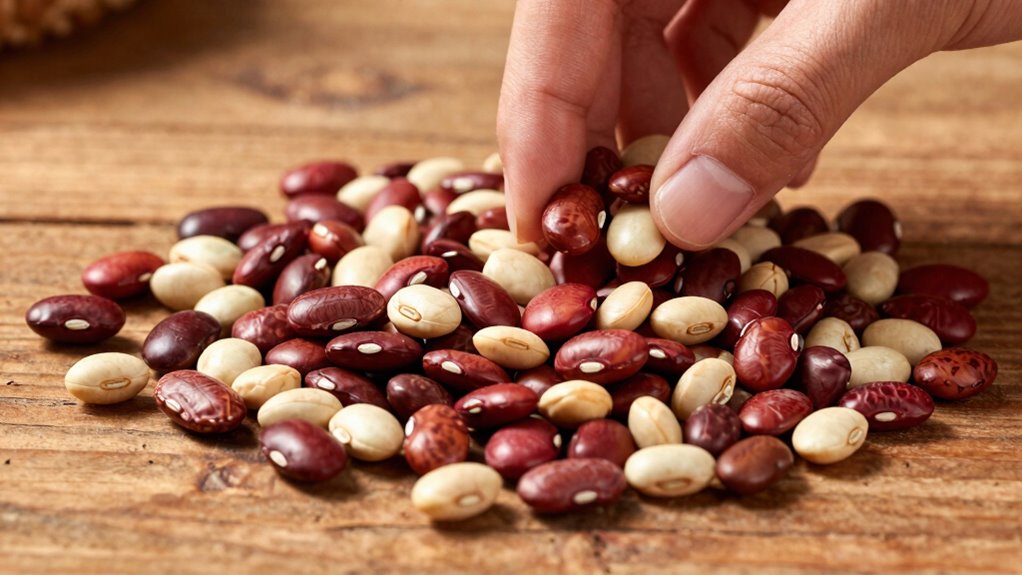
As beans age, their quality and cooking behavior can change, but with the right adjustments, you can still achieve delicious results. When beans sit in your pantry longer than recommended, they tend to lose their freshness, and their ability to cook evenly can diminish. To counteract this, focusing on flavor preservation is key. Proper storage techniques are your first line of defense. Keep your beans in an airtight container, away from light, heat, and humidity. This slows down deterioration and helps maintain their flavor and texture longer. If your beans have been stored for a while, consider doing a quick quality check before cooking. Look for any signs of mold, pests, or an off smell—these are indicators that the beans are no longer safe or flavorful.
Once you’ve stored your beans properly, you can adjust your cooking method to compensate for aging. Older beans usually take longer to soften and might not cook evenly without some tweaks. Soaking is a critical step. Instead of a quick rinse, soak your beans in plenty of cold water for at least 8 to 12 hours, or overnight. This extended soak helps rehydrate the beans and reduces cooking time. If you’re short on time, a quick soak—boiling the beans for a few minutes and then letting them sit covered for an hour—can also help, but longer soaking yields better flavor preservation and softer texture. Additionally, understanding the importance of proper storage techniques can help maintain bean quality over time. Being aware of how aging affects beans can guide you in making better adjustments to your cooking process.
Extended soaking rehydrates older beans, reducing cooking time and enhancing flavor and texture.
If you find your beans aren’t softening as expected, don’t give up. You can extend cooking time gradually, adding hot water as needed. Besides, adding a splash of acid—like vinegar or lemon juice—toward the end of cooking can help preserve flavor and prevent the beans from becoming mushy. Incorporating soaking duration as part of your process can further improve outcomes, especially with older beans. By combining proper storage techniques with these cooking adjustments, you’ll maximize flavor preservation and enjoy tasty, well-cooked beans even after they’ve aged.
best airtight bean storage containers
As an affiliate, we earn on qualifying purchases.
As an affiliate, we earn on qualifying purchases.
Frequently Asked Questions
How Long Do Dried Beans Typically Last Before Aging Affects Quality?
Dried beans usually last about 1 to 2 years before aging affects their quality. Proper storage duration is key to maintaining freshness, so keep them in an airtight container in a cool, dark place. Over time, you’ll notice quality deterioration, like reduced flavor and longer cooking times. After this period, beans might still be safe to eat but won’t cook as well or taste as good.
Can You Tell if Beans Are Too Old Just by Looking at Them?
If you’re wondering about bean freshness, you can’t always tell just by looking. For example, a friend stored beans in a humid basement and noticed they looked darker and shriveled. These visual clues suggest aging, but the best way to assess freshness is by conducting a quick test—soak and cook a few. Proper storage tips, like keeping beans in airtight containers in a cool, dry place, help maintain quality longer.
Do Different Bean Varieties Require Different Aging Adjustments?
Yes, different bean varieties require different aging adjustments because their aging process varies. For example, kidney beans may need longer soaking or cooking times compared to lentils, which tend to cook quickly. You should consider the bean variety’s unique characteristics when adjusting the aging process. Pay attention to how each variety responds during soaking and cooking, and modify your approach to guarantee they soften properly and develop the best flavor.
What Are the Signs That Beans Need to Be Adjusted for Aging?
Ever notice dull aroma or lackluster flavor in your beans? These signs point to the need for aging adjustments. When beans lose their vibrant flavor and develop a chalky or crumbly texture, it’s time to act. Adjusting for aging helps restore flavor enhancement and preserves texture, ensuring your beans stay delicious. Pay attention to these cues, and you’ll keep your dishes tasting fresh and satisfying every time.
Are There Any Health Risks Associated With Using Old Beans?
Using old beans can pose health risks, mainly due to potential mold or bacteria growth, which may cause food poisoning. The nutritional impact also diminishes over time, reducing their health benefits. To prevent risks, store beans properly in airtight containers in a cool, dry place, and check for signs of spoilage before cooking. Proper storage techniques help preserve their quality and ensure safe consumption.
large stainless steel soaking bowls
As an affiliate, we earn on qualifying purchases.
As an affiliate, we earn on qualifying purchases.
Conclusion
As you gently turn the aged beans in your hand, imagine them awakening from a long, quiet slumber, ready to infuse your dish with new life. With a simple adjustment, like a splash of water or a slow simmer, you breathe vigor back into their once-dull shells. Soon, they’ll bloom with flavor, transforming your meal into a warm, comforting embrace. Just like that, aging beans become your culinary canvas, waiting for your touch to bring them back to brilliance.
As an affiliate, we earn on qualifying purchases.
As an affiliate, we earn on qualifying purchases.
Halloween Picks
halloween
As an affiliate, we earn on qualifying purchases.