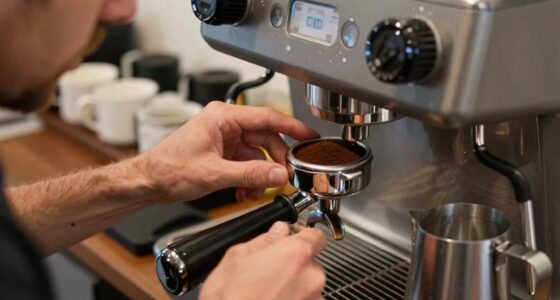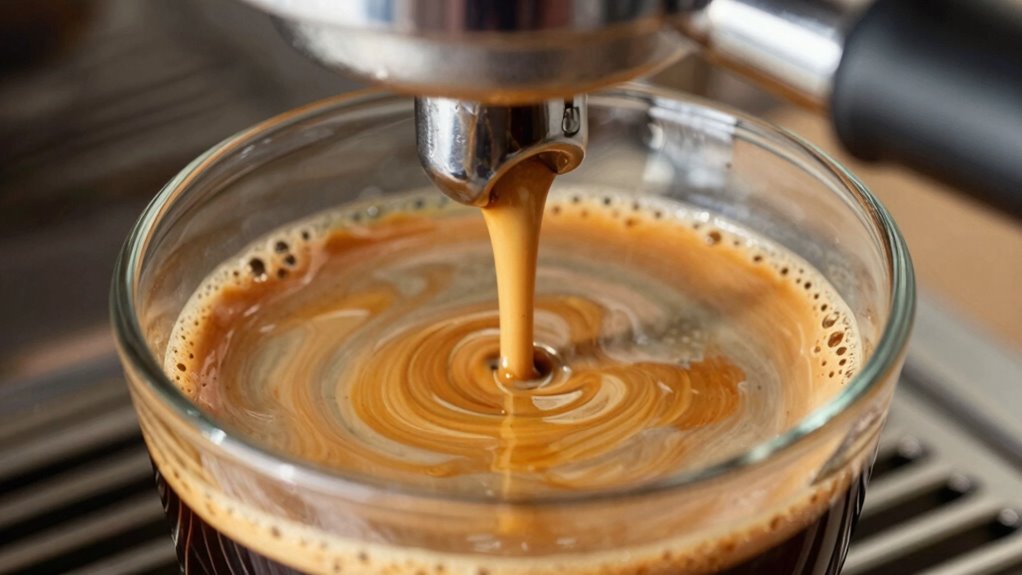

Espresso drift happens even when you haven’t changed anything because small, often unnoticed factors gradually influence your shot. Slight shifts in machine calibration, environmental changes like humidity or temperature, and grinder wear can all affect extraction. Over time, these subtle variations add up, making your shots less consistent. Staying aware of these factors helps you maintain quality, and if you keep exploring, you’ll discover how to better control these influences for more stable results.

Get kitchen gear delivered free — and shop member deals
- Fast, free delivery on millions of items
- Access to Prime Big Deal Days deals on October 6–7
- Prime Video, Amazon Music and more included
Key Takeaways
- Small calibration shifts due to temperature changes can cause shot inconsistencies over time.
- Environmental fluctuations like humidity and ambient temperature subtly affect machine stability.
- Grinder wear and minor bean variability impact grind size and extraction, leading to drift.
- Cumulative minor deviations in calibration, environment, and equipment add up, affecting shot quality.
- Regular monitoring and routine adjustments are necessary to maintain consistency despite unchanged settings.
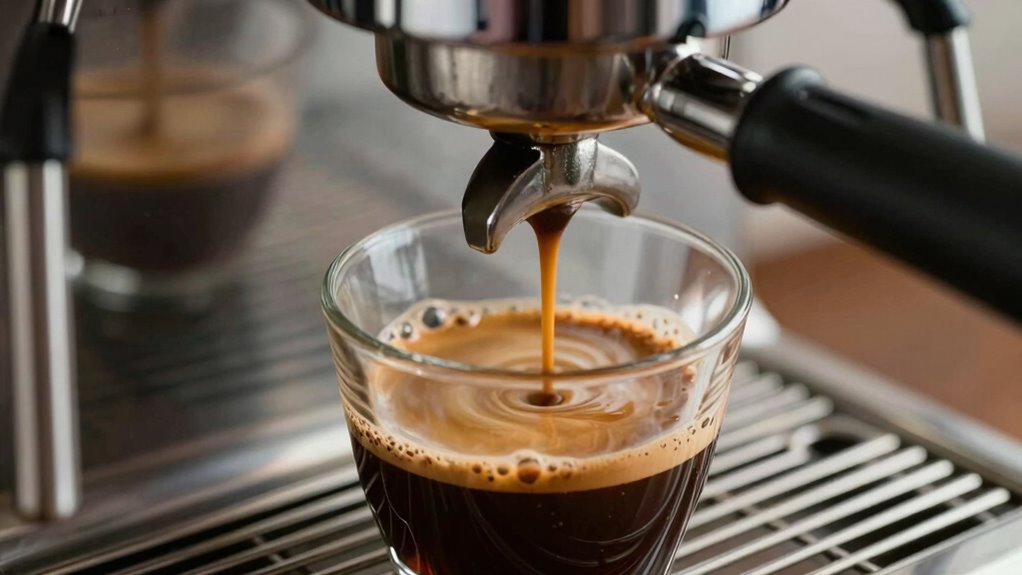
Another key factor is machine calibration. Even if you believe your espresso machine is set correctly, small adjustments or gradual shifts can impact shot quality. Machines can drift out of calibration due to temperature fluctuations, pressure inconsistencies, or wear and tear on internal components. For example, if your machine’s pressure or temperature sensors aren’t perfectly accurate or if the boiler temperature fluctuates slightly, your extraction parameters will vary, producing inconsistent results. Regular calibration checks are essential, but many baristas overlook this step, assuming their machine is fine as long as it’s been set once. Over time, these small deviations accumulate, making your shots less predictable even if you’ve made no deliberate changes. Monitoring machine calibration regularly is crucial to maintaining optimal performance.
Environmental factors also play a subtle role. Changes in humidity and ambient temperature can influence how your coffee beans behave and how your machine functions. Beans may absorb moisture from the air or lose it, affecting grind consistency and extraction. Your machine’s internal temperature can fluctuate throughout the day, impacting pressure and temperature stability. These variables might seem minor, but they can produce noticeable differences in your espresso shots. Monitoring ambient conditions and adjusting your routine accordingly can help stabilize shot quality.
Additionally, your coffee beans themselves aren’t static. Even if you buy the same brand and roast batch, slight variations in bean density or moisture content can affect grind and extraction. Over time, your grinder’s burrs may wear down, which can alter grind size even if you’re using the same settings. This means that, despite sticking to a routine, you might need to readjust your grinder or machine calibration periodically to maintain consistency.
In essence, espresso drift occurs because of a complex interplay of small, often unnoticed factors—grind consistency, machine calibration, environmental conditions, and bean variability—that subtly shift over time. Staying vigilant about these elements helps you keep your shots steady, even when you think nothing has changed.
espresso machine calibration tool
As an affiliate, we earn on qualifying purchases.
As an affiliate, we earn on qualifying purchases.
Frequently Asked Questions
Can Environmental Factors Affect Espresso Drift?
Yes, environmental factors like ambient temperature and humidity fluctuations can affect espresso drift. As these factors change, they influence how water interacts with coffee grounds, altering extraction times and flavor consistency. Higher temperatures may cause faster extraction, while humidity variations can impact coffee’s moisture content. You should monitor and control your environment whenever possible to minimize espresso drift and maintain a consistent shot quality.
How Often Should I Calibrate My Espresso Machine?
You should calibrate your espresso machine regularly, ideally every 1-2 months, to maintain consistency. Incorporate proper barista techniques and routine machine maintenance, like checking water temperature and pressure, to prevent drift. Frequent calibration guarantees your machine functions at its best and produces consistent shots. Stay attentive to any changes in shot quality, and calibrate promptly to keep your espresso tasting its best.
Does Water Quality Impact Espresso Consistency?
Yes, water quality impacts espresso consistency. Water mineralization affects taste and machine performance, so using water with the right mineral content helps maintain flavor stability. pH balance is also essential; water that’s too acidic or alkaline can cause espresso drift. Regularly testing and adjusting your water’s mineralization and pH levels ensures your espresso stays consistent, making every shot as good as the last.
Are There Hidden Machine Issues Causing Drift?
Yes, hidden machine issues like wear and tear can cause espresso drift, even if you haven’t changed anything. Over time, machine components may loosen or degrade, impacting pressure and temperature consistency. Operator error can also contribute if settings aren’t properly maintained or if you don’t regularly calibrate your machine. Regular maintenance, thorough cleaning, and careful calibration help identify and prevent these hidden issues, ensuring your espresso stays consistent.
Can Bean Freshness Influence Espresso Shot Consistency?
Yes, bean freshness considerably influences espresso shot consistency. Even if you haven’t changed your machine settings, roast freshness matters because fresher beans retain oils and flavors that produce a more stable extraction. Bean aging causes oils to degrade, leading to inconsistent flow and flavor. So, regularly using fresh beans helps maintain steadier shots, reducing drift caused by the natural changes in roasted coffee over time.
coffee grinder burrs replacement
As an affiliate, we earn on qualifying purchases.
As an affiliate, we earn on qualifying purchases.
Conclusion
Even when you think everything’s perfect, subtle changes can whisper through your espresso shot, making drift seem almost inevitable. It’s like the gentle breeze that shifts the leaves just enough to notice, reminding you that the perfect brew isn’t always about fixing what’s obvious. Sometimes, it’s about embracing the small, soft nuances that keep your craft alive and beautifully unpredictable. After all, a little variation keeps the journey exciting and your skills sharp.
humidity meter for coffee brewing
As an affiliate, we earn on qualifying purchases.
As an affiliate, we earn on qualifying purchases.
espresso shot consistency monitor
As an affiliate, we earn on qualifying purchases.
As an affiliate, we earn on qualifying purchases.
Evergreen bestsellers Picks
bestsellers
As an affiliate, we earn on qualifying purchases.