If your puck cracks after brewing, it usually signals temperature issues, uneven grain bed preparation, or equipment wear that impacts extraction. Fluctuating heat or improper calibration can cause the puck to expand or contract, leading to cracks. Poor grain packing or inconsistent milling may also weaken the puck’s structure. Keep an eye on these factors to improve your brew quality—continuing will show you how to troubleshoot and prevent these problems effectively.

Get kitchen gear delivered free with Prime
- Fast, free delivery on millions of items
- Prime Video, Amazon Music and more included
- Member-only deals all year
Key Takeaways
- Uneven or rapid temperature changes during brewing can cause puck cracking due to thermal stress.
- Improper grain bed preparation or uneven water flow creates pressure points leading to cracks.
- Poor ingredient quality or inconsistent milling weakens the puck structure, increasing crack risk.
- Worn or misaligned equipment components may cause uneven pressure and thermal issues, resulting in cracks.
- Lack of regular maintenance and troubleshooting can lead to equipment issues that signal puck cracking.
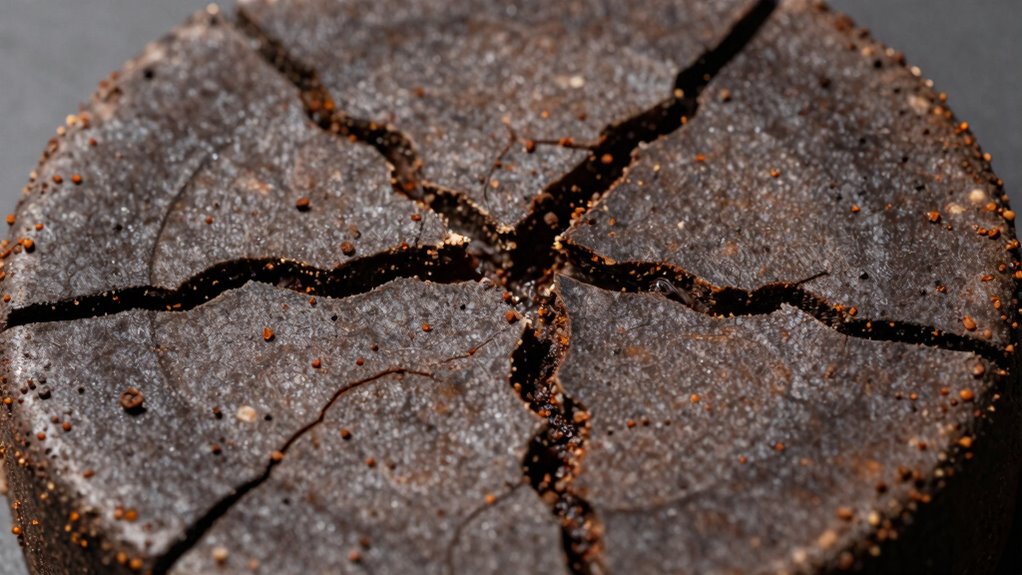
If your brewing puck cracks after brewing, it can indicate a few common issues that might affect your brewing process. Recognizing why this happens is essential for maintaining peak performance and ensuring your equipment functions properly. When a puck cracks, it often points to underlying problems related to brewery maintenance or equipment troubleshooting that need your attention. Addressing these issues promptly can help prevent further damage and improve the consistency of your brews.
One of the primary reasons for puck cracking is uneven temperature distribution during the brewing process. If your equipment isn’t properly calibrated or if there are inconsistencies in your heat source, the puck might experience rapid expansion or contraction, leading to cracks. Regular brewery maintenance, including checking heating elements and temperature sensors, can help prevent these issues. Ensuring your equipment is functioning correctly and maintaining a stable temperature environment reduces stress on the puck and minimizes cracking.
Uneven temperature distribution causes puck cracks; regular maintenance ensures stable heat for optimal brewing.
Another common cause is improper grain bed preparation or tamping. If the grain bed isn’t evenly distributed or tamped down correctly, water flow can become uneven, creating pressure points that cause the puck to crack during or after brewing. This highlights the importance of thorough equipment troubleshooting. Carefully inspecting your mash setup, checking for clumps or uneven packing, and adjusting your process accordingly can lead to a more uniform grain bed and less puck cracking.
Additionally, the quality of your ingredients can impact puck integrity. Using stale or poorly milled grains can lead to uneven extraction and structural weaknesses in the puck. When the grain particles aren’t ground consistently, the resulting puck may develop cracks as it dries or contracts. Regularly reviewing your ingredient quality and milling process is part of good brewery maintenance. Properly stored ingredients and consistent milling help produce a more cohesive, crack-resistant puck.
Finally, the age and wear of your brewing equipment can contribute to puck cracks. Over time, components like filters, screens, and gaskets can degrade or become misaligned, causing uneven pressure or flow issues. Routine equipment troubleshooting, including cleaning and replacing worn parts, ensures your brewing system operates smoothly. Keeping your equipment in top shape prevents undue stress on the puck, reducing the likelihood of cracks. Equipment condition plays a crucial role in maintaining puck integrity.
Products Worth Considering

KitchenAid 38 oz Cold Brew Coffee Maker (KCM5912)

Ninja Foodi Smart 6-in-1 Indoor Grill and Air Fryer, 4 Qt, FG551

Philips 3300 Series Fully Automatic Espresso Machine with LatteGo
As an affiliate, we earn on qualifying purchases.
Frequently Asked Questions
Can Puck Cracks Affect Beer Flavor?
Yes, puck cracks can affect beer flavor by compromising puck integrity, which can lead to inconsistent pressure and extraction during brewing. When your puck cracks, it may cause uneven flow, resulting in off-flavors and a less balanced taste. To maintain brewing consistency, make sure your puck remains intact and free of cracks. Regularly inspecting and replacing cracked pucks helps preserve flavor quality and keeps your brewing process smooth and reliable.
Are Puck Cracks Common With Specific Coffee Beans?
Puck cracks commonly occur with specific coffee bean varieties, especially when brewing at high temperatures. You might notice more cracks with beans like dark roasts or oily beans, which are prone to expansion and stress during brewing. When brewing at overly hot temperatures, the rapid heat causes beans to crack more often. To minimize cracks, adjust your brewing temperature and choose bean varieties suited for your method, ensuring a smoother, crack-free cup.
How Can I Prevent Puck Cracking During Brewing?
To prevent puck cracking during brewing, make certain you use the right grind size—avoid overly fine or coarse settings. Apply consistent tamping pressure to create an even surface, which helps prevent stress that causes cracks. Also, confirm your coffee grounds are evenly distributed before tamping. These steps promote uniform extraction and reduce puck stress, minimizing cracks and giving you a better, more consistent espresso shot.
Does Puck Cracking Indicate Equipment Damage?
No, puck cracking doesn’t necessarily mean your equipment is damaged. Instead, it often signals that your machine maintenance needs attention or that your brewing techniques might need adjustment. Cracks can result from pressure buildup, improper tamping, or temperature fluctuations. Regular cleaning, proper tamping, and consistent brewing methods help prevent cracks, ensuring your machine stays in good shape and your coffee quality remains high.
Is Puck Cracking Harmful to My Coffee Machine?
Puck cracking isn’t usually harmful to your coffee machine if it occurs occasionally. It mainly signals issues with puck durability, which can affect brewing consistency. When the puck cracks, it might lead to uneven extraction or water bypassing the coffee, but it doesn’t typically damage the equipment. To maintain ideal performance, guarantee proper tamping and use fresh coffee grounds. Regular cleaning and adjusting grind size can also help prevent puck cracking.
Conclusion
If your puck cracks after brewing, it’s usually a simple sign that your extraction was a bit intense, but don’t panic—your espresso machine isn’t doomed. Think of the crack as a tiny crack in the armor of a mighty warrior, telling you it’s just doing its job. Keep adjusting your grind size and tamp pressure, and soon you’ll be brewing coffee so perfect, it’ll make the gods jealous. Your next shot could be a masterpiece!