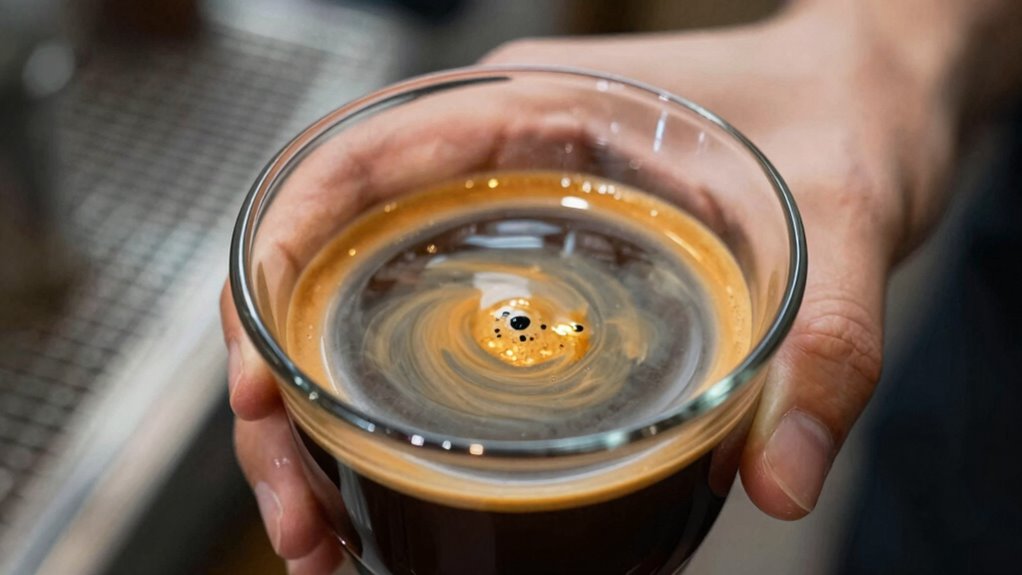
Your aftertaste offers key clues to diagnose extraction issues. A smooth, balanced aftertaste signals proper extraction, while a harsh, bitter, or astringent finish points to over-extraction, often caused by too high a brewing temperature or fine grind size. If the aftertaste fades quickly or feels flat, it suggests under-extraction, likely due to low temperature or insufficient brew time. Paying attention to these signals helps you adjust your process for better flavor—discover more tips ahead.
Open a free Amazon Business account
Business pricing, bulk buying and tax-exempt orders.
As an affiliate, we earn on qualifying purchases.
Key Takeaways
- A lingering dryness or astringency indicates over-extraction or high brewing temperature.
- A quick, flat aftertaste suggests under-extraction or low temperature.
- Harsh, bitter, or burnt aftertaste signals over-extraction or excessive heat.
- A smooth, balanced aftertaste points to proper extraction and optimal brewing conditions.
- Changes in aftertaste help diagnose adjustments needed in grind size, temperature, or brew time.
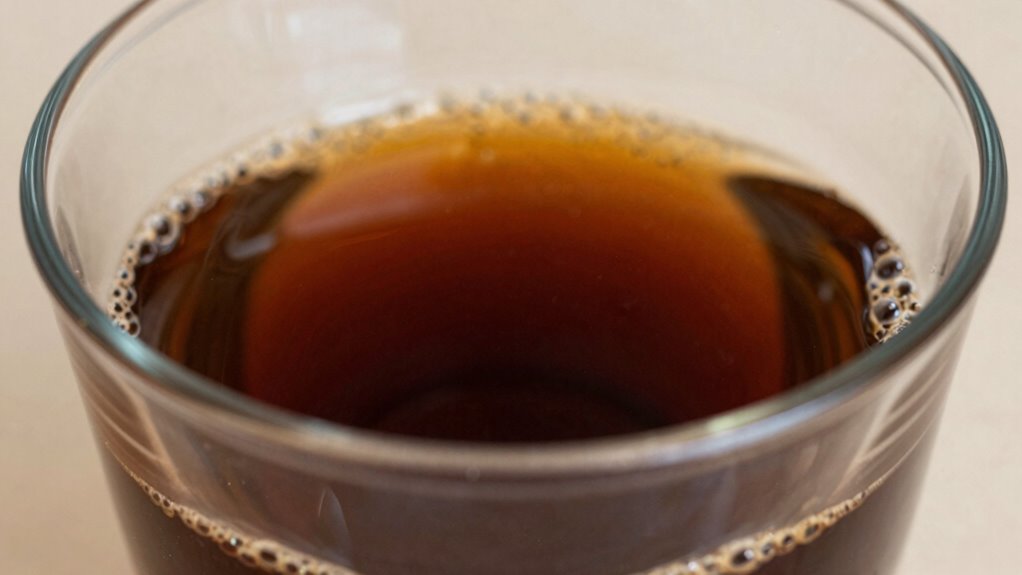
When it comes to brewing the perfect cup, paying attention to the aftertaste can reveal more than you might expect about your extraction process. That lingering flavor can serve as a valuable signal, guiding you to adjust your technique for better results. One key aspect to focus on is flavor consistency — a smooth, balanced aftertaste indicates that your extraction was even and controlled. If the aftertaste is harsh, bitter, or overly astringent, it’s a sign that something went awry, often tied to your brewing temperature.
Brewing temperature plays a crucial role in shaping not just the initial aroma and taste but also the final aftertaste. When you maintain a consistent temperature, you ensure that the coffee’s solubles are extracted evenly, leading to a cleaner, more desirable flavor profile. Too high a temperature, and you risk over-extraction, which can leave behind a bitter or burnt aftertaste. Conversely, too low a temperature might under-extract the coffee, resulting in a weak or sour aftertaste. By paying close attention to these subtle cues, you can fine-tune your brewing temperature to hit that sweet spot, producing a balanced aftertaste that reflects a well-executed extraction.
The aftertaste serves as a feedback loop. If you notice a lingering dryness or astringency, it suggests your brewing temperature was too high or your grind size was too fine, causing over-extraction. On the other hand, if the aftertaste fades quickly or feels flat, it might mean your brewing temperature was too low or your extraction was insufficient. Adjusting your brewing temperature based on these signals helps you achieve greater flavor consistency, ensuring each cup delivers the intended taste profile. Additionally, understanding how different brewing methods influence the aftertaste can help you refine your process further. Recognizing the influence of temperature control on extraction can significantly improve your ability to diagnose and perfect your brewing technique. Moreover, consistent temperature management is essential for maintaining the quality of the brew, which directly impacts the final aftertaste.
A further consideration is how your brew time intersects with temperature control, as both factors combine to shape the final flavor profile. You should also consider how your brewing method influences the aftertaste. For example, pour-over techniques allow precise control over temperature, making it easier to diagnose and correct issues through the aftertaste. When you taste that lingering note, ask yourself whether it’s bright and clean or dull and flat. This insight can help you modify your brewing temperature, grind size, or even the brew time to optimize flavor consistency.
In the end, the aftertaste isn’t just a pleasant conclusion — it’s a diagnostic tool. By paying close attention to how your coffee finishes on the palate, you can make smarter adjustments, ensuring your brewing temperature is just right for extracting the best flavors. When you learn to read these signals accurately, you’ll find that each cup becomes more consistent, flavorful, and satisfying.
As an affiliate, we earn on qualifying purchases.
Frequently Asked Questions
How Does Water Temperature Affect the Aftertaste Signal?
Higher water temperatures enhance flavor longevity and sensory clarity, making the aftertaste signal more noticeable. When you use hotter water, it extracts more compounds, which often results in a richer, more persistent aftertaste. Conversely, cooler water may produce a cleaner, crisper aftertaste with less lingering flavor. By adjusting water temperature, you can fine-tune the aftertaste signal, helping you better diagnose extraction quality and optimize your brewing process for the perfect cup.
Can Different Coffee Beans Produce Similar Aftertaste Signals?
Yes, different coffee beans can produce similar aftertaste signals, especially if their flavor pairing and bean origin are alike. For example, beans from the same region often share earthy, fruity, or nutty notes, leading to comparable aftertaste impressions. However, subtle differences in roast level or processing methods can still influence the lingering flavors. To truly differentiate, consider both the bean origin and how it pairs with other flavors in your brew.
What Equipment Is Best for Detecting the Aftertaste Signal?
You should use a high-quality, calibrated coffee cupping setup or sensory analysis equipment to detect the aftertaste signal. Consistent flavor detection relies on sensory training to sharpen your palate. Investing in a controlled environment with standardized brewing methods guarantees flavor consistency, making it easier to identify subtle aftertaste signals. Regular practice with trained tasters helps refine your sensitivity, enabling accurate diagnosis of extraction issues based on aftertaste cues.
How Does Grind Size Influence the Aftertaste?
You’ll notice that grind size profoundly influences the aftertaste by affecting flavor complexity and aroma retention. A finer grind increases extraction, enhancing the richness and lingering flavors, but can also lead to over-extraction, resulting in a bitter aftertaste. Conversely, a coarser grind preserves delicate aromas and creates a cleaner finish. Adjusting grind size allows you to balance extraction, optimizing the aftertaste to match your desired flavor profile.
Are There Specific Techniques to Enhance the Aftertaste Signal?
Think of your brewing process as tuning a musical instrument—small adjustments create harmony. To enhance the aftertaste signal, focus on techniques that boost flavor longevity and sensory clarity, like precise temperature control and even extraction. Use a bloom step or adjust brew time to sharpen aftertaste nuances. These methods help you reveal subtle flavor layers, making the aftertaste more vibrant and memorable, like a well-tuned melody lingering in your mind.
coffee grind size adjustment tools
As an affiliate, we earn on qualifying purchases.
As an affiliate, we earn on qualifying purchases.
Conclusion
Next time you sip your coffee, pay close attention to that aftertaste. It’s like a secret signal, whispering whether your extraction hit the mark or missed the mark entirely. This tiny detail can make or break your brew, turning an average cup into a masterpiece or a disaster. Mastering this skill is like wielding a magic wand, transforming your coffee experience into a symphony of flavors. Trust your palate—your perfect brew is just an aftertaste away.
As an affiliate, we earn on qualifying purchases.
As an affiliate, we earn on qualifying purchases.
Fall Picks
fall essentials
As an affiliate, we earn on qualifying purchases.