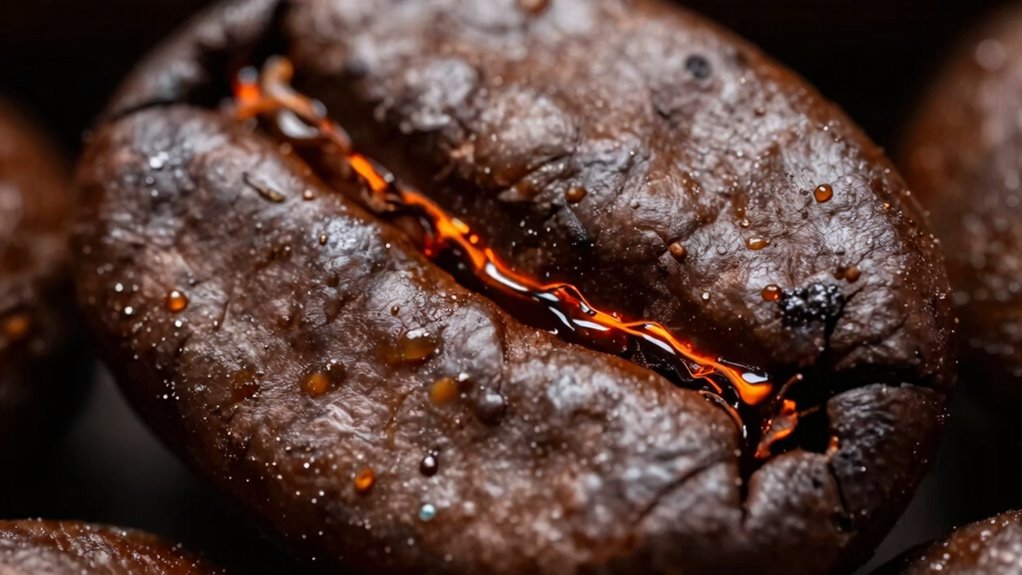

Bitterness during roasting signals key chemical reactions like Maillard and caramelization are progressing, shaping your coffee’s flavor. As these reactions develop, they add complexity but can also warn of over-roasting if too intense. By paying close attention to bitterness, you can gauge whether your roast is balanced or overdone. Controlling heat and time helps you fine-tune these reactions. Keep exploring, and you’ll uncover how bitterness truly reveals the hidden progress of your perfect roast.

Get kitchen gear delivered free — and shop member deals
- Fast, free delivery on millions of items
- Access to Prime Big Deal Days deals on October 6–7
- Prime Video, Amazon Music and more included
Key Takeaways
- Bitterness indicates the progression of Maillard reactions and caramelization during roasting.
- Proper bitterness levels reflect balanced chemical reactions, signaling optimal roast development.
- Excessive bitterness suggests overdevelopment, requiring adjustments to heat or time.
- Monitoring bitterness helps fine-tune roast profiles for desired flavor complexity.
- Bitterness serves as a crucial cue for understanding bean transformation stages and flavor evolution.
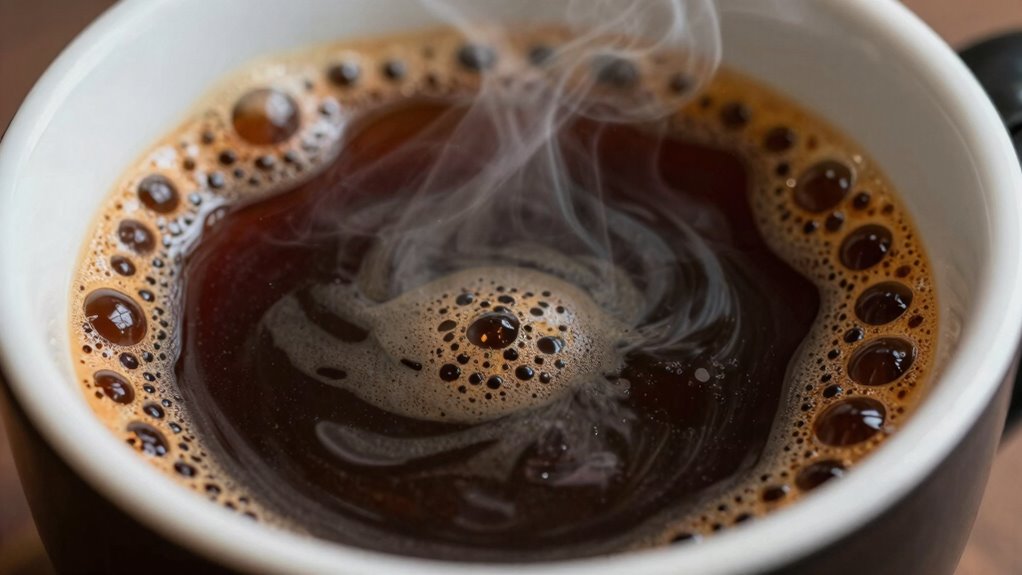
When it comes to understanding roast development, bitterness often gets a bad rap, but it can actually reveal essential insights about the roasting process. This taste component isn’t just an undesirable flavor; it’s a signpost that points to the chemical reactions happening inside the beans as they transform. As you roast coffee, the flavor profile evolves through complex chemical changes, and bitterness serves as a key indicator of how far along these reactions have progressed. Recognizing this can help you fine-tune your roasting technique to achieve the desired balance in your final cup.
Bitterness results from Maillard reactions and caramelization—two primary chemical reactions that occur during roasting. These processes develop the rich, complex flavors we associate with roasted coffee. When heat is applied, sugars and amino acids react, creating new compounds that contribute to the flavor profile. If the roast is pushed too far, these reactions intensify, leading to a more pronounced bitterness. While some bitterness is natural and even desirable, excessive bitterness signals overdevelopment, which can overshadow the coffee’s nuanced flavors and result in a harsh, unbalanced cup.
Understanding the role of bitterness involves paying close attention to how it correlates with other sensory cues. As you monitor your roast, note when bitterness begins to emerge and how it interacts with acidity, sweetness, and body. A well-developed roast typically balances these elements, with bitterness accentuating the depth rather than dominating it. If bitterness becomes overwhelming, it likely indicates that the chemical reactions have gone past the point of optimal development. This insight allows you to adjust your roast profile—perhaps by reducing roasting time or temperature—to preserve the delicate interplay of flavors.
Moreover, bitterness offers feedback on your roasting process, especially in relation to the development phase. For example, a rapid increase in bitterness might suggest uneven heat distribution or overly aggressive heat application. Conversely, a subtle bitterness can signal that you’re on the right track, achieving a complex flavor profile without tipping into over-roasting. By interpreting these cues, you can refine your technique, ensuring each batch hits the sweet spot where chemical reactions produce desirable flavors without veering into bitterness that masks the coffee’s true character.
In essence, bitterness isn’t just a flaw to eliminate; it’s a vital clue about how your beans are transforming. It reveals the stage of chemical reactions shaping your flavor profile, guiding you toward a roast that balances complexity and harmony. Recognizing the chemical reactions involved in roasting and their impact on flavor development allows you to better understand and control the process. Embracing this perspective transforms bitterness from a simple taste into a valuable tool for mastering roast development.
As an affiliate, we earn on qualifying purchases.
Frequently Asked Questions
How Does Roast Level Influence Bitterness in Coffee?
You’ll notice that a darker roast level increases bitterness in coffee, which can overshadow its flavor complexity and aroma profiles. The longer roasting process breaks down sugars and develops more charred compounds, leading to a more pronounced bitterness. Light roasts tend to preserve the beans’ natural flavors and aromatic nuances, while dark roasts highlight bold, smoky notes. Adjusting roast levels lets you balance bitterness with the desired flavor and aroma experience.
Can Bitterness Indicate Over-Roasting?
Is bitterness a sign of over-roasting? Yes, it often indicates that the beans have been roasted too dark, disrupting flavor balance. Over-roasted beans tend to become overly bitter, masking the nuanced flavors you want. To prevent this, focus on roast consistency and monitor the development process carefully. A well-balanced roast should highlight the coffee’s unique character without excessive bitterness, ensuring an enjoyable cup every time.
What Brewing Methods Enhance Perceived Bitterness?
You’ll notice that certain brewing techniques, like French press and Aeropress, enhance perceived bitterness because they extract more bitter compounds, affecting flavor balance. Over-extraction from longer brewing times or high temperatures also amplifies bitterness. To avoid overly bitter results, adjust grind size, brewing time, and temperature, ensuring a harmonious flavor profile. Experimenting with these methods helps you fine-tune your brewing process for better flavor balance.
How Does Bean Origin Affect Bitterness Development?
You’ll notice that beans from different origins influence bitterness development, with African beans often offering higher perceived bitterness. A statistic shows that bean variety impacts flavor complexity considerably, with Arabica generally providing smoother, less bitter profiles than Robusta. The origin impacts the bean’s inherent compounds, shaping bitterness levels and overall flavor complexity. So, choosing beans from specific regions allows you to control bitterness and enhance the coffee’s nuanced taste.
Are There Health Implications of Bitter Coffee?
Bitter coffee can have health implications, especially if it’s overly bitter due to over-roasting or poor brewing. While moderate bitterness from natural coffee acidity and flavor complexity isn’t harmful, excessive bitterness might indicate high levels of certain compounds like chlorogenic acids, which could cause stomach discomfort or increased acid reflux. To enjoy coffee safely, focus on balanced flavor complexity and moderate acidity, and avoid brewing methods that produce excessive bitterness.
As an affiliate, we earn on qualifying purchases.
Conclusion
As you sip that final, bitter note lingers on your tongue, remember it’s the secret whisper of your roast’s journey. Like burning ember shadows, bitterness reveals the depth of your craft, hinting at the perfect balance achieved. You’ve revealed the hidden story within each sip—where toasting transforms into a flavorful dance of time and heat. Embrace that lingering bite; it’s your roast’s quiet, confident signature, inviting you to explore even deeper layers next time.
As an affiliate, we earn on qualifying purchases.
coffee roasting temperature control
As an affiliate, we earn on qualifying purchases.
As an affiliate, we earn on qualifying purchases.
Fall Picks
fall essentials
As an affiliate, we earn on qualifying purchases.