
Storing coffee near heat sources like stoves or in fluctuating environments, such as the fridge or pantry, quietly flattens its flavor. Exposure to heat, light, and moisture causes oils to go rancid and aroma to fade slowly. If you keep your coffee in an unsealed container or a place with inconsistent temperatures, you’ll notice it loses its complexity over time. To keep your coffee fresh and vibrant, learn how proper storage can protect its delicate nuances.

Get kitchen gear delivered free — and shop member deals
- Fast, free delivery on millions of items
- Access to Prime Big Deal Days deals on October 6–7
- Prime Video, Amazon Music and more included
Key Takeaways
- Storing coffee in warm or fluctuating temperatures accelerates oxidation and staleness.
- Keeping coffee near heat sources like stoves or in sunlight speeds up flavor loss.
- Using non-airtight containers exposes coffee to moisture and external odors, dulling its aroma.
- Frequent opening of storage containers introduces air and humidity, reducing freshness.
- Freezing coffee without proper airtight containers and gradual warming causes condensation and flavor deterioration.
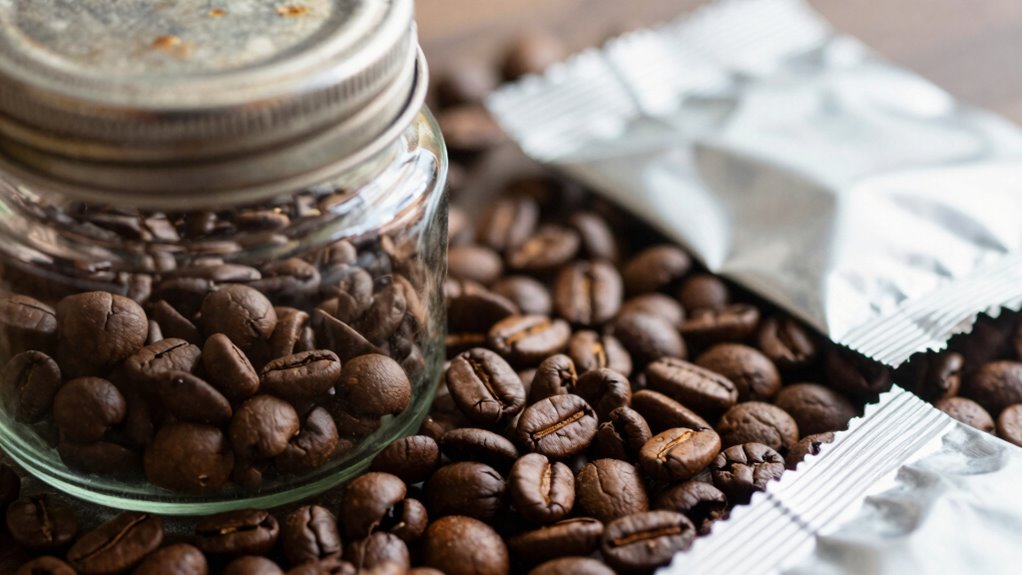
If you want your coffee to taste as fresh and flavorful as possible, paying attention to how you store your beans is essential. One common mistake that quietly flattens great coffee is storing beans in the wrong temperature environment. Coffee freshness depends heavily on maintaining the right storage temperature. When beans are exposed to heat, they quickly lose their aroma and flavor, which means your morning brew becomes dull and lifeless over time. Many people keep their coffee in the pantry or near the stove, thinking it’s convenient, but these spots often experience temperature fluctuations that accelerate staling. To preserve maximum freshness, you should aim for a cool, consistent storage temperature, ideally around 60-70°F. This helps slow down the oxidation process that degrades the beans’ quality.
Store coffee in a cool, stable environment around 60-70°F to preserve freshness and flavor.
Another mistake is leaving coffee exposed to warm or fluctuating temperatures. Even small changes can cause the oils within the beans to go rancid prematurely, robbing your coffee of its nuanced flavors. If you’re storing coffee in a place with inconsistent temperatures—like a kitchen counter near appliances or sunlight—you’re setting yourself up for flavor loss. Instead, choose a dark, cool cabinet or pantry where temperature fluctuations are minimal. Avoid storing coffee in the fridge or freezer unless you buy in bulk and plan to use it over a long period. The moisture and temperature swings in these environments can cause condensation, which damages the beans and leads to staleness. Proper storage also involves understanding the importance of temperature control in maintaining coffee freshness. Additionally, selecting an appropriate storage container can further help keep out moisture and air, which are key factors in preserving flavor. Furthermore, using airtight containers ensures that external odors do not interfere with the delicate aroma of your coffee beans. Properly storing coffee in a dark, cool environment can also prevent exposure to light that accelerates the deterioration process. You might think that keeping coffee in the fridge prolongs its freshness, but that’s a misconception. The key is consistency—exposing beans to varying temperatures and humidity levels causes them to deteriorate faster. When you take beans out of the fridge, moisture condenses on the surface, which can lead to mold and degrade flavor. If you must freeze coffee for long-term storage, do it in airtight containers and only take out what you’ll use within a week or two, letting it return to room temperature before opening to avoid condensation. Proper storage techniques can significantly extend the shelf life of your coffee while preserving its complex flavors.
airtight coffee storage container
As an affiliate, we earn on qualifying purchases.
As an affiliate, we earn on qualifying purchases.
Frequently Asked Questions
Does the Type of Container Affect Coffee Freshness?
Yes, the container material considerably impacts coffee freshness. You should choose airtight containers made of ceramic, glass, or stainless steel to preserve flavor. Avoid plastic, as it can absorb odors and affect taste. Also, consider your storage duration; for short-term storage, these containers work best, but if you plan to store coffee longer, airtight options prevent exposure to air and moisture, keeping your coffee fresh and flavorful.
How Does Temperature Impact Stored Coffee Quality?
Temperature plays a vital role in preserving your coffee’s aroma and grind consistency. If you store coffee too warm, it accelerates flavor loss and causes stale aromas, making your brew flat. Cold storage helps maintain freshness but avoid freezing, which can introduce moisture. Keep your coffee in a cool, dark place to safeguard its aroma and grind consistency, ensuring every cup remains flavorful and aromatic.
Can Sunlight Exposure Ruin Stored Coffee?
Yes, sunlight exposure can ruin stored coffee. Sunlight degradation accelerates coffee oxidation, causing the beans to lose flavor and aroma quickly. When coffee is exposed to sunlight, the UV rays break down the delicate compounds that give coffee its richness, leading to stale, flat-tasting brew. To preserve freshness, keep your coffee in a cool, dark place away from direct sunlight, ensuring it stays flavorful for longer.
Is Freezing Coffee a Good Storage Method?
Freezing coffee isn’t the best for flavor preservation or aroma retention. When you freeze coffee, moisture can cause flavor loss, and each time you thaw and refreeze, it further diminishes quality. Instead, store your coffee in an airtight container in a cool, dark place to keep its aroma and flavor intact. This method guarantees you enjoy fresh-tasting coffee without risking the subtle nuances that freezing can compromise.
How Long Can Coffee Be Stored Without Losing Flavor?
You can typically store coffee for 2-4 weeks without significant flavor degradation. After that, you’ll notice a decline in aroma preservation, making your coffee taste dull and flat. To keep it fresh longer, store coffee in an airtight container away from light and heat. Proper storage minimizes flavor loss, ensuring each cup retains its rich aroma and flavor, even if you’re not drinking it daily.
coffee canister with vacuum seal
As an affiliate, we earn on qualifying purchases.
As an affiliate, we earn on qualifying purchases.
Conclusion
Remember, a stitch in time saves nine. By storing your coffee properly—away from air, light, and moisture—you protect its rich flavors and aroma. Don’t let poor habits quietly ruin your brew; instead, develop a storage routine that keeps your coffee fresh. Small changes now can make a big difference in every cup. After all, great coffee starts with good storage, because sometimes, the simplest habits have the biggest impact.
coffee storage tin with UV protection
As an affiliate, we earn on qualifying purchases.
As an affiliate, we earn on qualifying purchases.
coffee freshness preservation container
As an affiliate, we earn on qualifying purchases.
As an affiliate, we earn on qualifying purchases.
Fall Picks
fall essentials
As an affiliate, we earn on qualifying purchases.