Before choosing a hand grinder for espresso, consider its manual operation, durability, and ease of use. You’ll need to develop good grinding techniques and be ready for some physical effort, but you gain more control over grind size and consistency. Look for sturdy materials like ceramic or stainless steel burrs that last longer. Regular cleaning and calibration are key for great results. Keep exploring to find out how to make the most of your grinder and get perfect shots.

Get kitchen gear delivered free with Prime
- Fast, free delivery on millions of items
- Prime Video, Amazon Music and more included
- Member-only deals all year
Key Takeaways
- Consider the grinder’s build quality, durability, and materials like ceramic or stainless steel burrs for long-term use.
- Ensure it offers precise grind size adjustments for consistent espresso extraction.
- Be prepared for the physical effort and time required for manual grinding.
- Regular maintenance and cleaning are essential to maintain grind consistency and flavor.
- Balance your willingness to develop good technique with the grinder’s ease of use and durability features.
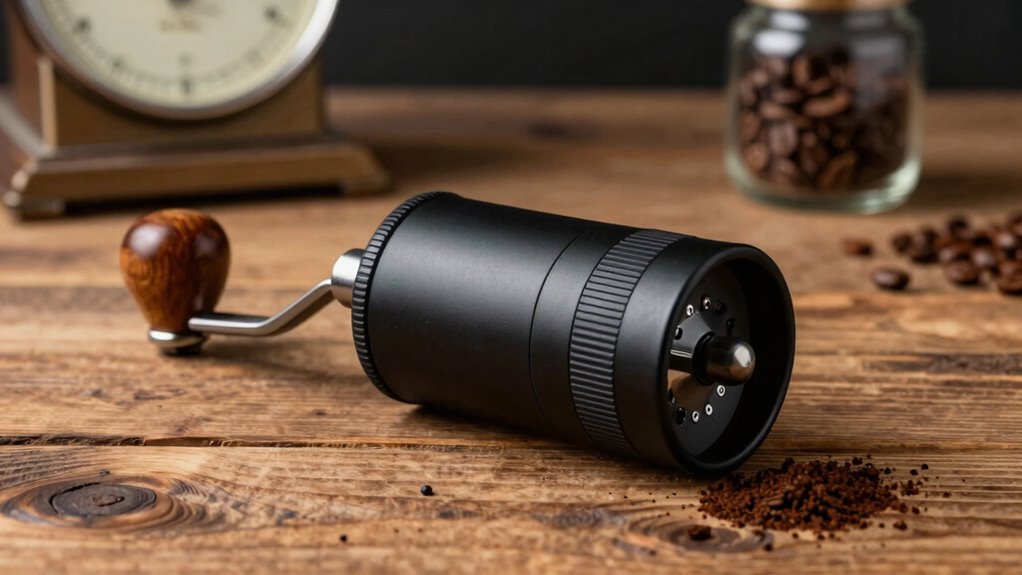
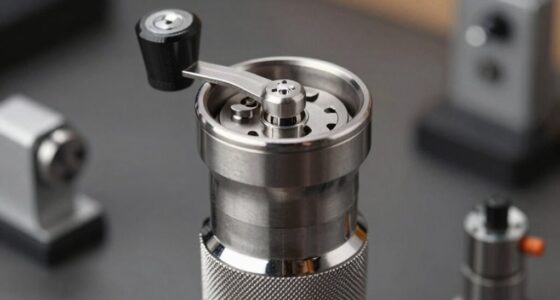
If you’re considering a hand grinder for espresso, it’s essential to understand what sets these devices apart from electric models. Hand grinders rely on manual operation, which means you’ll be directly engaged in the grinding process. This can be beneficial for those who prefer a more hands-on approach or want to avoid the noise and power consumption of electric grinders. One key aspect to evaluate is grinder durability. Since hand grinders often have fewer moving parts and are built with sturdy materials, they tend to last longer if cared for properly. Look for models with high-quality burrs—such as ceramic or stainless steel—that can withstand frequent use without dulling quickly. The overall construction, including the handle, hopper, and grind adjustment mechanisms, also influences how long your grinder will serve you. A robust build ensures consistent performance and reduces the need for repairs or replacements over time. Additionally, considering the materials used in construction can help you select a more resilient and long-lasting device.
When it comes to espresso extraction techniques, a hand grinder can be an excellent tool if you know how to use it effectively. Unlike electric grinders, which can produce very fine, uniform grounds with minimal effort, hand grinders require a bit more finesse and patience to achieve the same consistency. You’ll need to pay close attention to grind size adjustments, as even slight changes can markedly impact extraction. Proper tamping and dosing are equally essential to guarantee water flows evenly through the coffee bed, extracting maximum flavor. Because hand grinders often produce a slightly varied grind size depending on your calibration, practicing consistent grinding techniques is crucial for perfect espresso. This means developing a steady rhythm and understanding how to fine-tune your grind settings based on the beans you’re using and your machine’s needs. Additionally, understanding how different grind consistency impacts extraction can help you better control the flavor profile of your espresso. Developing a good understanding of grind uniformity can further improve your brewing results. Furthermore, experimenting with different grind settings can help you find the optimal balance for your specific brewing setup. Remember that regular calibration and maintenance also contribute significantly to maintaining grind quality over time.
Another factor is the effort involved. Grinding by hand takes time and physical effort, especially if you’re making multiple shots or grinding for a group. However, many enthusiasts appreciate the ritual and control it offers, allowing them to tailor each shot more precisely. Keep in mind that the grind consistency and the quality of your burrs will directly influence the final taste of your espresso. If you’re committed to mastering these techniques, a well-made hand grinder can produce remarkable results and elevate your home brewing experience. Proper maintenance, including regular cleaning and calibration, is vital to ensure consistent performance over time. Ultimately, choosing the right model involves balancing grinder durability, your willingness to develop good espresso extraction techniques, and how much physical effort you’re comfortable putting in. Properly maintained, a good hand grinder can serve you well for years and help you craft espresso with exceptional flavor and clarity.
Products Worth Considering

Breville Bambino Espresso Machine, Brushed Stainless Steel

De'Longhi Stilosa Compact Manual Espresso Machine with Milk Frother

Cuisinart 6-Quart Basket Air Fryer with Viewing Window, Stainless Steel and Black (AIR-200NAS)
As an affiliate, we earn on qualifying purchases.
Frequently Asked Questions
How Long Does It Take to Grind a Shot of Espresso Manually?
It typically takes about 30 to 60 seconds to grind a shot of espresso manually, depending on your grinding speed and the grind size. Your grinding speed varies based on the manual effort you put in; more consistent, quicker effort shortens the process. If you’re experienced, you’ll find it faster. Patience and steady effort are key, as a proper grind guarantees a great espresso shot without overworking your hand.
Can Hand Grinders Produce Consistent Grind Sizes Over Time?
Yes, hand grinders can produce consistent grind sizes over time if you choose a high-quality model with precise adjustments. However, grind size variability can occur with lower-quality grinders or if you don’t calibrate them regularly. To maintain consistency, you should periodically check and adjust the grind settings, especially after extensive use. Proper maintenance and consistent grinding techniques help guarantee reliable results for your espresso shots.
Are There Specific Hand Grinder Brands Recommended for Espresso?
While there aren’t many brands specifically tailored for espresso, some reputable names like Hario, Porlex, and Zassenhaus stand out. If you’re seeking convenience, consider battery-powered or electric-compatible hand grinders, which make grinding easier without sacrificing consistency. These brands often offer options that work well with electric setups or provide manual precision, helping you achieve that perfect espresso grind. Just make certain the grinder matches your preferred brewing method and setup.
How Much Effort Is Required for Daily Use of a Hand Grinder?
Daily use of a hand grinder requires moderate effort, especially if you’re grinding for multiple espressos. You’ll notice some grind noise, which can be a bit loud during extended sessions. If portability concerns you, keep in mind that hand grinders are compact and easy to carry around, making them ideal for travel or small kitchens. Expect consistent effort, but it’s manageable with regular use, and you get the satisfaction of freshly ground coffee.
Do Hand Grinders Require Special Maintenance or Cleaning?
Think of your hand grinder as a delicate garden needing regular care. You don’t need special tools, but consistent cleaning is crucial—typically after every few uses or when you notice buildup. Maintenance tips include disassembling the burrs gently and brushing away coffee residues. Keeping it dry and storing in a cool place helps maintain performance. Regular upkeep ensures your grinder stays sharp and ready, producing the perfect espresso shot every time.
Conclusion
So, as you consider a hand grinder for espresso, remember that sometimes the best moments happen unexpectedly—like discovering a perfectly ground shot on a quiet morning. While it’s a small investment, the true reward lies in the ritual, patience, and delight of brewing each cup by hand. Embrace the coincidence of finding joy in the simple act, and your coffee moments will become more meaningful than you ever imagined.