TL;DR

Get kitchen gear delivered free with Prime
- Fast, free delivery on millions of items
- Prime Video, Amazon Music and more included
- Member-only deals all year
Livingetc’s report presents four Japanese tablescaping habits that can be adapted for autumn hosting: combine individual place settings with shared dishes, choose some tableware for the person using it, pair vessels with the food, and signal the season with ceramics. The suggestions are design guidance, not a formal standard, and the report does not claim that they guarantee a cozier meal.
Livingetc has published four Japanese-inspired tablescaping ideas for autumn hosting, advising readers to combine personal place settings with shared dishes, select some vessels for the individual, match tableware to food, and change ceramics with the season. The report, produced in collaboration with Nakagawa, a Nara craft maker and retailer founded in 1716, offers practical design suggestions rather than evidence that these choices will make gatherings cozier.
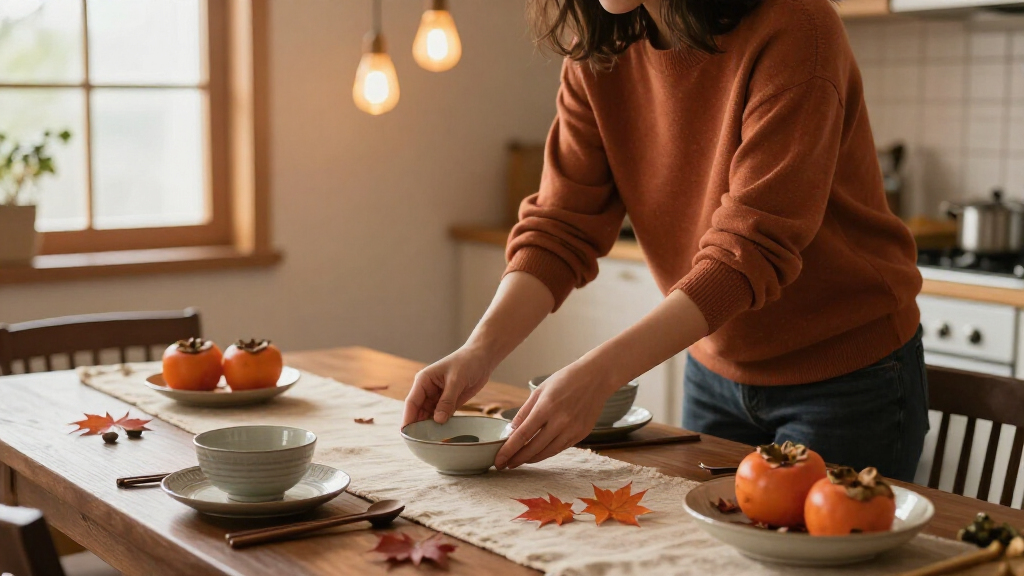
The first suggestion blends two dining formats. Each person has a defined place with a tray and individual bowls or a small plate, while larger dishes sit in the middle for guests to share. The report describes the individual place as meimei no ba. It argues that this arrangement can retain a considered setting without requiring every course to arrive already plated.
Its second lesson is to consider the person, not just a matching tableware set. The report describes Japanese households assigning each family member a rice bowl and chopsticks, chosen to suit the user’s hand and preferences. For a Western table, that could mean mixing pieces or selecting a few personal items rather than buying a uniform set for every place.
The third idea treats the serving vessel as part of the meal. The report invokes a Japanese saying that a vessel is the kimono of the food, linking the dish’s appearance and feel to its bowl or plate. It recommends paying attention to a vessel’s texture, weight and warmth, as well as the open space around the food. Small plates called mame-zara are one suggested way to add variety; they can be collected individually and used in matching or mixed arrangements.
A Seasonal Table Without a Full Reset
The practical point is that seasonal hosting need not require replacing the whole table setting. Livingetc’s fourth lesson is to change the plates, not the table: keep the broader arrangement in place, then bring in autumn through the material, color or shape of a few pieces. The report suggests warm clay and glazes in persimmon or rust tones, with a small seasonal detail such as a chrysanthemum-shaped chopstick rest.
That approach gives hosts a manageable way to refresh a meal with items they already own. The source presents the effect as an aesthetic idea, not a measured outcome: it offers no research or guest feedback establishing that particular colors, materials or layouts make people feel more comfortable. Its broader relevance is the emphasis on personal use, shared food and seasonal detail rather than buying a complete coordinated collection.
Products Worth Considering

Instant Pot Duo Crisp Ultimate 6.5-Quart 13-in-1 Pressure Cooker and Air Fryer
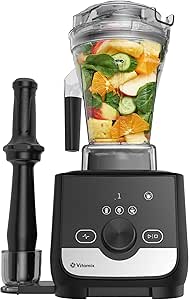
Vitamix Ascent X3 Professional-Grade Blender, 3 Programs, Shadow Black

Vitamix Propel Series 510 Professional-Grade Blender, 3 Programs, Black
As an affiliate, we earn on qualifying purchases.
Four Habits Behind the Advice
The report is a design article from Livingetc, not a news announcement by a Japanese cultural body or a rulebook for traditional dining. It says its author developed the four habits while working with Nakagawa, described in the source as a craft maker and retailer founded in Nara in 1716. The article applies the ideas to Western homes and contemporary autumn hosting.
For its historical reference, the piece connects the vessel-and-food principle with Kitaōji Rosanjin, a potter who opened a Tokyo restaurant in 1925 and made vessels for the food served there. The article also describes seasonal tableware as part of Japanese home practice, contrasting summer glass and white porcelain with autumn clay and warm glazes. These descriptions are the report’s framing; it does not claim that every Japanese household follows the same customs.
“The vessel is the kimono of the food.”
— Livingetc report
What the Report Does Not Establish
The supplied source does not provide a publication date, named author, or independent research supporting its claims about comfort or hosting. It also does not specify one required arrangement or set of materials for Japanese autumn tables. The recommendations should be read as design guidance drawn from the report, not as universal customs or guarantees of a particular atmosphere.
Some product names appear alongside the article’s advice, but the source does not establish that any listed item is necessary to use the ideas. Hosts can adapt the suggestions with existing dishes and utensils.
How Hosts Can Apply the Ideas
The article’s advice can be put into practice one change at a time: keep individual settings, add a central shared dish, and choose bowls or small plates that suit the food and the people at the table. For a seasonal touch, swap in a few autumn-toned pieces rather than buying a complete set. The source points readers toward Japanese kitchen storage advice as a related topic, but gives no further schedule, announcement or next development.
Key Questions
What are the four Japanese-inspired tablescaping lessons?
Livingetc recommends mixing individual settings with shared dishes, choosing some tableware for the person using it, treating the vessel as part of the dish, and changing plates or bowls to signal the season.
What does meimei no ba mean in the report?
The article uses meimei no ba for each person’s own place at the table, which can include a tray, rice bowl, soup bowl and small plate.
What is a mame-zara?
A mame-zara is a small plate, roughly saucer-sized, which the report suggests collecting individually and using in matching or mixed arrangements.
Do hosts need to buy new tableware?
No. The report’s seasonal suggestion is to change a few plates or add one small detail, not replace the whole setting. It does not say that specific products are required.
Source: rss