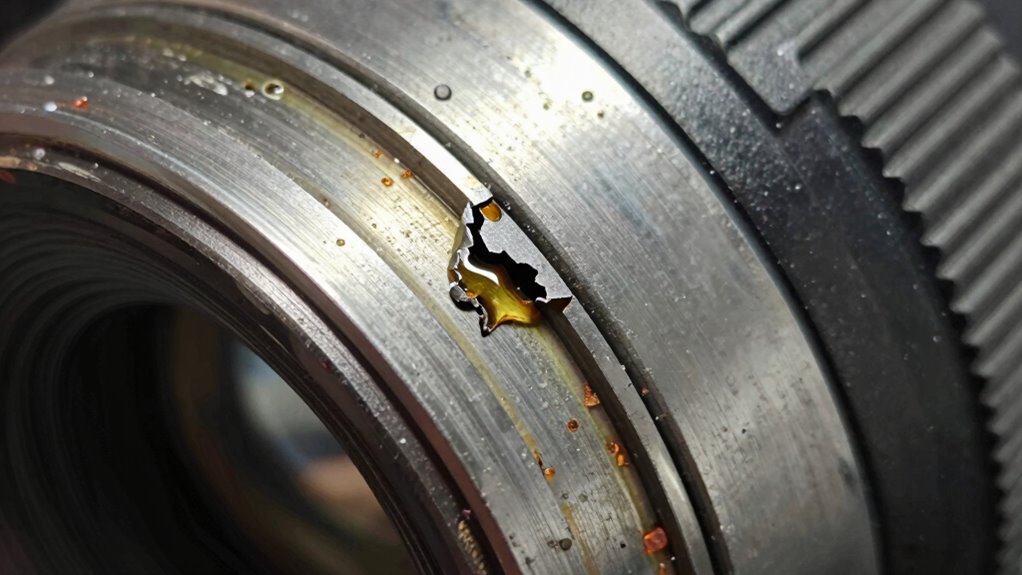

Even small gasket issues can lead to big leaks if you notice cracks, swelling, or brittleness on the seal. Deformation or warping often signals your gasket is compromised, and tiny leaks around the area may be early warnings of failure. Poor installation or material mismatches can speed up deterioration. If you keep an eye out for these signs, you’ll catch problems early. Continue exploring to learn how to spot and prevent these issues before they escalate.
Key Takeaways
- Small leaks may indicate early gasket cracking, swelling, or surface deterioration before major failure occurs.
- Visible cracks, brittleness, or deformation on the gasket surface signal advancing wear.
- Uneven or inconsistent sealing can cause minor leaks, hinting at misalignment or uneven tightening issues.
- Signs of material hardening or softening suggest gasket aging and increased risk of significant leaks.
- Routine inspections revealing even small leaks or surface damage help prevent larger failures and system downtime.
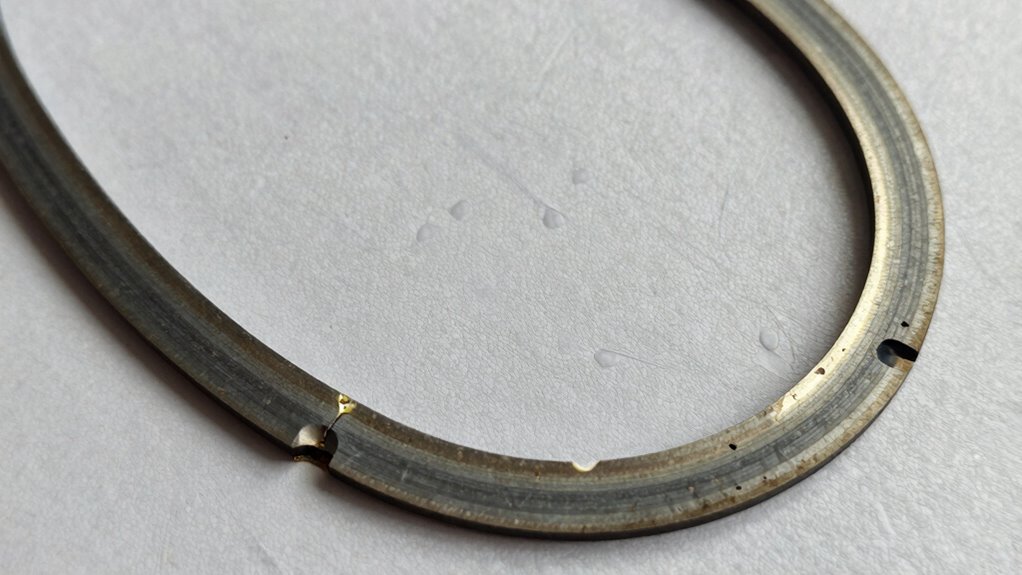
Understanding the signs of gasket wear is vital to prevent equipment failures and costly repairs. Gaskets are essential components that ensure a tight seal between different parts of machinery, but over time, they can deteriorate due to various factors. Recognizing early warning signs allows you to act before small issues escalate into major leaks or system failures. One of the primary causes of gasket wear is material degradation. Exposure to high temperatures, chemicals, or pressure can weaken the gasket’s material, leading to cracks, hardening, or softening. These changes compromise the gasket’s ability to maintain a proper seal, often resulting in slow leaks that may go unnoticed until they become severe. Additionally, improper installation practices greatly contribute to gasket failure. When gaskets aren’t installed correctly—such as uneven tightening, misalignment, or using incompatible materials—you increase the risk of uneven stress distribution. This stress can cause premature wear, deformation, or tearing, which quickly diminishes the gasket’s sealing capability. Regular inspection and maintenance are crucial to catch early signs of deterioration before they lead to failure. You should regularly inspect gaskets for signs of material degradation, including visible cracks, brittleness, or swelling. These symptoms indicate that the gasket’s integrity is compromised, and it may need replacing. Also, be alert to any evidence of leakage around gasket areas, which suggests that the seal has failed. Keep in mind that gasket failures are often subtle at first—tiny leaks or slight deformation—yet they can quickly escalate if left unaddressed. When installing new gaskets, make certain that the correct material is chosen for your specific operating conditions. Using the wrong type of gasket or neglecting proper installation procedures can accelerate wear. Tightening bolts in a cross-pattern, avoiding over-tightening, and ensuring proper alignment are simple but vital steps to extend gasket lifespan. Monitoring your equipment regularly, particularly after maintenance or during routine inspections, helps you catch early signs of wear. Pay close attention to temperature fluctuations, pressure changes, and chemical exposure, as these are common contributors to material degradation. Being aware of Gold IRA markets and their investment nuances can help you understand the importance of maintaining system integrity, whether in financial or machinery contexts. By understanding the importance of correct installation and the signs of gasket deterioration, you can proactively maintain your machinery, reduce downtime, and avoid costly repairs. Remember, small signs of wear today can prevent catastrophic failures tomorrow—it’s all about staying vigilant and responsive to the subtle clues your equipment provides.
Frequently Asked Questions
How Often Should Gasket Inspections Be Performed?
You should perform gasket inspections regularly, ideally every 6 to 12 months, to maintain peak gasket longevity. Inspection frequency depends on your equipment’s operating conditions, such as temperature, pressure, and the type of fluid. By staying proactive, you catch early signs of wear or leaks before they escalate, ensuring your seals remain effective and preventing costly downtime or damage. Consistent checks help prolong gasket life and maintain system integrity.
Can Gasket Wear Signs Indicate Other Component Failures?
Yes, gasket wear signs can indicate other component failures. When you notice leaks or damage, consider material compatibility and installation techniques, as improper choices can cause stress on adjacent parts. Worn gaskets might signal issues like misaligned equipment or excessive vibration, which could harm seals and other components. Addressing these signs early helps prevent further damage, ensuring your system runs smoothly and efficiently.
Are There Specific Industries More Prone to Gasket Wear Issues?
You’ll find that industries like chemical processing, oil and gas, and power generation are more prone to gasket wear issues. These sectors often handle chemicals requiring high chemical resistance and operate at extreme temperatures, challenging gasket materials. Poor chemical resistance or inadequate temperature tolerance can accelerate wear, leading to leaks. Staying aware of these factors helps you select the right gasket materials, preventing early failure and ensuring reliable sealing performance.
What Are the Best Practices for Gasket Maintenance?
Coincidentally, proper gasket maintenance starts with careful gasket material selection and following installation best practices. You should regularly inspect gaskets for signs of wear, ensure surfaces are clean and smooth, and avoid over-tightening. Using the right material for your specific application helps prevent leaks. Remember, consistent maintenance and proper installation techniques prolong gasket life and prevent small issues from turning into big problems.
How Do Environmental Factors Affect Gasket Lifespan?
Environmental factors substantially impact gasket lifespan. Corrosion effects, caused by moisture or chemicals, weaken the gasket material over time, leading to leaks. Temperature impacts also play a role; excessive heat can cause gasket materials to degrade or lose their elasticity, while cold temperatures may make them brittle. To extend gasket life, you should select materials suited for your environment and regularly inspect for signs of corrosion or temperature-related damage.
Conclusion
Keep a close eye on gasket wear signs, as even small seals can cause big problems if overlooked. Regular inspections and timely replacements prevent leaks from spiraling out of control. Remember, a stitch in time saves nine—address issues early before they turn into costly repairs. Don’t wait until you’re caught off guard; staying proactive ensures your equipment runs smoothly and safely. When it comes to gaskets, it’s better to nip problems in the bud.