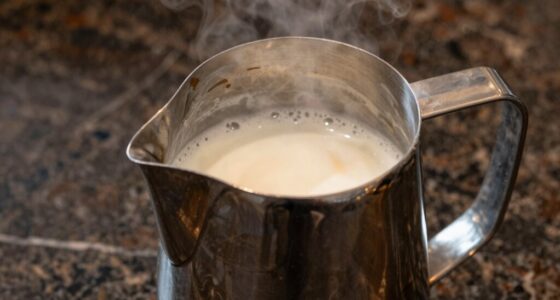
If your oat milk latte has separation issues, avoid overheating the milk and stir or swirl the drink before sipping to redistribute fats and proteins. To fix excessive sweetness, choose unsweetened or homemade oat milk with minimal additives. For better foam and texture, steam your milk at around 140-150°F using the right technique and tools to create stable microfoam. Continue exploring these tips to master a perfect, smooth, and balanced oat milk latte.

Get kitchen gear delivered free with Prime
- Fast, free delivery on millions of items
- Prime Video, Amazon Music and more included
- Member-only deals all year
Key Takeaways
- Gently steam oat milk at 140-150°F to prevent separation and achieve stable, velvety foam.
- Choose natural, minimally processed oat milk with fewer additives to reduce separation and enhance flavor.
- Adjust sweetness by selecting unsweetened varieties or controlling added sugars, and balance flavor with a pinch of salt.
- Swirl or stir the latte before drinking to redistribe fats and proteins, minimizing separation effects.
- Use proper frothing techniques, including positioning the steam wand correctly and creating a gentle vortex for optimal foam.
As an affiliate, we earn on qualifying purchases.
How to Fix the Most Common Oat Milk Latte Problems
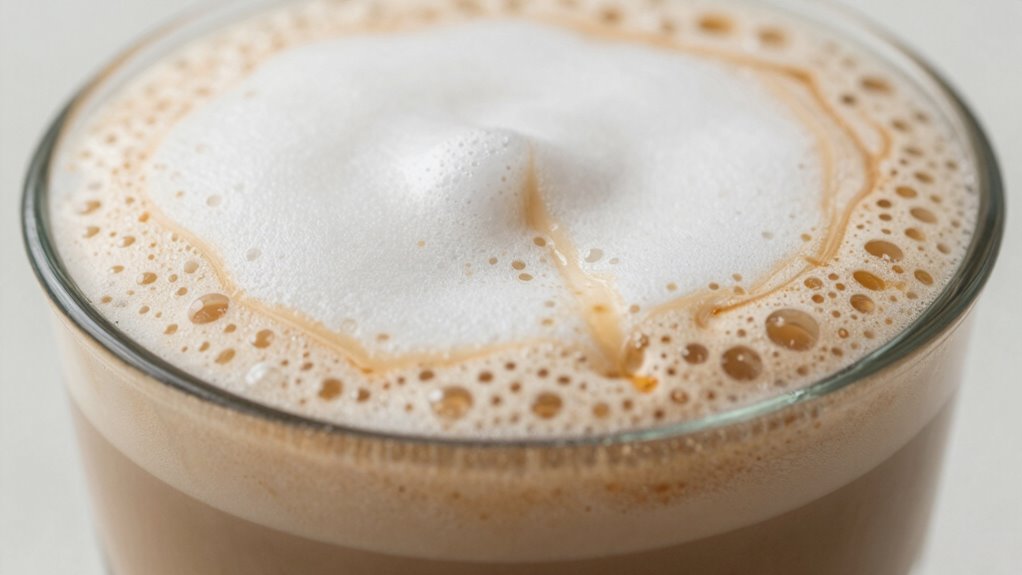
If your oat milk latte isn’t turning out quite right, don’t worry—most common issues have simple fixes. Many problems stem from how milk alternatives interact with your espresso or how you balance flavors. To improve flavor balancing, try adjusting the amount of sweetener or adding a pinch of salt to enhance the overall taste. If your latte tastes flat or bland, consider experimenting with different oat milk brands or brands with richer, creamier textures. Warming the milk slightly before steaming can also help achieve a smoother, more integrated flavor. Keep in mind that some oat milk varieties are sweeter or more neutral than others, so selecting the right one will make a noticeable difference. Small tweaks like these can elevate your latte and fix common problems quickly. Modern kitchen technology can also assist by providing tools that precisely control milk temperature and texture for perfect results every time.
milk temperature thermometer for steaming
As an affiliate, we earn on qualifying purchases.
As an affiliate, we earn on qualifying purchases.
What Causes Separation in Oat Milk Lattes and How to Prevent It

Separation in oat milk lattes occurs when the fats and proteins in the milk don’t stay evenly dispersed, often due to temperature fluctuations, acidity, or improper steaming techniques. When you expose oat milk to high heat or rapid temperature changes, it can destabilize, leading to milk separation. Additionally, acidic ingredients or overly acidic coffee can break down oat milk’s stability, causing the fats to separate from the liquid. To prevent this, always steam oat milk gently, avoiding overheating, and use fresh, balanced coffee to maintain stability. Stirring or gently swirling your latte before drinking can help redistribute any separation that occurs. Proper handling and mindful temperature control are key to maintaining oat milk stability and preventing separation. Incorporating mental wellbeing principles into your coffee preparation routine can also promote a more mindful and satisfying experience.
As an affiliate, we earn on qualifying purchases.
Why Is My Oat Milk Too Sweet: and How Can I Fix It?

Sometimes, oat milk tastes unexpectedly too sweet because of the natural sugars or added sweeteners in store-bought varieties. If you find it overly sweet, check the label for added sweetener alternatives like cane sugar or artificial sweeteners. To reduce sweetness, try rinsing or diluting the oat milk before use, which can lessen the impact of added sugars. You can also switch to brands that prioritize natural sweetness without added sugars or choose unsweetened varieties. Making your own oat milk at home gives you full control over the ingredients, allowing you to avoid unnecessary sweeteners altogether. Additionally, selecting appropriate sweetener options can help you better customize the flavor to your preference. Experimenting with these options helps you enjoy a more balanced, less sweet latte, letting the natural flavor of the oats shine through without masking it with excessive sweetness.
espresso and milk frothing tools
As an affiliate, we earn on qualifying purchases.
As an affiliate, we earn on qualifying purchases.
How to Get Frothy, Stable Foam in Your Oat Milk Latte

Getting perfect froth starts with the right temperature—you want your oat milk warm but not too hot. Using the proper frothing tools, like a steam wand or a handheld frother, makes a big difference in stability. Keep these points in mind to create a creamy, lasting foam for your latte. Incorporating natural pools into your backyard can provide a serene environment that complements your coffee setup, enhancing your overall relaxation experience.
Perfect Temperature for Frothing
Achieving the perfect froth in your oat milk latte depends heavily on heating the milk to the right temperature. Too hot, and the milk can lose its creaminess, making it harder to create stable, airy foam; too cold, and milk frothing becomes difficult, resulting in flat foam. Aim for a temperature between 140°F and 150°F (60°C to 65°C). This range allows the milk to develop a smooth, velvety texture without compromising flavor balance. Using a thermometer helps you maintain consistency and prevents overheating. When the milk reaches the ideal temperature, it will froth easily, producing a stable, creamy foam that enhances your latte’s texture. Properly heated oat milk ensures your foam stays stable and your flavor remains rich and satisfying. Additionally, maintaining proper piercing hygiene can prevent any contamination that might affect the quality of your milk or beverage.
Choosing the Right Frothing Tools
Choosing the right frothing tools is essential for creating that perfect, stable foam in your oat milk latte. The right equipment helps you achieve consistent frosting consistency and enhances foam stability. A well-designed steam wand or frothing pitcher allows you to control airflow and temperature precisely, resulting in smoother, creamier foam. Handheld milk frothers can work well for small batches, but may struggle with foam stability if not used properly. Investing in a quality frothing wand or steam wand attachment ensures better aeration, producing dense, long-lasting foam. Always aim for tools that give you control over the frothing process, helping you achieve the ideal frosting consistency and foam stability needed for a professional-looking latte. Proper frothing techniques are also crucial to maximize foam stability and texture.
Proper Steaming and Temperature Tips for Better Foam and Texture
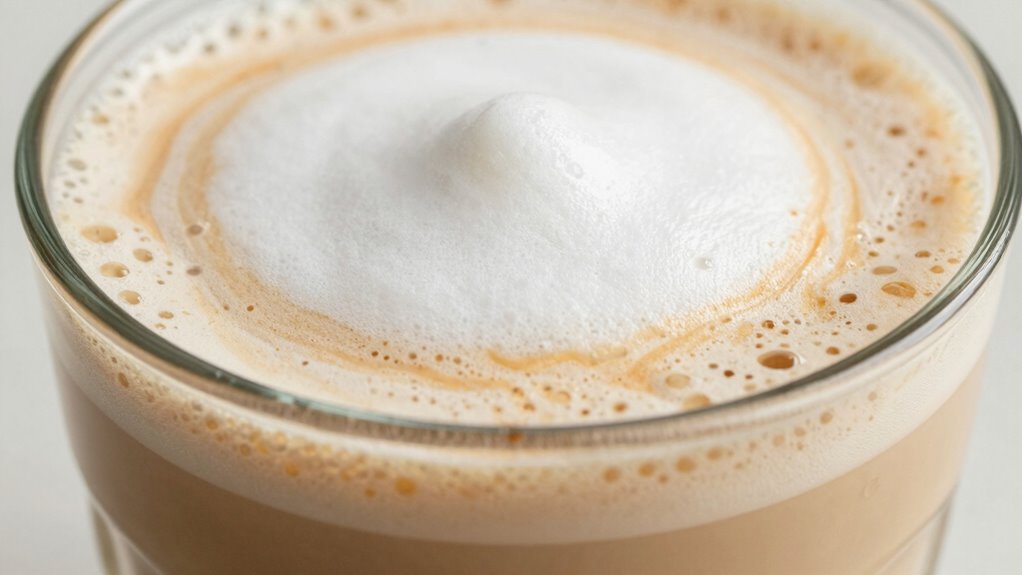
To improve your oat milk foam and texture, start by aiming for the right steaming temperature, usually between 140°F and 160°F. Use proper frothing techniques, such as positioning the steam wand just below the surface and creating a gentle vortex. Maintaining a consistent milk texture depends on controlling both your steaming process and the temperature, ensuring a smooth and creamy result every time. Additionally, choosing the right luggage & bags can help you carry your travel essentials, including your coffee-making gear, more comfortably and efficiently.
Ideal Steaming Temperature
The ideal steaming temperature for oat milk is around 150°F to 155°F (65°C to 68°C). Staying within this range helps maintain the best frothing consistency, ensuring your latte has smooth, velvety foam. If the temperature gets too high, oat milk additives can break down, causing separation or a burnt taste. Too low, and the milk won’t steam evenly, resulting in weak or watery foam. Using a thermometer is the easiest way to control temperature accurately. Proper temperature control also helps prevent the breakdown of natural sugars, avoiding excessive sweetness or bitterness. Keeping your steam wand at the right temperature ensures your oat milk develops a rich texture without compromising flavor or foam quality. This precision makes every latte consistent and satisfying. Temperature control is essential for achieving optimal foam and flavor in your oat milk beverages.
Proper Frothing Techniques
Mastering proper frothing techniques is essential for achieving silky, stable foam and a creamy texture in your oat milk latte. To improve your milk texture, focus on these key steps:
- Use the right frothing technique – keep the steam wand just below the surface of the milk and introduce a gentle swirling motion to create fine, microfoam.
- Monitor the temperature – aim for around 140°F (60°C) to avoid overheating, which can break down the milk’s proteins and ruin froth quality.
- Practice consistent motion – steady, controlled movements ensure even aeration and a uniform milk texture without large bubbles.
Consistent Milk Texture
Achieving a consistent milk texture depends heavily on controlling your steaming process and temperature. To improve milk consistency, focus on steaming at the right temperature, ideally around 140-150°F (60-65°C). Overheating can cause the oat milk to break or become thin, while underheating leads to poor texture and temperature mismatch with your espresso. Keep the steam wand submerged just below the surface to introduce enough air for smooth microfoam, ensuring texture uniformity. Use steady, controlled motions to avoid creating large bubbles or uneven heating. Regularly monitor the temperature with a thermometer to maintain ideal warmth. Proper technique and temperature control help you achieve a silky, creamy consistency every time, making your oat milk latte consistently delightful. Additionally, understanding water quality can influence how well your equipment performs and how consistent your milk texture remains over time.
How to Choose the Best Oat Milk for Lattes and Troubleshoot Common Issues

Choosing the right oat milk for your lattes can make a noticeable difference in taste and texture. To guarantee the best experience, consider these factors:
Selecting the ideal oat milk elevates your latte’s flavor and creaminess for the perfect brew.
- Ingredients: Look for dairy alternatives with minimal additives, as they support plant-based health and produce cleaner flavors.
- Creaminess: Select brands that are rich and thick enough to create a velvety foam without separation or sweetness issues.
- Fortification: Opt for oat milks fortified with calcium and vitamins, which enhance nutritional value without compromising performance.
Troubleshooting common issues involves choosing a product suited for steaming and frothing. Experiment with different brands and read labels carefully to find the best oat milk for your latte needs.
How Do Additives and Thickeners Affect Your Oat Milk?
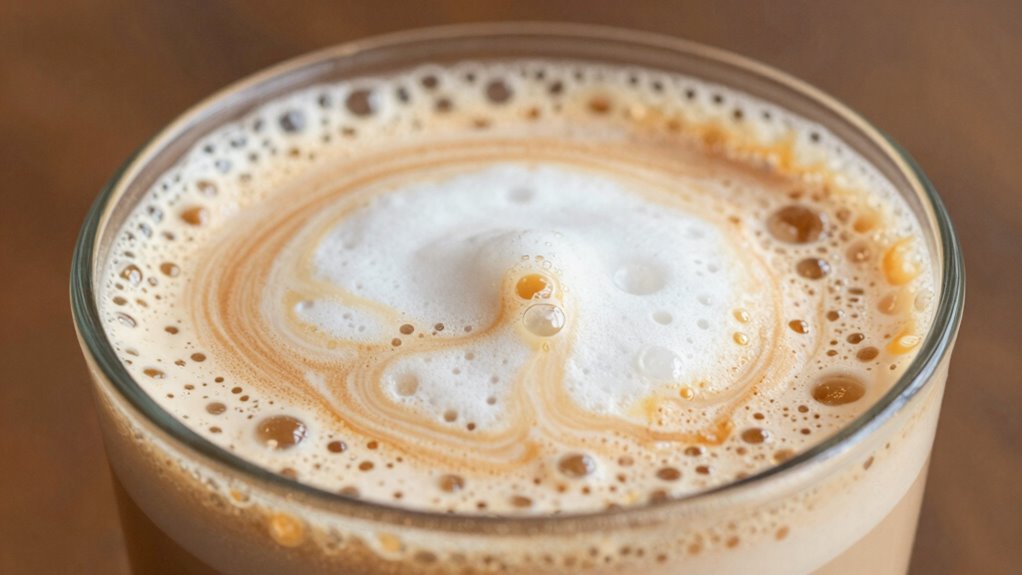
Additives and thickeners in oat milk can considerably influence how it performs in your lattes. These additive effects often enhance texture, making your drink creamier and more stable during steaming. Thickening agents like gums or starches help prevent separation and improve mouthfeel, but too many can cause a slimy or overly viscous texture. Some commercial oat milks add these agents to mimic dairy’s richness, which can affect how well your latte froths and blends. If you notice your oat milk doesn’t foam properly or separates quickly, it might contain higher levels of thickeners. Being aware of these ingredients allows you to select products that suit your preferences, ensuring a smoother, more consistent latte experience without unwanted textures or separation issues. Understanding ingredient labels can help you identify which oat milks are free from excessive additives.
Common Other Problems With Oat Milk Lattes and How to Fix Them

Many oat milk lattes face issues like curdling, separation, or a burnt taste, which can ruin your coffee experience. These problems often stem from how oat milk interacts with other ingredients or the milk’s flavor profile. To fix common issues:
- Adjust Temperature: Overheating can cause separation or a burnt flavor. Heat your oat milk gently, avoiding boiling.
- Choose Quality Dairy Alternatives: Not all oat milks are created equal. Opt for brands with a smooth oat milk flavor that hold up well when steamed.
- Add Stabilizers or Thickeners: These can prevent separation, especially if you’re making large batches or storing leftovers. Properly prepared, oat milk remains a tasty, dairy alternative with a consistent flavor.
- Understand Oat Milk’s Flavor Profile: Knowing how oat milk’s natural sweetness and flavor interact with coffee can help you select the best type for a balanced latte.
Frequently Asked Questions
Can Adding Flavorings Improve Oat Milk Latte Stability?
Adding flavorings can improve oat milk latte stability by enhancing flavoring consistency and masking any separation issues. Some flavorings act as additive effects that help emulsify the milk, making it blend more smoothly and reducing separation. Just be cautious with added sugars or syrups, as they might increase sweetness but could also affect the overall stability. Experimenting with natural flavorings like vanilla or cinnamon often yields the best results.
Does the Type of Coffee Affect Oat Milk Separation?
Yes, the type of coffee affects oat milk separation. High-quality coffee beans and the roasting level influence acidity and oil content, which can impact how well your latte stays mixed. Light roasts tend to be more acidic and may cause quicker separation, while darker roasts are smoother and better integrated with oat milk. Choosing fresh, well-roasted beans guarantees your coffee interacts more harmoniously with the oat milk, reducing separation issues.
How Does Storage Temperature Impact Oat Milk Latte Quality?
You should keep your oat milk latte at a consistent, cool temperature to maintain quality. Proper temperature control slows down spoilage and prevents separation or spoilage. Avoid storing it for too long; ideally, consume within a day or two of preparation. Longer storage duration at improper temperatures leads to flavor degradation and foam issues, so always refrigerate promptly and serve fresh for the best taste and texture.
Are There Natural Alternatives to Sweeteners for Oat Lattes?
Yes, you can use natural sweeteners like honey, maple syrup, or agave nectar in your oat latte. Alternatively, plant-based alternatives like dates or coconut sugar work well to add sweetness without refined sugars. These options enhance flavor naturally and complement the oat milk’s taste. Experiment with small amounts to find your perfect balance, ensuring your latte remains delicious and wholesome without relying on artificial sweeteners.
What Is the Ideal Oat Milk-To-Coffee Ratio for Best Foam?
For the best foam, aim for a 1:1 or 1:2 oat milk-to-coffee ratio. This balance ensures enough milk for rich, stable foam and a strong coffee flavor. When milk frothing, use cold oat milk and steam until it’s silky and creamy. A proper ratio enhances foam stability, giving your latte a luscious, velvety top. Adjust based on preference, but keep the milk proportion consistent for ideal frothing results.
Conclusion
Remember, patience is key when perfecting your oat milk latte. By understanding the causes of separation, sweetness, and foam issues, you can troubleshoot and improve each cup. Just like a good recipe, it takes time and practice to get it just right. Don’t be discouraged by setbacks—every mistake is a stepping stone to barista-quality coffee. Keep experimenting, and soon you’ll enjoy a smooth, frothy latte that’s as delightful as a sunrise.
Halloween Picks
halloween
As an affiliate, we earn on qualifying purchases.