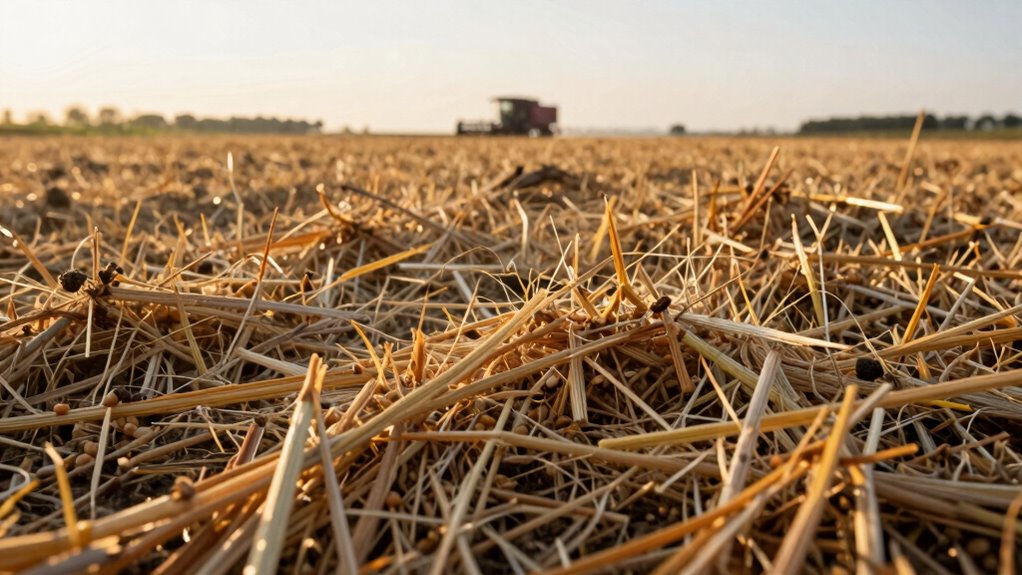

Chaff collection matters more than you think because it helps reduce harmful air pollution caused by burning crop residues, improving air quality for everyone. It also boosts soil health by preventing erosion and maintaining organic matter, which supports better crop yields. By using advanced equipment, you can make farming more sustainable and environmentally friendly. If you keep exploring, you’ll discover how innovative practices are shaping a greener, more efficient future for agriculture.

Get kitchen gear delivered free with Prime
- Fast, free delivery on millions of items
- Prime Video, Amazon Music and more included
- Member-only deals all year
Key Takeaways
- Mechanical chaff collection reduces air pollution caused by traditional burning practices.
- Proper residue management improves soil health and prevents erosion.
- Automated systems increase harvesting efficiency and crop yield.
- Recycling chaff into biomass supports renewable energy and reduces waste.
- Sustainable chaff practices align with environmental conservation and farming profitability.
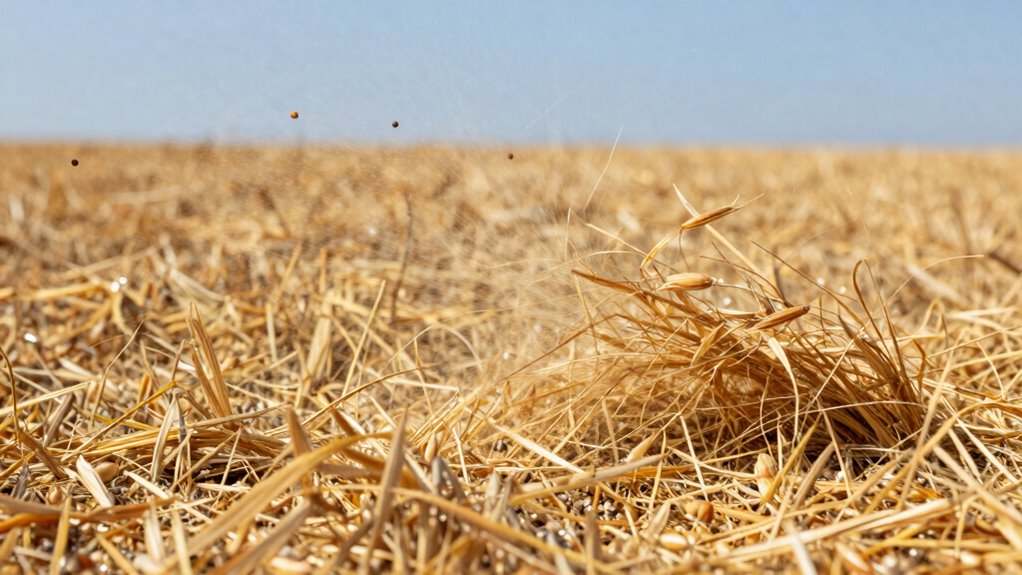
Chaff collection plays a essential role in modern agriculture by helping farmers efficiently manage crop residues. To truly understand its significance, it’s helpful to look back at the historical context. In the past, farmers relied on manual methods to clear fields, often burning chaff and straw, which contributed to air pollution and soil degradation. As agriculture evolved, so did the need for more sustainable and efficient techniques. Early mechanical chaff collectors emerged, but these devices were simple and often ineffective, leaving behind large amounts of residue and requiring extra labor. Over time, the demand for better crop residue management led to the development of more sophisticated equipment, transforming the way farmers handle chaff.
Modern chaff collection enhances efficiency and sustainability in farming practices.
Technological advancements have played a key role in making chaff collection more efficient and environmentally friendly. Today, modern harvesters come equipped with built-in chaff collection systems that automatically separate crop residues during harvesting. This automation not only saves time but also minimizes crop loss, making sure you get the most out of every harvest. These systems are designed to be adaptable to different crop types, which makes them versatile tools in diverse farming operations. You can now efficiently collect chaff and straw, turning what used to be waste into valuable biomass for other uses, such as bioenergy or livestock bedding. Technological innovations continue to improve the efficiency and environmental benefits of chaff collection. Additionally, ongoing research into sustainable farming practices ensures that these technologies will become even more eco-friendly in the future. Embracing these advancements can also help reduce the environmental impact of farming activities.
You might not realize how much these advancements impact your daily farming practices. Efficient chaff collection reduces the need for open-field burning, which has significant environmental benefits. Burning releases greenhouse gases and pollutants that harm air quality, so replacing this practice with mechanical collection is a step toward more sustainable farming. Additionally, managing crop residues properly helps improve soil health by preventing erosion and promoting organic matter recycling. With modern equipment, you can also control the size and amount of chaff left behind, tailoring residue management to your specific field conditions and crop cycles. Understanding the history of agricultural improvements highlights the ongoing progress toward sustainable practices.
Furthermore, advancements in chaff collection technology contribute to the larger goal of sustainable agriculture, ensuring that farming practices are more eco-friendly and resource-efficient. In essence, the evolution of chaff collection technology reflects a broader shift toward sustainable and efficient agricultural practices. It’s no longer just about clearing fields; it’s about optimizing your entire farming system for better productivity and environmental responsibility. The historical context shows us how far we’ve come, and technological advancements continue to push the boundaries of what’s possible. As a farmer, understanding and utilizing these innovations ensures you stay ahead, making your operations more profitable and eco-friendly. Chaff collection isn’t just a routine task anymore — it’s a key component of responsible, modern farming.
Products Worth Considering

Breville Barista Pro Espresso Machine with Grinder, Brushed Stainless Steel

Ninja Luxe Café Premier 3-in-1 Espresso Machine, Drip Coffee & Cold Brew

De'Longhi Magnifica Duo Fully Automatic Espresso Machine with Milk Frother, Silver
As an affiliate, we earn on qualifying purchases.
Frequently Asked Questions
How Does Chaff Collection Improve Overall Aircraft Radar Stealth?
Chaff collection enhances your aircraft’s stealth by improving countermeasure techniques that disrupt enemy radar signals. When your aircraft actively gathers chaff, it can better identify and counter incoming radar threats. This capability influences stealth aircraft design by allowing for more effective radar evasion and signal management. Ultimately, chaff collection helps you maintain a low radar profile, making your aircraft less detectable and increasing your mission’s success chances.
What Materials Are Commonly Used for Chaff?
You’ll find that chaff is typically made from aluminum or its alloys, chosen for their excellent radar reflectivity and material durability. During chaff deployment, these materials create a radar signature that confuses enemy radars. The durability guarantees the chaff withstands harsh conditions in the air, maintaining its effectiveness. By selecting durable, reflective materials, you enhance the radar jamming capability, making your aircraft harder to detect.
Can Chaff Be Detected or Countered by Enemy Radar?
Chaff can often be detected and countered by enemy radar, but it markedly enhances radar evasion. Studies show that chaff deployment can reduce radar tracking accuracy by up to 80%. When you deploy chaff, it creates a confusing radar signature, making it harder for enemy systems to lock on. This deception technique effectively blinds radar, giving you vital time for evasive maneuvers and increasing your aircraft’s survivability.
How Often Should Chaff Be Replenished During Missions?
You should replenish chaff regularly during missions to maintain its effectiveness. The frequency depends on factors like mission length, chaff deployment rate, and enemy radar activity. Typically, you’ll need to top off chaff stocks after each deployment or every few hours to guarantee maximum chaff effectiveness. Continuous monitoring of your chaff supplies helps prevent depletion, ensuring you’re always ready to deploy it effectively when threats appear.
Are There Environmental Concerns With Chaff Disposal?
Chaff disposal does have environmental concerns, particularly regarding its ecological effects of chaff accumulation. When improperly disposed of, chaff can contribute to pollution and disrupt local ecosystems. You should consider environmentally friendly disposal methods to minimize these impacts. Proper chaff collection and disposal help reduce its environmental impact, ensuring that military practices don’t harm the environment. Being mindful of chaff disposal protects ecosystems and maintains ecological balance.
Conclusion
You might think chaff collection is just a small part of military operations, but it’s actually the backbone of radar and missile defense. Think of it as the unsung hero hiding behind the curtains, quietly ensuring your safety. Ignoring its importance is like overlooking the roots of a mighty tree. So, next time you hear about advanced defense systems, remember that chaff collection is what keeps the whole show from falling apart—silent, steady, and essential.