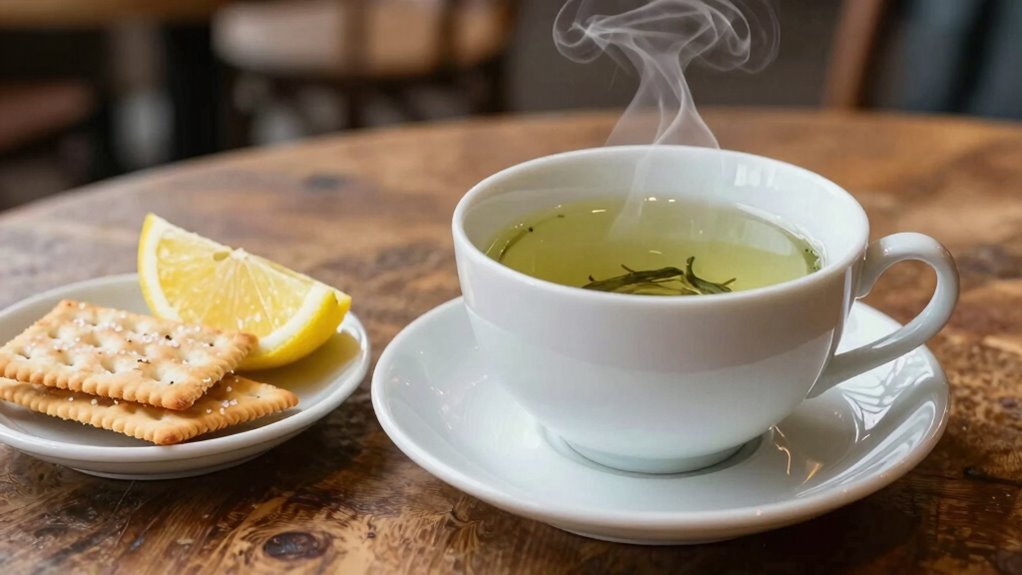

To effectively cleanse your palate for coffee tastings, start with plain water to rinse and neutralize residual flavors. Eating neutral foods like crackers, bread, or apple slices can absorb lingering oils. Sparkling water with carbonation helps lift flavors from your taste buds, while mild herbal teas such as chamomile or mint refresh without adding strong tastes. Using these methods regularly guarantees your senses stay clear, so you can better appreciate each coffee’s unique nuances as you continue exploring.

Get kitchen gear delivered free with Prime
- Fast, free delivery on millions of items
- Prime Video, Amazon Music and more included
- Member-only deals all year
Key Takeaways
- Use plain water to rinse and swish around the mouth between tastings.
- Consume neutral foods like crackers, bread, or apple slices to absorb residual oils.
- Sparkling water with carbonation effectively lifts flavors from taste buds.
- Rinse with mild, unsweetened herbal teas such as chamomile or mint for gentle palate cleansing.
- Take small sips and pause to breathe deeply, resetting senses before evaluating each coffee.
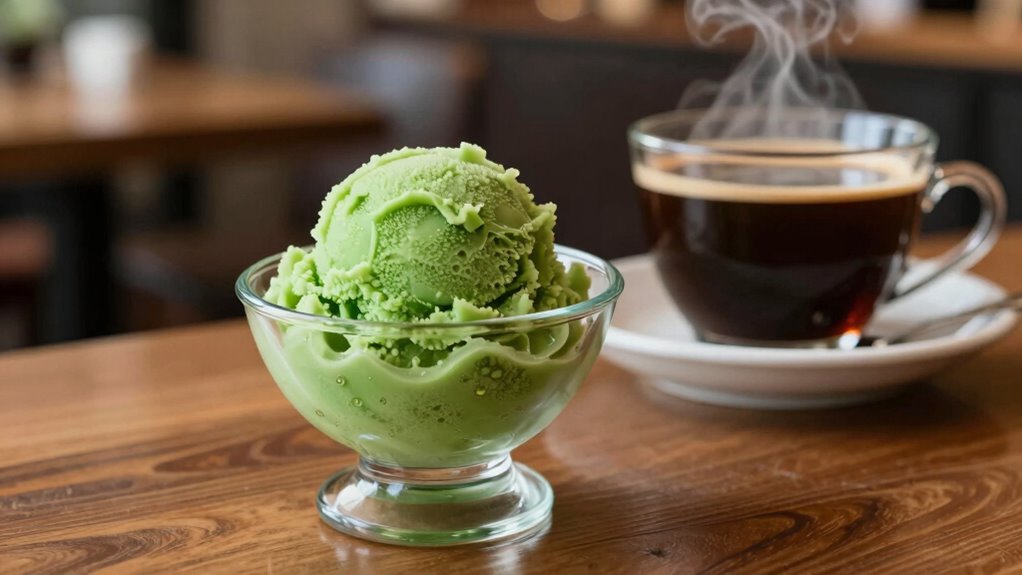
Tasting different coffees can be a delightful experience, but without proper palate cleansing, your senses might become overwhelmed or muddled. When exploring various coffee flavor profiles, it’s essential to reset your palate between tastings. This helps guarantee that each coffee’s unique characteristics—such as acidity, sweetness, body, and aroma—stand out clearly. Without effective palate cleansing, the residual flavors from a previous sip can interfere with your ability to accurately assess the next, leading to skewed perceptions and less insightful tasting notes.
To truly appreciate the nuances of different coffees, you need to develop solid tasting techniques. One effective method is to start with a neutral palate cleanser that can quickly remove lingering flavors. Plain water is the simplest option; taking a sip and swishing it around can wash away residual tastes. Some connoisseurs prefer using plain crackers, bread, or even apple slices, which help absorb oils and clean the palate more thoroughly. These foods are neutral enough not to introduce new flavors or overpower the coffee, but they still refresh your senses.
Using water, crackers, or fruit helps reset your palate between coffee tastings effectively.
Another technique involves using specific palate cleansers designed for tastings. A small sip of sparkling water, especially if it’s slightly carbonated, can help lift flavors from your taste buds. The carbonation stimulates salivation and helps clear the palate more effectively than still water alone. You might also try a quick rinse with a mild, unsweetened herbal tea, such as chamomile or mint, which can refresh your senses without leaving strong aftertastes.
Tasting techniques are equally important. When sampling different coffee flavor profiles, take small sips and give yourself time to analyze each one carefully. Between tastings, pause to breathe deeply, allowing your senses to reset. It’s crucial to be mindful of your tongue’s different zones—some areas are more sensitive to acidity, while others pick up sweetness or bitterness. Proper palate cleansing ensures that each new sip is evaluated with fresh, unbiased senses. Additionally, understanding color accuracy in visual assessments can enhance your appreciation of coffee presentation, even if it’s not directly part of the tasting process.
palate cleanser for coffee tasting
As an affiliate, we earn on qualifying purchases.
As an affiliate, we earn on qualifying purchases.
Frequently Asked Questions
Can Palate Cleansers Improve Coffee Tasting Accuracy?
Yes, palate cleansers can improve your coffee tasting accuracy by enhancing flavor perception and reducing residual flavors. When you use effective cleansers, you clear your palate, allowing you to better distinguish subtle notes and nuances in each sip. This helps you make more accurate sensory evaluations, ensuring you truly appreciate the coffee’s complexity. Keep in mind, choosing the right palate cleanser is key to maximizing your tasting experience.
Are There Any Palate Cleansers to Avoid Before Tasting Coffee?
You should avoid artificial palate cleansers and aromatic candies before tasting coffee. These can mask or alter your true palate, making it harder to accurately assess flavors. Instead, stick to plain water or neutral snacks. Artificial palate cleansers might contain artificial flavors or chemicals that interfere with your taste buds, while aromatic candies can introduce strong scents that distort your perception. Keep it simple for the most authentic tasting experience.
How Often Should I Cleanse My Palate During a Coffee Tasting Session?
You should cleanse your palate every time you switch to a different coffee or flavor profile during your tasting session. Follow the frequency guidelines of taking a quick sip of water or neutral palate cleanser between tastings, typically every few sips or after each coffee. This helps you maintain an accurate sense of each coffee’s unique qualities without lingering tastes interfering. Regular cleansing enhances your overall tasting experience and flavor appreciation.
Do Palate Cleansers Vary for Different Coffee Brewing Methods?
Think of your palate as a painter’s canvas, each brewing method adding unique strokes. Yes, palate cleansers can vary with different coffee brewing adjustments, as each method emphasizes distinct coffee flavors. For pour-over, a crisp apple slice might work well, while a sip of water with a hint of citrus can refresh your palate during espresso tasting. Tailoring cleansers guarantees you truly appreciate each coffee’s nuanced character.
Can Palate Cleansing Techniques Enhance the Flavor Profile of Coffee?
Yes, palate cleansing techniques can enhance your flavor perception by reducing taste buds sensitivity to lingering flavors. When you cleanse your palate, you reset your taste buds, allowing you to better appreciate coffee’s nuanced profiles. Techniques like sipping water, eating a neutral cracker, or rinsing with a mild citrus solution help improve your taste perception, making each sip more vibrant and allowing you to enjoy the full complexity of the coffee’s flavors.
carbonated water for palate cleansing
As an affiliate, we earn on qualifying purchases.
As an affiliate, we earn on qualifying purchases.
Conclusion
Remember, effective palate cleansing enhances your coffee experience, allowing each sip to shine. Some might think it’s unnecessary or time-consuming, but a quick rinse or simple palate cleanser makes a noticeable difference. Don’t skip it just because it’s easy—your taste buds will thank you for the clarity and full appreciation of every flavor. Next time, take a moment to cleanse your palate; it’s a small step that truly elevates your coffee enjoyment.
As an affiliate, we earn on qualifying purchases.
neutral foods for palate cleansing
As an affiliate, we earn on qualifying purchases.
As an affiliate, we earn on qualifying purchases.
Fall Picks
fall essentials
As an affiliate, we earn on qualifying purchases.