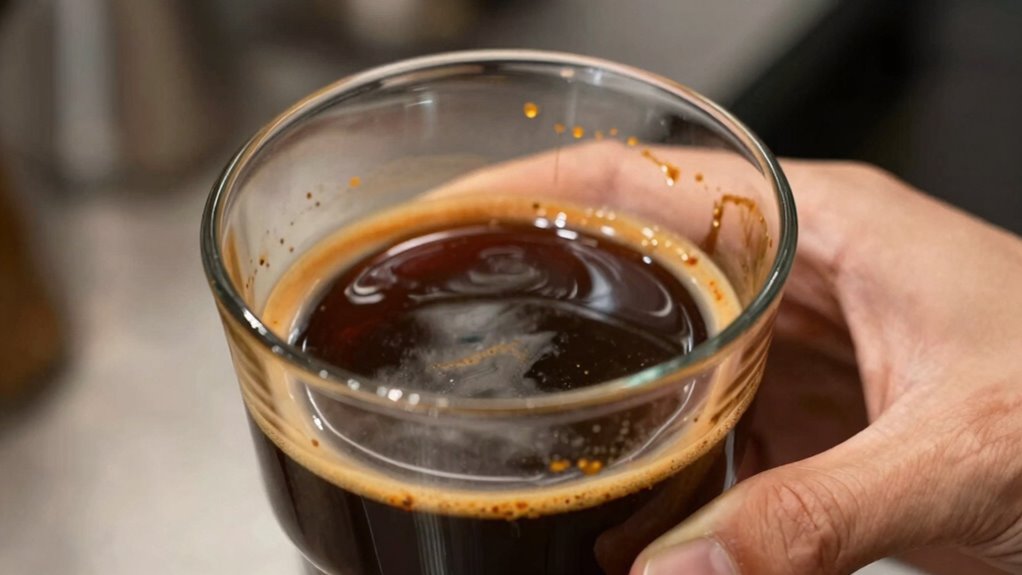

Your coffee’s aftertaste is a key clue to whether you achieved a balanced extraction. If it’s overly bitter, harsh, or sharp, it suggests over-extraction, pulling out undesirable compounds. On the other hand, a thin, dull, or flat aftertaste indicates under-extraction, meaning flavors weren’t fully released. By paying close attention to these cues, you can fine-tune your brewing process for better flavor. Keep exploring to discover how subtle changes can improve your coffee every time.

Get kitchen gear delivered free with Prime
- Fast, free delivery on millions of items
- Prime Video, Amazon Music and more included
- Member-only deals all year
Key Takeaways
- A bitter or harsh aftertaste indicates over-extraction, signaling the brew may be too aggressive.
- A dull, flat aftertaste suggests under-extraction, meaning flavors haven’t been fully developed.
- Balance in aftertaste reflects proper extraction, where neither over- nor under-extraction dominates.
- Changes in aftertaste over time can reveal inconsistencies in grind size, brew time, or temperature.
- Consistent, clean aftertaste indicates optimal extraction and proper brewing technique.
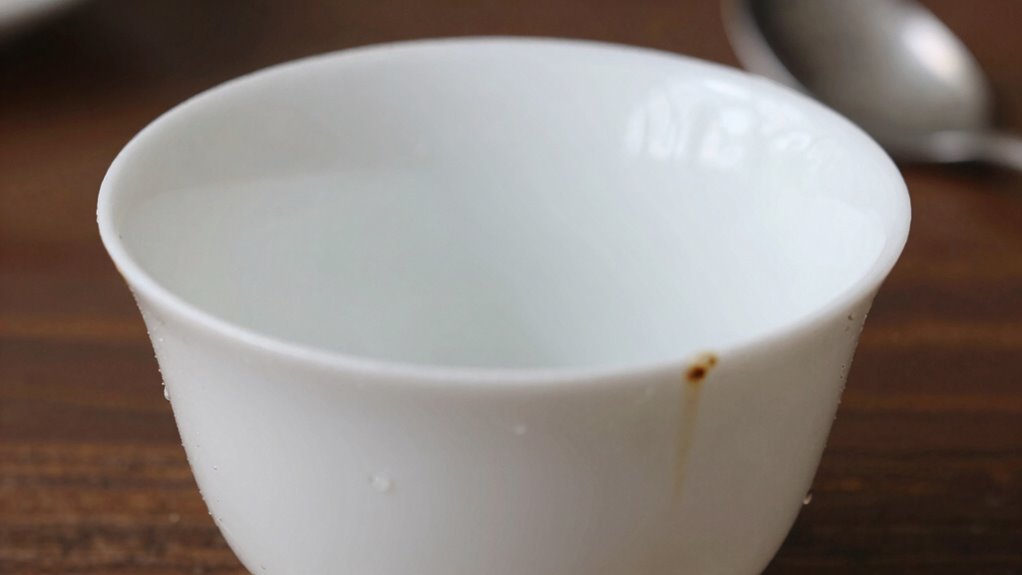
Have you ever noticed how the lingering aftertaste of your coffee can reveal more than just flavor? That subtle finish isn’t just a fleeting taste—it’s a valuable clue about your brewing process and the quality of your extraction. When you pay close attention to the aftertaste, you can better understand the coffee’s flavor profile and identify whether you’ve achieved brewing consistency. The aftertaste acts as a sensory checkpoint, offering insight into how well your grind size, brew time, and water temperature are working together.
If your aftertaste feels overly bitter or sharp, it’s often a sign that your extraction is too aggressive. You might be over-extracting, pulling out compounds that create harsh, undesirable flavors. On the other hand, if the aftertaste is thin, dull, or lacking complexity, your extraction could be be underwhelming. This usually indicates that your brew didn’t fully extract the coffee’s nuanced flavors, possibly due to insufficient contact time or improper grind size. Recognizing these cues helps you adjust your brewing parameters to hit that ideal point, ensuring your coffee’s flavor profile is balanced and vibrant.
Brewing consistency plays a vital role here. When you’re consistent with your technique—using the same grind size, water temperature, and brew time—you create a baseline that makes it easier to interpret the aftertaste. If you notice a shift in the aftertaste from one cup to another, it hints that something in your process has changed. Maybe your grind has become slightly coarser or finer, or your water temperature fluctuated. These variations can impact extraction and, consequently, the aftertaste. Maintaining brewing consistency helps in accurately assessing these flavor cues, especially when subtle changes in extraction can significantly influence taste outcomes. Additionally, understanding how different variables affect flavor extraction allows you to refine your brewing process further. Paying attention to these extraction cues can help you fine-tune your technique and consistently brew great coffee.
burr coffee grinder with adjustable grind settings
As an affiliate, we earn on qualifying purchases.
As an affiliate, we earn on qualifying purchases.
Frequently Asked Questions
How Does Water Temperature Affect the Aftertaste?
Water temperature impacts the aftertaste by influencing flavor retention. When you use hotter water, it extracts more compounds, which can lead to a bolder, more intense aftertaste. Cooler water preserves delicate flavors, resulting in a cleaner, lighter aftertaste. Temperature impact varies based on your brewing method and taste preference. Adjusting water temperature helps control how lingering flavors develop, allowing you to fine-tune your coffee’s aftertaste to suit your desired profile.
Can Different Coffee Beans Produce Similar Aftertaste Clues?
Yes, different coffee beans can produce similar aftertaste clues, especially if they share a similar bean flavor or roast profile. You might notice comparable lingering notes, like fruity or nutty flavors, regardless of the bean origin. However, subtle differences in bean flavor and roast profile influence the aftertaste, so tasting each brew carefully helps you distinguish the unique characteristics. Keep experimenting to refine your palate!
Is the Aftertaste Clue Reliable for All Brewing Methods?
The aftertaste clue isn’t reliable for all brewing methods because different techniques can influence flavor consistency, making it harder to interpret. You might experience sensory fatigue with certain methods, dulling your ability to notice subtle aftertaste differences. Factors like brewing time, temperature, and grind size all affect extraction, so while the aftertaste can be informative, it’s best combined with other sensory cues for an accurate diagnosis.
How Long Should the Aftertaste Last to Indicate Proper Extraction?
Typically, a proper extraction’s aftertaste lasts around 15 to 30 seconds, helping maintain flavor consistency and aroma retention. If it lingers too long, over-extraction may have occurred, producing bitterness. Conversely, a fleeting aftertaste suggests under-extraction, losing flavor depth. A perfect aftertaste guarantees a balanced, rich coffee experience, indicating your brewing process is on point. Aim for that sweet spot to enjoy consistent flavor and aroma in every cup.
Are There Specific Health Considerations Related to Extraction Quality?
Yes, extraction quality impacts health implications and safety. Poorly extracted coffee may contain higher levels of unwanted compounds, potentially causing stomach upset or other health issues. Over-extraction can release bitter, undesirable chemicals, while under-extraction might leave residues that affect flavor and safety. To guarantee extraction safety, use proper brewing techniques, clean equipment regularly, and pay attention to taste cues like aftertaste duration, which can indicate if your extraction is ideal.
As an affiliate, we earn on qualifying purchases.
Conclusion
Think of the aftertaste as your coffee’s signature song—it lingers and reveals its true nature. When you notice a clean, bright finish, you know extraction hit the right note. But if it’s dull or bitter, it’s a sign to fine-tune your process. Pay close attention, and you’ll master the art of extraction like a seasoned conductor, guiding your brew to perfection every time. Trust your palate; it’s the ultimate compass in this flavorful symphony.
gooseneck kettle with temperature control
As an affiliate, we earn on qualifying purchases.
As an affiliate, we earn on qualifying purchases.
As an affiliate, we earn on qualifying purchases.
Halloween Picks
halloween
As an affiliate, we earn on qualifying purchases.