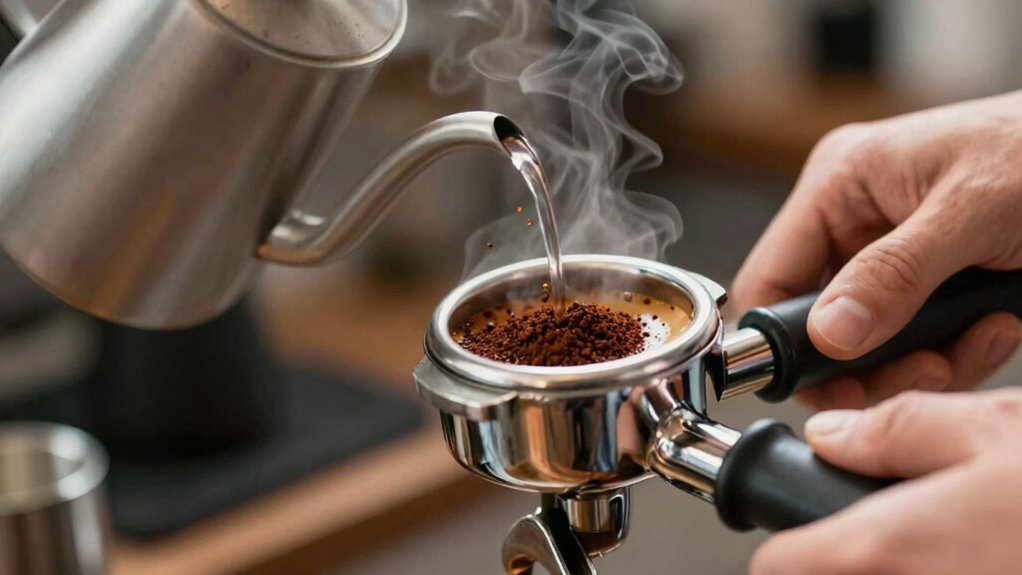

To better understand espresso flavors, start a structured taste exercise focusing on sensory training. Sip small amounts of coffee, paying close attention to aromas, textures, and evolving flavors. Use flavor wheels or charts to identify subtle notes like fruity, nutty, or floral. Practice consistently by comparing different brews and isolating individual tastes. This active exploration will sharpen your palate and vocabulary, making espresso tasting more intuitive. Keep practicing, and you’ll discover even more nuances along the way.

Get kitchen gear delivered free with Prime
- Fast, free delivery on millions of items
- Prime Video, Amazon Music and more included
- Member-only deals all year
Key Takeaways
- Engage in regular tastings of different espresso samples to recognize and compare flavor nuances effectively.
- Use flavor wheels or tasting charts to systematically identify and describe specific aroma and taste notes.
- Practice isolating individual flavors, such as fruity, nutty, or spicy, on the palate to deepen understanding.
- Expand your flavor vocabulary by exploring diverse foods and beverages that share similar profiles.
- Take detailed notes during tastings to track flavor development and improve recognition over time.
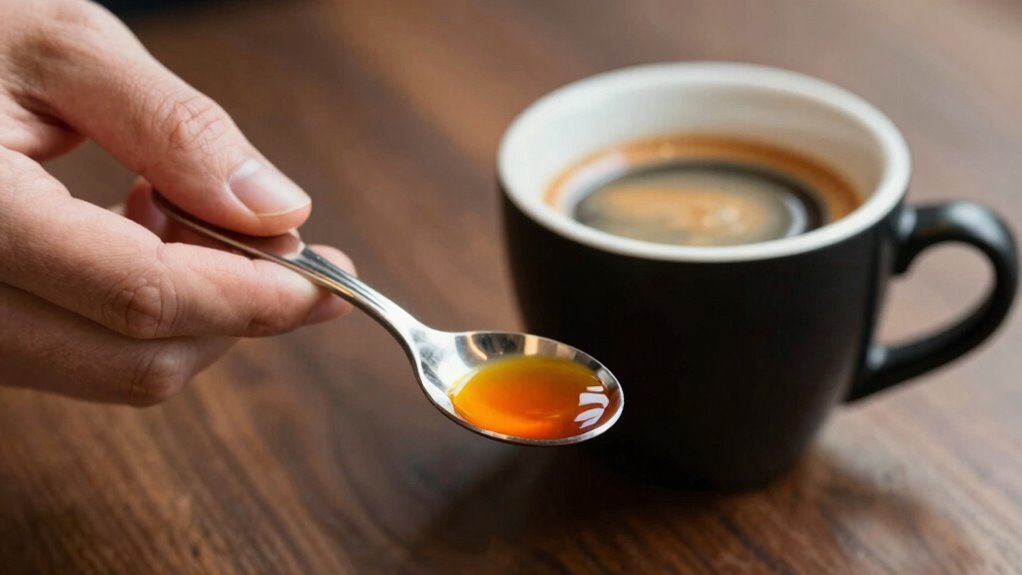
Tasting exercises can considerably improve your ability to brew a better espresso by sharpening your palate and helping you identify subtle flavors. When you focus on sensory training, you train your senses to detect and differentiate between various flavor profiles in coffee. This process isn’t just about tasting; it’s about developing a nuanced understanding of what makes each espresso unique. With consistent practice, you’ll notice your ability to pinpoint specific aromas, tastes, and textures improves, making your overall brewing experience more intuitive and precise.
Sharpen your palate through sensory training to enhance espresso flavors and brewing precision.
The first step in this taste exercise is to familiarize yourself with different flavor profiles. Think beyond basic descriptions like bitter or sweet. Instead, focus on identifying the complex notes that can range from fruity, floral, and nutty to spicy, chocolaty, or even earthy. Take small sips of different coffees, paying close attention to how each flavor develops on your palate. Try to isolate individual notes—does it taste like ripe berries, toasted almonds, or a hint of citrus? As you do this regularly, you’ll begin to recognize these nuances more easily in your own brews.
Sensory training is essential for refining your taste perception. It involves deliberately engaging your senses with a variety of flavor stimuli to expand your sensory vocabulary. You can do this by tasting a range of foods and beverages, not just coffee—think of tasting dark chocolate, different teas, or fresh fruit. The goal is to build a mental library of flavors, so when you taste your espresso, you can quickly associate specific tastes with known profiles. Incorporating flavor recognition exercises can further accelerate your ability to identify subtle differences. Over time, this training enhances your ability to evaluate espresso more critically, whether assessing brightness, body, or aftertaste.
Consistency is key to mastering this exercise. Dedicate a few minutes daily to taste different coffees, taking notes on what you experience. Use a flavor wheel or tasting chart to guide your descriptions and improve your vocabulary. As you regularly practice sensory training, you’ll notice your ability to distinguish subtle differences in your espresso increases profoundly. This not only makes brewing more enjoyable but also helps you make more precise adjustments to grind size, extraction time, or roast level based on the flavors you perceive.
Ultimately, sharpening your palate through this taste exercise transforms how you understand and appreciate espresso. It turns tasting from a passive activity into an active exploration of flavors, giving you the confidence to craft better brews and enjoy coffee on a deeper level. Developing a sensory vocabulary allows you to better articulate what you experience, making your tasting sessions more meaningful. With patience and consistency, you’ll find that understanding flavor profiles becomes second nature, making the art of espresso both more accessible and more rewarding.
coffee flavor wheel tasting chart poster
As an affiliate, we earn on qualifying purchases.
As an affiliate, we earn on qualifying purchases.
Frequently Asked Questions
Can Beginners Easily Perform This Taste Exercise?
Yes, beginners can easily perform this taste exercise. It helps improve your flavor differentiation and enhances sensory awareness, making it accessible even if you’re new to coffee tasting. You just focus on small sips, identify different flavors, and pay attention to how they evolve. With practice, you’ll notice your palate sharpening and your ability to distinguish nuanced tastes improving, making the whole espresso experience more enjoyable and insightful.
How Long Does the Taste Exercise Take?
The taste exercise typically takes about 10 to 15 minutes, depending on how thoroughly you explore the flavor profile. During this time, you develop your sensory memory by tasting different coffees and noting their unique qualities. You’ll spend moments savoring and comparing flavors, which sharpens your palate. This short session helps you recognize and describe espresso flavors more accurately, making future tastings more intuitive and enjoyable.
Is Special Equipment Needed for the Exercise?
No, you don’t need special equipment for the taste exercise. All you really require are basic tasting tools like a spoon, small cups, or a palate knife. These tools help you assess flavors accurately without complicating the process. You can use common household items to focus on your sensory experience, making the exercise accessible and straightforward. Just make certain your tasting environment is clean and free of strong odors.
Can This Exercise Improve Overall Coffee Tasting Skills?
Absolutely, this exercise acts like a key revealing your palate’s potential. It hones your sensory awareness, sharpening your ability to detect subtle flavor complexity in coffee. By practicing regularly, you’ll navigate the rich tapestry of tastes more confidently, transforming your tasting skills from a murky watercolor into a vibrant masterpiece. Over time, your appreciation deepens, making every cup a new adventure in flavor exploration.
How Often Should I Practice the Taste Exercise?
You should practice the taste exercise daily or at least a few times a week to strengthen your sensory training. Regular practice helps you better recognize flavor complexity and nuances in coffee. By consistently engaging your senses, you’ll improve your ability to identify subtle differences and deepen your appreciation for coffee’s rich profiles. Make it a habit, and over time, your tasting skills will become more refined and intuitive.
coffee cupping tasting notebook flavor notes
As an affiliate, we earn on qualifying purchases.
As an affiliate, we earn on qualifying purchases.
Conclusion
By embracing this taste exercise, you reveal a new way to understand espresso—like opening a door to flavor’s hidden symphony. With each sip, the complexity becomes clearer, and the journey from bitterness to sweetness feels smoother. Remember, tasting is a dance—step by step, note by note—and soon, espresso’s secrets will be at your fingertips. So trust the process, taste with curiosity, and let your palate guide you to coffee mastery.
espresso tasting cups set small ceramic
As an affiliate, we earn on qualifying purchases.
As an affiliate, we earn on qualifying purchases.
coffee cupping spoon stainless steel
As an affiliate, we earn on qualifying purchases.
As an affiliate, we earn on qualifying purchases.
Halloween Picks
halloween
As an affiliate, we earn on qualifying purchases.