
If your filter coffee tastes astringent and causes a drying mouth feeling, it’s likely due to over-extraction from using a fine grind and high brewing temperatures. This combination releases too many tannins and polyphenols, which create that puckering sensation. To fix this, try a medium-coarse grind and keep your water temperature within the ideal range of 195°F to 205°F. Understanding these factors can help you brew smoother, more balanced coffee every time. Keep exploring to learn more about perfecting your brew.
Open a free Amazon Business account
Business pricing, bulk buying and tax-exempt orders.
As an affiliate, we earn on qualifying purchases.
Key Takeaways
- Over-extraction from fine grounds or high temperatures releases tannins, causing astringency and dry mouth.
- Using overly fine grind size accelerates extraction, intensifying drying sensations in the coffee.
- Brewing at temperatures above 205°F (96°C) extracts more polyphenols, leading to bitterness and puckering feelings.
- Poor brewing techniques or stale beans can contribute to astringent, drying flavors in filter coffee.
- Adjusting grind size to medium-coarse and maintaining proper water temperature helps prevent astringency.
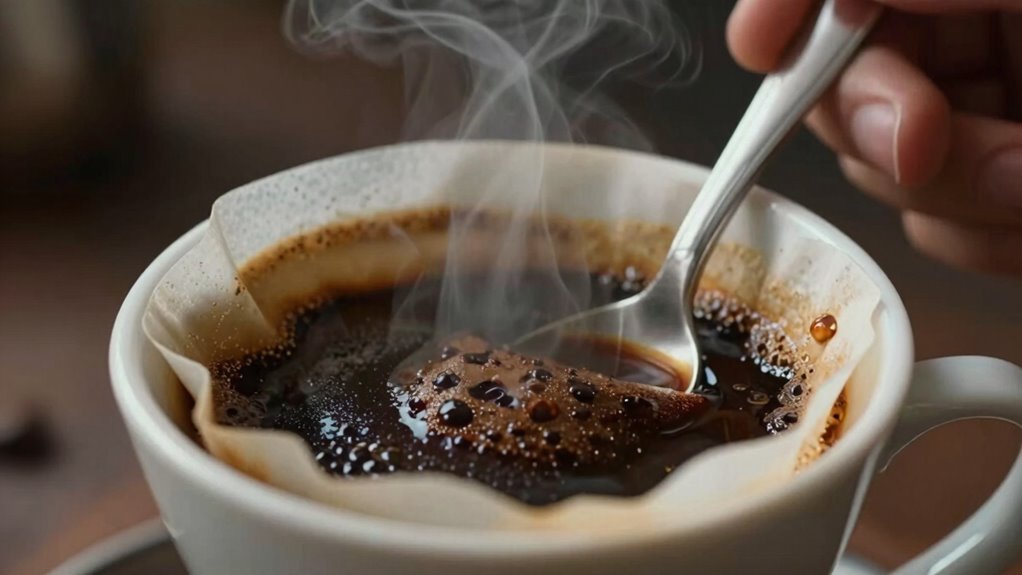
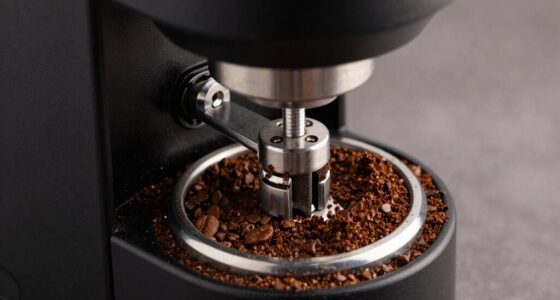
If your filter coffee tastes astringent, it’s likely due to over-extraction or poor brewing techniques. One common culprit is the coffee grind. Using a grind that’s too fine can cause water to pass through too slowly, increasing extraction time and pulling out undesirable compounds. This over-extraction can lead to that dry, puckering sensation in your mouth. Conversely, a grind that’s too coarse might cause under-extraction, but when it comes to astringency, fine or overly powdered coffee is often the issue. To fix this, ensure you’re using a grind size suited for filter brewing—usually medium-coarse—and adjust if you notice overly bitter or dry flavors.
Brewing temperature plays a significant role in the taste profile of your coffee. If the water’s too hot, it accelerates extraction, pulling out tannins and other polyphenols responsible for that drying, mouth-puckering sensation. Ideally, your brewing temperature should be around 195°F to 205°F (90°C to 96°C). Temperatures above this range risk over-extracting compounds that contribute to astringency, while lower temperatures can lead to under-extraction, resulting in weak, flat flavors. To maintain ideal brewing temperature, use a kettle with temperature control or measure the water before pouring. Also, consider the age and quality of your coffee beans, as stale beans can exacerbate astringent qualities.
When you combine an overly fine coffee grind with excessively hot water, you set the stage for astringency. The fine grind increases surface area, speeding up extraction and amplifying the impact of high temperatures. This combination often results in a mouth-drying, puckering feeling that detracts from the overall experience. To avoid this, start with a medium-coarse grind and stick to recommended brewing temperatures. A consistent grind size and temperature control will help you achieve a balanced extraction, highlighting the coffee’s best flavors without the unwanted dryness. Additionally, understanding the importance of accurate temperature control can help prevent over-extraction and improve your brewing results.
As an affiliate, we earn on qualifying purchases.
Frequently Asked Questions
Can Water Quality Affect Filter Coffee’s Taste?
Yes, water quality affects your filter coffee’s taste. If your water has high mineral content, it can make the coffee taste bitter or astringent, causing that drying mouth feeling. Also, water temperature influences extraction; too hot or cold water can alter flavor and increase astringency. Using clean, well-balanced water with ideal mineral levels and proper temperature helps you brew smoother, more flavorful coffee without unwanted drying sensations.
Does the Grind Size Impact Astringency?
Yes, grind size impacts astringency by affecting extraction balance. If you use a grind that’s too fine, you increase surface area, leading to over-extraction and a drying, astringent taste. Conversely, a coarser grind may under-extract, resulting in weak flavor. By adjusting your grind size, you can find the right extraction balance, reducing astringency and achieving a smoother, more enjoyable coffee experience.
How Does Brewing Time Influence Mouthfeel?
Brewing time directly impacts mouthfeel by affecting extraction balance. If you brew too long, you risk over-extracting bitter compounds, which can cause that drying, astringent sensation. Shorter brewing times may lead to under-extraction, resulting in a weak, flat taste. Adjust your brewing techniques based on your preferred flavor profile, aiming for a balanced extraction that prevents mouth drying and enhances the overall coffee experience.
Are Specific Coffee Beans More Prone to Astringency?
Yes, certain beans are more prone to astringency. Typically, beans from specific origins like African or Central American regions can have higher natural acidity, leading to astringent flavors. Additionally, roast level matters: lighter roasts tend to retain more acidity, increasing the likelihood of astringency, while darker roasts usually mellow out these sharp notes. Choosing beans from different origins and adjusting roast levels can help you avoid that drying, puckering mouthfeel.
Can Storage Methods Alter Coffee’s Flavor Profile?
Think of your coffee like a vintage record—its flavor can be preserved or ruined by how you store it. Using proper storage containers and humidity control, you can prevent flavor loss and staling. Keep beans in airtight containers away from light and moisture, ensuring freshness. This way, your coffee maintains its rich, nuanced profile, avoiding that bitter or astringent taste that comes from improper storage.
temperature controlled electric kettle
As an affiliate, we earn on qualifying purchases.
As an affiliate, we earn on qualifying purchases.
Conclusion
So, next time your filter coffee leaves that drying, astringent sensation, ask yourself—are you brewing it the right way? Proper grind size, water temperature, and brewing time can make all the difference. Don’t settle for an unpleasant experience; instead, experiment and refine your process. After all, isn’t coffee meant to energize and delight, not leave you with a dry mouth? Embrace the journey to a smoother, more balanced cup.
As an affiliate, we earn on qualifying purchases.
As an affiliate, we earn on qualifying purchases.
NFL season / tailgating Picks
team gear
As an affiliate, we earn on qualifying purchases.