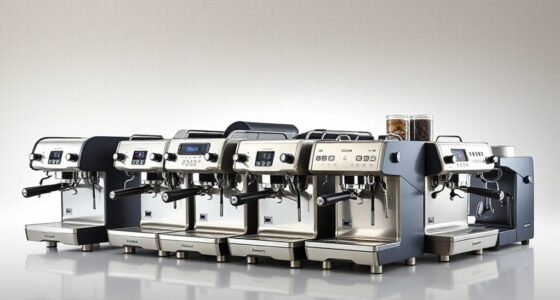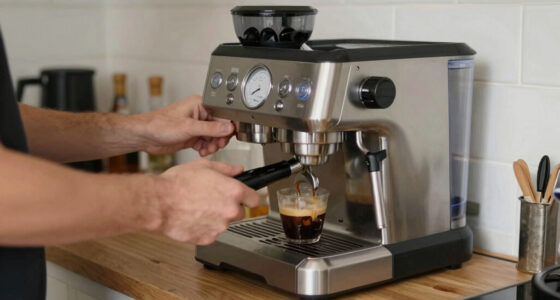
If you’re shopping for a spring lever espresso machine for cappuccinos, you’re chasing a particular kind of drink: a rich, syrupy shot under a generous cap of textured milk foam. After comparing the two most practical options available right now, I’d point most cappuccino drinkers toward the De’Longhi Classic Signature as the stronger all-around pick, thanks to its adjustable two-setting steam wand and one-touch presets. The De’Longhi Stilosa, meanwhile, is the better fit if counter space and simplicity matter more to you than microfoam control. The main tradeoff here is straightforward: the Classic Signature gives you more frothing precision and convenience, while the Stilosa keeps things manual, compact, and budget-friendly. Neither includes a grinder, so plan for pre-ground coffee or a separate grinder either way. Below, I break down exactly who each machine suits and why I ranked them the way I did.

Get kitchen gear delivered free with Prime
- Fast, free delivery on millions of items
- Prime Video, Amazon Music and more included
- Member-only deals all year
Complete the kit


Key Takeaways
- The Classic Signature’s two-setting adjustable steam wand is the key differentiator for cappuccino drinkers who want microfoam control, not just steamed milk.
- The Stilosa trades frothing sophistication for a smaller footprint and simpler manual operation — better for small kitchens and occasional cappuccinos.
- Both machines lack a built-in grinder, so fresh-ground beans require a separate purchase regardless of which model you choose.
- Thermoblock temperature control on the Classic Signature means faster warm-up and more stable shot-to-shot brewing than the Stilosa’s basic stainless boiler.
- If you drink cappuccinos daily and care about foam texture, the Classic Signature justifies its higher tier; casual drinkers can happily save money with the Stilosa.
| De’Longhi Classic Signature Espresso Machine with Adjustable Milk Frother |  | Best Overall | Pump Pressure: 15 bar | Temperature Control: Thermoblock technology | Milk Frother Settings: 2 (silky steamed milk, velvety microfoam) | VIEW ON AMAZON | See Our Full Breakdown |
| De’Longhi Stilosa Compact Manual Espresso Machine with Milk Frother | 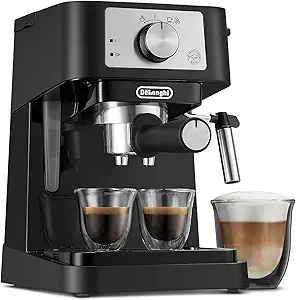 | Best Value | Brand: De’Longhi | Model: Stilosa | Type: Manual Espresso Machine | VIEW ON AMAZON | See Our Full Breakdown |
| spring lever espresso machine for cappuccino | Built-in Grinder | Frother Type | Pump Pressure | Temperature Control |
|---|---|---|---|---|
| De’Longhi Classic Signature Es | No | Adjustable steam wand | 15 bar | Thermoblock technology |
| De’Longhi Stilosa Compact Manu | No | Manual steam wand | — | — |
More Details on Our Top Picks
De’Longhi Classic Signature Espresso Machine with Adjustable Milk Frother
This option stands out for the thing cappuccino drinkers actually care about most: milk texture control. The two-setting adjustable steam wand lets you choose between silky steamed milk and velvety microfoam, and that difference is not cosmetic. A traditional cappuccino wants dense, paintable foam that sits on top of the espresso rather than collapsing into it, and this wand gives you a genuine shot at café-style results at home. Compared with the Stilosa, which offers a single manual frothing mode with no texture settings, this flexibility is the single biggest reason I ranked the Classic Signature first.
The Thermoblock temperature control is the other meaningful upgrade. Because it heats water on demand rather than warming an entire boiler, you get faster start-ups and more stable shot-to-shot temperatures — useful when you’re alternating between brewing and steaming for back-to-back cappuccinos. The 15-bar pump delivers consistent pressure for extraction, and the one-touch single and double espresso presets remove guesswork on groggy mornings.
The tradeoffs are real, though. There’s no built-in grinder, so you’ll either buy fresh-ground coffee or budget for a separate grinder — the same limitation the Stilosa has. It also sits at a higher tier than basic entry-level machines, which makes it harder to justify if you only make cappuccinos occasionally. But for a daily drinker who cares whether the foam holds its shape to the last sip, this model makes the most sense.
Pros:- Two-setting adjustable steam wand produces genuine microfoam for proper cappuccino foam texture
- Thermoblock technology delivers fast warm-up and stable temperatures shot after shot
- One-touch presets for single and double espresso remove daily guesswork
- Compact stainless-steel design fits standard countertops without dominating them
Cons:- No built-in grinder, so fresh-ground coffee requires separate equipment
- Priced above basic entry-level machines, which stings for occasional users
Best for: Daily cappuccino drinkers who want café-quality microfoam and preset convenience in a compact footprint.
Not ideal for: Casual or occasional espresso drinkers who won’t notice the difference between microfoam and ordinary steamed milk, or anyone hoping for an all-in-one machine with a grinder.
- Pump Pressure:15 bar
- Temperature Control:Thermoblock technology
- Milk Frother Settings:2 (silky steamed milk, velvety microfoam)
- Design:Compact stainless-steel
- Preset Recipes:Single and double espresso
- Built-in Grinder:No
- Frother Type:Adjustable steam wand
Our verdict“The strongest pick here for cappuccino lovers — its adjustable wand and stable temperatures directly address the two things that make or break the drink.”
De’Longhi Stilosa Compact Manual Espresso Machine with Milk Frother
Where the Classic Signature earns its spot through frothing sophistication, the Stilosa earns its place through restrained simplicity. This is a manual machine in the honest sense: you control the shot, you control the steam, and there are no presets papering over the learning curve. For someone who actually enjoys the ritual of making a cappuccino — tamping, pulling, steaming — that hands-on character is a feature, not a flaw. Compared with the Classic Signature, though, you give up the two-setting texture control, which means getting consistently dense cappuccino foam takes more practice and a steadier hand.
What you get in exchange is a durable stainless steel boiler that holds up over years of daily use and a footprint small enough to tuck under a cabinet on even a cramped counter. Cleanup is refreshingly simple: fewer electronic parts, fewer crevices, and included single and double filters that rinse clean quickly. The manual milk frother still produces respectable foam for cappuccinos and lattes — it just demands more technique than the Classic Signature’s guided wand.
The honest drawback is effort. Manual operation means every cup involves more steps than a preset-driven machine, and recovery between brewing and steaming is slower than the Thermoblock-equipped Classic Signature, which matters when you’re making two drinks in a row. Like its sibling, it lacks a grinder. Still, for a first espresso machine or a budget-conscious setup, this model is better suited than most: it teaches you the fundamentals without a painful investment.
Pros:- Compact, contemporary design fits tight counters and small kitchens
- Durable stainless steel boiler supports years of daily use
- Manual milk frother handles both cappuccino foam and latte milk
- Simple construction makes cleaning and maintenance quick
Cons:- Manual operation demands more effort and skill than preset-driven machines
- No built-in grinder, requiring separate equipment for fresh beans
- Single frothing mode offers less texture control than the Classic Signature’s two-setting wand
Best for: Beginners and budget-focused buyers who want to learn manual espresso skills and make solid cappuccinos in a small kitchen.
Not ideal for: Drinkers who want push-button convenience, fast back-to-back drinks, or precise microfoam without developing steaming technique.
- Brand:De’Longhi
- Model:Stilosa
- Type:Manual Espresso Machine
- Boiler Material:Stainless Steel
- Included Accessories:Portafilter, Single and Double Filters, Manual Milk Frother
- Cup Holder:Two-level adjustable
- Built-in Grinder:No
- Frother Type:Manual steam wand
Our verdict“A smart, durable entry point that trades convenience and frothing precision for simplicity and value — ideal for learning the craft.”

How We Picked
Since the goal here is specifically cappuccinos, I judged both machines primarily on milk frothing capability rather than espresso extraction alone. That means the steam wand — its adjustability, its texture range, and how forgiving it is — carried the most weight in my ranking. A cappuccino lives or dies on the foam, and a wand that can only produce wet, bubbly milk will disappoint no matter how good the shot underneath it is.
My second criterion was temperature stability. Pulling a shot and steaming milk in sequence punishes machines with slow recovery, so I favored designs with faster, more consistent heating. Third, I looked at daily usability: how much counter space the machine demands, how easy the cleanup is, and whether presets or manual controls better serve a morning routine. Finally, I weighed long-term durability — boiler material and build quality — because an espresso machine is a multi-year purchase, and cheap components tend to show up first in the steam system, exactly where cappuccino drinkers need reliability most.
| spring lever espresso machine for cappuccino | Frother Type |
|---|---|
| De’Longhi Classic Signature Es | Adjustable steam wand |
| De’Longhi Stilosa Compact Manu | Manual steam wand |
Factors to Consider When Choosing Spring Lever Espresso Machine For Cappuccinos
Choosing between these two machines comes down to a handful of questions about how you drink cappuccinos and how much involvement you want in making them. Here’s what I’d focus on before deciding.Steam Wand Capability
For cappuccinos specifically, the steam wand is the most important component — more important than pump pressure or presets. A cappuccino needs dense foam that holds its structure, and wands vary widely in their ability to produce it. The Classic Signature’s two-setting wand covers both silky steamed milk and microfoam, while the Stilosa’s single manual mode requires you to develop technique yourself. If foam quality is your priority, that difference alone settles the comparison.
Temperature Stability and Recovery
Making a cappuccino means brewing a shot and then steaming milk, in sequence. Machines with Thermoblock heating, like the Classic Signature, recover faster between these steps and hold temperature more consistently. A conventional stainless boiler, like the Stilosa’s, is durable but slower to bounce back, which shows up when you’re making a second drink or rushing through a morning. Single-drink households may never notice; households with two cappuccino drinkers will.
Manual vs. Preset Operation
There’s no wrong answer here, but there is a wrong match. Preset one-touch controls suit people who want repeatable results without thinking. Manual control suits people who enjoy the process and want to improve over time. The Stilosa rewards practice with better drinks; the Classic Signature delivers consistency from day one. Ask yourself honestly whether you want a hobby or a beverage.
Grinder Situation
Neither machine includes a grinder, which means your espresso quality is capped by your coffee’s freshness. Pre-ground coffee loses aroma within days of grinding, so if you’re buying either machine, I’d budget for at least a basic burr grinder. This levels the playing field between the two models but raises the total cost of either setup — worth knowing before you commit.
Counter Space and Cleanup
Both machines are compact by espresso standards, but the Stilosa is the smaller and simpler machine to live with, with fewer parts to disassemble and clean. If your counter is crowded or you dread post-cappuccino cleanup, that everyday friction matters more than any spec sheet suggests.
Frequently Asked Questions
Can these machines actually make true microfoam for cappuccinos?
Yes, though with different levels of ease. The Classic Signature’s two-setting wand includes a dedicated microfoam mode, which makes achieving that tight, velvety texture considerably more forgiving — you’re guiding the wand rather than fighting it. The Stilosa’s manual frother can produce good foam, but it depends heavily on your technique: wand angle, depth, and timing all matter, and it takes practice to get café-style results consistently. If microfoam is a hard requirement rather than a nice-to-have, the Classic Signature is the safer bet of the two.
Which machine is better for a complete beginner?
It depends on what kind of beginner you are. The Stilosa is better for someone who wants to learn espresso fundamentals — grinding, tamping, extracting, steaming — because its manual operation forces you to understand each step, and its lower cost makes mistakes less painful. The Classic Signature suits a beginner who just wants good cappuccinos immediately without a learning phase, since its presets and guided frothing deliver consistent results from the first week. If you see espresso-making as a skill to develop, choose the Stilosa; if you see it as a morning routine, choose the Classic Signature.
Do I need to buy a grinder separately?
Yes, for either machine. Neither the Classic Signature nor the Stilosa includes a built-in grinder, so you’ll need pre-ground coffee or a separate grinder. For the best cappuccinos, fresh grinding matters a great deal — ground coffee loses most of its volatile aromatics within days, and stale coffee produces flat, uninspiring shots no matter how good the machine is. A basic burr grinder is a worthwhile companion purchase, and it improves both machines equally since they share this limitation.
How do the two machines compare on durability?
Both are built around quality core components, but they take different approaches. The Stilosa’s stainless steel boiler is a proven, simple design with fewer failure points, and its lack of electronics means less that can break over years of use. The Classic Signature’s Thermoblock system prioritizes speed and stability over mechanical simplicity — it should still last for years of normal use, but it’s a more complex system. If maximum longevity with minimal maintenance is your priority, the Stilosa’s simpler construction has an edge; if daily performance matters more, the Classic Signature’s advantages outweigh that consideration.
Can either machine handle making multiple cappuccinos in a row?
Both can, but with noticeably different experiences. The Classic Signature’s Thermoblock heating recovers quickly between brewing and steaming, so a second cappuccino follows the first without a long wait. The Stilosa’s conventional boiler takes longer to return to steaming temperature after pulling a shot, which means slower back-to-back drinks. For a single person or a household where drinks are made one at a time, this rarely matters. For couples or entertaining guests, the Classic Signature handles sequential drinks more gracefully.
Conclusion
If you’re still deciding, here’s my simple breakdown by buyer type. Daily cappuccino drinkers who care about foam texture should get the De’Longhi Classic Signature — its two-setting adjustable wand, Thermoblock temperature stability, and one-touch presets directly serve the goal of a proper cappuccino every morning, and they justify the higher tier. Beginners, budget-conscious buyers, and small-space households should get the De’Longhi Stilosa — it teaches real espresso skills, its stainless boiler is built to last, and its compact footprint and easy cleanup make it a low-friction daily companion. If you’re making drinks for two or hosting regularly, lean toward the Classic Signature for its faster recovery. If your cappuccinos are an occasional weekend treat, save your money and enjoy the Stilosa. Either way, plan for fresh-ground coffee — both machines deserve better than a stale bag from the back of the pantry.
Halloween Picks
halloween
As an affiliate, we earn on qualifying purchases.