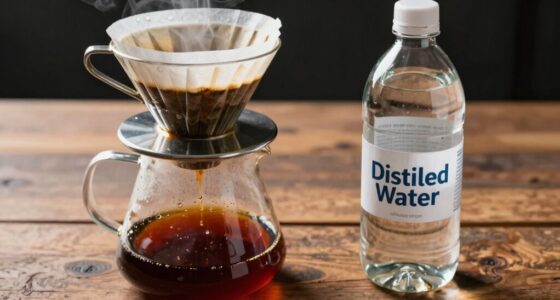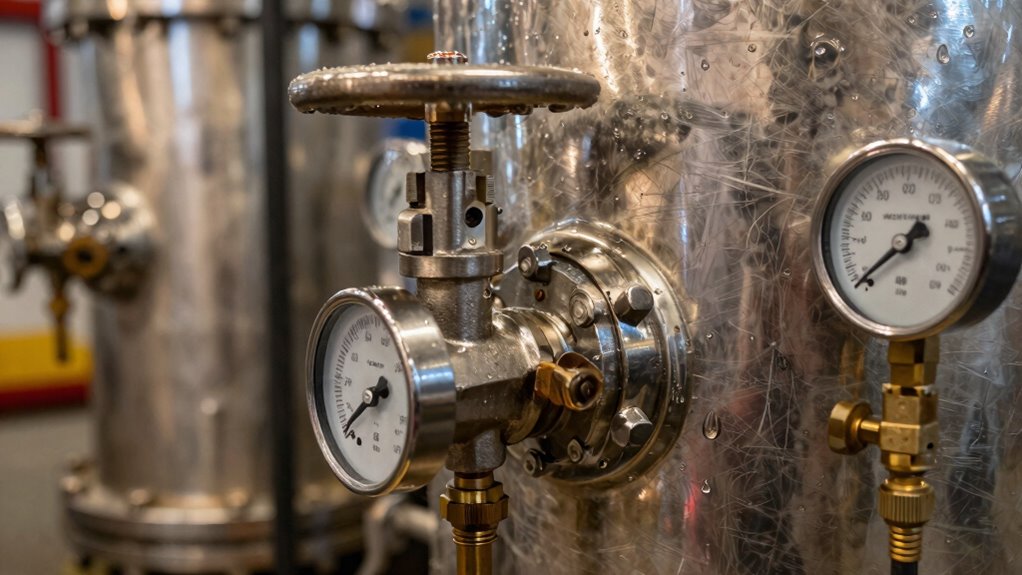
When you refill the boiler, pressure and temperature can temporarily fluctuate, which affects how your coffee extracts. If the machine takes longer to stabilize, your shots may turn out more bitter, sour, or weak. Machines with better temperature and pressure regulation recover faster, resulting in more consistent shots. Pay attention to when and how you refill—it can make a big difference. Keep exploring to learn how to keep your espresso quality steady no matter what.

Get kitchen gear delivered free — and shop member deals
- Fast, free delivery on millions of items
- Access to Prime Big Deal Days deals on October 6–7
- Prime Video, Amazon Music and more included
Key Takeaways
- Pressure fluctuations during refill can cause inconsistent extraction force, affecting shot flavor variability.
- Changes in water temperature after refill influence extraction temperature, impacting shot consistency.
- Machines with thermal stability features recover faster, reducing shot variability post-refill.
- Refiling immediately before brewing causes more noticeable shot differences due to pressure and temperature shifts.
- Proper machine maintenance and technique help minimize shot differences caused by boiler refilling.
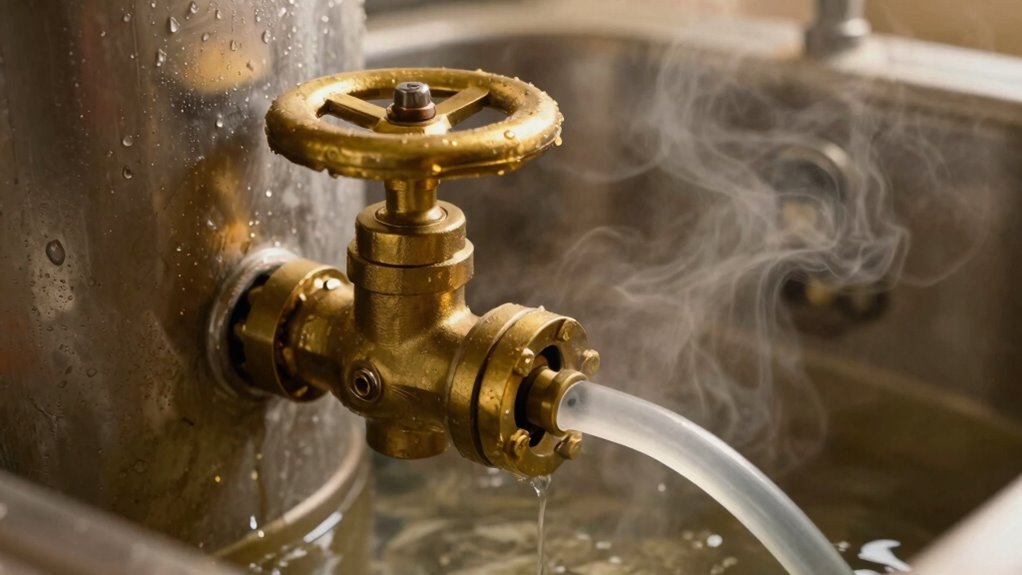
Have you ever noticed that some espresso shots change in flavor or consistency after a boiler refill, while others stay the same? It’s a common experience, and understanding why can help you achieve more consistent results. The key factors influencing these changes are steam pressure and water temperature, both of which are directly affected by the boiler refill process.
When your espresso machine’s boiler runs low and needs refilling, the process often causes fluctuations in steam pressure. The boiler’s pressure system is designed to maintain a specific level, but during a refill, the sudden influx of water can cause temporary drops or spikes in steam pressure. These pressure shifts impact how forcefully hot water is pushed through the coffee grounds. Higher steam pressure generally results in a more intense extraction, pulling out different flavors compared to shots pulled under lower pressure. If the pressure isn’t stabilized quickly after a refill, you might notice your shots tasting more bitter or overly acidic.
Water temperature is equally affected by a boiler refill. The boiler maintains a set temperature to guarantee ideal extraction. When you add water, especially if it’s cooler or warmer than the boiler’s current temperature, it can temporarily alter the overall water temperature inside the boiler. This temperature fluctuation influences the temperature of the water that passes through the coffee grounds. Since water temperature is vital for extracting the right balance of flavors, even slight shifts can cause noticeable differences in the shot’s taste and texture. For instance, if the water is cooler immediately after a refill, you’ll likely see a less vibrant, under-extracted shot. Conversely, if the temperature spikes, the shot may taste overly bitter or burnt. Proper machine maintenance can also play a role in minimizing variability caused by boiler refills. Additionally, some machines have thermal stability features, which help maintain consistent temperatures during refills, reducing these fluctuations. When these features are lacking or malfunctioning, the impact of refilling becomes even more pronounced.
Some espresso machines are equipped with temperature stabilizers and pressure regulators that help mitigate these effects, but others rely on manual adjustments. If your machine lacks these features, you might experience more variability. Additionally, the timing of the refill matters; refilling just before pulling a shot can cause more noticeable changes compared to refilling well ahead of time, giving the machine a chance to stabilize. The overall machine design and build quality can significantly influence how quickly your machine recovers from a refill. Proper pre-wetting techniques can also aid in achieving more stable shot quality during these fluctuations. Furthermore, understanding the machine’s pressure recovery time can help you plan refills to minimize shot inconsistencies.
Ultimately, the reason some shots change more than others after a boiler refill boils down to how quickly the machine recovers its perfect steam pressure and water temperature. The quicker your machine stabilizes these factors, the more consistent your espresso shots will be. Paying attention to these subtle shifts and possibly making small adjustments can help you maintain a reliable quality of espresso, even after refills.
Frequently Asked Questions
Can Water Quality Affect Boiler Refill Shot Consistency?
Yes, water quality can affect boiler refill shot consistency. When water has high mineralization, minerals can build up inside the boiler, leading to uneven heating and shot inconsistencies. Additionally, if the pH balance isn’t correct, it can cause corrosion or scale buildup, which impacts the boiler’s performance. Using water with proper mineralization levels and balanced pH helps maintain consistent shot quality and prolongs your equipment’s lifespan.
Do Different Coffee Bean Types Influence Shot Variability?
Different coffee bean types do influence shot variability because of factors like coffee bean density and roast level variability. Denser beans often require more force to extract, leading to inconsistent shots. Similarly, roast level variability affects how evenly water penetrates the beans, impacting shot quality. So, when you switch beans, you might notice differences in shot consistency due to these factors, requiring adjustments in your brewing process.
How Does Ambient Temperature Impact Boiler Refill Performance?
Think of your boiler as a delicate dance partner, responding to the environment’s rhythm. When ambient humidity rises or pressure fluctuates, the boiler’s performance shifts, much like a dancer adjusting to changing music. Higher temperatures can cause the boiler to refill unevenly, impacting shot consistency. These environmental factors influence how smoothly the boiler refills, leading to variations in your espresso shots, making each one a unique experience.
Is Machine Age a Factor in Shot Inconsistency?
Yes, machine age can affect shot consistency due to age-related wear and calibration issues. As your machine gets older, parts may wear out or become less accurate, leading to inconsistent pressure and temperature during brewing. Regular machine calibration helps counteract these effects, ensuring each shot remains consistent. If your machine’s age is causing trouble, consider servicing or replacing worn components to maintain peak performance and shot quality.
Can User Technique Cause Differences in Refill Shots?
Yes, your technique can cause differences in refill shots. For instance, if you vary your tamping pressure, it affects water flow and extraction. A case study showed that inconsistent tamping led to uneven shots, with some over-extracted and others under-extracted. Your barista technique, especially tamping pressure, directly influences shot quality. Consistent tamping guarantees uniform water flow, resulting in more predictable, balanced espresso shots.
Conclusion
Understanding why boiler refill affects some shots more than others helps you maintain consistent espresso quality. Think of your boiler as the heart of your machine’s rhythm—if it’s out of sync, so are your shots. Regular maintenance and awareness of your machine’s behavior keep the heartbeat steady, ensuring each shot hits the right note. With a little attention, you’ll keep your espresso flowing smoothly, turning every cup into a symphony of flavor.
Fall Picks
fall essentials
As an affiliate, we earn on qualifying purchases.