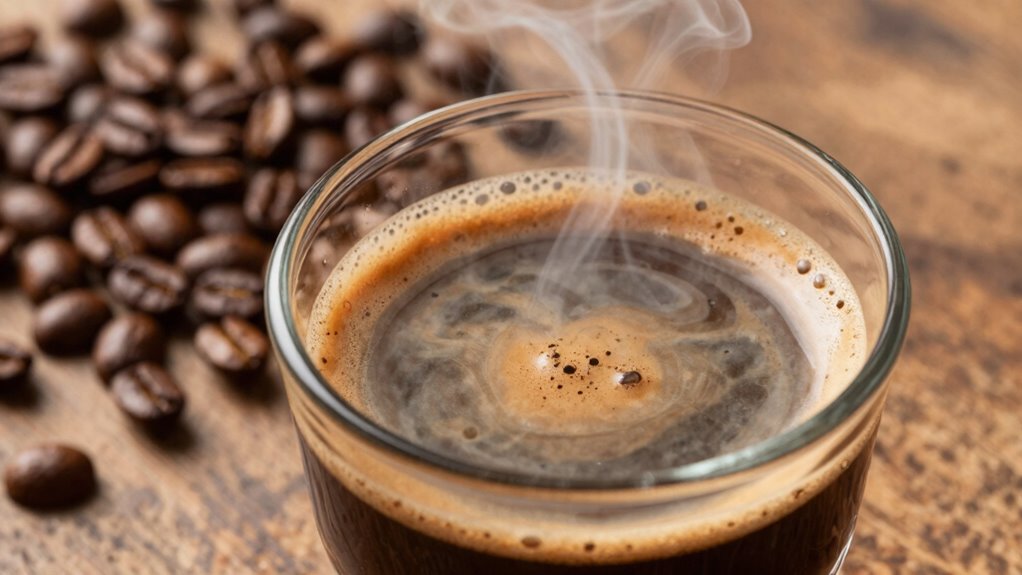

Even high-quality beans can produce bad espresso if you don’t control key variables like grind size and water temperature. If the grind is too fine or too coarse, the extraction can become bitter or weak. Too hot or too cold water can also lead to over- or under-extraction, ruining the flavor. Fine-tuning these factors can make a huge difference, and understanding how to keep them consistent is essential for great espresso every time. Keep exploring to improve your brewing skills.

Get kitchen gear delivered free with Prime
- Fast, free delivery on millions of items
- Prime Video, Amazon Music and more included
- Member-only deals all year
Key Takeaways
- Incorrect grind size can cause improper extraction, leading to weak or bitter espresso despite good beans.
- Water temperature outside the ideal range (195°F-205°F) can result in under- or over-extracted, poor-tasting shots.
- Inconsistent tamping pressure or extraction time can negatively affect flavor quality.
- Poor control of brewing variables such as flow rate and pressure impacts final espresso flavor.
- External factors like uneven tamping or equipment issues can hinder proper extraction regardless of bean quality.
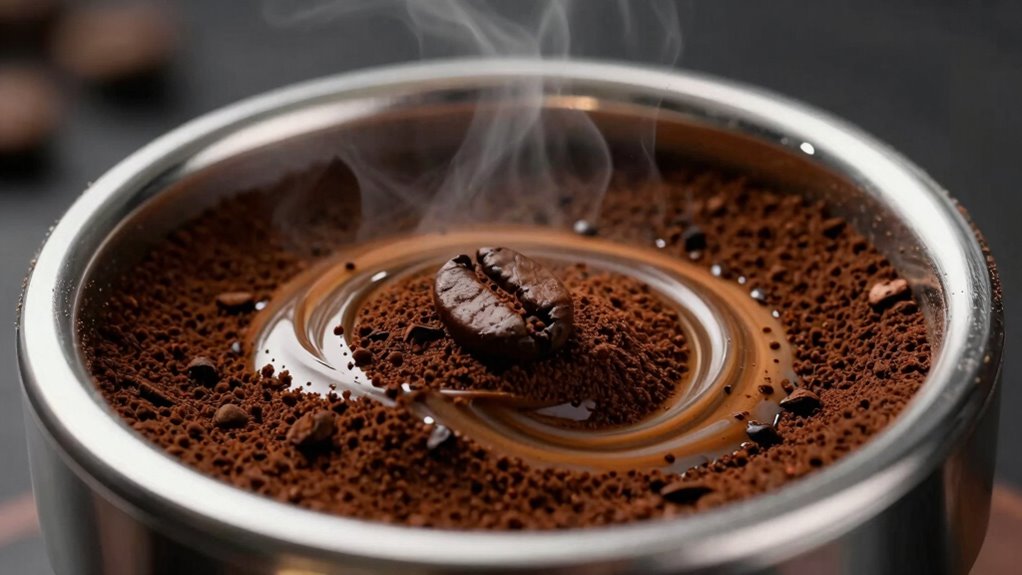
Even when you start with high-quality beans, your espresso can still turn out disappointing. The reason often isn’t the beans themselves but the variables involved in brewing. Two key factors that significantly influence your shot are grind size and water temperature. If either isn’t just right, even the best beans can produce a weak, bitter, or flat espresso.
Grind size is crucial because it controls how water interacts with the coffee. If your grind is too coarse, water flows through too quickly, resulting in under-extraction. That means your espresso will taste watery, sour, or sharp because it hasn’t had enough contact time to extract the full flavor. On the other hand, if your grind is too fine, the water struggles to pass through, leading to over-extraction. This can cause a bitter, burnt, or overly strong taste, masking the nuanced flavors in your beans. Achieving the right grind size takes some experimentation, especially since different beans and roast levels respond differently. Paying attention to extraction techniques can help you fine-tune this process. Additionally, understanding brew time and its relationship to grind size can further improve your results. Sometimes, adjusting the dose of coffee can also impact extraction efficiency and flavor balance.
Water temperature is just as important. Ideally, you want your water between 195°F and 205°F (90°C to 96°C). If the water’s too hot, it can over-extract the coffee, pulling out bitter compounds and resulting in a harsh taste. Too cold, and the extraction won’t be thorough enough, leaving your espresso weak and sour. A stable temperature ensures that the coffee’s oils and flavors are extracted evenly. Many espresso machines have temperature controls, but if yours doesn’t, you might find that pre-warming your cup and adjusting your brew time can help manage temperature fluctuations.
Getting both grind size and water temperature right requires some trial and error. For instance, if your espresso is consistently bitter, try a slightly coarser grind and check your water temperature—maybe it’s too hot. If it’s too sour or weak, try a finer grind and ensure your water isn’t too cold. Small adjustments make a big difference in the final taste. Also, remember that even small variations in tamping pressure or extraction time can influence the outcome.
Ultimately, brewing great espresso isn’t just about having good beans but about controlling these variables precisely. When you pay close attention to grind size and water temperature, you optimize the extraction process. Proper temperature control can make the difference between a flat brew and a rich, full-bodied shot — instead of settling for a disappointing brew.
espresso grinder with adjustable grind size
As an affiliate, we earn on qualifying purchases.
As an affiliate, we earn on qualifying purchases.
Frequently Asked Questions
Can Water Quality Affect Espresso Taste?
Yes, water quality can definitely affect your espresso taste. When water has high mineralization or an imbalanced water pH, it can overpower or mute the beans’ flavors. Hard water with excess minerals might make your espresso taste off, while too soft or acidic water can dull the extraction. Using filtered water with balanced mineralization and a neutral pH guarantees your espresso’s flavor shines through.
Does Grind Size Impact Espresso Quality?
Think of your espresso as a delicate symphony; the grind size is the conductor’s baton. When you adjust particle size and maintain grind consistency, you direct the flavor’s flow, ensuring harmony. Too fine, and you risk bitterness; too coarse, and the brew becomes weak. By fine-tuning these elements, you reveal the true potential of your beans, transforming each shot into a rich, balanced masterpiece.
How Does Machine Temperature Influence Extraction?
Machine temperature critically influences extraction, impacting flavor and strength. When the temperature isn’t stable, it causes inconsistent extraction, leading to weak or overly bitter espresso. You should aim for temperature stability, ensuring your machine maintains a steady temperature throughout the process. This consistency helps you achieve reliable extraction results, producing balanced espresso with ideal flavor and crema. Regularly check your machine’s temperature settings and maintenance to keep extraction consistent and your espresso tasting great.
Is Freshness More Important Than Bean Origin?
They say, “Don’t judge a book by its cover,” but when it comes to coffee, freshness often trumps bean origin. You should prioritize proper bean storage and choose the right roast level to keep your beans fresh. Fresh beans reveal vibrant flavors, regardless of origin. Over time, beans lose their aroma and complexity, so even the finest origin can’t save stale beans. Focus on freshness for a consistently great espresso.
Can Tamping Pressure Ruin Good Beans?
Yes, tamping pressure can ruin good beans if you’re inconsistent. Too much pressure can over-compact the coffee, leading to slow extraction and bitterness. Too little causes under-extraction, resulting in weak flavor. Tamping consistency is key, regardless of bean roast level. Focus on applying steady, even pressure to guarantee ideal extraction, so your good beans can shine through without being compromised by uneven tamping.
digital coffee water temperature thermometer
As an affiliate, we earn on qualifying purchases.
As an affiliate, we earn on qualifying purchases.
Conclusion
Even with top-quality beans, bad espresso can still happen due to factors beyond the beans themselves. Variables like grind size, tamping pressure, and machine temperature play essential roles. Notably, a study found that inconsistent tamping alone can reduce extraction quality by up to 25%. So, if your beans are good but your shot still falls flat, it’s worth checking every step of your brewing process. Sometimes, small tweaks make all the difference.
espresso machine temperature control
As an affiliate, we earn on qualifying purchases.
As an affiliate, we earn on qualifying purchases.
As an affiliate, we earn on qualifying purchases.
Fall Picks
fall essentials
As an affiliate, we earn on qualifying purchases.