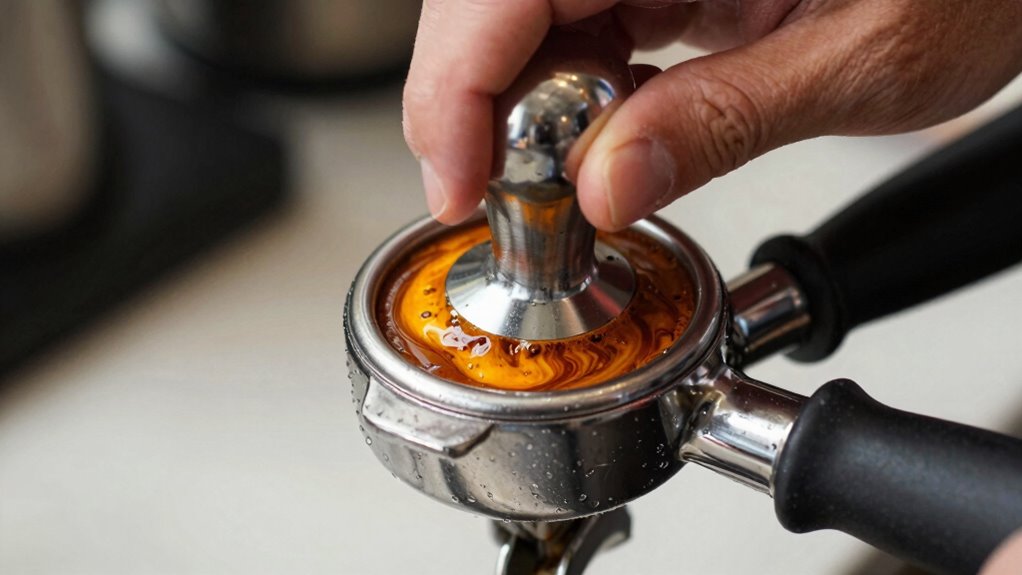

The processing methods that influence espresso flow more than you might realize are fermentation and drying techniques. These steps shape the internal structure of the beans, affecting porosity, solubility, and how water interacts during brewing. Proper fermentation and drying guarantee even extraction and steady flow, while neglecting them can cause sputtering or uneven streams. Your understanding of these processes helps produce consistent, high-quality shots. If you’re curious, there’s more behind how these unseen steps impact your espresso’s flow and flavor.

Get kitchen gear delivered free — and shop member deals
- Fast, free delivery on millions of items
- Access to Prime Big Deal Days deals on October 6–7
- Prime Video, Amazon Music and more included
Key Takeaways
- Fermentation duration and control influence bean porosity, affecting water flow during brewing.
- Proper drying techniques ensure uniform internal structure, promoting steady espresso extraction.
- Excessive or inconsistent fermentation creates irregular internal defects, causing uneven flow.
- Inadequate or uneven drying leads to cracks, disrupting water passage and shot consistency.
- Processing methods directly impact bean permeability, significantly shaping espresso flow and overall quality.
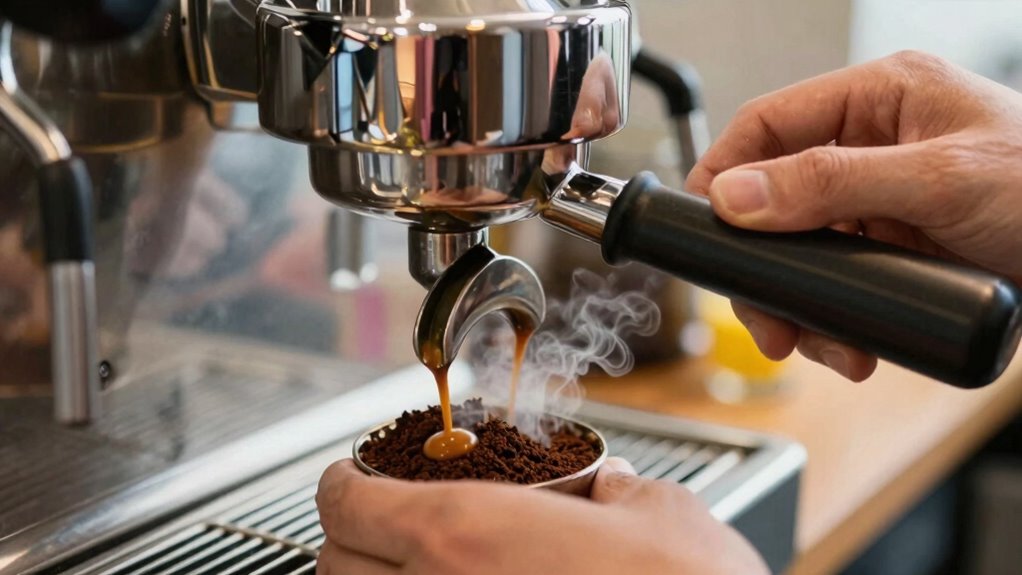
Have you ever wondered how a simple change in processing methods can alter the flow of your espresso? It’s often the small details in how coffee beans are processed that have a big impact on the final shot. One of the most influential steps is coffee fermentation. This stage involves the natural or controlled breakdown of the bean’s mucilage after harvest, and it shapes the bean’s flavor profile, acidity, and body. A longer or more controlled fermentation can develop complex flavors, but it also influences how the bean responds during brewing. If fermentation is too lengthy or inconsistent, it can cause irregular extraction, making your espresso flow uneven or underwhelming. Conversely, a well-managed fermentation process ensures the beans are primed for optimal extraction, leading to a smoother, more balanced shot.
Proper fermentation ensures balanced extraction and a smoother, more consistent espresso shot.
Another critical factor is bean drying techniques. After fermentation, beans need to be dried to a specific moisture level to prevent mold and preserve quality. The method of drying—whether sun-drying, mechanical drying, or a combination—affects how uniformly the beans dry, which in turn impacts their internal structure. Proper drying techniques help maintain bean integrity, ensuring consistent porosity and solubility during extraction. If beans are dried too quickly or unevenly, cracks and internal defects may develop, leading to inconsistent flow or channeling during espresso extraction. This inconsistency not only affects the visual flow but also distorts flavor extraction, making your espresso either too watery or overly bitter. Additionally, understanding the impact of drying methods can help optimize your process for better extraction.
By controlling the fermentation process and drying techniques, you can influence the internal properties of the beans, which directly affects how water interacts with them during brewing. When fermentation is carefully managed and drying is conducted with precision, the beans open up uniformly during extraction. This results in a steady, even flow, allowing the water to extract flavors consistently from start to finish. Properly managing processing techniques ensures a more predictable and high-quality espresso shot. Additionally, an understanding of how post-harvest handling impacts bean quality can help you troubleshoot issues with flow and extraction more effectively. On the other hand, neglecting these steps can lead to a disrupted flow, with shots that sputter or pour unevenly, affecting taste and aroma. So, it’s clear that these processing choices hold more sway over your espresso than you might initially realize.
In essence, understanding and mastering coffee fermentation and bean drying techniques give you greater control over the entire brewing process. By paying attention to these steps, you can influence how your espresso flows, ensuring a richer, more precise cup every time. The next time you brew, consider how these processing methods might be shaping your shot—because the secret to better espresso often lies in the unseen details behind the scenes.
As an affiliate, we earn on qualifying purchases.
Frequently Asked Questions
How Does Processing Affect Espresso Flavor Profiles?
Processing impacts your espresso flavor profiles considerably through fermentation techniques and drying procedures. Fermentation develops complex flavors, sometimes adding fruity or tangy notes, while drying methods influence sweetness and body. Longer fermentation can enhance acidity, and sun-drying might bring out richer, deeper flavors. You’ll notice these differences in your cup’s aroma and taste, making processing choices essential for crafting unique espresso profiles tailored to your preferences.
Which Processing Method Is Best for a Balanced Espresso?
You should try the washed processing method for a balanced espresso. It’s renowned for flavor consistency and processing versatility, making your espresso reliably smooth and bright. Many baristas prefer it because it highlights the beans’ natural flavors without overpowering them. This method guarantees your espresso maintains a harmonious profile, offering a well-rounded taste that appeals to a broad range of palates, making it an excellent choice for balanced coffee.
Can Processing Techniques Be Combined for Unique Flavors?
Yes, you can definitely combine processing techniques for unique flavors. By blending methods like wet and dry processing, you create a technique fusion that results in complex flavor blending, highlighting different aspects of the bean’s profile. This approach allows you to experiment with flavor layers, making your espresso more distinctive. Just make certain you understand each method’s impact so the final blend balances well and highlights your desired flavor characteristics.
How Do Processing Methods Impact Coffee Bean Shelf Life?
Processing methods like fermentation techniques and drying methods greatly influence your coffee bean’s shelf life. Proper fermentation guarantees fewer residual sugars and microbial activity, preventing spoilage. Drying methods, especially thorough and even drying, reduce moisture content, slowing mold growth and deterioration. If you use ideal fermentation and drying processes, your coffee beans stay fresh longer, maintaining quality and flavor, giving you a better brew over time.
Are Certain Processing Methods More Environmentally Sustainable?
Certain processing methods are more environmentally sustainable, especially those with organic certification. They often prioritize eco-friendly practices like water conservation, reducing water usage during processing. For example, natural and honey processes typically use less water compared to washed methods, making them better for the environment. By choosing coffees with organic certification and sustainable processing, you support eco-conscious farming and help minimize environmental impact.
As an affiliate, we earn on qualifying purchases.
Conclusion
Now that you know how different processing methods can tweak your espresso’s flow, you’re like a barista with a secret recipe up your sleeve. Think of each technique as a musical note—play them right, and your brew will sing with flavor and richness. With a little experimentation, you’ll master the rhythm of extraction, turning every shot into a symphony of aroma and taste. So go ahead, dance to the beat of your perfect espresso!
espresso shot flow control tools
As an affiliate, we earn on qualifying purchases.
As an affiliate, we earn on qualifying purchases.
As an affiliate, we earn on qualifying purchases.
Fall Picks
fall essentials
As an affiliate, we earn on qualifying purchases.