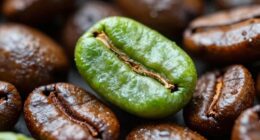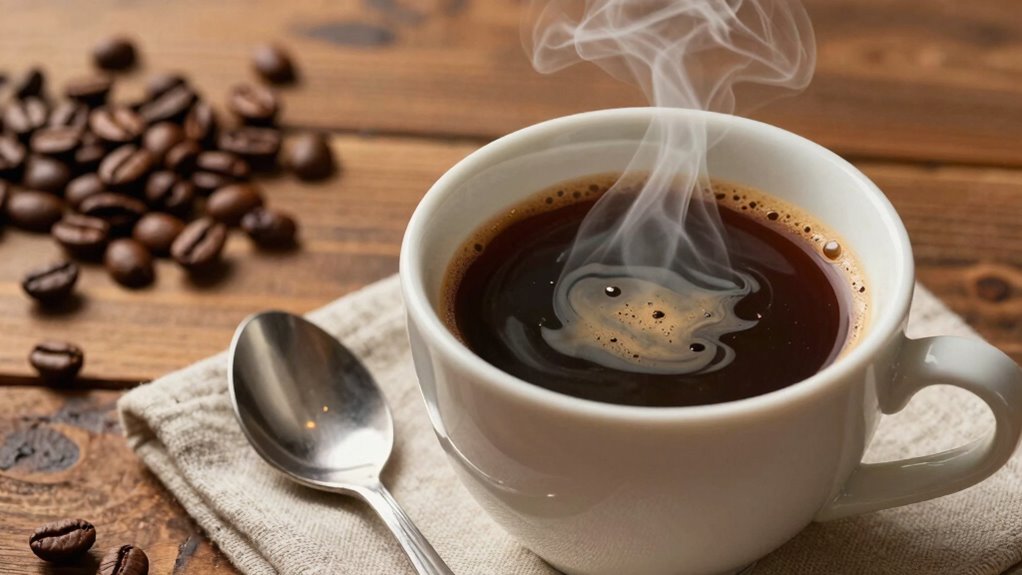

Decaffeinated coffee needs a different approach because the decaffeination process can strip away flavor compounds, making the taste less predictable. You might find that decaf batches vary more in quality and require adjustments in brewing, like grind size and extraction time, to bring out their best. Plus, decaf’s nuanced flavor profile needs careful handling to avoid dullness. If you want to release the full potential of your decaf, you’ll find there’s more to discover.

Get kitchen gear delivered free — and shop member deals
- Fast, free delivery on millions of items
- Access to Prime Big Deal Days deals on October 6–7
- Prime Video, Amazon Music and more included
Key Takeaways
- Decaffeination processes can strip away flavor compounds, requiring different roasting and brewing techniques to enhance taste.
- Variability in decaf batches affects flavor consistency, necessitating tailored handling and blending approaches.
- Residual caffeine levels influence flavor and brewing adjustments, making decaf preparation more nuanced.
- Different decaffeination methods impact flavor retention and stability, demanding specific extraction techniques.
- Decaf beans often need unique brewing parameters to compensate for reduced oils and aromatic compounds.
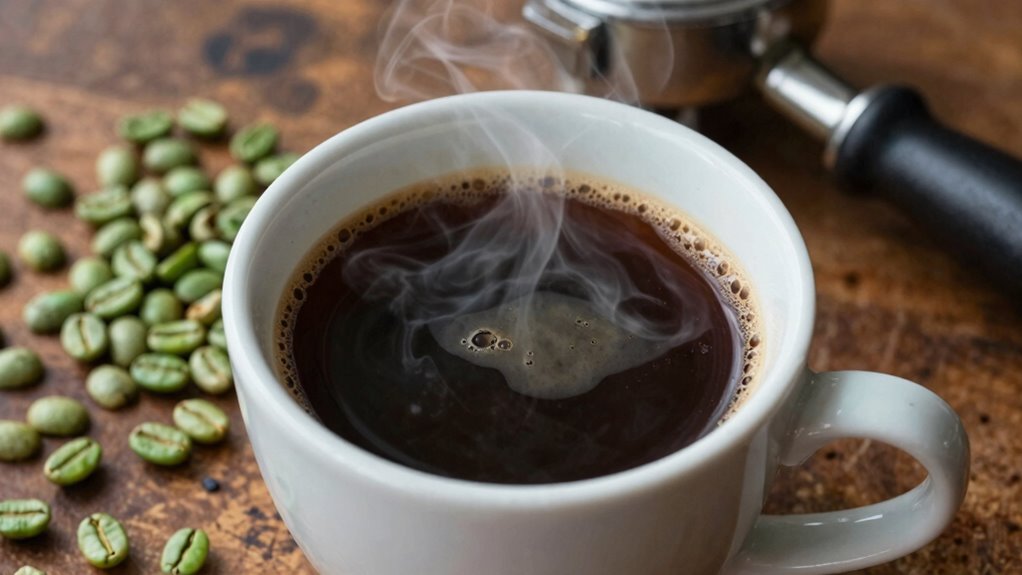
Have you ever wondered if decaffeinated coffee can truly match the flavor and experience of regular brew? It’s a common question among coffee lovers, and the answer isn’t always straightforward. The challenge lies in the fact that decafs often require a completely different approach to brewing and processing, especially when it comes to maintaining flavor consistency and caffeine stability. Unlike regular coffee, where the beans’ natural oils and compounds create a rich, predictable flavor profile, decaffeinated beans tend to lose some of that complexity during the decaffeination process. This means you need to be more deliberate with how you handle and prepare them to achieve a satisfying cup.
Flavor consistency is one of the biggest hurdles with decafs. Since the decaffeination process can strip away some of the beans’ aromatic oils and flavor compounds, each batch may taste slightly different if not carefully managed. This inconsistency can frustrate even the most dedicated coffee drinkers, making it clear that a different approach is necessary. You might find that specific decaf beans respond better to particular brewing methods or require adjustments in grind size and extraction time. To truly replicate the flavor profile of regular coffee, roasters and baristas often experiment with blending or post-roast treatments to enhance flavor stability and ensure each cup is as balanced as possible. Additionally, understanding the decaffeination process used can help consumers select beans that meet their flavor and caffeine expectations.
Decaf’s flavor varies; precise handling and blending are key to achieving balanced, consistent coffee experiences.
Caffeine stability is another critical factor that sets decaf apart. While the goal is to remove most of the caffeine, some residual caffeine remains, and maintaining a consistent caffeine level is essential for those relying on decaf for health or lifestyle reasons. During processing, if caffeine isn’t uniformly extracted or if the decaffeination method varies significantly, the caffeine content can fluctuate. This inconsistency can influence not just the stimulant effects but also how the flavor develops during brewing. To counter this, producers often adopt specific decaffeination techniques—such as Swiss Water or supercritical CO2 extraction—that provide more control over caffeine removal, thereby ensuring greater caffeine stability from batch to batch. Moreover, advancements in decaffeination technology have made it possible to better preserve the original flavor profile while effectively removing caffeine. It’s also important to note that the choice of decaffeination method can impact the overall flavor retention, further emphasizing the need for precise processing. Developing a comprehensive understanding of these processing techniques can help baristas and consumers better tailor their brewing methods for optimal results.
Ultimately, decafs need a different approach because of these nuanced challenges. Addressing flavor consistency requires careful handling and sometimes innovative techniques, while maintaining caffeine stability demands precise processing methods. The result is a product that can, with the right care, offer a satisfying coffee experience that rivals regular brews. You just have to be mindful of these differences and adapt your brewing process accordingly, recognizing that decaffeinated coffee isn’t just a smaller version of the regular—it’s a different art altogether.
best grind size for decaf coffee
As an affiliate, we earn on qualifying purchases.
As an affiliate, we earn on qualifying purchases.
Frequently Asked Questions
How Do Decafs Differ in Flavor From Regular Coffees?
Decafs often have different flavor profiles compared to regular coffees because the decaffeination process can dull some aromatic oils and flavors. You might notice a milder, sometimes flatter taste, with less complexity. Bean origins also play a role—certain regions produce beans with distinct flavors that decaffeination may diminish more than others. So, when choosing decaf, consider both flavor profiles and bean origins to find a satisfying cup.
Are Decaf Beans More Expensive Than Regular Coffee Beans?
Decaf beans are often more expensive than regular coffee beans due to decaf pricing and coffee bean costs. The decaffeination process adds extra steps, increasing production costs. You might notice higher prices at the store or café, reflecting these added expenses. So, when you buy decaf, you’re paying a bit more because of the extra work involved in removing caffeine while preserving flavor.
Can Decaf Coffee Be Made From Any Coffee Bean Variety?
Yes, decaf coffee can be made from virtually any coffee bean variety. During decaf processing, bean selection is essential because different beans respond uniquely to the decaffeination methods, like Swiss Water or CO2 extraction. You need to choose beans with the right characteristics to preserve flavor and quality after decaffeination. So, while most beans are suitable, selecting the right variety guarantees a better-tasting decaf coffee.
What Are the Health Benefits of Decaffeinated Coffee?
Decaffeinated coffee delivers diverse health benefits thanks to caffeine reduction and antioxidant abundance. You can enjoy lower caffeine levels, reducing jitters and sleep disturbances, while still savoring the rich, roasted flavors. Decaf’s health implications include potential heart health support, decreased anxiety, and improved digestion. By choosing decaf, you get a guilt-free, gut-friendly beverage that promotes well-being without the caffeine crash, making it a smart and soothing sip.
How Long Does the Decaffeination Process Take?
The decaffeination process typically takes between 8 to 24 hours, depending on the method used. You’ll find various decaffeination methods like the Swiss Water Process, CO2 method, and solvent-based techniques. These caffeine extraction techniques involve soaking or using solvents to remove caffeine from beans. The duration varies, but most decaffeination methods aim for efficiency without compromising flavor, ensuring you get quality decaf coffee in a reasonable time.
decaf coffee brewing thermometer
As an affiliate, we earn on qualifying purchases.
As an affiliate, we earn on qualifying purchases.
Conclusion
Understanding that decaf coffee isn’t one-size-fits-all helps you appreciate its unique needs. Just like a delicate dance, each decaf requires a tailored approach to bring out its best flavor without losing its soul. When you adapt your methods, you reveal a richer, more satisfying cup. Remember, treating each decaf like a rare gem rather than a cheap substitute transforms your brewing experience into an art form—turning everyday sips into moments of genuine delight.
coffee extraction timer for decaf
As an affiliate, we earn on qualifying purchases.
As an affiliate, we earn on qualifying purchases.
decaf coffee beans with stable caffeine content
As an affiliate, we earn on qualifying purchases.
As an affiliate, we earn on qualifying purchases.
Evergreen bestsellers Picks
bestsellers
As an affiliate, we earn on qualifying purchases.