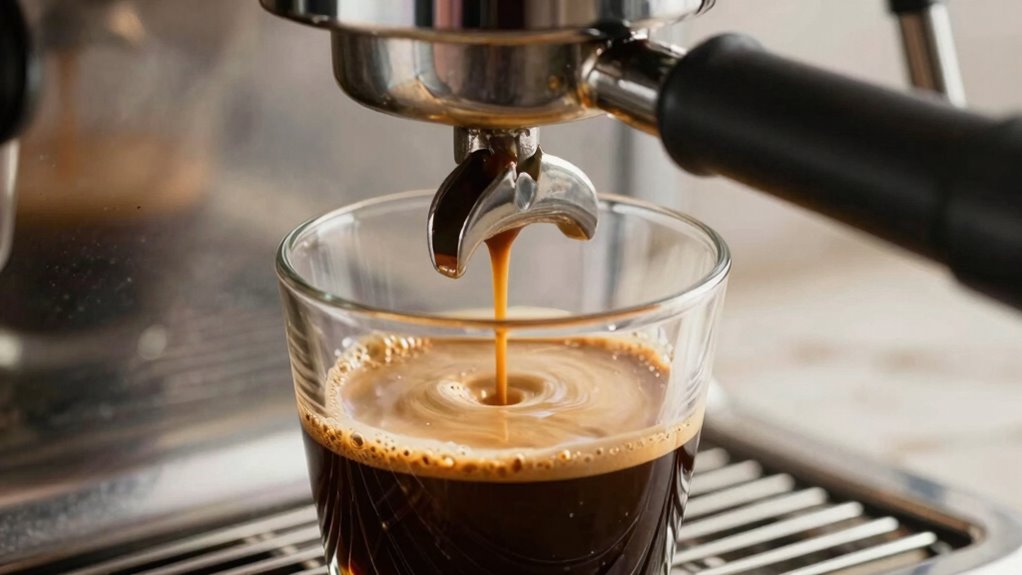

Even when everything seems the same, tiny changes in your equipment, environment, or technique can cause espresso to taste different. Small fluctuations in water pressure, grind size, tamping pressure, or ambient humidity subtly impact extraction and flavor. These minor variables often go unnoticed but gradually affect consistency. Paying attention to these subtle factors helps maintain stable results. Keep exploring how these small influences can make a big difference in your espresso quality.

Get kitchen gear delivered free with Prime
- Fast, free delivery on millions of items
- Prime Video, Amazon Music and more included
- Member-only deals all year
Key Takeaways
- Small equipment performance fluctuations, like scale buildup or worn seals, subtly alter extraction consistency.
- Environmental changes, such as humidity or temperature shifts, impact coffee behavior during extraction.
- Minute variations in tamping pressure or grind distribution can cause flavor and flow inconsistencies.
- Slight differences in grind size or dosing accumulate, leading to flavor variability over time.
- Regular maintenance and technique discipline help mitigate subtle factors causing espresso drift.
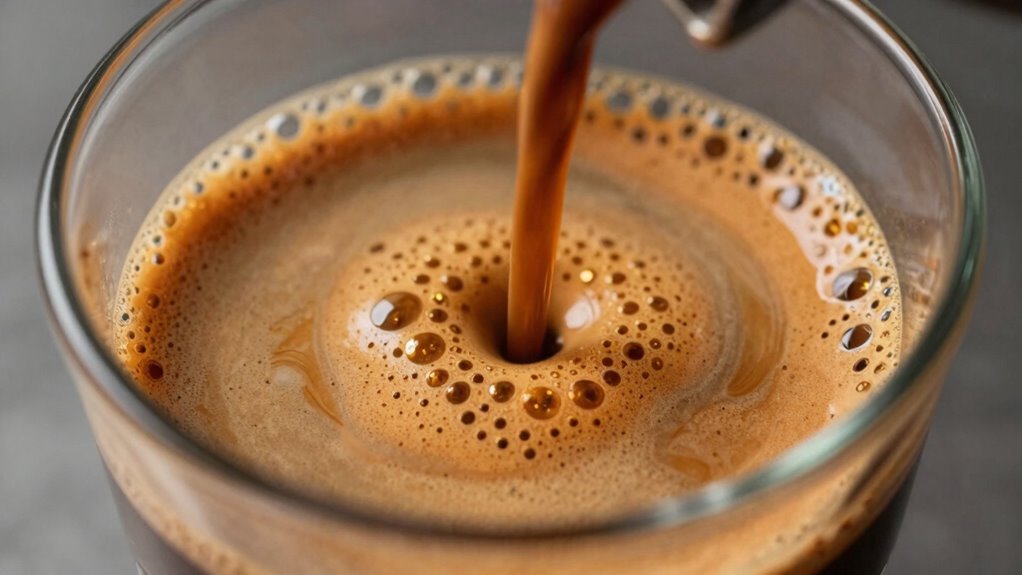
Espresso drift happens when the espresso shot veers from its intended path, often resulting in uneven extraction and inconsistent flavor. Even when nothing seems obviously different—no change in grind size, tamping pressure, or water temperature—you might notice your espresso’s flavor varies from shot to shot. The truth is, subtle factors influence your espresso’s path, and understanding them helps maintain flavor consistency despite the apparent sameness.
One key reason for espresso drift is small fluctuations in equipment performance. Over time, even the best machines require regular equipment maintenance. Scale buildup, worn seals, or clogged filters can all subtly affect water pressure and flow rate, causing your espresso to extract unevenly. These tiny changes might not be immediately obvious, but they impact how water interacts with coffee grounds. When your machine isn’t properly maintained, these variations can lead to inconsistent flavor, even if you’re following the same routine. Regular cleaning, descaling, and inspecting parts ensure your equipment functions *at its best*, preserving that consistent extraction necessary for a reliable taste profile. Additionally, equipment calibration can help detect and correct small discrepancies before they influence your shots. Furthermore, monitoring machine performance with appropriate tools can help identify early signs of inconsistency, preventing larger issues down the line. Regular maintenance also helps prevent Scale buildup, which can significantly alter water flow and pressure over time.
Regular maintenance of your espresso machine ensures consistent extraction and flavor quality.
Another factor influencing flavor consistency is the environment. Changes in room temperature, humidity, or even the ambient air can affect how your coffee behaves during extraction. For example, high humidity may cause coffee grounds to clump or absorb moisture, altering the grind’s flow and tamping behavior. This, in turn, impacts how evenly water passes through the coffee bed, leading to slight variations in flavor. While these shifts may seem negligible, they can accumulate and cause noticeable differences in your espresso. Paying attention to your environment and adjusting your technique accordingly helps keep the extraction steady. Additionally, climate control measures like using a dehumidifier or storing coffee in airtight containers can help mitigate these environmental effects.
Even minute differences in tamping pressure or grind distribution can also cause espresso drift. You might think that if you’re consistent with your method, your shots will be perfectly uniform. However, small inconsistencies—such as uneven tamping or slight variations in grind size—can change flow rate and extraction time. Over time, these small discrepancies accumulate, resulting in flavor variations. Developing a disciplined routine and using tools like tamp mats or consistent dosing scales can help minimize these subtle shifts, ensuring each shot aligns more closely with the last. Practicing precision and mindfulness in your technique can make a significant difference in achieving consistent results.
In the end, maintaining flavor consistency requires more than just following a set recipe. It involves regular equipment maintenance, being mindful of environmental factors, and honing your technique. Even when nothing seems different, tiny, often unnoticed elements can drift and influence your espresso’s flavor. Recognizing and addressing these factors lets you keep your shots reliably delicious, even if the variables around you shift slightly.
As an affiliate, we earn on qualifying purchases.
Frequently Asked Questions
Does Grind Size Affect Espresso Drift?
Yes, grind size affects espresso drift because inconsistent grind uniformity can cause variations in extraction, even if your technique stays the same. If your beans aren’t fresh, they can also impact how the grind behaves during brewing. When your grind is uneven or your beans are old, the espresso may drift in flavor, color, or extraction time, making it seem like nothing has changed, but subtle shifts are actually happening.
Can Water Temperature Influence Drift?
Water temperature can influence espresso drift by impacting flavor profile and extraction uniformity. For example, if your water’s too hot, it may cause over-extraction, leading to a inconsistent shot and drift over time. Conversely, slightly cooler water can result in more balanced extraction. Even small temperature variations can cause subtle shifts in extraction, which, over repeated shots, lead to drift, despite no apparent changes in your setup.
How Does Tamping Pressure Impact Espresso Consistency?
Tamping pressure directly impacts espresso consistency because applying the right tamping technique guarantees even compression of the coffee grounds. If your tamping is inconsistent, it causes uneven extraction, leading to flavor variations or espresso drift. To maintain pressure consistency, use steady, firm pressure each time, and focus on a uniform tamp. This way, your espresso will extract evenly, resulting in a more stable flavor profile and reducing drift over multiple shots.
Is Machine Calibration Linked to Drift Issues?
Yes, machine calibration is linked to drift issues. Think of your espresso machine as a musical instrument—without proper tuning, even minor changes can throw off the harmony. Regular machine maintenance and calibration accuracy keep the machine performing consistently, preventing subtle shifts that cause drift. By staying on top of calibration and maintenance, you guarantee each shot remains just as perfect as the last, maintaining that harmonious balance you crave.
Do Ambient Conditions Affect Espresso Performance?
Ambient conditions like humidity and barometric pressure definitely affect your espresso performance. Higher ambient humidity can cause beans to absorb more moisture, impacting grind consistency and extraction. Changes in barometric pressure influence how water interacts with coffee grounds, potentially causing drift even if your machine settings stay the same. You should monitor these factors and adjust your grind size, tamping, or extraction time accordingly to maintain ideal espresso quality.
coffee grinder with grind size control
As an affiliate, we earn on qualifying purchases.
As an affiliate, we earn on qualifying purchases.
Conclusion
So, next time your espresso drifts without warning, remember it’s like chasing a whisper in a busy café—subtle, elusive, and often unnoticed. Tiny shifts in pressure, temperature, or grind can turn a perfect shot into a fleeting dream. Embrace the dance of variables, knowing that even when everything seems the same, your espresso’s soul might be whispering secrets only patience and keen observation can uncover. Keep brewing, and enjoy the journey of discovery.
As an affiliate, we earn on qualifying purchases.
espresso machine water pressure gauge
As an affiliate, we earn on qualifying purchases.
As an affiliate, we earn on qualifying purchases.
Halloween Picks
halloween
As an affiliate, we earn on qualifying purchases.