

Understanding the difference between acidity and sourness in coffee helps you describe and enjoy its flavors better. Acidity refers to bright, lively, citrus or fruity notes that add clarity, while sourness is sharp, tangy, or overwhelming, often seen as a flaw. Factors like origin, processing, and roast level influence these qualities. If you want to master how these terms shape your coffee experience, continue exploring for more insights.

Get kitchen gear delivered free with Prime
- Fast, free delivery on millions of items
- Prime Video, Amazon Music and more included
- Member-only deals all year
Key Takeaways
- Acidity in coffee refers to bright, lively, citrus or fruity flavors that enhance clarity, while sourness is a sharp, sometimes harsh, tang that can be off-putting.
- Bright acidity is a desirable feature, contributing to flavor complexity, whereas sourness may indicate flaws or underdevelopment.
- Origin, processing method, and roast level influence acidity, with washed beans typically being more acidic and natural processed being fruitier.
- Descriptive vocabulary includes terms like citrus, berry, and green apple for acidity, versus sharp, puckering, or unbalanced for sourness.
- Balancing these qualities through brewing techniques and selecting appropriate beans helps highlight the positive aspects of acidity while minimizing unwanted sourness.
As an affiliate, we earn on qualifying purchases.
What Is Coffee Acidity and Why Does It Matter?

Coffee acidity refers to the bright, tangy flavors that give coffee its lively character. It plays a crucial role in your perception of the coffee’s flavor profiles, adding complexity and freshness. When you taste coffee, acidity perception helps you identify certain fruity or citrus notes that stand out. This acidity isn’t the same as sourness; instead, it enhances brightness and clarity in your cup. Understanding what coffee acidity is helps you appreciate why some brews feel lively and vibrant, while others taste smooth or mellow. It’s an essential aspect of coffee quality, shaping your overall experience. Whether you prefer a crisp, citrus-forward brew or a more subdued flavor, recognizing acidity’s role allows you to choose coffees that match your taste preferences perfectly. Additionally, coffee acidity can be affected by factors like bean origin, processing methods, and roast level, influencing the final flavor.
coffee brewing equipment for balanced flavor
As an affiliate, we earn on qualifying purchases.
As an affiliate, we earn on qualifying purchases.
How Does Sourness Differ From Bright Acidity in Coffee?
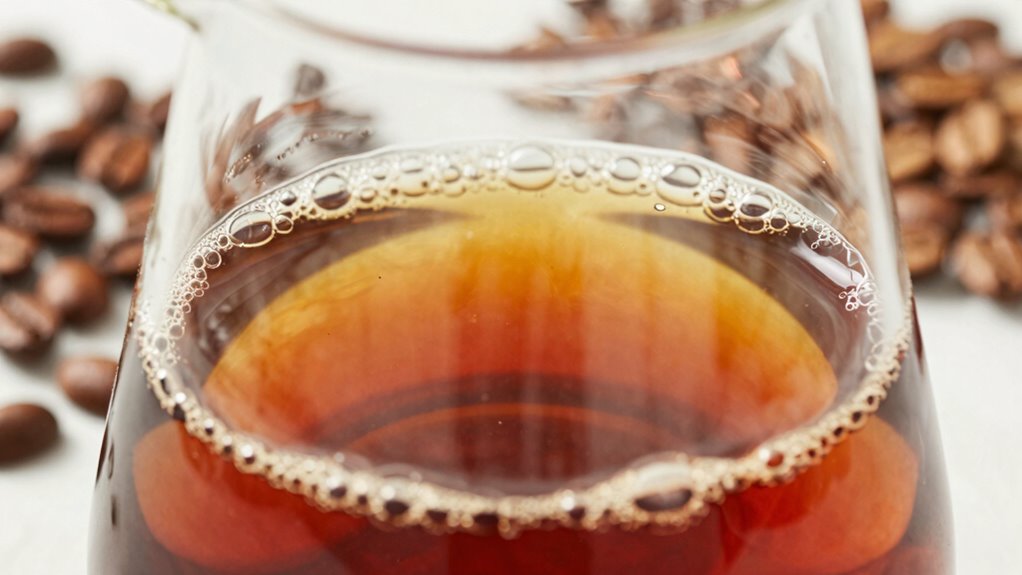
While both sourness and bright acidity contribute to the flavor profile of coffee, they are quite different in how they affect your experience. Sourness perception is often sharp and tangy, sometimes overwhelming if too intense. Bright acidity, on the other hand, adds a lively, crisp quality that enhances clarity and complexity. Herbal infusion machines can be used to create balanced infusions that highlight these flavor nuances. Here are key differences:
- Sourness perception can feel harsh or puckering.
- Bright acidity provides a clean, invigorating sensation.
- Sourness might be perceived as unbalanced if overdone.
- Bright acidity highlights fruity and citrus notes.
- The two can coexist, but bright acidity generally offers a more pleasant, vibrant experience.
As an affiliate, we earn on qualifying purchases.
What Causes Coffee Acidity? Key Factors That Influence Brightness

Your coffee’s brightness is heavily influenced by the origin of the beans and how they’re roasted. Beans from different regions bring unique acidity profiles, while roast levels can either enhance or mellow that brightness. Understanding these factors helps you select coffees that match your preferred acidity and flavor balance. Additionally, processing methods can also significantly impact a coffee’s acidity and overall flavor profile.
Coffee Bean Origins
The origins of coffee beans play a crucial role in determining their acidity and brightness. Your chosen bean origin influences the coffee’s flavor profiles and bean origin characteristics, which directly impact acidity levels. Different regions bring unique qualities:
- Altitude: Higher elevations often produce beans with brighter, more acidic notes.
- Climate: Cooler climates tend to enhance brightness and lively acidity.
- Soil composition: Volcanic soils contribute to vibrant, complex flavor profiles.
- Processing method: Washed coffees generally highlight clarity and brightness.
- Regional traits: Central American coffees are known for their crisp, bright character, while African beans often showcase lively acidity.
- Additionally, the processing techniques used can significantly influence the acidity and overall flavor profile, further emphasizing the importance of origin.
Understanding these factors helps you select beans that match your preferred acidity and flavor profile, elevating your coffee experience.
Roast Level Effects
Roast level plays a significant role in shaping a coffee’s acidity and brightness. Light roasts retain more of the beans’ original acidity, making them taste brighter and more vibrant. As you move to darker roasts, the natural acids break down, resulting in mellower, less tangy flavors. Proper coffee storage is vital—storing beans in a cool, airtight container helps preserve their brightness and acidity. Brewing temperature also impacts acidity; higher temperatures extract more acids, enhancing brightness, while lower temperatures produce smoother, less acidic brews. Adjusting roast levels and brewing temperatures allows you to control acidity to match your taste. Keep in mind that darker roasts require careful storage to prevent flavor loss, and ideal brewing temp ensures you get the desired brightness from your coffee. Additionally, color accuracy in the roasting process influences how well the beans retain their original acidity and brightness.
coffee beans for sourness control
As an affiliate, we earn on qualifying purchases.
As an affiliate, we earn on qualifying purchases.
How to Identify Sourness in Coffee and Know When It’s a Flaw or a Feature

You can often spot natural brightness in coffee by its lively, crisp qualities that enhance the overall flavor. However, when sourness becomes unbalanced or harsh, it indicates a flaw rather than a feature. Learning to distinguish between these helps you appreciate the unique character of well-crafted coffee. Recognizing the difference in flavor profiles is key to appreciating good coffee and avoiding undesirable qualities.
Recognizing Natural Brightness
How can you tell if the bright, tangy note in coffee is a desirable sign of quality or a flaw? Recognizing natural brightness involves evaluating its balance and clarity. When fruit notes are lively, clean, and contribute to overall flavor clarity, it signals a positive brightness. Look for these indicators:
- Vibrant, fresh fruit notes without harshness
- Balanced acidity that enhances sweetness
- Clear, distinct flavors rather than muddled or dull
- A lively, crisp finish that lingers pleasantly
- Absence of off-putting sour or tangy flavors
A natural brightness should feel uplifting and harmonious, highlighting the coffee’s unique character. When it’s well-integrated, it elevates the experience, showing quality rather than flaw. Proper recognition ensures you appreciate brightness as a feature, not a flaw.
Differentiating Flawed Acidity
Sourness in coffee can be a sign of brightness or a flaw, but distinguishing between the two depends on context and balance. When sourness feels sharp, unbalanced, or persists as an incorrect flavor, it’s likely a flaw—often caused by under-roasted beans or improper extraction. False acidity, which mimics bright, lively notes but lacks harmony, can also be mistaken for good flavor when it’s actually an indicator of flawed acidity. To identify flawed acidity, pay attention to its intensity and how it interacts with other flavors. If the sourness overshadows sweetness or creates an unpleasant, astringent sensation, it’s probably a defect. Good acidity should complement the coffee’s overall profile, not dominate or seem out of place. Additionally, understanding mammography guidelines can help you recognize the importance of early detection and proper assessment of abnormalities that might otherwise be mistaken for flawed acidity in coffee tasting.
How Do Coffee Processing Methods Affect Acidity and Sourness?

The way coffee beans are processed plays a significant role in shaping their acidity and sourness levels. Different processing techniques influence the fruitiness and brightness you experience in a cup. For example, washed (or wet) processing tends to produce beans with higher acidity and clearer flavor profiles, highlighting bright, citrus notes. Natural (or dry) processing, on the other hand, leaves beans to dry with the fruit intact, often resulting in a fruitier, less acidic, and more complex flavor profile. Honey processing offers a balance, with moderate acidity and sweetness. The method you choose impacts the overall taste, especially the perception of sourness and brightness. Understanding these processing techniques helps you select coffees that match your preferred acidity and flavor profile. Processing methods play a crucial role in determining the final taste characteristics of coffee beans, guiding enthusiasts toward their ideal brew.
How to Describe Acidity and Sourness in Coffee Tasting Notes
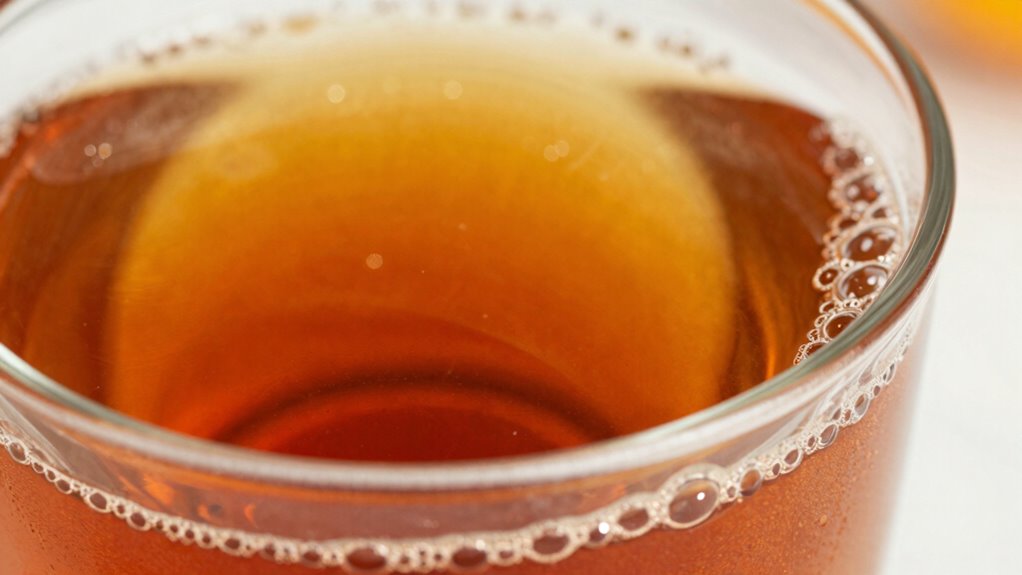
When describing acidity and sourness in your tasting notes, use specific aroma terms like citrus, berry, or green apple to capture the coffee’s character. Pay attention to how these flavors influence your overall tasting experience and note any nuances that make the coffee unique. Finding a balance between acidity and sourness helps communicate the coffee’s complexity effectively. Incorporating an understanding of sound vibrations can also deepen your appreciation for the subtle nuances in flavor profiles.
Descriptive Aroma Terms
Have you ever wondered how to capture the lively brightness of acidity or sourness in coffee tasting notes? Descriptive aroma terms help you paint a vivid picture. To convey this vibrancy, focus on specific scent words that highlight fruit notes or floral aromas.
- Bright citrus hints like lemon or grapefruit
- Juicy berry fragrances such as blueberry or raspberry
- Delicate floral scents like jasmine or rose
- Tart green apple or unripe fruit nuances
- Fresh herbal or citrus blossom aromas
Using these terms helps you communicate the intensity and character of acidity or sourness clearly. Think about how the coffee’s aroma evokes a lively, tangy, or floral sensation—this makes your tasting notes more expressive and precise.
Tasting Experience Nuances
How you describe acidity and sourness in your coffee tasting notes shapes the overall impression of the brew’s vibrancy. You might highlight bright, lively notes that evoke citrus or green apple, or mention a mellow, tangy quality that enhances the coffee’s complexity. Your pairing suggestions can emphasize how certain foods complement or balance these qualities—like pairing high-acidity coffees with creamy dairy or fruity desserts. When discussing brewing techniques, note how methods such as pour-over or Aeropress can accentuate or mellow sourness, influencing your perception. Precise descriptions help others understand the coffee’s unique nuances, guiding their tasting experience. By fine-tuning your language, you create a vivid narrative that captures the subtle differences in acidity and sourness, enriching the overall appreciation of the brew.
Balancing Acidity and Sourness
Balancing acidity and sourness in your coffee tasting notes requires careful choice of language to convey their interplay. To do this effectively, focus on how fruit notes enhance brightness without overpowering the overall flavor. Use descriptive words like vibrant, crisp, or lively to depict acidity, and smooth, mellow, or balanced for sourness. Adjust your brewing techniques—like using a pour-over or cold brew—to highlight or tame these qualities. Additionally, understanding how character development in coffee profiles influences perceived acidity can help refine your descriptions.
- Highlight fruit notes to emphasize brightness and clarity
- Use precise descriptors like “crisp” or “vibrant” for acidity
- Balance sourness with smooth or mellow terms
- Experiment with brewing techniques to control acidity levels
- Note how brewing methods influence the fruit notes and overall balance
How to Choose Coffee Based on Your Preference for Acidity and Sourness

Choosing the right coffee depends largely on your personal taste for acidity and sourness. To find your preferred balance, explore different coffee flavor profiles, which vary in brightness and tanginess. Light roasts often highlight higher acidity, offering vibrant, fruity notes, while darker roasts tend to mellow out sourness, creating a richer, more balanced taste. Your brewing techniques also influence acidity; methods like pour-over or Chemex emphasize clarity and brightness, making sourness more pronounced. Conversely, brewing with methods such as French press can produce a fuller-bodied, less acidic cup. Pay attention to these factors when selecting beans and brewing styles. Experimenting with different combinations helps you discover what level of acidity and sourness feels most satisfying to your palate.
How Roasting Levels Impact Brightness and Sourness in Your Brew

Roasting levels play a crucial role in shaping the brightness and sourness of your coffee. Lighter roasts preserve more of the beans’ original coffee flavor, which enhances brightness and sourness. As you move to medium roasts, you’ll notice a balance—still lively but with reduced acidity. Dark roasts tend to mellow out these qualities, resulting in a richer, less acidic cup. Your choice of roasting level influences how your brewing techniques extract brightness and sourness. Studies indicate that different roasting levels can also impact the skin’s response to coffee compounds, affecting overall sensory perception. Roasting levels influence how brightness and sourness are expressed in your brew.
Common Mistakes When Identifying and Describing Coffee Acidity and Sourness

When trying to identify and describe coffee acidity and sourness, it’s easy to make mistakes that can lead to confusion or miscommunication. Common misconceptions often cause you to overlook the nuanced differences between these qualities. Tasting pitfalls include confusing bright, lively flavors with true acidity, or mislabeling sourness caused by spoilage. To avoid this, understand that acidity is a positive, vibrant attribute, while sourness can indicate flaws. Recognizing sensory distinctions ensures your descriptions are accurate and consistent, elevating your coffee tasting skills.
How to Adjust Brewing to Enhance or Reduce Acidity and Sourness?

Adjusting your brewing method is a key way to control the acidity and sourness in your coffee. Small brewing adjustments can considerably impact flavor balancing, allowing you to enhance or reduce sharp notes. To decrease acidity, try longer extraction times, lower brewing temperature, or coarser grind size. Conversely, if you want to boost brightness, opt for shorter extraction, hotter water, or finer grounds. Experimenting with brew ratios can also help; more coffee relative to water often results in a richer, less sour cup. Remember, the goal is to tailor your brewing process to match your taste preferences and the coffee’s natural profile.
- Adjust grind size for extraction control
- Modify brewing temperature
- Change brew time for flavor balancing
- Tweak coffee-to-water ratio
- Use different brewing methods to influence acidity
Frequently Asked Questions
How Does Coffee Origin Influence Perceived Acidity and Sourness?
Your coffee’s origin greatly affects how you perceive acidity and sourness. The terroir influence, including soil and climate, shapes the bean’s flavor profile, often resulting in brighter, more vibrant acidity. Processing methods, like washed or natural, also play a role by emphasizing or mellowing sour notes. When you choose beans from specific regions, you’re selecting those with characteristic acidity levels, making your coffee experience uniquely tied to its origin.
Can Aging or Storage Affect Coffee’s Acidity and Sourness Levels?
Aging and storage effects can definitely impact your coffee’s acidity and sourness levels. Over time, aging impacts the beans’ chemical composition, often reducing acidity and mellowing sour notes. Proper storage helps preserve these qualities, but exposure to air, moisture, and light accelerates deterioration, making the coffee flatter and less vibrant. To enjoy the freshest flavor profile, keep your beans in an airtight container away from heat and light.
Are There Specific Coffee Varieties Naturally Higher in Acidity?
Think of coffee bean varietals as musical instruments, each producing a unique tone. Some varietals, like Arabica, naturally have higher acidity, much like a violin’s bright sound. Processing methods, such as washed or honey-processed beans, can amplify this brightness. So, if you crave a lively, tangy cup, seek out these specific bean varietals and processing styles—they’re your ticket to that vibrant, crisp flavor profile.
How Does Brewing Temperature Impact Acidity and Sourness?
Brewing temperature control directly impacts acidity and sourness by affecting extraction efficiency. When you use a higher temperature, you’ll extract more acids, making your coffee taste brighter and more vibrant. Conversely, lower temperatures reduce extraction, resulting in a smoother, less acidic brew. To balance acidity and sourness, adjust your brewing temperature carefully—aim for ideal extraction without overdoing it. This way, you tailor your coffee’s flavor profile to your preference.
What Role Do Additives or Flavorings Play in Altering Acidity Perception?
Additives and flavorings can markedly alter how you perceive acidity in coffee through flavor masking and additive chemistry. When you add ingredients like milk, cream, or sweeteners, they often mask sharp acidity and sourness, creating a smoother taste. The chemistry behind these additives interacts with coffee’s natural acids, reducing their sharpness and balancing flavors. This allows you to enjoy a more rounded, less acidic cup, depending on your preference.
Conclusion
Understanding the difference between acidity and sourness helps you find your perfect brew. Imagine tasting a bright, lively coffee that energizes your morning or noticing a sharp, off-putting sour note that signals a flaw. By paying attention to these characteristics and adjusting your brewing method, you can elevate your coffee experience. Remember, every sip is a chance to discover what truly delights your palate—don’t settle for anything less than a cup that excites you.
Evergreen bestsellers Picks
bestsellers
As an affiliate, we earn on qualifying purchases.